










Baku – APA. The slogans express the country’s dream of unity: "Iraq is for everyone." But the reality lies in where they are plastered and spray painted — on the hundreds of checkpoints that carve up the capital, APA reports quoting Associated Press.
With three weeks left before a key nationwide vote, Baghdad looks little different from how it did back when the country was on the brink of civil war in 2006 — divided, gripped by fear and dissected by concrete blast walls.
Election campaigning is only stoking the tensions. Thousands of campaign posters and banners around the city play to potentially explosive sectarian resentments, with Shiites painting Sunnis as loyal to Saddam Hussein or al-Qaida and Sunnis depicting Shiites as oppressing their community.
The March 7 election for a new parliament will produce a government that will shoulder the task of shepherding the nation after the last American soldier leaves by next year’s end. It will have to maintain security in the face of an increasingly bold insurgency and negotiate an enduring, power-sharing deal between the country’s main Shiite, Sunni and Kurdish groups.
Failure in one or both tasks would plunge the country back into the chaos and lawlessness of years past and re-ignite the murderous sectarian conflict of 2006 and 2007 that tore the country apart.
Despite a dramatic drop in the number of insurgent attacks, today’s Baghdad offers little reassurance for the future.
"Things are going from bad to worse with security and services because officials are preoccupied with the election and their own interests," said Ali Mohsen, a Shiite civil servant from eastern Baghdad.
Across the city in the Sunni district of Azamiyah, university student Salem Khatab Mohammed laments, "I don’t feel safe anywhere in Baghdad with explosions or gunfire likely to happen at any moment."
After a series of devastating bombings that hit high-profile targets in the heart of Baghdad since August, authorities added more blast walls and checkpoints to the thousands already in place. Major roads by government offices and other potential targets have been closed.
Some checkpoints have taken a permanent nature, with sleeping areas for soldiers built next to them. One on the southern approaches of Kazimiyah, a Shiite district that’s home to a revered shrine and popular food and gold markets, now has a vehicles’ search area nearly the size of an Olympic swimming pool.
Thousands of policemen and army troops patrol the streets round the clock in pickup trucks and SUVs.
Fearing for their safety, many Baghdadis are reluctant to venture out of their neighborhoods after nightfall, and most streets empty by 9 or 10 P.M. at the latest.
In many ways, it is a throwback to the dark days of the sectarian bloodbath, when most residents left home only when absolutely necessary, fearing death squads and sectarian militiamen.
To this day, entire neighborhoods that once were flashpoints remain closed off by 6-foot-high blast walls, accessible mostly by a single entrance controlled by security forces. Drivers endure tortuously long waits to enter, and in some cases must show identity papers.
At the Imam Abu Haneifa mosque in northern Baghdad, Iraq’s holiest Sunni site, blast walls bearing Quranic verses have recently been placed around it. "Trust that only what God has willed for us will hurt us," reads one verse tellingly.
"How much more of this tragedy must we endure?" bemoaned Saleh Omran, a Sunni retiree from Baghdad’s Mansour district. "We have lost our humanity," said Omran, who acknowledges he stays clear off Shiite areas after dark.
Ironically, it is the checkpoints — among the most potent symbols of Baghdad since the U.S. invasion of 2003 — that offer a vision of a united country, rid of corruption and sectarianism. The slogans put up by soldiers and police proclaim, "Loyalty to the homeland and the people only," or "No favoritism at the expense of duty."
In contrast, the message from the election posters is divisive and, in some cases, amounts to incitement. Each side — the Shiites who now dominate the government along with the Kurds, and the Sunni minority — depicts itself as oppressed by the other.
"Oh, Hussein, here we come to your aid," declare posters put up by Shiite candidate Ibrahim al-Jaafari, a former prime minister. It’s a reference to Imam Hussein, a beloved Shiite saint martyred in the 7th century in a battle that solidified the Shiite-Sunni split.
Another al-Jaafari poster warns, "There is no room for Baath," a reference to members of Saddam Hussein’s former ruling party. Shiites often warn that the Baath is plotting to return to power, while Sunnis accuse the Shiites of exploiting such fears to squeeze them out of any political role.
Other posters show a candidate from Shiite Prime Minister Nouri al-Maliki’s bloc pointing his finger menacingly, warning, "Those who wish to see the tyrants humiliated must vote for judge Mahmoud Saleh al-Hassan."
More than 440 mostly Sunni candidates, including senior politician Saleh al-Mutlaq, have been barred from running in the election by a Shiite-led vetting body because of suspected Baath Party ties. The resulting row has poisoned Shiite-Sunni relations and raised questions about the vote’s credibility.
Al-Mutlaq, in a thinly veiled dig at Shiite rivals, joked Monday that campaign posters of "thieves" outnumber "honest men." Later in the day, government spokesman Ali al-Dabbagh, also running in the election, threw his own jibe at Sunni politicians, telling a campaign rally that some lawmakers in the outgoing legislature work for al-Qaida.
Adding to the tension, hundreds of angry Sunnis took to the streets in Baghdad and the city of Fallujah this week in protests after a senior Shiite lawmaker, Bahaa al-Aaraji, made comments the seemed to insult a companion of the Prophet Muhammad revered by Sunnis but vilified by Shiite extremists.
Campaign posters for Shiite and Sunni parties are found only in neighborhoods dominated by one or the other sect, an indication Iraqis remain married to a sectarian voting pattern.
The posters of Sunni candidates show no less bitterness.
"I will not forgive those who oppressed you," promises Mahmoud al-Mashhadani, a former speaker of parliament — a slogan his Sunni supporters will easily understand as meaning Shiites.


 Follow us on Telegram
 t.me/apanewsaz
 Follow us on Instagram
 Follow us on TikTok
 Follow us on Facebook
 Follow us on X
Asia
Araghchi discusses US talks with Saudi foreign minister
 19:50
19:50
 24 June 2026
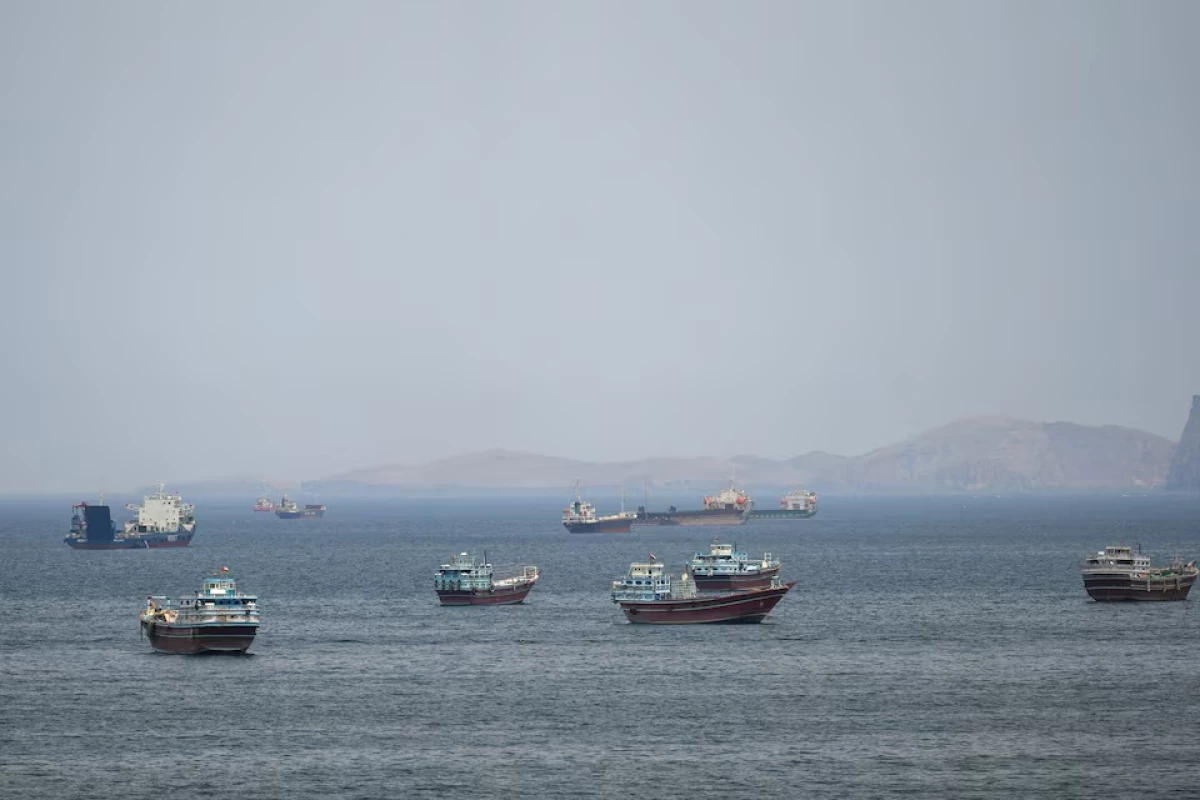
Ships start sailing through Hormuz under UN evacuation scheme, agency says
18:41
24 June 2026
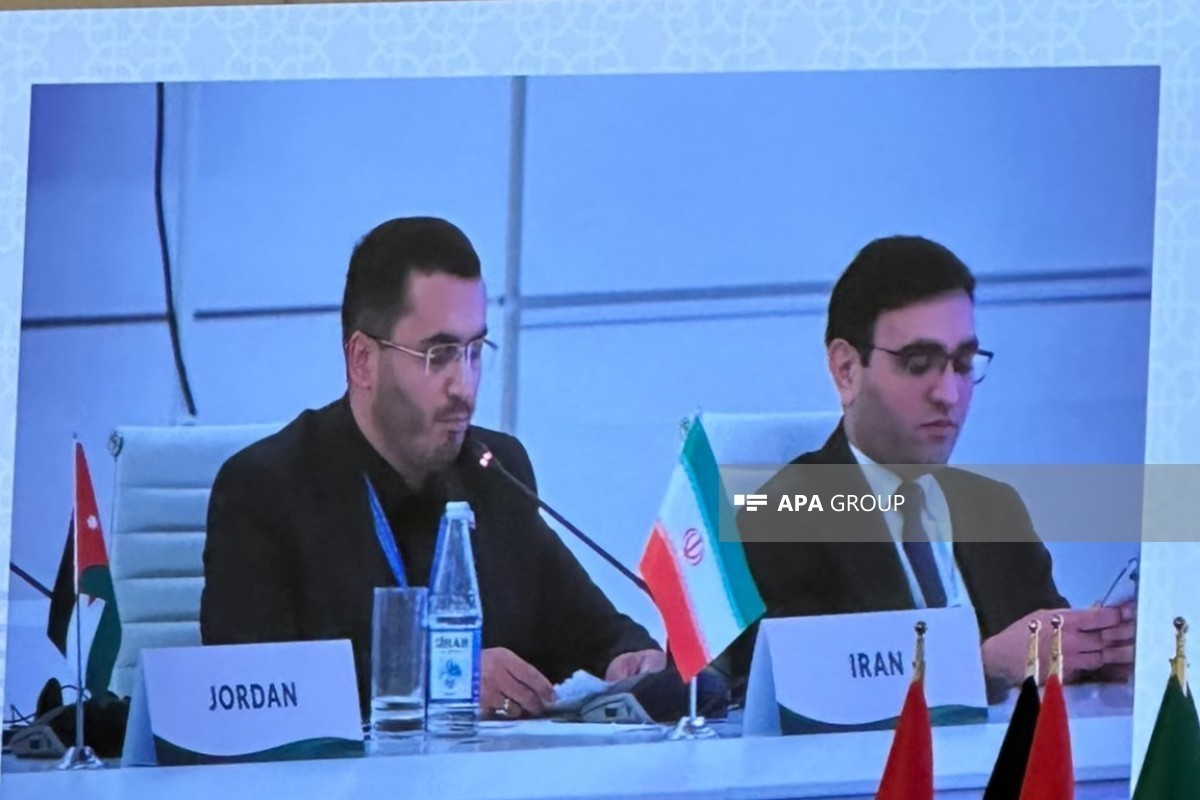
Exchange of accusations erupts between Iranian and Yemeni representatives
18:13
24 June 2026
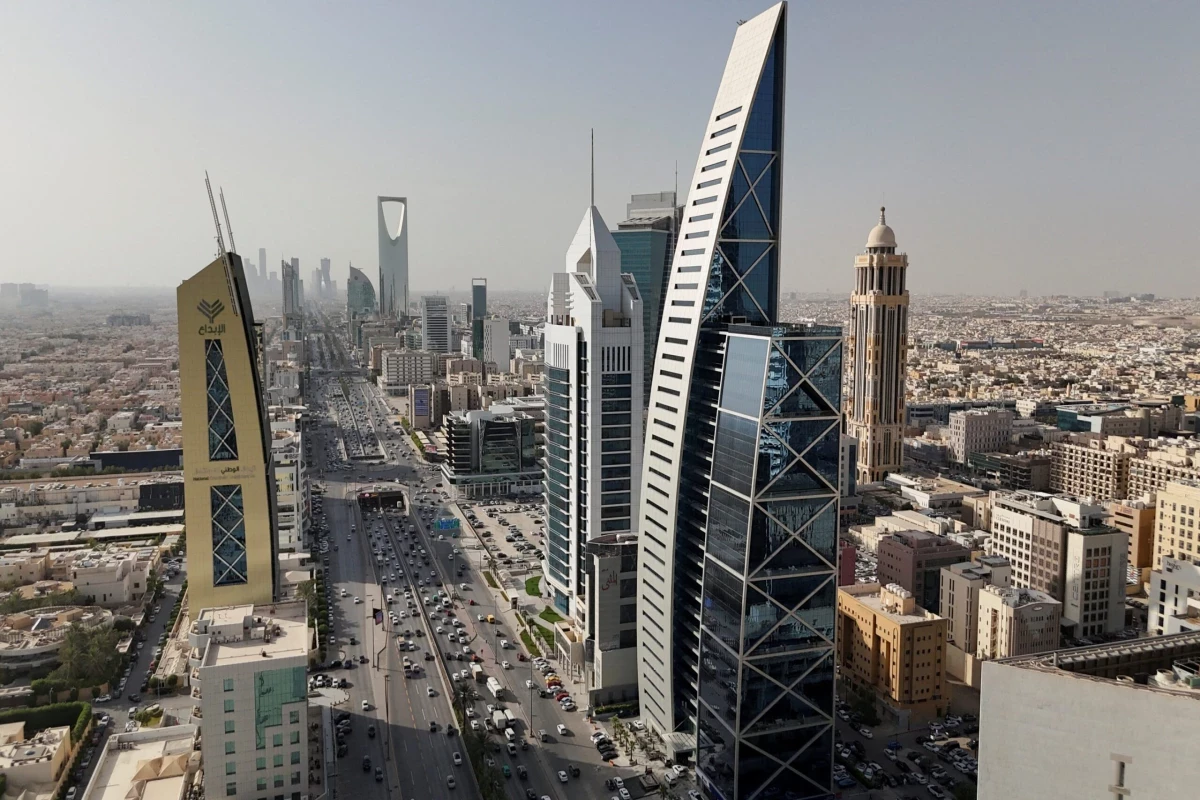
Iran-Gulf reconciliation talks expected to be held in Saudi Arabia, diplomat says
16:59
24 June 2026

NEWS FEED
Rubio: Upcoming technical talks with Iran will be at expert level, start June 30
21:29
24 June 2026
Zelenskyy says drone signal repeaters in Belarus have been switched off
20:50
24 June 2026
US Treasury Department has removed seven individuals and two vessels from sanctions lists against Russia
20:40
24 June 2026
Araghchi discusses US talks with Saudi foreign minister
19:50
24 June 2026
Ghalibaf: Azerbaijan-Iran relations have seen greater development over the past year
19:37
24 June 2026
Sahiba Gafarova meets Speaker of Iran's Parliament
19:34
24 June 2026
Meeting held with delegation from Pakistan National Defense University
19:10
24 June 2026
Ships start sailing through Hormuz under UN evacuation scheme, agency says
18:41
24 June 2026
Iraqi President congratulates Azerbaijani leader on Independence Day
18:37
24 June 2026
Speakers of Azerbaijani and Turkish parliaments meet, stress importance of Azerbaijan-Türkiye strategic alliance - UPDATED
18:22
24 June 2026
Ebola outbreak is still outpacing response, WHO's Tedros says
18:20
24 June 2026
Helicopter crashes in Russia's Krasnodar region
18:18
24 June 2026
Exchange of accusations erupts between Iranian and Yemeni representatives
18:13
24 June 2026
Azerbaijan’s Prime Minister meets with Speaker of Türkiye’s Grand National Assembly
18:06
24 June 2026
Azerbaijani MFA: France continues to pursue outdated and one-sided political approaches
18:05
24 June 2026
Ghalibaf: Iran learned who its friends and enemies were during the war, Azerbaijan stood by Iran
18:04
24 June 2026
CENTCOM airstrike in Syria kills senior ISIS leader
18:00
24 June 2026
Azerbaijan Railways showcases Azerbaijan’s transit and logistics potential at Transport Logistic China 2026
17:55
24 June 2026
President Ilham Aliyev received delegation led by Speaker of Iran’s Islamic Consultative Assembly
17:50
24 June 2026
Drone attempting to violate Azerbaijan’s border neutralized - PHOTO
17:27
24 June 2026
Azerbaijan extradites internationally wanted individual to Kyrgyzstan
17:11
24 June 2026
Iran-Gulf reconciliation talks expected to be held in Saudi Arabia, diplomat says
16:59
24 June 2026
Jeyhun Bayramov travels to Poland to attend Ukraine Recovery Conference
16:41
24 June 2026
Israel, Lebanon discussing pilot scheme for handover of territory
16:37
24 June 2026
Ukraine returns sailors from ship detained by Iranian security forces
16:29
24 June 2026
Erdoğan says one-on-one meeting with Trump likely at NATO Summit
16:23
24 June 2026
Trump: Negotiations will end immediately if Iran charges ships passing through the Strait of Hormuz
15:54
24 June 2026
Azerbaijan assumes chairmanship of the Parliamentary Union of OIC member states - UPDATED
15:24
24 June 2026
AZAL’s first Airbus A321neo delivered in Hamburg - PHOTO
15:23
24 June 2026
AZAL: New Airbus A321neo can be safely operated on any route - VIDEO
15:20
24 June 2026
Iran says access to attacked nuclear sites depends on final US deal
15:14
24 June 2026
Katz vows IDF won’t withdraw from south Lebanon ‘even if there’s an American demand’
15:02
24 June 2026
Media representatives visit Airbus production facility in Hamburg - PHOTO
14:50
24 June 2026
President Ilham Aliyev received delegation led by Speaker of Grand National Assembly of Türkiye
14:49
24 June 2026
Azerbaijan's insurance market grows by nearly 2% this year
14:39
24 June 2026
Erdoğan: Israel has been doing everything it can for 10 days to undermine a US-Iran agreement
14:39
24 June 2026
Lavrov: Diplomatic solution to Ukraine crisis remains possible
14:37
24 June 2026
France confirms first Ebola case in doctor returning from DR Congo mission
14:04
24 June 2026
Tehran's Mehrabad Airport to close due to Ali Khamenei's funeral ceremonies
13:52
24 June 2026
Ukraine hits two airfields and air defence systems in Crimea, including Pantsir-S1 units
13:51
24 June 2026
Drones strike major Russian gas processing plant 1,500 km from Ukraine
13:40
24 June 2026
Azercell and Samsung launch a new campaign
13:29
24 June 2026
Presidential aide: Main goal in cotton farming by 2030 is to increase average yield to 50 centners per hectare
13:27
24 June 2026
Peskov: Armenia is currently choosing its path of development
13:20
24 June 2026
AZAL: Today's Baku-Nakhchivan-Baku flights cancelled
13:09
24 June 2026
Central Bank of Azerbaijan preparing amendments to compulsory insurance regulations
13:02
24 June 2026
Azerbaijan extends special quarantine regime until October 1, 2026
12:57
24 June 2026
Sabirabad executive authority head: State Program will strengthen food security and non-oil sector growth
12:53
24 June 2026
Conference dedicated to Azerbaijan's position as a middle power held - PHOTO
12:45
24 June 2026
Azerbaijan's social reform achievements presented at UN Forum
12:43
24 June 2026


