










Baku-APA. A televised foreign policy debate that took place at Lynn University, Florida, on Monday evening between US President Barack Obama and Republican challenger Mitt Romney has indicated that the US has no intention of becoming actively engaged in the Syrian crisis, analysts have said, making a fine-tuning of Turkey’s Syria policy a necessity, APA reports quoting Today’s Zaman.
“I don’t think the US would take greater responsibility in the Syrian crisis,†Murat Bilhan, vice chairman of the Turkish-Asian Center for Strategic Studies (TASAM), told Today’s Zaman in analyzing what the presidential candidates had to say with only two weeks to go before the US presidential elections.
Both candidates oppose sending US troops to Syria to topple the Assad regime. “We don’t want to have military involvement there. We don’t want to get drawn into a military conflict,†Romney said during the debate, although he said the US should be more heavily involved in the crisis.
Romney, who is in favor of the US playing a leadership role in the crisis, believes the Syrian opposition should be provided with the arms necessary to defend themselves, but only after responsible parties have been identified within Syria. Obama is more cautious. Although he announced that Syrian President Bashar al-Assad’s days are numbered, Obama noted that providing heavy weapons to opposition forces in Syria may cause security problems in the long term.
Noting that it does not look as if Assad will lose his hold on power any time soon, “taking the facts into account, a fine-tuning is needed in our regional policy,†Bilhan commented.
For ÇaÄŸrı Erhan, a lecturer for the department of international relations of Ankara University, what Romney said about Syria is not different in any major way from Obama’s stance. According to Erhan, Romney’s discourse is mainly rhetoric. Noting that Romney does not favor US-led military action against Syria, Erhan told Today’s Zaman, “He is also aware a solution to the problem in Syria is not possible without reaching an agreement with the Russians.â€
Americans are worried that any arms provided to the opposition groups in Syria could be used to “hurt them down the road,†by fundamentalist militants, as expressed by Romney, and that seems to be one of the reasons the US is hesitant in taking on greater responsibility in the Syrian issue.
“There is no guarantee of support [expected by Turkey] to be provided by the US [regarding the crisis in Syria],†Nüzhet Kandemir of BahçeÅŸehir University told Today’s Zaman.
At the start of the Syrian crisis, the US encouraged Turkey to take a harsh stance against the Syrian regime. However, recently, as the discourse of the presidential candidates makes clear, Turkey no longer feels the open US backing it did in the past.
According to Kandemir, a former diplomat who also served as Turkish ambassador to Washington, Turkey is no longer as important for the US as it was during the earlier phase of the crisis. “In connection with Syria, Turkey has no privileged position in the eye of either Obama or Romney,†he said.
Iran is another major foreign policy on which the attitude of the US is important for Turkey. In their discourse on Iran, both candidates were tough, making it clear they see a military strike against Iran’s nuclear facilities as a “last resort,†but it was Romney whose stance looked even tougher.
Obama is in favor of increasing pressure on Iran by way of economic sanctions, which he believes will work to bring the Iranian economy to its knees. In their stance against Iran, the two presidential candidates gave the impression they want to demonstrate how deeply they are on the side of Israel. “As long as I’m president of the United States, Iran will not get a nuclear weapon,†Obama said, while Romney vowed to toughen sanctions. Both leaders said they would stand by Israel in the case of an attack by Iran.
Erhan believes that Romney, should he be elected on Nov. 6, will adopt a harsher policy line against Iran, given that with their support from arms and energy industries in the US, Republicans usually take a hard-line attitude on foreign policy issues. An attack against Iran is a worst-case scenario for Turkey, not only because the country’s trade and tourism would greatly suffer as Iran is a major gas provider for Turkey, but because the attack may pave the way for a regional war.
Turkey may even become a target for Iran because of the NATO early-warning radar system it hosts in Malatya. Iranian officials have criticized Turkey for this with a threatening tone on numerous occasions. Noting that the US would also need to take international actors into account in the case of an attack on Iran, Erhan said the US cannot afford to completely ignore Turkey’s stance on any regional issue. “In the region, the US needs Turkey more strongly than the other way around,†he commented.
Turkey may face difficult choices regarding Iran following the elections, given that both candidates have adopted a harsh discourse against Iran. “Turkey may go through difficult times,†Bilhan said. He suggests as a solution, that Turkey reconsider its attitude towards Israel, which he called “the key to US policy†in the region. Should Romney be elected and the current Israeli government re-elected in elections to be held at the beginning of next year, Turkey will have a hard time in the region, the analysts agreed.
US presidential debate dims hopes of US involvement in Syria

 23 October 2012 20:21 (UTC +04:00)


 İDMAN XƏBƏR
 Follow us on Telegram
 t.me/apanewsaz
 Follow us on Instagram
 Follow us on TikTok
 Follow us on Facebook
 Follow us on X
Americas
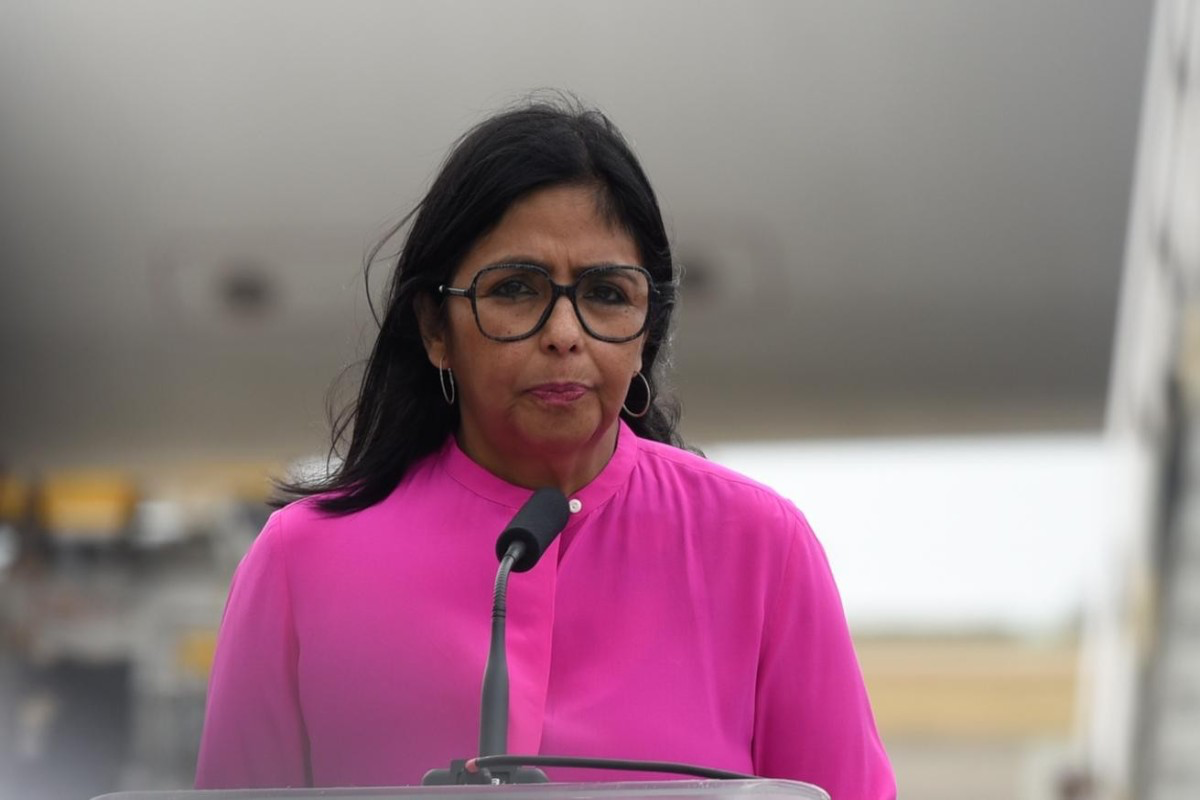
33 people rescued, thousands still missing after Venezuela quakes
22:44
 28 June 2026
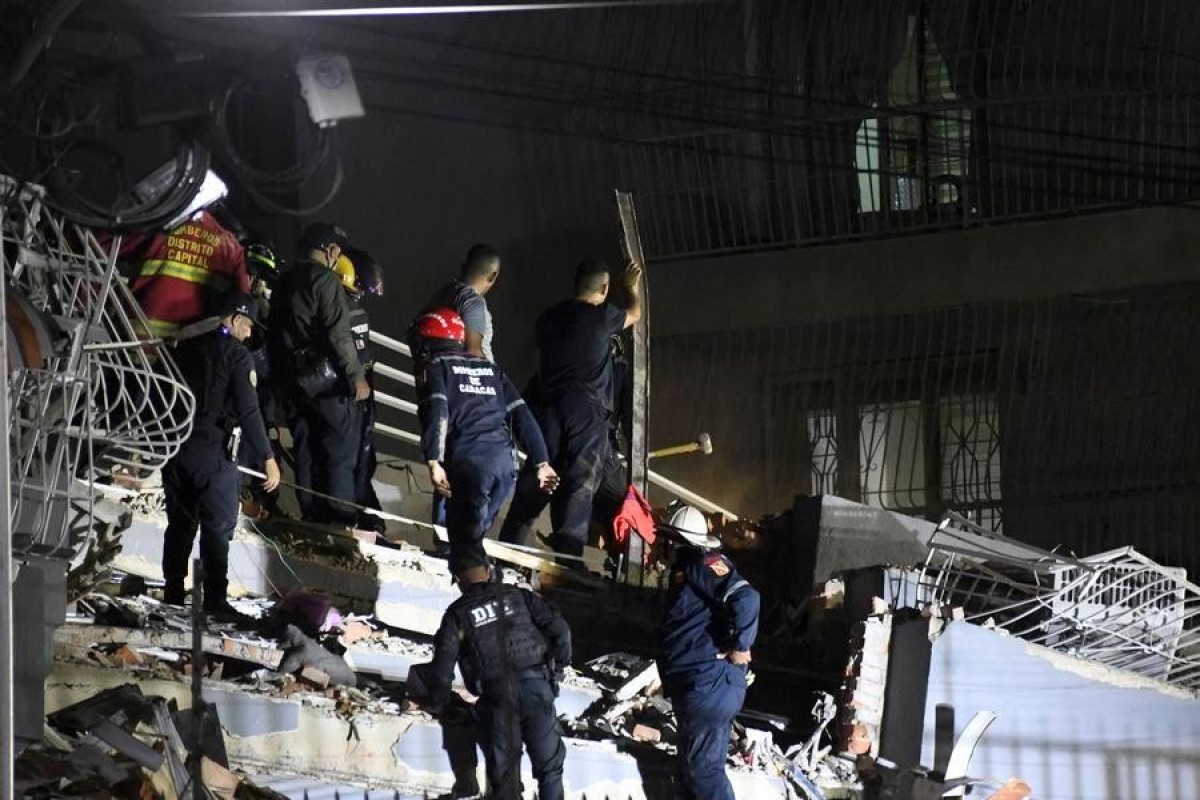
Venezuela quake death toll rises to 1,430
10:00
28 June 2026
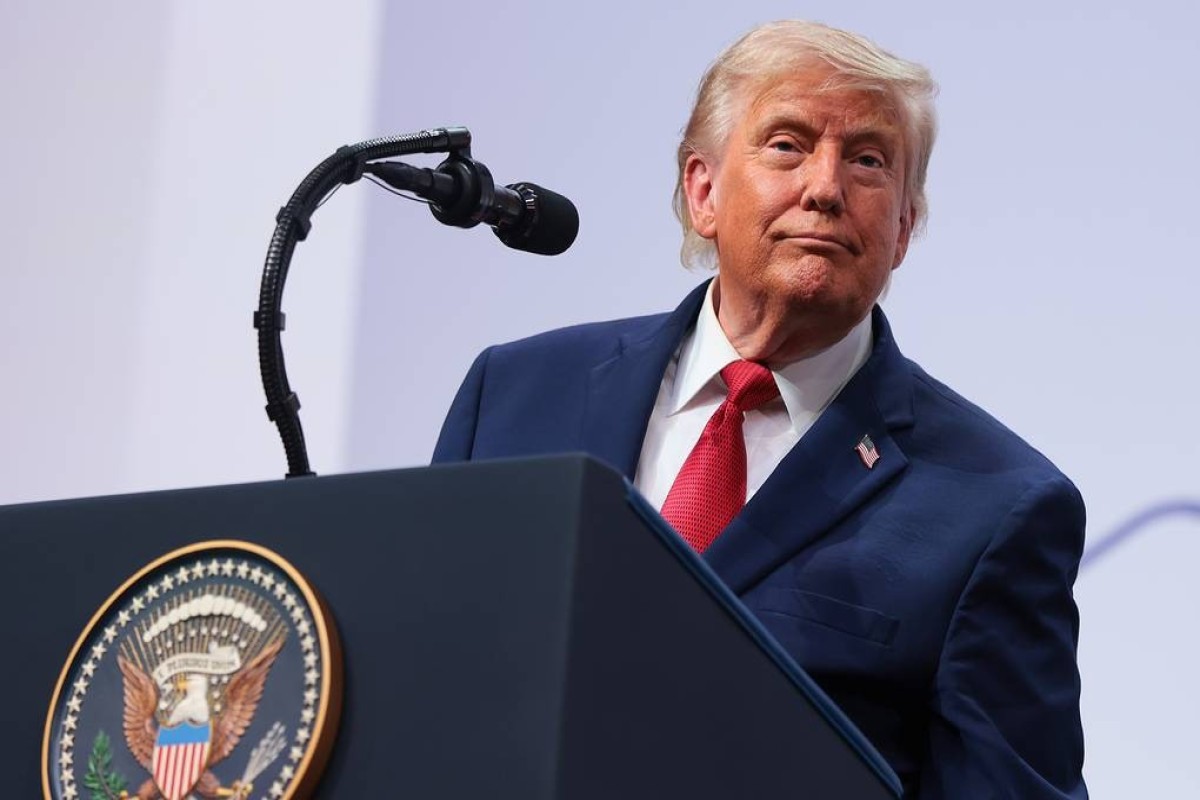
Trump threatens more military action against Iran if strikes continue
03:52
28 June 2026
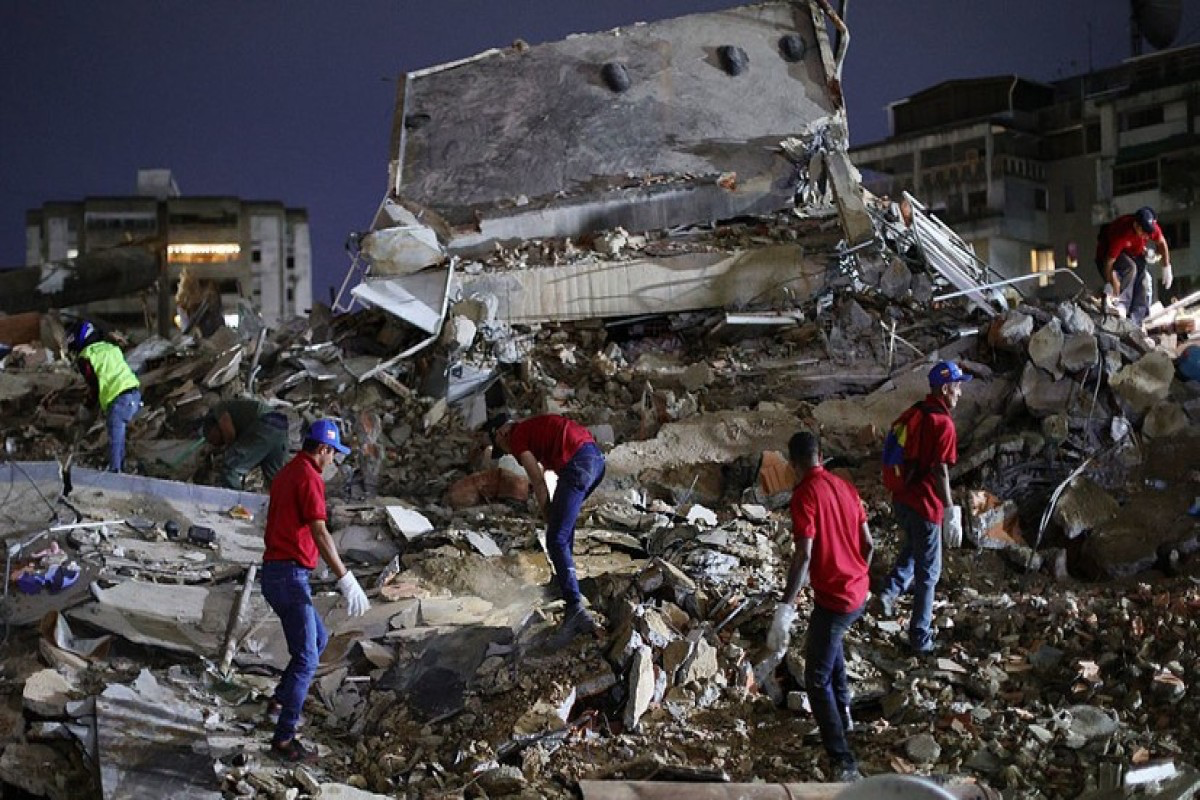
UN: Venezuela earthquake could affect more than 6.7 million people
02:44
28 June 2026

NEWS FEED
Russian strike on Dnipro on June 29 leaves four dead, ten wounded
13:19
29 June 2026
“Aibyn-2026” International Military-Patriotic Youth Gathering ends
13:07
29 June 2026
Iran president says country will receive $6bn of frozen funds held in Qatar
12:53
29 June 2026
Special conference to be held in Khankendi during Turkic World Week
12:52
29 June 2026
Turkic World Week dedicated to the 100th anniversary of the First Turkology Congress opens in Baku - UPDATED - PHOTO
12:47
29 June 2026
OTS Secretary General: 100th anniversary of the First Turkological Congress is of historical significance for our peoples
12:32
29 June 2026
Secretary General: Meeting held in Baku marks the beginning of a new stage in the history of the Turkic world
11:53
29 June 2026
Aghdam and Shusha to host Turkic World Week events
11:52
29 June 2026
Mirziyoyev: Turkology faces new tasks in the modern era
11:50
29 June 2026
IDF: In response to Hezbollah violations, we struck 3 headquarters in southern Lebanon
11:50
29 June 2026
Iran, Oman hold first meeting of joint committee on Hormuz, Iranian deputy FM says
11:41
29 June 2026
President Ilham Aliyev addresses participants of the First Turkological Congress centenary event - UPDATED
11:34
29 June 2026
Sadyr Japarov: The 100th anniversary of the First Turkological Congress will further strengthen friendship among Turkic peoples
11:25
29 June 2026
ANAMA discovers 73 more mines and 329 UXO in liberated territories
11:21
29 June 2026
Tokayev: Azerbaijan makes a significant contribution to strengthening ties among brotherly nations
11:19
29 June 2026
Pakistani strikes kill 36 civilians, wound 163: Afghan govt
11:07
29 June 2026
Erdoğan: Azerbaijan is contributing to the common goals of the Turkic states today
11:04
29 June 2026
President: The progressive ideas put forward by the First Turkological Congress form the foundation of the projects successfully being implemented by OTS
11:04
29 June 2026
President Ilham Aliyev: I am pleased that the initiative I put forward regarding the celebration of the 100th anniversary of the First Turkological Congress is being realized today
10:59
29 June 2026
Four bodies found in burned-out car on Yerevan–Yeraskh highway
10:58
29 June 2026
Baku to host BSTDB Annual Meeting and Business Forum
10:54
29 June 2026
Presidents of Kazakhstan and Kyrgyz Republic address participants of Turkic World Week in Baku
10:51
29 June 2026
Leyla Aliyeva and Alena Aliyeva attend Charity Festival
10:43
29 June 2026
Russian army launches 973 strikes on 45 settlements in Ukraine's Zaporizhzhia region in 24 hours
10:32
29 June 2026
Official Baku calls on Israeli government to reconsider decision on the so-called "Armenian genocide"
10:14
29 June 2026
Azerbaijan Army conducts demonstration classes with new officers
10:08
29 June 2026
Latvia and Ukraine to build a UAV factory near the border with Russia and Belarus
09:51
29 June 2026
Kaja Kallas and Kos arrive in Türkiye ahead of NATO summit
09:25
29 June 2026
Belarusian President Alexander Lukashenko is on a working visit to China
09:22
29 June 2026
Oil prices rise again on world markets
09:14
29 June 2026
Bitcoin price drops below $60,000
09:13
29 June 2026
Gold futures decline on commodity markets
09:07
29 June 2026
Israel announces destruction of Hezbollah underground facility in southern Lebanon
03:36
29 June 2026
Canadian national team qualifies for FIFA World Cup 1/8 finals
01:55
29 June 2026
Axios: U.S., Iran agree to ceasefire, Doha talks on Strait of Hormuz
01:27
29 June 2026
Putin: Ukrainian strikes on Russia's energy infrastructure undoubtedly create problems
01:26
Audio
29 June 2026
Türkiye says Israel using 1915 events decision to cover up crimes against Palestinians
23:20
28 June 2026
33 people rescued, thousands still missing after Venezuela quakes
22:44
28 June 2026
Qatari citizen died from shrapnel wounds on board ship
21:54
28 June 2026
Russian President held meeting on fuel supplies for domestic market
20:50
28 June 2026
Starmer could run for NATO Secretary General
20:33
28 June 2026
Azerbaijani MFA expresses condolences over helicopter crash in Saudi Arabia
19:03
28 June 2026
Mutual attacks between Iran and the US are increasing – LATEST SITUATION
17:13
28 June 2026
Israeli government unanimously votes to recognize the so-called "Armenian genocide," bill to be submitted to Knesset
15:06
28 June 2026
Another wheat shipment transits Azerbaijan from Russia to Armenia-PHOTO
13:06
28 June 2026
Venezuela quake death toll rises to 1,430
10:00
28 June 2026
IRGC says it struck U.S. military infrastructure in Kuwait and Bahrain
09:34
28 June 2026
Trump threatens more military action against Iran if strikes continue
03:52
Audio
28 June 2026
UN: Venezuela earthquake could affect more than 6.7 million people
02:44
28 June 2026
US launches more strikes against Iran
02:17
Audio
28 June 2026


