













Baku – APA. Somali clerics who are worried that their country could become a launching pad for global jihad are stepping up efforts around the globe to stop young men from joining a feared al-Qaida-linked group, APA reports quoting “Associated Pressâ€.
The clerics are spreading their message in Somalia and to diaspora communities of Somalis in Kenya, Europe and the United States. And they’re using the same text the militants cite to back up their argument: the Quran.
"As Islamic scholars, we should warn people, especially the youth, against al-Shabab’s destructive ideology," said Sheik Abdi Mahad, a cleric who preaches in Somali mosques in Kenya’s capital, Nairobi. "What we are telling our people is al-Shabab is wrong and its members are extremists who don’t represent the peaceful nature of the Islamic religion."
Clerics are airing anti-Shabab lectures on the Somali government’s radio station in Mogadishu. They’re also holding meetings for those who oppose the militant group, although such gatherings can only be held in areas outside al-Shabab’s control. The militants’ reach extends across much of Mogadishu, and Somalia’s central and southern regions.
Al-Shabab seeks to topple Somalia’s weak, U.N.-backed administration and install a harsh brand of Islam.
U.S. officials say veteran insurgents of the Afghan and Pakistan conflict have joined al-Shabab, infusing the group with bomb-making expertise and global links. The group metes out harsh punishments, not unlike the Taliban when it controlled Afghanistan in the 1990s.
Western intelligence officials say the group is also recruiting foreign fighters from the Somali diaspora in the United States and Europe. That global attention has prompted moderate clerics to take action.
Still, opposition to the militants is so dangerous that the clerics would not talk about their campaign on the record for fear of retaliation. But clerics in other countries where the message is being spread say they are actively trying to discourage young Somalis from joining the group.
In Minneapolis, home to the largest Somali community in the U.S., clerics at the Quba Mosque held weeklong lectures shaming al-Shabab in May, said Sheik Osman Ahmed Sheik, the mosque’s assistant director. Sheik, whose mosque accommodates 300 worshippers, said the lecture sessions were held in the evening to draw as many as possible.
"Now parents are more enlightened about al-Shabab’s danger to their children," he said. "They now know that they are people out there who want to brainwash their children."
Mohamed Idris, a Saudi-based Somali cleric, was among several scholars who took part in a series of recent lectures in Sweden. Some were posted on Somali websites and broadcast on satellite TV.
"Our message was directed to anyone who misinterprets the Islamic religion," he said. "We have urged the youth to focus on education and their life in their adopted countries and not get involved in the violence in Somalia."
In April, Idris was part of a dozen clerics who met in the Somali city of Garowe, the capital of the semiautonomous region of Puntland. The group issued a statement in which they said militant activity in Somalia is not jihad.
The statement urged the warring parties in Somalia "to stop the bloodletting, because in the Holy Quran Allah has banned Muslims from killing each other. The Muslim’s blood is sacred."
In a clear reference to al-Shabab, it also called on Somalis to refrain from calling one another "apostates," a term that means one is no longer a Muslim. Al-Shabab fighters have often targeted Somalis who have joined the U.N.-backed "apostate government" or anyone accused of working for foreign intelligence agencies.
"The best way to deal with the extremists is dialogue," said Abdel Moati Bayoumi, an Islamic scholar at Al-Azhar University in Cairo, the pre-eminent theological institute of Sunni Islam, the mainstream sect to which nearly all Somalis belong.
"What produces extremism in the Muslim world is because of people’s minimal knowledge about Islam. The more the people become enlightened about Islamic teachings, the more they will steer clear of violence and killing of innocent people," he said.
Bayoumi said debunking extremist ideologies worked in Egypt, and it can succeed in Somalia too.
"We have talked to the extremists inside mosques and prisons and succeeded in convincing them to return from their ideologies," he said. "Islam calls for moderation. And if the Prophet Mohammed was asked to select between two things he always went for the moderate one."


 Follow us on Telegram
 t.me/apanewsaz
 Follow us on Instagram
 Follow us on TikTok
 Follow us on Facebook
 Follow us on X
Africa
Two killed, five injured in shooting in S. Africa
 16:09
16:09
 14 October 2026
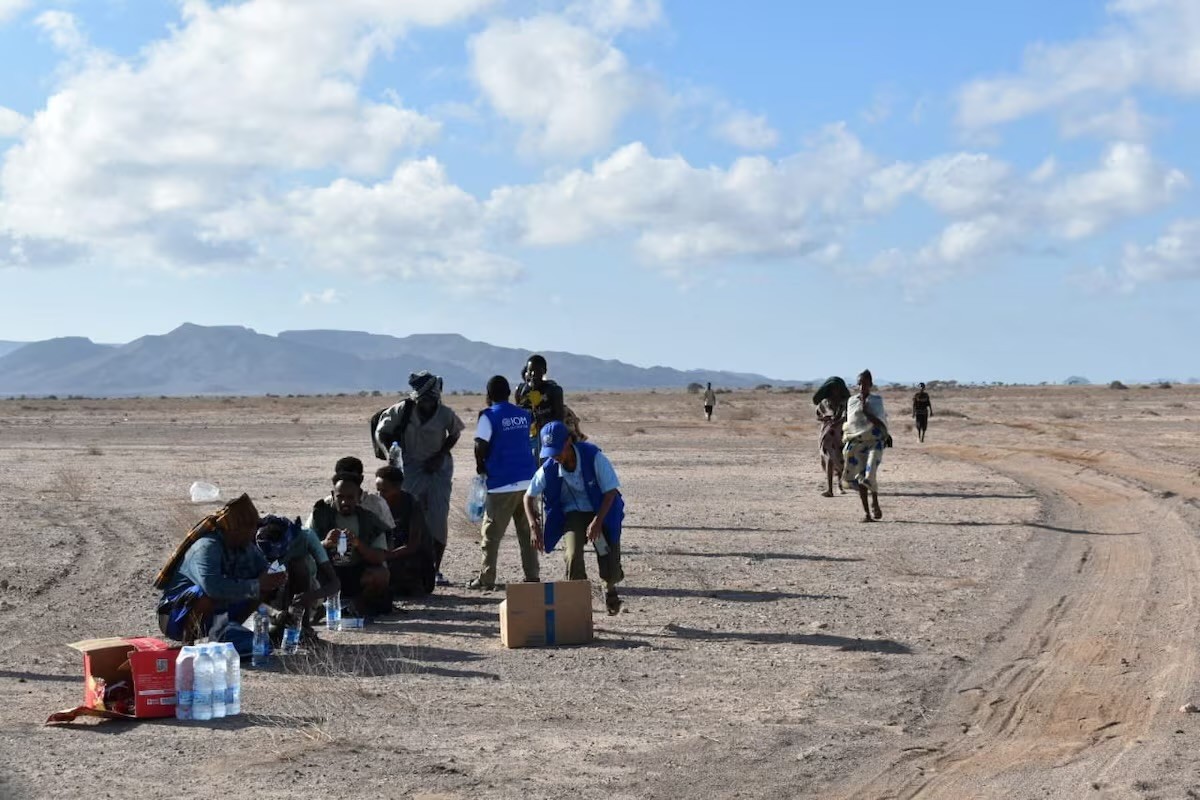
At least 139 migrants dead, including some children, after boat from Djibouti to Yemen capsizes, UN agency says
21:17
11 October 2026
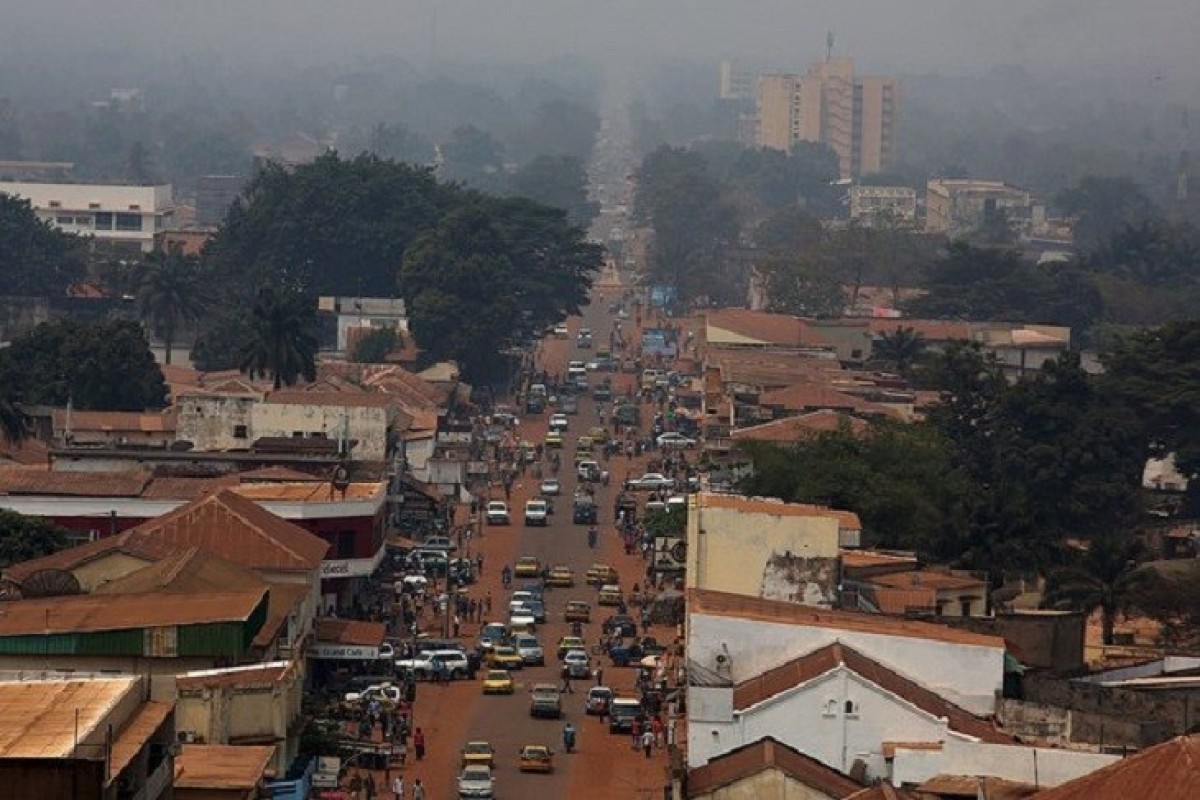
Central African Republic foils planned large-scale militant attack
07:04
11 October 2026
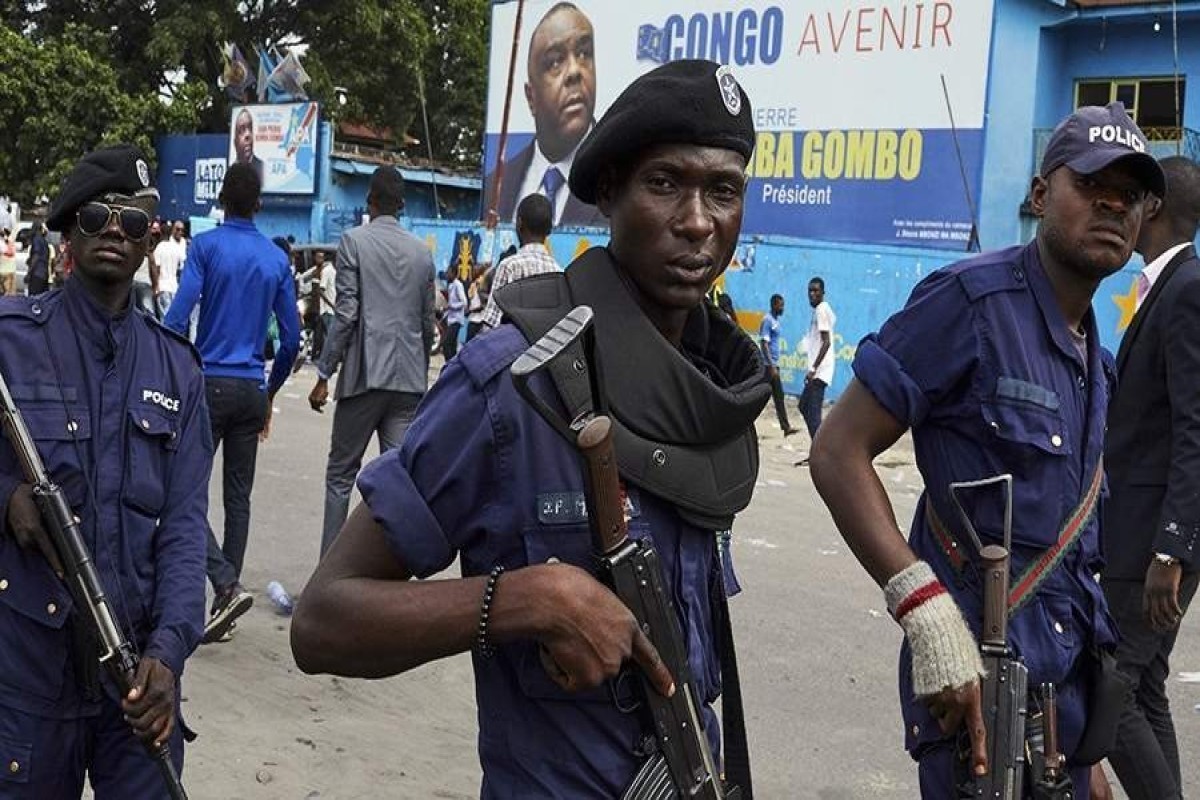
Rebel attack kills 11 civilians in DR Congo
05:16
11 October 2026

NEWS FEED
Delegation from Italy visits Azerbaijan
10:10
15 October 2026
Georgian FM: Joint projects of Georgia, Azerbaijan and Türkiye serve as a solid foundation
10:08
15 October 2026
IMF: South Caucasus and Central Asia show resilience to Middle East crisis
10:05
15 October 2026
Investments in Middle Corridor open new opportunities for South Caucasus - Director
10:01
15 October 2026
Trump says government officials who leak to the media ‘should be shot’
09:55
15 October 2026
Azerbaijani oil sold above $124 per barrel
09:46
15 October 2026
Gold and silver prices rise in commodity markets
09:32
15 October 2026
Brent oil price falls below $105
09:25
15 October 2026
FM Bayramov meets Chinese FM - UPDATED
09:02
15 October 2026
US considers easing sanctions on shadow fleet vessels to cut freight rates, official says
09:00
15 October 2026
President of Turkmenistan arrives in Azerbaijan
08:57
15 October 2026
Eight US states sue OpenAI, claiming ChatGPT harms young users
08:44
15 October 2026
US proposes partial unfreezing of Russian assets to revive Ukraine talks — FT
07:02
15 October 2026
More than 40 flights to Istanbul have been diverted to other airports
04:09
15 October 2026
Houthis claim hit on Saudi fighter jet
03:41
15 October 2026
US destroys Iran-linked ship in Gulf of Oman
02:37
15 October 2026
Aston Villa beat Fenerbahce 6-0 in Champions League clash at Villa Park
02:10
15 October 2026
Media and Broadcasting Council and Ministry of Health release joint statement
01:37
15 October 2026
Trump: Canada will end up being 51st state
01:14
15 October 2026
Istanbul roads collapse, traffic hits 90% as flooding continues
00:52
15 October 2026
Banks, buildings burn as Albania's capital Tirana erupts into student violence
00:26
15 October 2026
Six years pass since Armenian army's shelling of Terter cemetery
00:00
15 October 2026
Haberturk: Teenager dies from electric shock during heavy rain in Istanbul
23:45
14 October 2026
Ukrainian President rules out resigning, holding elections
23:39
Audio
14 October 2026
FBI denies Patel's visit to Russia
23:16
14 October 2026
Britain will develop military equipment for Ukraine
23:00
14 October 2026
Dinner hosted on behalf of President Ilham Aliyev in honor of participants of 7th CICA Summit
22:44
14 October 2026
French President to visit Gulf states from October 19 to 21
22:34
14 October 2026
President Ilham Aliyev met with President of Tajikistan
22:18
14 October 2026
President Ilham Aliyev met with President of Uzbekistan-UPDATED
21:50
14 October 2026
US plans to deploy hundreds of thousands of kamikaze drones
21:41
14 October 2026
Zelenskyy says he feels 'betrayed' by Trump's actions
21:25
14 October 2026
FBI Director Patel visits in Russia
20:37
14 October 2026
Iranian FM, Lebanese President discuss developments in Lebanon and the region
20:27
14 October 2026
Le Pen and Melenchon gain momentum ahead of French 2027 election, poll shows
20:11
14 October 2026
Amir of Qatar arrives in Azerbaijan
19:35
14 October 2026
Hakan Fidan arrives in Baku - UPDATED
19:13
14 October 2026
President Ilham Aliyev met with President of Israel
19:11
14 October 2026
President Ilham Aliyev receives Bahrain’s Foreign Minister
19:09
14 October 2026
President Ilham Aliyev receives member of Political Bureau of CPC Central Committee
19:09
14 October 2026
Georgia not invited to EU forum
19:08
14 October 2026
President of Azerbaijan receives Sri Lankan minister
19:06
14 October 2026
President Ilham Aliyev met with Vietnamese Vice President
19:06
14 October 2026
State Migration Service: More than 30 Azerbaijani citizens readmitted from Germany
18:48
14 October 2026
MP from Pashinyan’s party denied entry to Russia
18:32
14 October 2026
Shavkat Mirziyoyev arrives in Baku - UPDATED
18:30
14 October 2026
Azerbaijani delegation familiarizes itself with operations of Kazakhstan’s leading ports and terminals
18:22
14 October 2026
Azerbaijani and Kyrgyz delegations hold meeting - VIDEO
18:15
14 October 2026
“Falcons Meet - 2026” joint tactical flight exercise continues - VIDEO
18:14
14 October 2026
Trump did not invite OSCE observers to the U.S. midterm elections
18:10
14 October 2026


