










Washington. Isabel Levine – APA. APA’s Washington DC correspondent’s interview with Alexandros Petersen, Associate Director of Eurasia Energy Center at Atlantic Council of the United States
- European Commission President Jose Manuel Barroso had been in Azerbaijan and Turkmenistan this week in order to discuss Nabucco gas pipeline project and other energy issues. What are the prospects of energy cooperation between EU and these both countries? Turkmen gas supplies are still in the air. How cooperative is Azerbaijan in this respect?
- While Barroso’s meetings move all players closer to achieving a working Southern Energy Corridor, they do not necessarily favor or indicate which of the three Western-oriented projects will actually be realized. Nabucco is the project that is most often discussed, but it is perhaps more likely that one of its smaller rivals will be built. Interconnector Turkey Greece Italy (ITGI) is the smallest and cheapest, but is in many ways not a strategic project because of its limited scope. The Trans-Adriatic (TAP) pipeline is a medium-sized project that is flexible in its capacity, with the key option for reverse flow. Importantly, neither of the smaller pipeline projects requires Turkmen gas - just Azerbaijani resources. Precisely because the attainment of Turkmen gas is still up in the air, ITGI and TAP are better placed to take advantage of Azerbaijan’s firm commitment to the Southern Corridor.
- On the other hand, just recently Baku and Tehran have signed a five-year agreement on the supply of Azerbaijani natural gas to Iran. What is your assessment of Azerbaijan-Iran energy cooperation?
- The agreement between Baku and Tehran is limited and at 1bcm should not present a significant challenge to the construction of the Southern Corridor or its future expansion. Azerbaijan’s leadership is smart not to put all of its eggs in one basket, but it is also geopolitically astute enough not to unbalance its relationship with European and other Western actors by throwing too much weight into its relations with Iran.
- Russia is also at the stage - Azerbaijan has been strengthening energy cooperation with Moscow as well…
- My assessment is that Baku is mainly strengthening its relationship with Moscow to put pressure on policymakers and investors to move forward more quickly with the Southern Corridor. Closer energy cooperation with Russia is in no one’s interest but Moscow’s.
- On the whole, what is your assessment of Azerbaijan’s current energy policy in the Caspian region? Does Azerbaijan have the potential to be involved in ensuring global energy security?
- So far, Azerbaijan’s energy policy has been deft and carefully managed. It is very important that Azerbaijan position itself not just as a producer, but also as a transit country for reserves on the eastern side of the Caspian. These efforts are already underway, but can be stepped-up by building a closer relationship with Turkmenistan - specifically finding a workable solution to the Serdar/Kapaz dispute. Cooperation with Kazakhstan is going well, but could be made more substantial, establishing the Southern Corridor as a more important export route for Kazakhstani resources. By serving as the corridor through which eastern Caspian resources, including those of Uzbekistan, can reach world markets, Azerbaijan can contribute significantly to global energy security.
US Atlantic Council Eurasia Energy Center Associate Director Alexandros Petersen: “So far, Azerbaijan’s energy policy has been deft and carefully managed†- INTERVIEW

 14 January 2011 09:33 (UTC +04:00)


 İDMAN XƏBƏR
 Follow us on Telegram
 t.me/apanewsaz
 Follow us on Instagram
 Follow us on TikTok
 Follow us on Facebook
 Follow us on X
Foreign
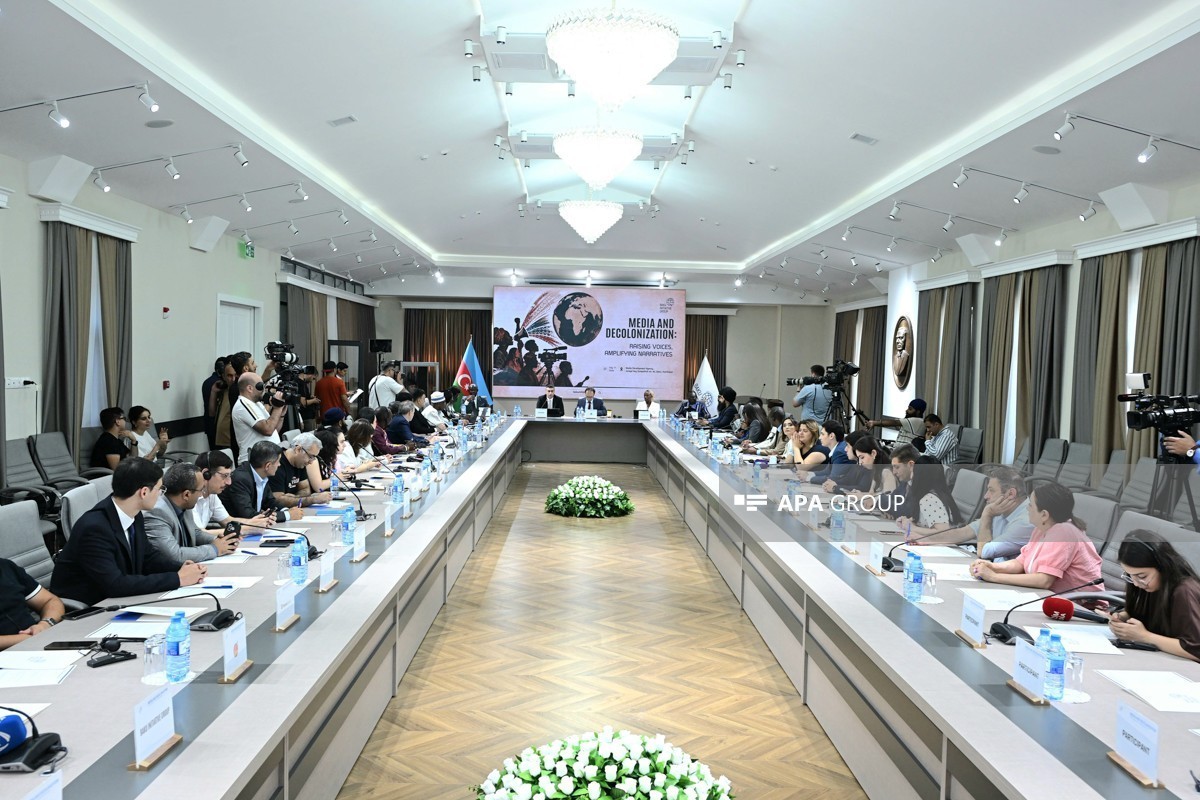
International conference on media and decolonization held in Baku - PHOTO
13:35
 11 July 2026
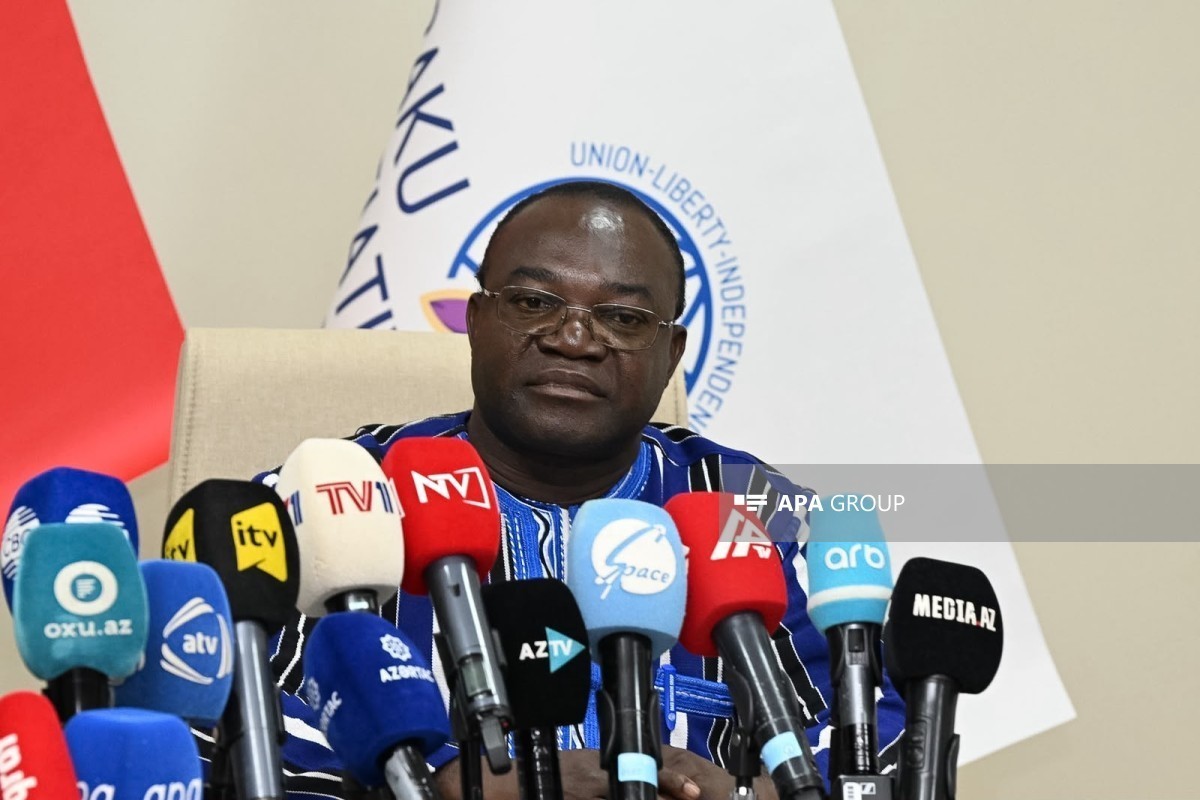
Burkina Faso official: Memorandum with BTG marks start of long-term cooperation
13:19
11 July 2026
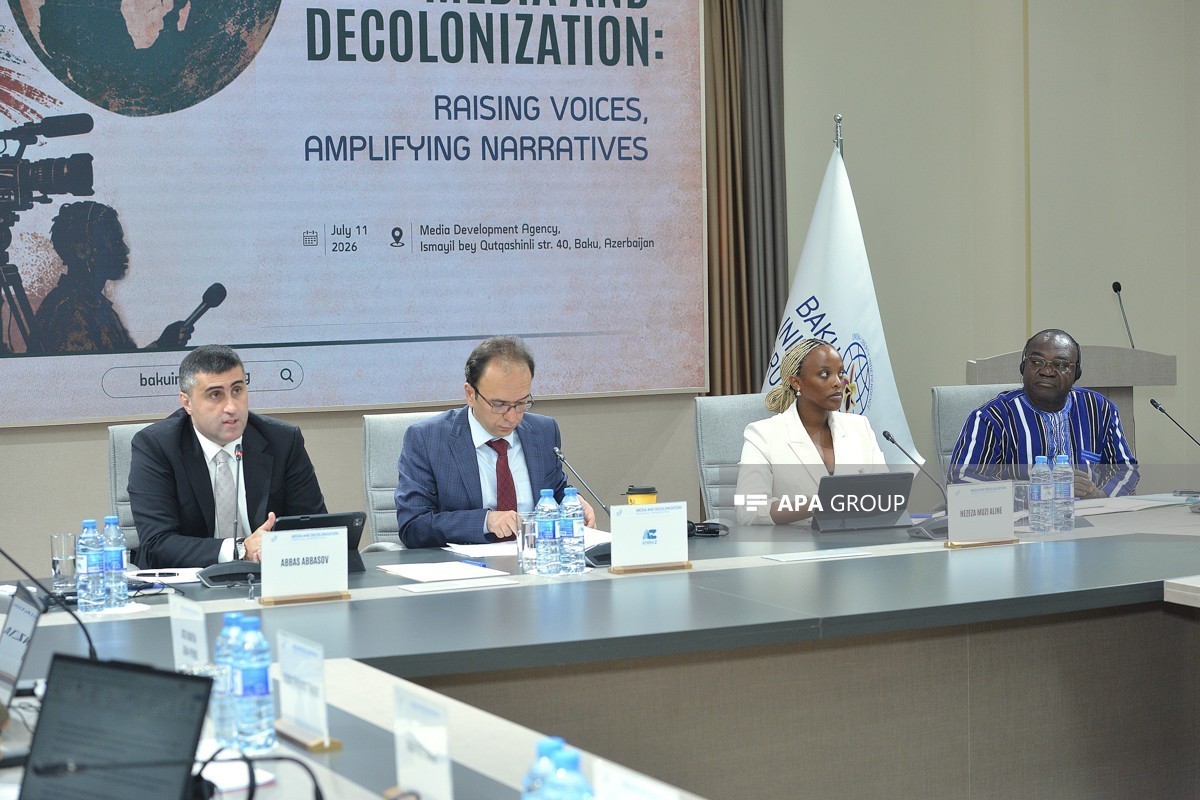
BTG signs first cooperation deal with foreign state institution
13:13
11 July 2026
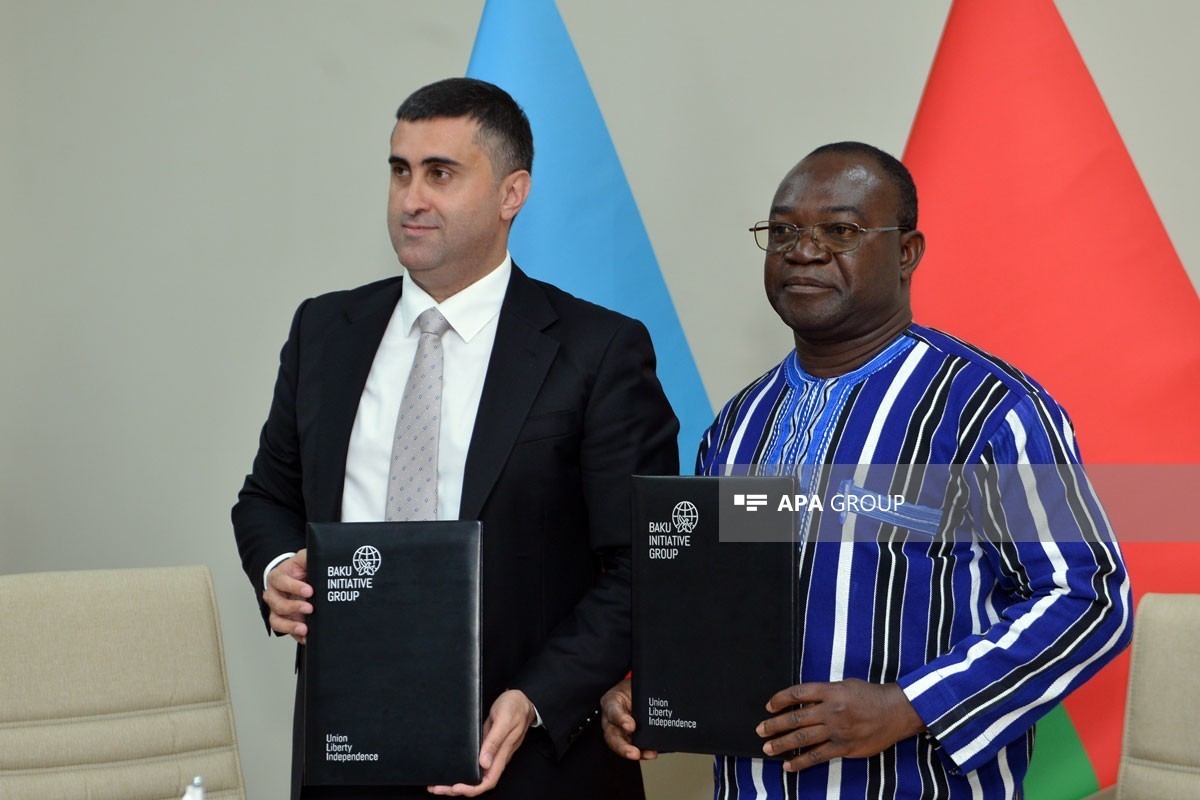 PHOTO'>
BTG signs memorandum with Burkina Faso Foreign Ministry's research institute - PHOTO
12:54
11 July 2026

NEWS FEED
Explosions heard near Bandar Abbas and Qeshm
20:34
12 July 2026
Infantino: The number of participants in the World Cup could be 64
20:05
12 July 2026
Iran expands attacks on Gulf countries, Strait of Hormuz closed
19:25
12 July 2026
Visit of the participants of the IV Shusha Global Media Forum to Karabakh has begun-PHOTO
18:55
12 July 2026
President Ilham Aliyev extends condolences to Amir of Qatar
16:17
12 July 2026
Why did Israel stop its initiative to recognize the Armenian genocide?
12:54
12 July 2026
IRGC: Second ship violating rules in the Strait of Hormuz hit
11:45
12 July 2026
Iran launches missile and drone attacks on Gulf countries in response to US attack-UPDATED
11:08
12 July 2026
CENTCOM: Third airstrike of the week against Iran completes, 140 military targets hit-UPDATED
08:19
12 July 2026
Bus overturn in Azerbaijan leaves more than 30 injured-PHOTO-UPDATED
07:40
12 July 2026
Toronto active shooter incident leaves 5 people injured, 2 dead, police say
07:36
12 July 2026
Report: Ukraine's air defences struggling to intercept Russia's latest attacks
06:25
12 July 2026
Iran declares Strait of Hormuz closed after firing warning shot at vessel
03:23
Audio
12 July 2026
Cuba's President calls US threat due to the island's energy collapse
02:48
12 July 2026
Guardian: Europe may agree to pay Hormuz toll
02:14
12 July 2026
US military officials discuss plan in Beirut to deploy the Lebanese army to “pilot zones”
02:00
12 July 2026
Oman proposes new Hormuz traffic plan as Trump sets deadline for Iran deal
01:50
12 July 2026
Death toll from Venezuela earthquake rises to 4,333
01:24
12 July 2026
No US officials attending consultations on Iran in Oman
00:14
12 July 2026
Six years pass since Tovuz battles
00:00
12 July 2026
Araghchi discusses Strait of Hormuz, diplomatic efforts with Omani foreign minister
23:30
11 July 2026
Trump claims he 'aced' his latest cognitive test
22:35
11 July 2026
Noskova beats Muchova, takes Wimbledon title
22:17
11 July 2026
Israeli Air Force attacks Hezbollah stronghold in Al-Mansouri in southern Lebanon
21:16
11 July 2026
President Ilham Aliyev’s social media accounts shared post on his meeting with residents of Guzeykhirman and Guneykhirman villages of Khojavend
20:56
11 July 2026
Rubio: Trump and I want better future for Cuba
20:44
11 July 2026
President Ilham Aliyev visited Guzeykhirman village in Khojavend district-UPDATED
20:15
11 July 2026
President: Every time I visit Garabagh and East Zangezur and see this beautiful development, my heart rejoices
19:54
11 July 2026
President of Azerbaijan: Our state is strong, our Army is strong, our will is firm
19:52
11 July 2026
President Ilham Aliyev: For the past 5-6 years, our people have rightfully lived with a sense of pride
19:50
11 July 2026
President: Every time former displaced persons return to their ancestral lands, it is a celebration for all of us
19:48
11 July 2026
Russian strikes on Sumy kill 5, including child, injure 30 - UPDATED
19:34
11 July 2026
President Ilham Aliyev attended opening of Khankendi Hotel - PHOTO
18:02
11 July 2026
President Ilham Aliyev’s social media accounts shared video from Kichik Galaderesi village in Shusha
17:39
11 July 2026
Historic oil pumping station in Kurdamir may be added to cultural heritage list
16:37
11 July 2026
President Ilham Aliyev reviewed new buildings of “Yasaman” Hotel in Shusha
16:02
11 July 2026
President Ilham Aliyev reviewed progress under public-private partnership project on Garabagh Street in Shusha
15:32
11 July 2026
Iran's Supreme Leader pledges revenge for Ali Khamenei's death, says people worldwide will help
15:22
11 July 2026
Sadigjan House opened after restoration in Shusha
15:10
11 July 2026
Russia launched a missile strike on Odesa - two dead, one wounded
14:32
11 July 2026
Boat carrying tourists capsizes off Vietnam's Phu Quoc island, killing 15
14:29
11 July 2026
President Ilham Aliyev inspected restoration works in Shusha’s Kichik Galaderesi village and met with returning residents - PHOTO
14:06
11 July 2026
International conference on media and decolonization held in Baku - PHOTO
13:35
11 July 2026
Burkina Faso official: Memorandum with BTG marks start of long-term cooperation
13:19
11 July 2026
China evacuates over one million as Typhoon Bavi nears
13:16
11 July 2026
BTG signs first cooperation deal with foreign state institution
13:13
11 July 2026
Russian strikes on Kharkiv and Zaporizhzhia leave dead and injured
13:08
11 July 2026
BTG signs memorandum with Burkina Faso Foreign Ministry's research institute - PHOTO
12:54
11 July 2026
Qatari mediators visit Iran to ease tensions
12:51
11 July 2026
Romania says five sea drones neutralized in Black Sea
12:43
11 July 2026


