










APA Washington DC correspondent’s interview with Ivan Katchanovski, US analyst on South Caucasus, a professor at the School of Political Studies and the Conflict Studies and Human Rights Program at the University of Ottawa
- How do you estimate Nagorno-Karabakh conflict negotiations in 2010? What are the prospects of resolving the Nagorno-Karabakh issue today?
- I am sceptical about prospects of a viable settlement which would satisfy Azerbaijani and Armenian sides of the conflict and such major powers as the US and Russia, in the near future. There are fundamental differences, which are rooted in histories and worldviews of Azeris and Armenians, that would be difficult to reconcile. In addition, the Kosovo independence precedent and the South Ossetian and Abkhazian precedents make it more difficult to settle the issue of Nagorno-Karabakh within the old internationally recognized borders. A use of a military option by Azerbaijan is also not likely to resolve the conflict.
- How do you see the role of the media in describing the negotiations processes?
- There is a saying that truth is the first casualty of the war. Media in many countries involved in a conflict often sides with their governments and fails to provide a balanced picture. Because media influences public opinion, such biased information can deepen conflicts and complicate their resolution. But media in other countries, such as the United States, can also play an important role. For instance, during the Russian-Georgian war, the US media gave a very one-sided and biased coverage of this conflict. Most of the US media ignored or minimized the fact, which was confirmed by a EU special commission report and by Wikileaks disclosures, that Georgia started the war by launching an attack on South Ossetia and Russian peacekeepers there, and by painting Russia as an aggressor bending on occupation of Georgia. In contrast to the war over South Ossetia and many other violent conflicts, such as Iraq, Afghanistan, Israel, Chechnya, Kosovo, and Sudan, there is relatively little coverage of the Nagorno-Karabakh conflict and Azerbaijan, in general, in Western media. My study of the coverage of post-communist countries by evening news programs of three main American TV networks (ABC, CBS, and NBC) shows that only one short segment was devoted to the Nagorno-Karabakh conflict out of 17 stories dealing with Azerbaijan over the period from 1998 to 2009. Oil was much more important topic of the US TV reporting concerning Azerbaijan. Only two very brief news reports concerning the Azerbaijan were broadcast in the last six years by the US networks. CTV, the leading private TV network in Canada, had no news reports at all concerning Azerbaijan during 1998-2009 in its evening news programs. The lack of media attention helps to keep the Nagorno-Karabakh issue from the foreign policy agenda of Western powers, and it helps make countries, such as Azerbaijan, a terra incognita for the people in the West. For instance, several prime-time US TV news reports about visit of US Secretary of Defence Donald Rumsfeld to the region soon after September 11, 2001 referred to Azerbaijan, Armenia, and Georgia as “Central Asiaâ€.
Analyst Ivan Katchanovski: Only one short segment was devoted to the Nagorno-Karabakh conflict out of 17 stories dealing with Azerbaijan covered by three main American TV networks over the period from 1998 to 2009

 24 December 2010 14:39 (UTC +04:00)


 İDMAN XƏBƏR
 Follow us on Telegram
 t.me/apanewsaz
 Follow us on Instagram
 Follow us on TikTok
 Follow us on Facebook
 Follow us on X
Foreign
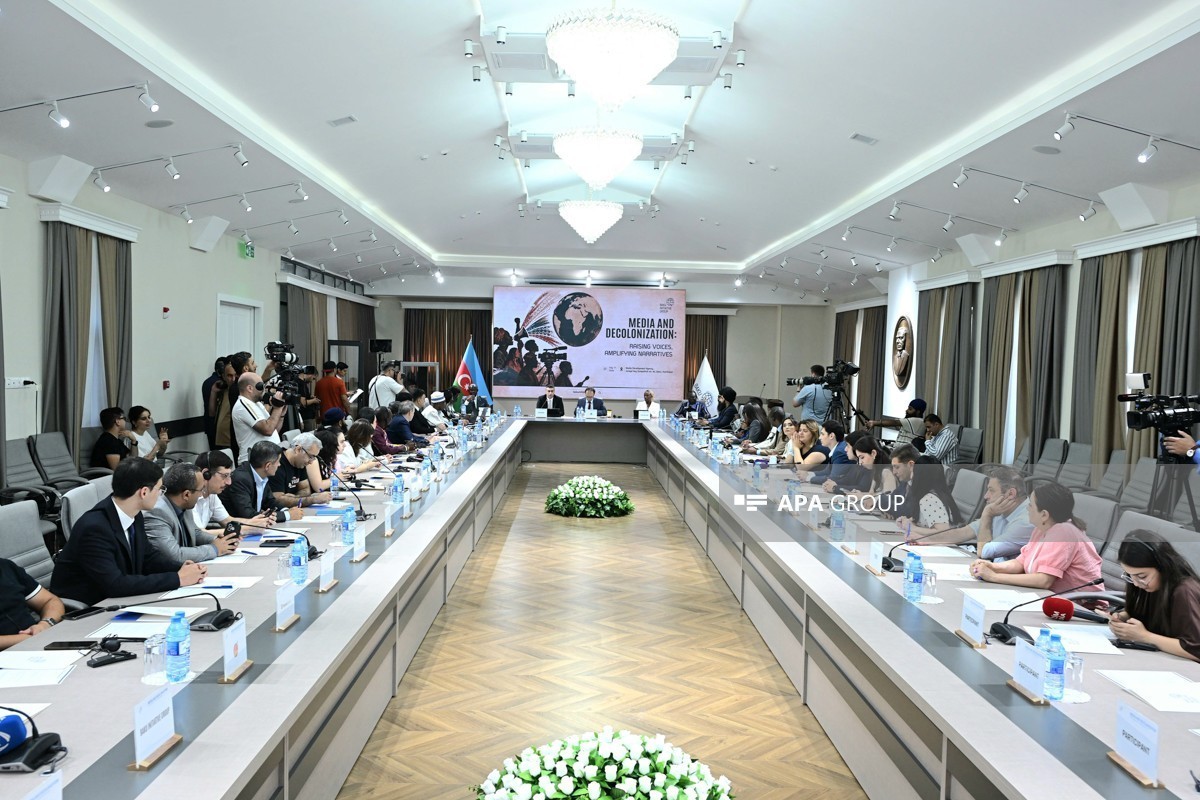
International conference on media and decolonization held in Baku - PHOTO
13:35
 11 July 2026
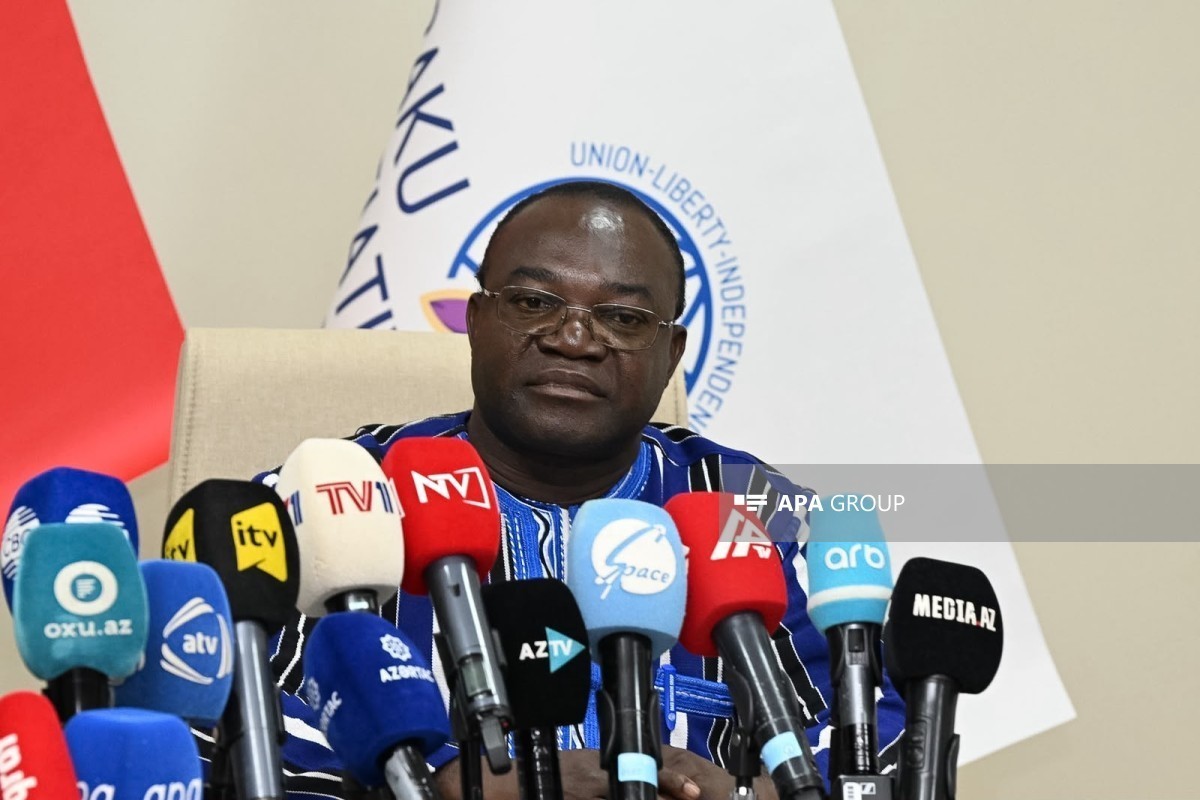
Burkina Faso official: Memorandum with BTG marks start of long-term cooperation
13:19
11 July 2026
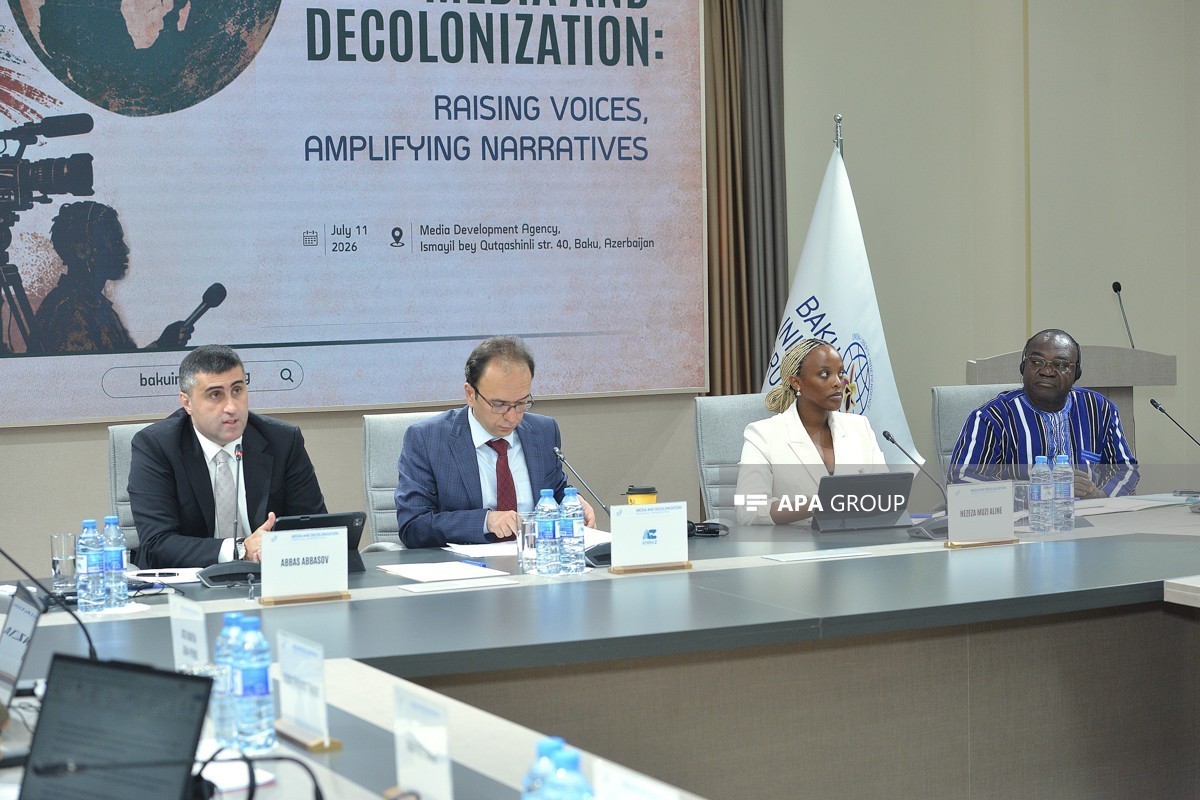
BTG signs first cooperation deal with foreign state institution
13:13
11 July 2026
 PHOTO'>
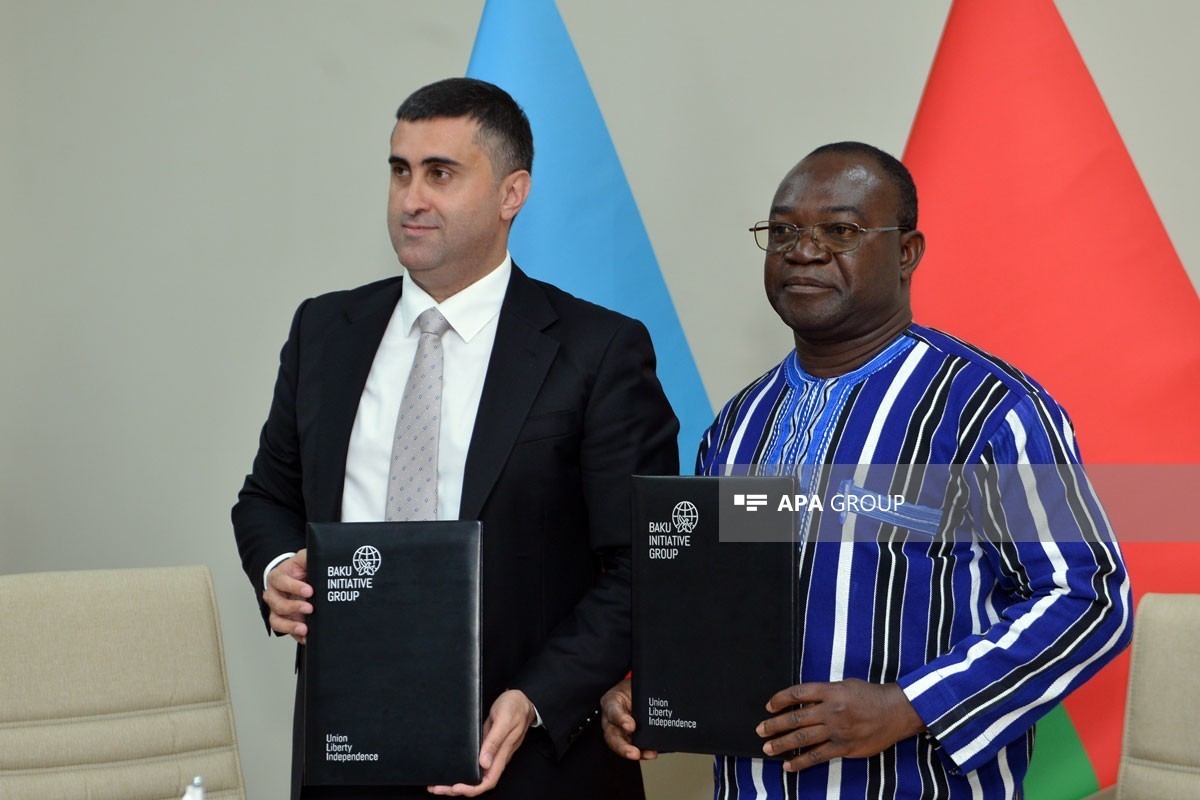
BTG signs memorandum with Burkina Faso Foreign Ministry's research institute - PHOTO
12:54
11 July 2026

NEWS FEED
Infantino: The number of participants in the World Cup could be 64
20:05
12 July 2026
Iran expands attacks on Gulf countries, Strait of Hormuz closed
19:25
12 July 2026
Visit of the participants of the IV Shusha Global Media Forum to Karabakh has begun-PHOTO
18:55
12 July 2026
President Ilham Aliyev extends condolences to Amir of Qatar
16:17
12 July 2026
Why did Israel stop its initiative to recognize the Armenian genocide?
12:54
12 July 2026
IRGC: Second ship violating rules in the Strait of Hormuz hit
11:45
12 July 2026
Iran launches missile and drone attacks on Gulf countries in response to US attack-UPDATED
11:08
12 July 2026
CENTCOM: Third airstrike of the week against Iran completes, 140 military targets hit-UPDATED
08:19
12 July 2026
Bus overturn in Azerbaijan leaves more than 30 injured-PHOTO-UPDATED
07:40
12 July 2026
Toronto active shooter incident leaves 5 people injured, 2 dead, police say
07:36
12 July 2026
Report: Ukraine's air defences struggling to intercept Russia's latest attacks
06:25
12 July 2026
Iran declares Strait of Hormuz closed after firing warning shot at vessel
03:23
Audio
12 July 2026
Cuba's President calls US threat due to the island's energy collapse
02:48
12 July 2026
Guardian: Europe may agree to pay Hormuz toll
02:14
12 July 2026
US military officials discuss plan in Beirut to deploy the Lebanese army to “pilot zones”
02:00
12 July 2026
Oman proposes new Hormuz traffic plan as Trump sets deadline for Iran deal
01:50
12 July 2026
Death toll from Venezuela earthquake rises to 4,333
01:24
12 July 2026
No US officials attending consultations on Iran in Oman
00:14
12 July 2026
Six years pass since Tovuz battles
00:00
12 July 2026
Araghchi discusses Strait of Hormuz, diplomatic efforts with Omani foreign minister
23:30
11 July 2026
Trump claims he 'aced' his latest cognitive test
22:35
11 July 2026
Noskova beats Muchova, takes Wimbledon title
22:17
11 July 2026
Israeli Air Force attacks Hezbollah stronghold in Al-Mansouri in southern Lebanon
21:16
11 July 2026
President Ilham Aliyev’s social media accounts shared post on his meeting with residents of Guzeykhirman and Guneykhirman villages of Khojavend
20:56
11 July 2026
Rubio: Trump and I want better future for Cuba
20:44
11 July 2026
President Ilham Aliyev visited Guzeykhirman village in Khojavend district-UPDATED
20:15
11 July 2026
President: Every time I visit Garabagh and East Zangezur and see this beautiful development, my heart rejoices
19:54
11 July 2026
President of Azerbaijan: Our state is strong, our Army is strong, our will is firm
19:52
11 July 2026
President Ilham Aliyev: For the past 5-6 years, our people have rightfully lived with a sense of pride
19:50
11 July 2026
President: Every time former displaced persons return to their ancestral lands, it is a celebration for all of us
19:48
11 July 2026
Russian strikes on Sumy kill 5, including child, injure 30 - UPDATED
19:34
11 July 2026
President Ilham Aliyev attended opening of Khankendi Hotel - PHOTO
18:02
11 July 2026
President Ilham Aliyev’s social media accounts shared video from Kichik Galaderesi village in Shusha
17:39
11 July 2026
Historic oil pumping station in Kurdamir may be added to cultural heritage list
16:37
11 July 2026
President Ilham Aliyev reviewed new buildings of “Yasaman” Hotel in Shusha
16:02
11 July 2026
President Ilham Aliyev reviewed progress under public-private partnership project on Garabagh Street in Shusha
15:32
11 July 2026
Iran's Supreme Leader pledges revenge for Ali Khamenei's death, says people worldwide will help
15:22
11 July 2026
Sadigjan House opened after restoration in Shusha
15:10
11 July 2026
Russia launched a missile strike on Odesa - two dead, one wounded
14:32
11 July 2026
Boat carrying tourists capsizes off Vietnam's Phu Quoc island, killing 15
14:29
11 July 2026
President Ilham Aliyev inspected restoration works in Shusha’s Kichik Galaderesi village and met with returning residents - PHOTO
14:06
11 July 2026
International conference on media and decolonization held in Baku - PHOTO
13:35
11 July 2026
Burkina Faso official: Memorandum with BTG marks start of long-term cooperation
13:19
11 July 2026
China evacuates over one million as Typhoon Bavi nears
13:16
11 July 2026
BTG signs first cooperation deal with foreign state institution
13:13
11 July 2026
Russian strikes on Kharkiv and Zaporizhzhia leave dead and injured
13:08
11 July 2026
BTG signs memorandum with Burkina Faso Foreign Ministry's research institute - PHOTO
12:54
11 July 2026
Qatari mediators visit Iran to ease tensions
12:51
11 July 2026
Romania says five sea drones neutralized in Black Sea
12:43
11 July 2026
Azerbaijani oil trades at $77.91
12:17
11 July 2026


