










- Why Moldova couldn’t hold the Constitutional referendum and how the country will solve the political crisis?
- The referendum didn’t take place in view of low turnout of the voters. According to the national legislation, there is a turnout barrier in Moldova. The practice of other countries shows that just active part of the population goes to vote, but passive part is characteristic in any contemporary society. Despite that 80 percent of the voters supported the amendments, but there were no results. Absence of the voters doesn’t mean that they protest the amendments. The people get tired of the political disputes in the county. A weak campaign also caused a low turnout of the voters. Pre-referendum opinion polls showed that 70-80 percent of the population supported the Constitutional amendments. It calmed down the political class and they didn’t make maximum efforts to call the people to vote.
We think to solve the crisis through the current Constitution. The parliament will be dissolved and new elections will be held in the country. We are looking forward to elect the president at the new parliament. The new president can be from one of the political parties represented at the parliament or can be a well-known person considering failure of previous parliaments to elect the president. It needs to propose a compromise figure supported by both rightists and leftists to solve the political crisis in Moldova.
- Does Moldova have NATO and EU membership plans? Some European experts consider Moldova as a real candidate to these organizations arguing double Romanian and Moldovan citizenship of the most part of the population alongside with other factors.
- Not most Moldovan people are Romanian citizens. There are several ethnic minorities in Moldova, which received citizenship of the countries they represented. Moldovan people don’t get a Romanian citizenship, but they restore it. According the citizenship law of Moldova, mostly people lived in the Kingdom of Romania, their children and grandchildren are considered as the country’s citizens. In 1940, USSR annexed Bessarabia, a territory of the Kingdom of Romania, deployed its troops there and later Moldavia SSR was established in that territory. The people lived in Bessarabia have a right to restore their citizenship. When USSR deployed its troops and automatically turned the people into USSR citizens, it didn’t ask the people’s opinion.
Regarding the NATO and EU membership, Moldova has a chance of integration. These issues are the priorities of domestic and foreign policies of the Alliance for Integration into Europe, which organized the current government of Moldova. All political forces in Moldova have a united position on the issue of EU membership, but they have different ways of integration. The current government has done much work toward this as distinct from the previous government, which was in power for eight years. Two-round negotiations were conducted on EU associative membership and liberalization of visa regime. 80 percent of the population supports the EU membership.
There is a different situation with the NATO membership. According to the Constitution, NATO is a neutral country, but it has an unresolved conflict and foreign military forces in its territory. We included the principle of neutrality in the Constitution to solve the - -Transnistrian problem. Unfortunately, the negotiations held since early 1990s didn’t help to withdraw foreign troops. A country with the principle of neutrality can not raise an issue of NATO membership. It can be solved only through the referendum. If political forces with NATO aspirations come to power, they have to put this issue to national vote. There are people challenging the country’s neutrality because of foreign troops there. The question is about the former 14th army, current restricted contingent of the Russian troops in Transnistria. We raised this issue in the OSCE summit in Istanbul in 1999. In that time, Russia undertook to withdraw troops in two years, but we couldn’t achieve it. They say that Transnistrian population is against the withdrawal of Russian troops. By the way unrecognized “Transnistrian republic†marked its 20 years of anniversary in a grandiose military parade recently. They demonstrated tanks in that parade, while Moldova has no such armored fighting vehicles. How they can get those vehicles?
- Moldovan army has no tanks?
- When we founded our army we had no occupation intentions. We have armored techniques, but we have no heavy armored vehicles, may be because of no financial resources. It confirms our neutral status, because tank is a fighting vehicle used in offensive operations, but our defense doctrine has no aggressive character. As a state institution, our army has a defensive function, but not offensive.
- Was Transnistrian territory a part of the Kingdom of Romania?
- No, it wasn’t. In 1924, Moldavian Autonomous Republic was founded within the Ukraine SSR. There were 11 regions and it was six times larger than current territory. It has different capitals. This autonomous republic was established artificially to create precedent in the Bessarabia issue. A little part of the Transnistrian territory was united with the Moldavia SSR when it was established in 1940. This was territorial distribution of the Stalin’s period. It aimed to create a conflict fireplace not to give a chance to these countries to restore their independences.
- Do Moldova and Romania have a chance to be united in the future?
- No. Sometimes they raise this issue to threaten the Russian-speaking population. This issue is not a priority in Moldova or in Romania. Some political forces raised this issue during the period of contemporary Moldova to make non-local people their supporters. This issue was a part of Communist Party’s campaign during the last referendum. It was felt in Gagauzia where your ethic brothers live. They told them if you went to referendum Moldova would be united with Romania. We want to join the European Union and in this regard, we will e united not only with Romania, but also with 27 members of the European Union. Everyone knows that only Romania from the EU members has borders with Moldova, but some political forces claim that we aspire to the European Union, but we are against Romania. Nevertheless we have no other gates to Europe except Romania and pragmatic people with healthy views understand that way to Europe passes through Romania.
- Do you have intentions to raise the Transnistrian issue in the United Nations within the GUAM initiative for the protracted conflicts?
- We have not raised and will not raise this issue at the UN. We have got a special format called 5+2. It includes the European Union, US, OSCE, Russia and Ukraine, like guaranteeing powers, which have their minorities in Transnistria, and parties to the conflict Moldova and Transnistria.
I would like to note that when the issue on Georgia was discussed at the UN, Moldova supported it. As regards Azerbaijan, we always support Azerbaijan’s efforts to solve its problem of territorial integrity. There can not be a double approach here. Moldova has always supported and will support Azerbaijan’s territorial integrity, Azerbaijan’s efforts aiming to solve the Nagorno Karabakh conflict peacefully and get back the occupied territories. Azerbaijan is also supporting Moldova concerning our conflict.
- Moldova has several times stated that GUAM has no prospects. What do you think of this organization?
- These were irresponsible statements issued by our previous leadership. These statements were issued in favor of the third countries hating GUAM, not in favor of Moldova. I consider that this organization has prospects, it has potential. This potential has not developed completely yet, it is on the initial stage. GUAM has got great potential for cooperation in the field of energy and transport. Our countries are located on the traffic arteries of the Caucasus, Europe and Asia. Humanitarian cooperation has also got potential, programs on the youth, sport and tourism are being implemented. The US, Japan, Poland and Czech Republic take interest in this organization. GUAM is not against anyone. Energy cooperation is a priority. All our countries, except Azerbaijan are dependent in terms of energy. Azerbaijan can be energy supplier for them. The other countries like Georgia can solve their energy problems at the cost of Azerbaijan.
- Has the political crisis in Moldova influenced the relations with Azerbaijan?
- This is an internal crisis, our relations must not be damaged by this. They have traditionally, friendly character. We do not have discord, moreover we have a very good cooperation on the level of political leaders. There has not been mutual visits, because of the unrests in Moldova, but there is support in the international organizations, on the level of foreign ministries, especially in the UN, OSCE and GUAM. We do not have any political problem, but the situation in Moldova influenced the dynamics of our relations. We hope it will be prevented, after the parliamentary elections in November our relations will return to the normal tempo, normal direction and our cooperation will develop in all spheres.
- What spheres of cooperation are considered priorities between our countries?
- There is a legal basis for cooperation between our countries in any sphere. In 2008 a document was signed on energy cooperation, but unfortunately it does not work yet. The political situation influences the economic relations and implementation of the adopted documents. But Moldova is interested in cooperating with Azerbaijan. Stability is very important for good economic relations. There is no trade, where there is no stability. We are waiting for the period of political stability to realize economic cooperation and trade and energy projects.
- What is the level of the trade turnover between Azerbaijan and Moldova?
- Reduction is observed in the trade turnover, this is connected with the economic crisis in the world. Trade indicators have fallen more than twice. I do not know the statistics for today, but I know that we can not boast. Azerbaijan is an important commercial, economic partner of Moldova, dynamics has always been observed in our commercial relations. Mutual trade must develop. Unfortunately, Moldovan products are rarely found in Baku. But these products had been here, local consumers know and like them.
- Azerbaijan, Georgia and Romania have recently signed AGRI gas-transport project. Hungary is also interested in this project. May Moldova join this project?
- Of course. Moldova is a country fully dependent on foreign energy factor. We import all that is connected with oil and gas. Therefore, diversification of these products is one of the priorities of our government. As regards AGRI project, Moldova has an opportunity of exchanging with Romania’s gas network. Moldova is interested in this project, we will wait for its implementation. The contract has been signed recently, it is expected to be signed in 2011-2012.
Moldovan ambassador to Azerbaijan: We always support Azerbaijan’s efforts to solve its problem of territorial integrity – INTERVIEW

 17 September 2010 10:33 (UTC +04:00)


 İDMAN XƏBƏR
 Follow us on Telegram
 t.me/apanewsaz
 Follow us on Instagram
 Follow us on TikTok
 Follow us on Facebook
 Follow us on X
Foreign
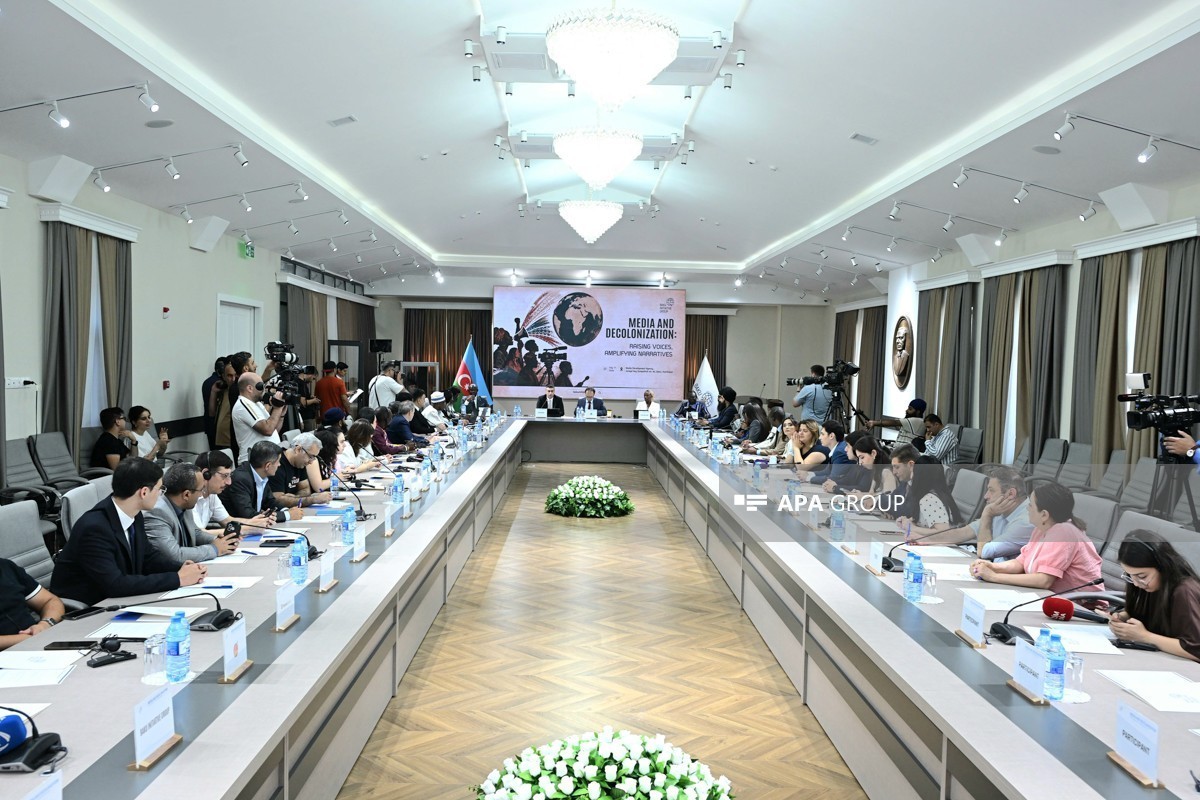
International conference on media and decolonization held in Baku - PHOTO
13:35
 11 July 2026
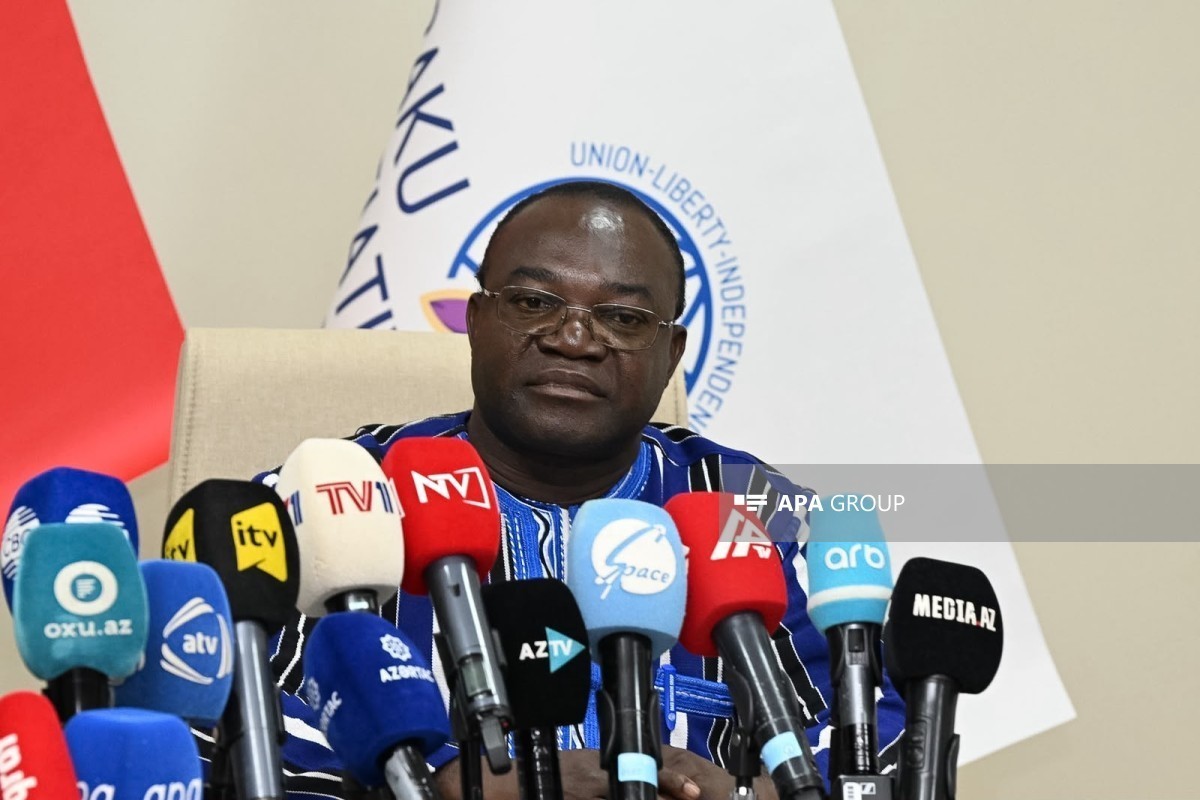
Burkina Faso official: Memorandum with BTG marks start of long-term cooperation
13:19
11 July 2026
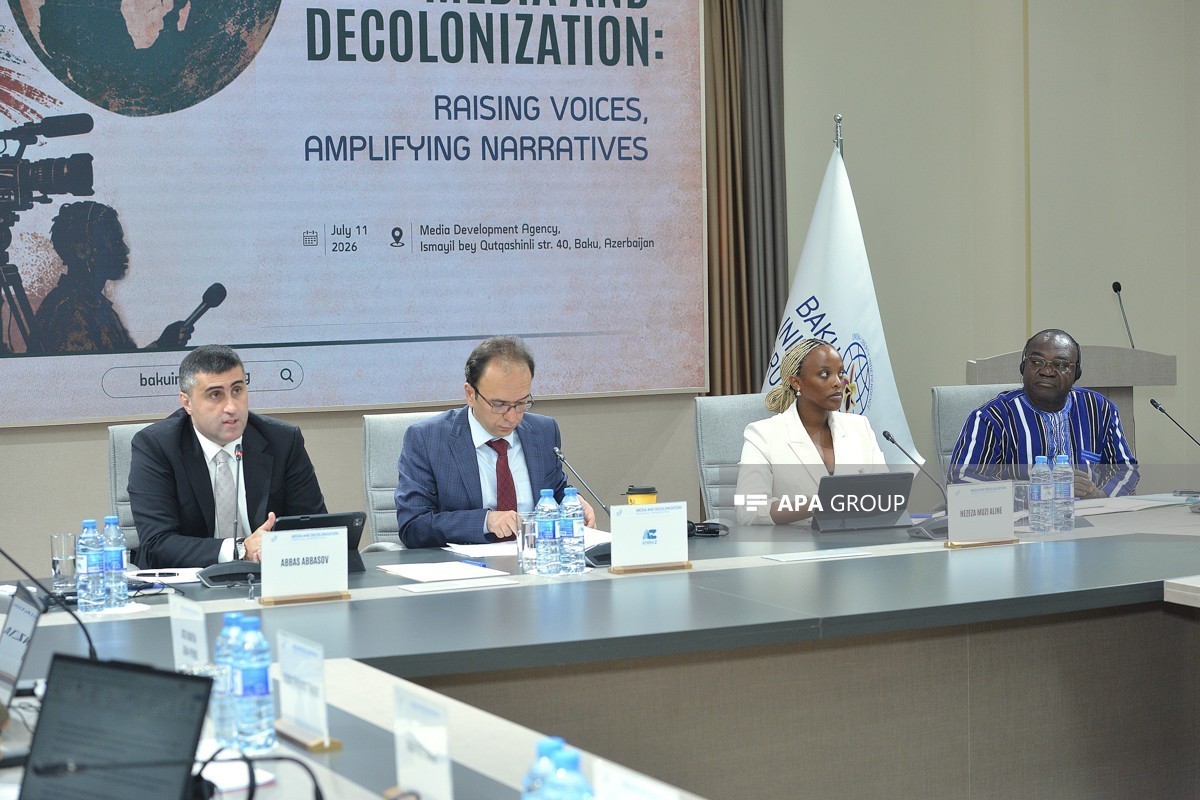
BTG signs first cooperation deal with foreign state institution
13:13
11 July 2026
 PHOTO'>
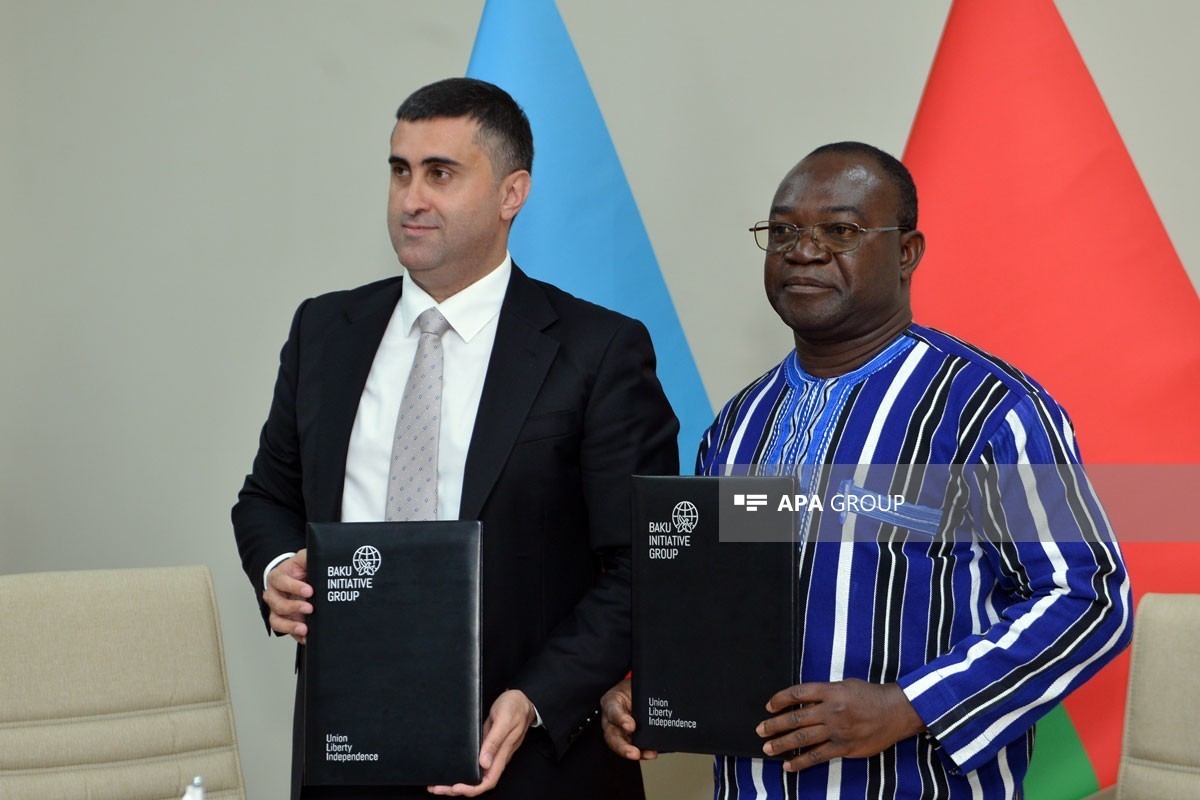
BTG signs memorandum with Burkina Faso Foreign Ministry's research institute - PHOTO
12:54
11 July 2026

NEWS FEED
Iran declares Strait of Hormuz closed after firing warning shot at vessel
03:23
Audio
12 July 2026
Cuba's President calls US threat due to the island's energy collapse
02:48
12 July 2026
Guardian: Europe may agree to pay Hormuz toll
02:14
12 July 2026
US military officials discuss plan in Beirut to deploy the Lebanese army to “pilot zones”
02:00
12 July 2026
Oman proposes new Hormuz traffic plan as Trump sets deadline for Iran deal
01:50
12 July 2026
Death toll from Venezuela earthquake rises to 4,333
01:24
12 July 2026
No US officials attending consultations on Iran in Oman
00:14
12 July 2026
Six years pass since Tovuz battles
00:00
12 July 2026
Araghchi discusses Strait of Hormuz, diplomatic efforts with Omani foreign minister
23:30
11 July 2026
Trump claims he 'aced' his latest cognitive test
22:35
11 July 2026
Noskova beats Muchova, takes Wimbledon title
22:17
11 July 2026
Israeli Air Force attacks Hezbollah stronghold in Al-Mansouri in southern Lebanon
21:16
11 July 2026
President Ilham Aliyev’s social media accounts shared post on his meeting with residents of Guzeykhirman and Guneykhirman villages of Khojavend
20:56
11 July 2026
Rubio: Trump and I want better future for Cuba
20:44
11 July 2026
President Ilham Aliyev visited Guzeykhirman village in Khojavend district-UPDATED
20:15
11 July 2026
President: Every time I visit Garabagh and East Zangezur and see this beautiful development, my heart rejoices
19:54
11 July 2026
President of Azerbaijan: Our state is strong, our Army is strong, our will is firm
19:52
11 July 2026
President Ilham Aliyev: For the past 5-6 years, our people have rightfully lived with a sense of pride
19:50
11 July 2026
President: Every time former displaced persons return to their ancestral lands, it is a celebration for all of us
19:48
11 July 2026
Russian strikes on Sumy kill 5, including child, injure 30 - UPDATED
19:34
11 July 2026
President Ilham Aliyev attended opening of Khankendi Hotel - PHOTO
18:02
11 July 2026
President Ilham Aliyev’s social media accounts shared video from Kichik Galaderesi village in Shusha
17:39
11 July 2026
Historic oil pumping station in Kurdamir may be added to cultural heritage list
16:37
11 July 2026
President Ilham Aliyev reviewed new buildings of “Yasaman” Hotel in Shusha
16:02
11 July 2026
President Ilham Aliyev reviewed progress under public-private partnership project on Garabagh Street in Shusha
15:32
11 July 2026
Iran's Supreme Leader pledges revenge for Ali Khamenei's death, says people worldwide will help
15:22
11 July 2026
Sadigjan House opened after restoration in Shusha
15:10
11 July 2026
Russia launched a missile strike on Odesa - two dead, one wounded
14:32
11 July 2026
Boat carrying tourists capsizes off Vietnam's Phu Quoc island, killing 15
14:29
11 July 2026
President Ilham Aliyev inspected restoration works in Shusha’s Kichik Galaderesi village and met with returning residents - PHOTO
14:06
11 July 2026
International conference on media and decolonization held in Baku - PHOTO
13:35
11 July 2026
Burkina Faso official: Memorandum with BTG marks start of long-term cooperation
13:19
11 July 2026
China evacuates over one million as Typhoon Bavi nears
13:16
11 July 2026
BTG signs first cooperation deal with foreign state institution
13:13
11 July 2026
Russian strikes on Kharkiv and Zaporizhzhia leave dead and injured
13:08
11 July 2026
BTG signs memorandum with Burkina Faso Foreign Ministry's research institute - PHOTO
12:54
11 July 2026
Qatari mediators visit Iran to ease tensions
12:51
11 July 2026
Romania says five sea drones neutralized in Black Sea
12:43
11 July 2026
Azerbaijani oil trades at $77.91
12:17
11 July 2026
Ukraine creates new command to intensify long-range strikes against Russia
12:09
11 July 2026
Abbas Abbasov: BTG has succeeded in placing decolonization on the agenda of international organizations
11:47
11 July 2026
Suspect in murder of Azerbaijani citizen detained at Batumi airport, Georgian Interior Ministry says - PHOTO - VIDEO
11:39
11 July 2026
CNN: Iran attempting to restore nuclear facilities
11:31
11 July 2026
Investments in non-oil and gas sector increase by nearly 6% this year
11:29
11 July 2026
Dutch spy agencies: Russia hacked cameras to spy on military routes
11:16
11 July 2026
Azerbaijani President congratulates Mongolian counterpart on National Day
11:12
11 July 2026
Hydroelectric power stations on Hochaz River inaugurated in Lachin
11:06
11 July 2026
Ukraine strikes nearly 28 vessels in Sea of Azov overnight, Russia closes sea access
11:00
11 July 2026
Azerbaijan Defense Minister pays a working visit to Türkiye - PHOTO
10:53
11 July 2026
Trump says thousands of missiles aimed at Iran as US sets Hormuz deadline
10:49
11 July 2026


