










Currently the region’s five countries, which include Kazakhstan, Kyrgyzstan, Tajikistan, Turkmenistan and Uzbekistan, have been spared large-scale terrorist attacks, Miroslav Jenca, UN Secretary- General Ban Ki-moon’s special representative and head of the UN Regional Center for Preventive Diplomacy for Central Asia (UNRCCA), said in a press briefing here.
But various extremist, terrorist and criminal organizations have the potential to intensify their activities due to instability in the wider region and porous borders through which extremism and criminal networks penetrate the region, Jenca said, noting that the launch of the project is "very timely," given the proximity of Afghanistan to the region as well as recent events in Kyrgyzstan and Tajikistan.
"Prevention of terrorism in Central Asia is key not only to protecting the well-being of populations and ensuring national and regional stability, it is also a matter of global concern, given that the wider region is fast becoming the main front on the global war against terror," he said.
A series of expert meetings will be held in the region in the following months to enhance cooperation and international partnership, which should lead to the adoption of a joint plan in 2011.
The UN General Assembly will meet on Wednesday to review the UN global strategy to counter-terrorism for the second time.
That strategy, unanimously adopted by the General Assembly in 2006, focuses on four key pillars of action: tackling the conditions conductive to the spread of terrorism; preventing and combating terrorism; building state capacity and bolstering the role of the UN, and ensuring respect for human rights and the rule of law against the backdrop of the fight against terrorism.
According to Geoffrey Shaw of the International Atomic Energy Agency (IAEA), the current response mechanisms are "well established and robust, but have no room for complacency."
"Systems can always be fine-tuned," Shaw said in the press briefing here on Tuesday.
"We all know that hard power measures alone have not succeeded to stop terrorist attacks. Now it is particularly imperative that the use of force to fight terrorism should be combined with prevent measures to stop potential terrorist recruitment, training and attacks before they happen," said Jean-Paul Laborde, chairman of the Counter-Terrorism Implementation Task Force (CTITF), who was also present at the briefing.
Therefore, Laborde asked member states to double their efforts in implementing the strategy, which consists of measures against the spread of capacity building and soft power measures such as political exclusion, education, interested dialogue, socio- economic marginalization, lack of governance, respect for human rights and preventive diplomacy.
"For the strategy to be implemented successfully it should be well known by all member states in the field which is not the case at this moment," said Laborde, noting that awareness needs to be spread.
"The thread of terrorists getting access to using chemical, biological, nuclear weapons is real and immediate," said Shaw.
On average the IAEA receives a report every two days of a new incident involving improper use of nuclear or radioactive material, Shaw told reporters, pointing out that access to weapons of mass destruction is frightening, because "if they have it, they’ll use it."
UN initiates plan to combat terrorist threads in Central Asia

 08 September 2010 03:28 (UTC +04:00)


 İDMAN XƏBƏR
 Follow us on Telegram
 t.me/apanewsaz
 Follow us on Instagram
 Follow us on TikTok
 Follow us on Facebook
 Follow us on X
Foreign
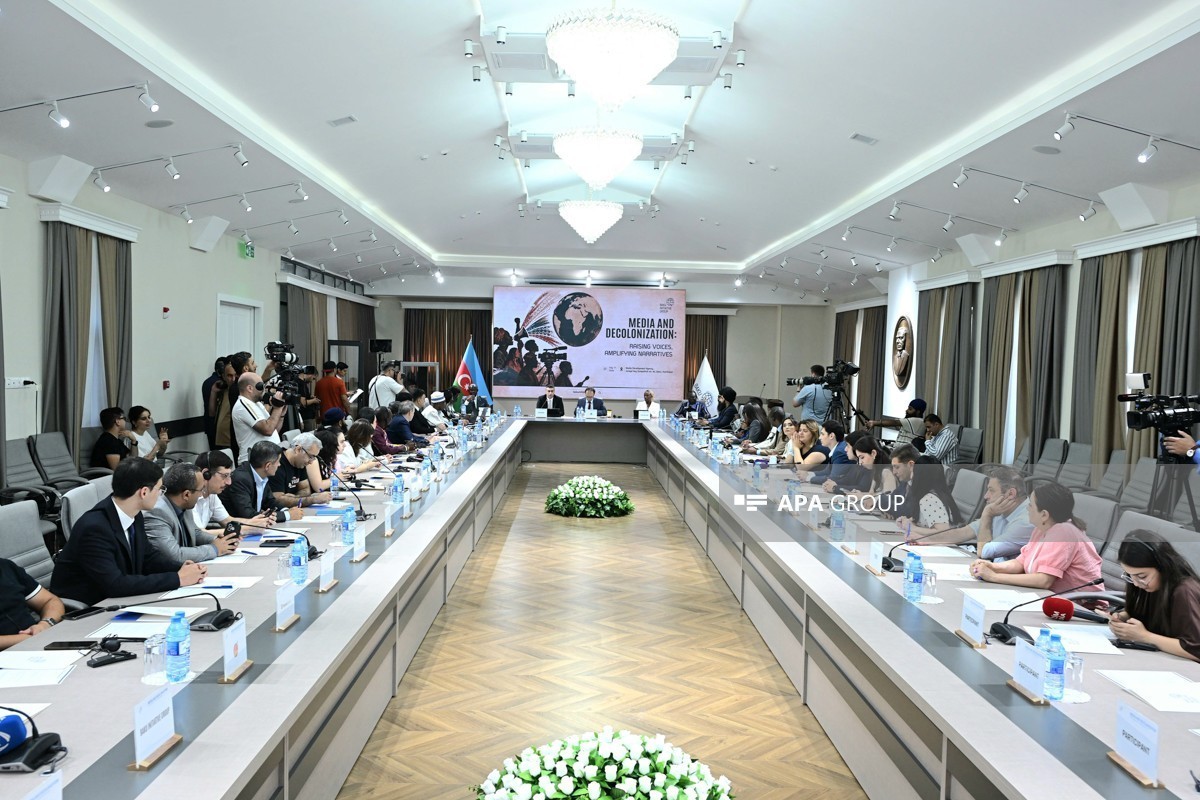
International conference on media and decolonization held in Baku - PHOTO
13:35
 11 July 2026
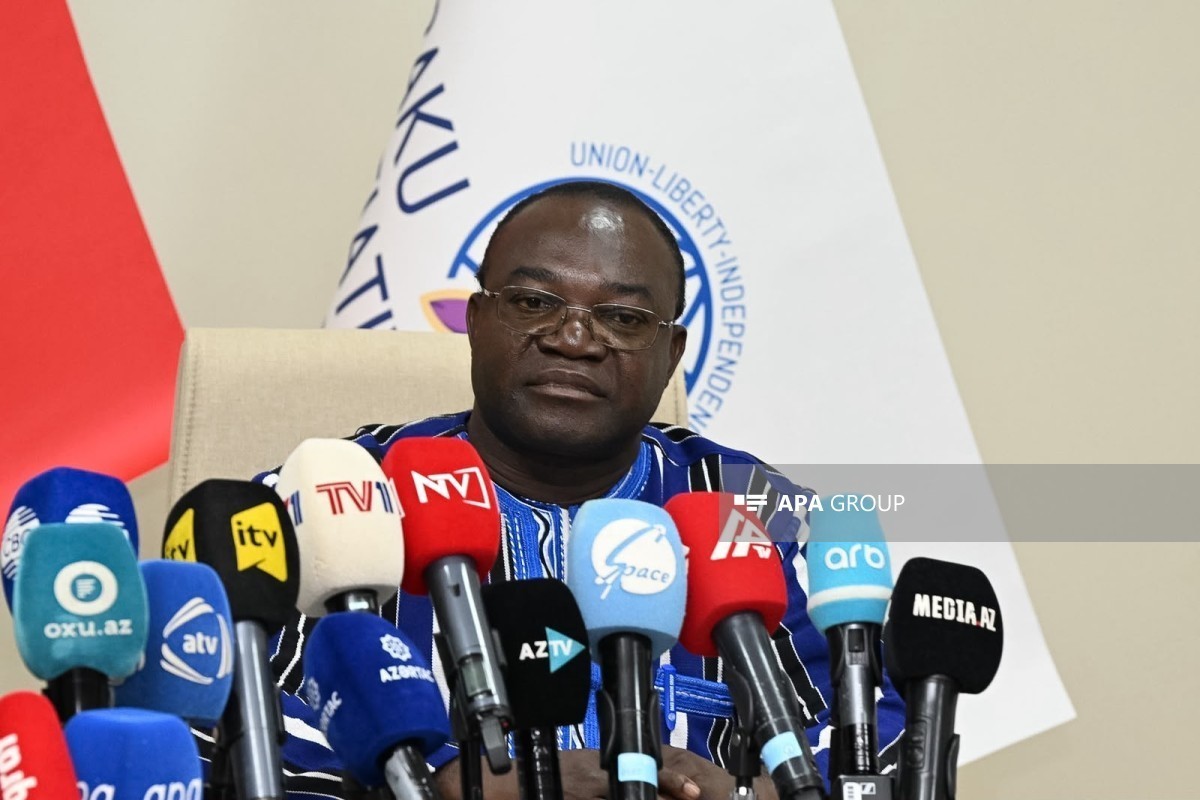
Burkina Faso official: Memorandum with BTG marks start of long-term cooperation
13:19
11 July 2026
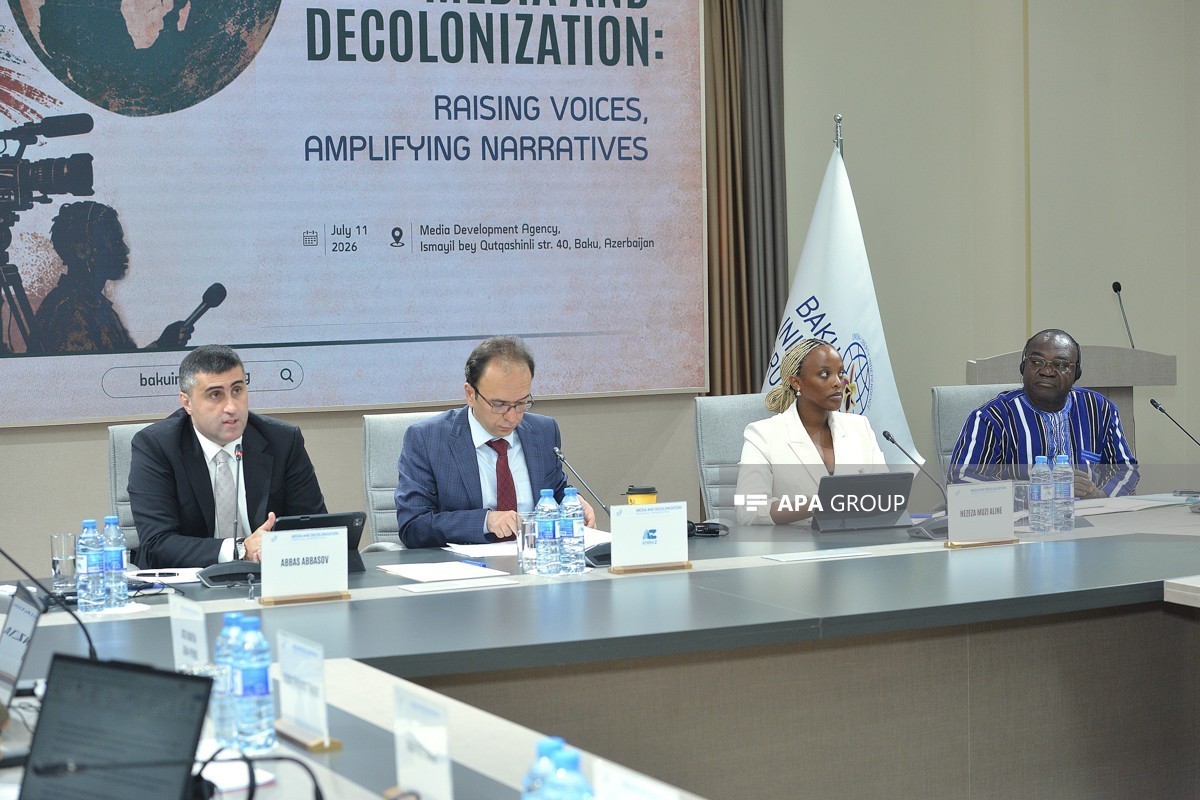
BTG signs first cooperation deal with foreign state institution
13:13
11 July 2026
 PHOTO'>
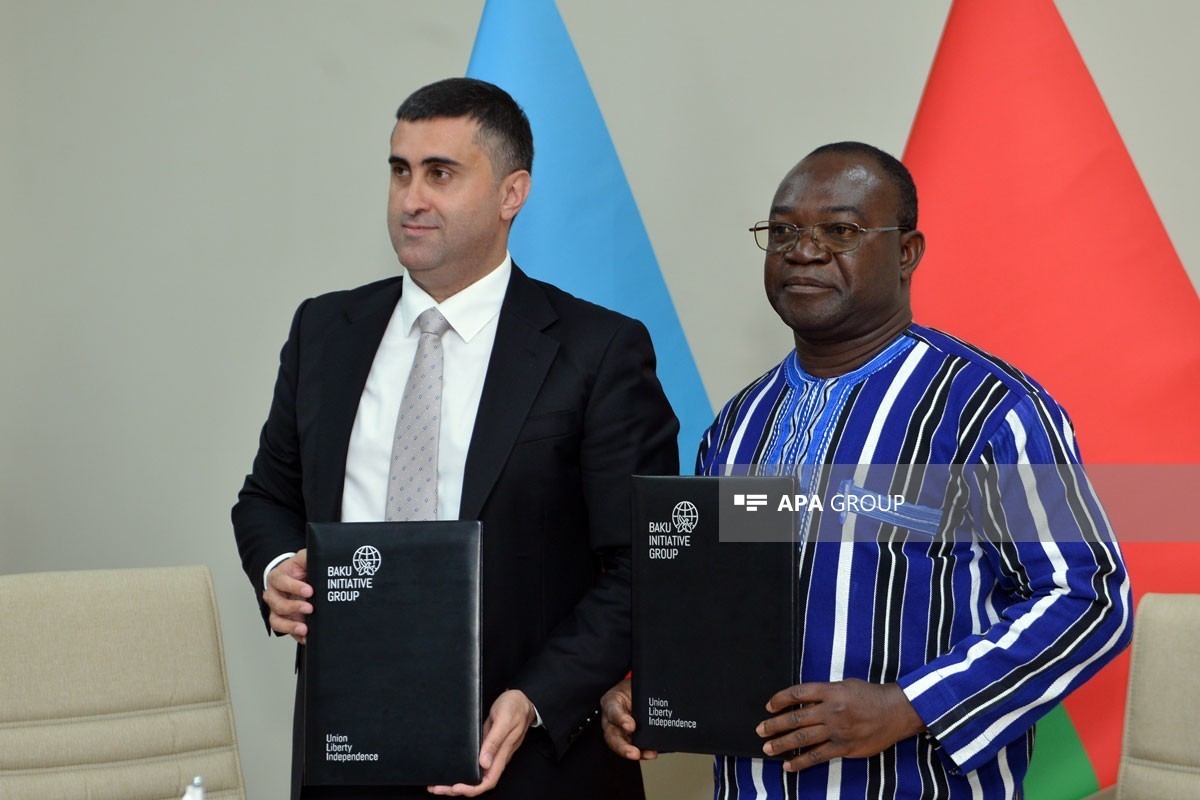
BTG signs memorandum with Burkina Faso Foreign Ministry's research institute - PHOTO
12:54
11 July 2026

NEWS FEED
Iran declares Strait of Hormuz closed after firing warning shot at vessel
03:23
Audio
12 July 2026
Cuba's President calls US threat due to the island's energy collapse
02:48
12 July 2026
Guardian: Europe may agree to pay Hormuz toll
02:14
12 July 2026
US military officials discuss plan in Beirut to deploy the Lebanese army to “pilot zones”
02:00
12 July 2026
Oman proposes new Hormuz traffic plan as Trump sets deadline for Iran deal
01:50
12 July 2026
Death toll from Venezuela earthquake rises to 4,333
01:24
12 July 2026
No US officials attending consultations on Iran in Oman
00:14
12 July 2026
Six years pass since Tovuz battles
00:00
12 July 2026
Araghchi discusses Strait of Hormuz, diplomatic efforts with Omani foreign minister
23:30
11 July 2026
Trump claims he 'aced' his latest cognitive test
22:35
11 July 2026
Noskova beats Muchova, takes Wimbledon title
22:17
11 July 2026
Israeli Air Force attacks Hezbollah stronghold in Al-Mansouri in southern Lebanon
21:16
11 July 2026
President Ilham Aliyev’s social media accounts shared post on his meeting with residents of Guzeykhirman and Guneykhirman villages of Khojavend
20:56
11 July 2026
Rubio: Trump and I want better future for Cuba
20:44
11 July 2026
President Ilham Aliyev visited Guzeykhirman village in Khojavend district-UPDATED
20:15
11 July 2026
President: Every time I visit Garabagh and East Zangezur and see this beautiful development, my heart rejoices
19:54
11 July 2026
President of Azerbaijan: Our state is strong, our Army is strong, our will is firm
19:52
11 July 2026
President Ilham Aliyev: For the past 5-6 years, our people have rightfully lived with a sense of pride
19:50
11 July 2026
President: Every time former displaced persons return to their ancestral lands, it is a celebration for all of us
19:48
11 July 2026
Russian strikes on Sumy kill 5, including child, injure 30 - UPDATED
19:34
11 July 2026
President Ilham Aliyev attended opening of Khankendi Hotel - PHOTO
18:02
11 July 2026
President Ilham Aliyev’s social media accounts shared video from Kichik Galaderesi village in Shusha
17:39
11 July 2026
Historic oil pumping station in Kurdamir may be added to cultural heritage list
16:37
11 July 2026
President Ilham Aliyev reviewed new buildings of “Yasaman” Hotel in Shusha
16:02
11 July 2026
President Ilham Aliyev reviewed progress under public-private partnership project on Garabagh Street in Shusha
15:32
11 July 2026
Iran's Supreme Leader pledges revenge for Ali Khamenei's death, says people worldwide will help
15:22
11 July 2026
Sadigjan House opened after restoration in Shusha
15:10
11 July 2026
Russia launched a missile strike on Odesa - two dead, one wounded
14:32
11 July 2026
Boat carrying tourists capsizes off Vietnam's Phu Quoc island, killing 15
14:29
11 July 2026
President Ilham Aliyev inspected restoration works in Shusha’s Kichik Galaderesi village and met with returning residents - PHOTO
14:06
11 July 2026
International conference on media and decolonization held in Baku - PHOTO
13:35
11 July 2026
Burkina Faso official: Memorandum with BTG marks start of long-term cooperation
13:19
11 July 2026
China evacuates over one million as Typhoon Bavi nears
13:16
11 July 2026
BTG signs first cooperation deal with foreign state institution
13:13
11 July 2026
Russian strikes on Kharkiv and Zaporizhzhia leave dead and injured
13:08
11 July 2026
BTG signs memorandum with Burkina Faso Foreign Ministry's research institute - PHOTO
12:54
11 July 2026
Qatari mediators visit Iran to ease tensions
12:51
11 July 2026
Romania says five sea drones neutralized in Black Sea
12:43
11 July 2026
Azerbaijani oil trades at $77.91
12:17
11 July 2026
Ukraine creates new command to intensify long-range strikes against Russia
12:09
11 July 2026
Abbas Abbasov: BTG has succeeded in placing decolonization on the agenda of international organizations
11:47
11 July 2026
Suspect in murder of Azerbaijani citizen detained at Batumi airport, Georgian Interior Ministry says - PHOTO - VIDEO
11:39
11 July 2026
CNN: Iran attempting to restore nuclear facilities
11:31
11 July 2026
Investments in non-oil and gas sector increase by nearly 6% this year
11:29
11 July 2026
Dutch spy agencies: Russia hacked cameras to spy on military routes
11:16
11 July 2026
Azerbaijani President congratulates Mongolian counterpart on National Day
11:12
11 July 2026
Hydroelectric power stations on Hochaz River inaugurated in Lachin
11:06
11 July 2026
Ukraine strikes nearly 28 vessels in Sea of Azov overnight, Russia closes sea access
11:00
11 July 2026
Azerbaijan Defense Minister pays a working visit to Türkiye - PHOTO
10:53
11 July 2026
Trump says thousands of missiles aimed at Iran as US sets Hormuz deadline
10:49
11 July 2026


