










Baku – APA. Business has been booming this past week at Jihana, one of Yemen’s biggest weapons markets, APA reports quoting “Reutersâ€.
A deadly feud has erupted between two local tribes, and fighters from both sides have been rushing to stock up on weapons.
"We stayed open until midnight yesterday to cope with the demand," said arms trader Muhammed Qubban. Trade is brisk and when a pick-up carrying four masked men arrives, Qubban and other traders are on their feet to sell guns and ammunition.
"They’re from one of the warring tribes," said Saleh, another trader at the market, 30 km (19 miles) east of Sanaa. "When the fighting is going on, they rush to the market and don’t even bother to negotiate prices."
Eight people have died so far in this dispute, the traders say, which started when a tribal sheikh was shot dead in broad daylight on a street in the Yemeni capital of Sanaa.
Yemen’s gun culture is ingrained. As well as wearing curved daggers at their waist, it is not unusual for Yemeni men to carry AK-47 assault rifles, hunting rifles and pistols.
Yemen is known for its spiraling political violence. This year the country has seen bloody rampages by al Qaeda militants, another round of conflict with northern Shi’ite rebels and rising brutality in the secessionist south.
Fears are growing that the southern Arabian Peninsula country could be so damaged by these conflicts that it will turn into a failed state, threatening regional security and that of its neighbor, top oil exporter Saudi Arabia.
But Yemen’s social violence poses an equal danger to the country’s political stability, analysts say. Tribal clashes, most often caused by water and land disputes, claim thousands of lives each year and are set to worsen as the impoverished country struggles to cope with dwindling natural resources.
YEMEN’S BLOODY PAST
With an estimated average of at least two guns per citizen in its 23 million strong population, the sheer scale of small arms availability in Yemen is a serious cause for concern, the Small Arms Survey said in a report published in October.
"A wide range of anecdotal evidence suggests that recourse to arms to resolve conflict is increasingly common and that the proliferation of weapons is strongly associated with the rapid escalation of disputes," the report said.
The weapons stem from Yemen’s violent past when warring factions battled each other and arms are still actively smuggled in. Many Yemenis bear arms from an early age with family honor and blood revenge traditional cultural cornerstones.
About 4,000 people die in land rows every year, according to the report which cites unpublished data from Yemen’s government, but the figure is probably much higher and is expected to grow because of problems associated with a booming population.
Harvests are shrinking as rainfall declines and groundwater dries up causing social tensions over water and food. Sanaa will be the first capital city to run dry, by 2050, experts say.
Yemen’s sinking economy, unemployment, widespread corruption and grinding poverty also contribute to grievances that can lead to violent conflict.
Centuries of tribal warfare have left Yemen with a tradition of bloodshed that is almost impossible to eradicate, especially in rural areas where the ownership and possession of arms is still entirely unregulated.
"The weapons issue must be dealt with through raising awareness and changing people’s attitudes ... (toward thinking) the Yemeni is a man without a firearm," Yemeni anti-weapons activist Abdulrahman al-Marwani told Reuters.
INGRAINED GUN CULTURE
But changing Yemen’s culture is no easy task. At weddings and social events, Yemeni men proudly display their weapons, firing bursts of gunfire into the air.
The abundance of weapons in Yemen also creates ample opportunity for militants to arm themselves and to operate more freely than they could elsewhere.
Yemen’s heavily armed society means the state can exert little control over certain areas, making it a perfect hideout for insurgents such as al Qaeda members.
"There is a culture of violence the Yemenis inherited from their very troubled history ... now we see radical networks using this," said Vitaly Naumkin of the Institute of Oriental Studies at the Russian Academy of Sciences.
The Yemen-based regional al Qaeda wing has recently emerged as one of the most aggressive branches of the global militant group and one with domestic and international ambitions.
Last month, the branch claimed an attempt to send parcel bombs to the United States that sparked a worldwide alert and placed Yemen at the center of global security concerns.
"The open (weapons) markets help extremist groups and tribes resist the authorities ... The government is suffering now from the availability of small arms that resulted from its negligence in the past," Marwani said.
The Yemeni government has made some efforts to control the arms trade. In 2007, it launched a nationwide campaign to enforce a ban on carrying weapons in cities that is said to have had some, but limited effect.
The clampdown included the closure of arms bazaars, and although police forced around 300 weapons shops in 18 arms bazaars to close, the shops were allowed to reopen just six months later.
The concern is not just over small arms circulating in Yemen -- heavy weapons are also relatively easy to get hold of.
At Jihana, traders display machine guns, assault rifles and pistols in their shops. An AK-47 can cost between $500 and $1,500 depending on age and quality.
"These are what we are allowed to sell openly," said dealer Yahya. "But if you want RPGs (rocket-propelled grenades) or any other type of weapons, we can deliver."
For ordinary citizens, the abundance of weapons in Yemeni daily life can be terrifying. A minor incident can quickly escalate to a full-blown gun battle and years of tribal feuding, costing many lives.
"I hate it. Of course I am scared. It means I try to never, ever get into a dispute with anyone," said one Sanaa resident who declined to be identified.
"It’s just the way it is. If I have to, with a few phone calls I can have 50 armed men by my side --- it’s just a necessity," another said.


 Follow us on Telegram
 t.me/apanewsaz
 Follow us on Instagram
 Follow us on TikTok
 Follow us on Facebook
 Follow us on X
Asia
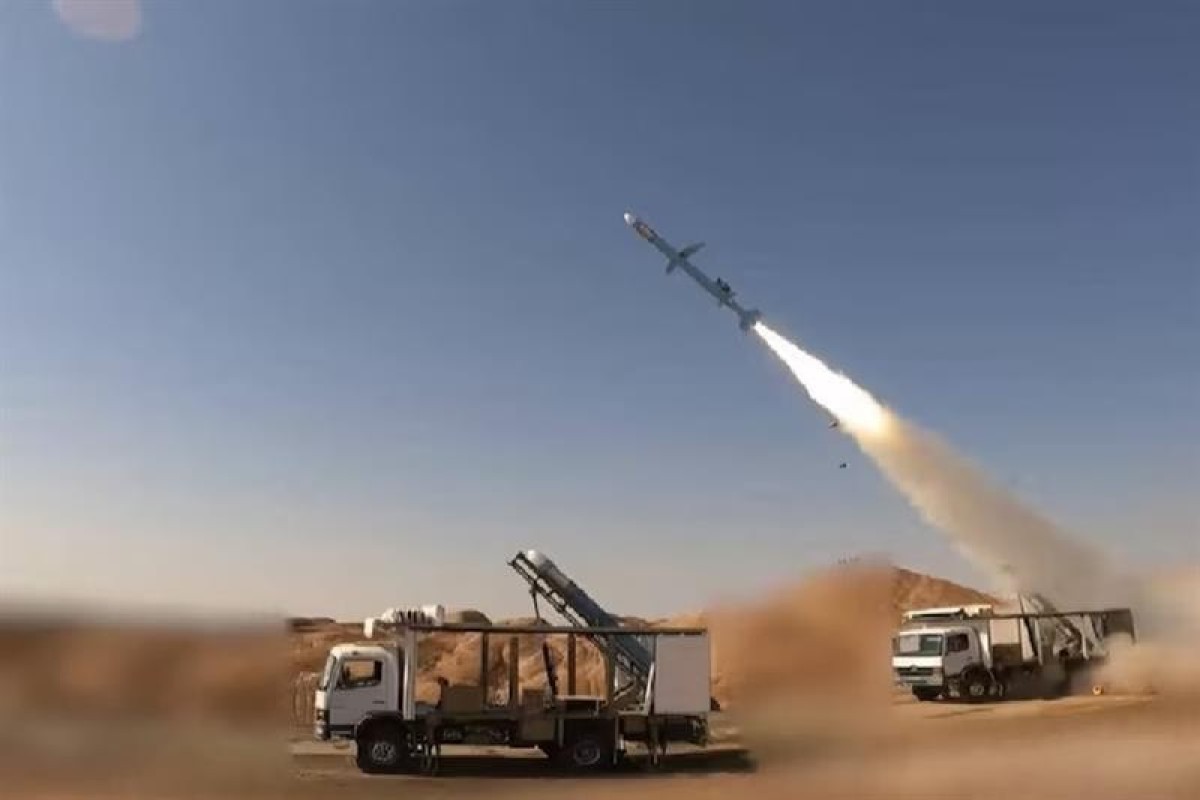
IRGC says it struck U.S. military infrastructure in Kuwait and Bahrain
 09:34
09:34
 28 June 2026
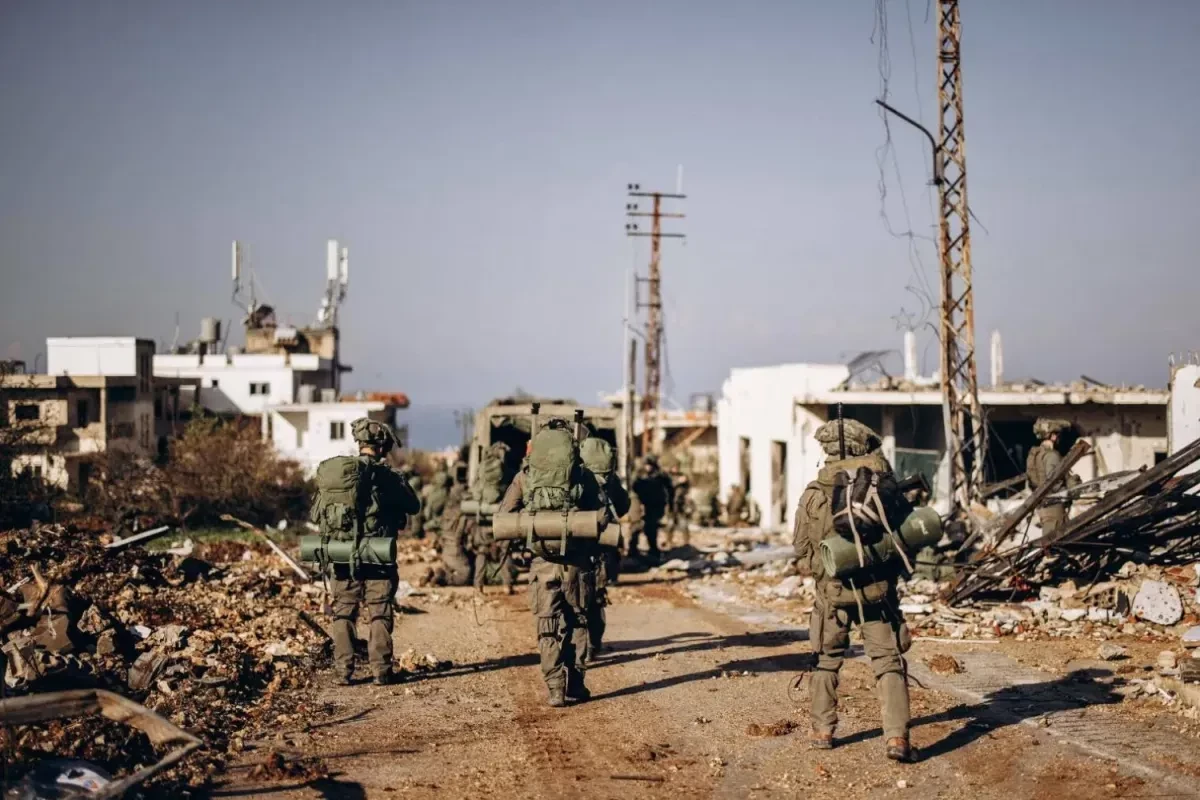
Israel will withdraw troops from two areas in southern Lebanon on June 28
01:48
28 June 2026
Netanyahu announces plans to form broad national government after elections
01:30
28 June 2026
Netanyahu: Deal says Israel can keep security zone as long as needed
23:53
27 June 2026

NEWS FEED
Another wheat shipment transits Azerbaijan from Russia to Armenia-PHOTO
13:06
28 June 2026
Venezuela quake death toll rises to 1,430
10:00
28 June 2026
IRGC says it struck U.S. military infrastructure in Kuwait and Bahrain
09:34
28 June 2026
Trump threatens more military action against Iran if strikes continue
03:52
Audio
28 June 2026
UN: Venezuela earthquake could affect more than 6.7 million people
02:44
28 June 2026
US launches more strikes against Iran
02:17
Audio
28 June 2026
Britain has zero active submarines at sea for now
02:00
28 June 2026
Israel will withdraw troops from two areas in southern Lebanon on June 28
01:48
28 June 2026
Netanyahu announces plans to form broad national government after elections
01:30
28 June 2026
Argentina cabinet chief resigns after corruption allegations
01:20
28 June 2026
Magnitude 5.4 earthquake struck Venezuela
00:56
28 June 2026
Netanyahu: Deal says Israel can keep security zone as long as needed
23:53
27 June 2026
UFC Baku: Rafael Fiziev defeats Manuel Torres in main event
23:14
Audio
27 June 2026
UFC: Abus Magomedov defeats Mikhal Oleksiychuk
21:22
27 June 2026
UFC: Farman Hasanov defeats his opponent from the United States
21:11
27 June 2026
Wheat to be shipped to Armenia via transit through Azerbaijan
19:53
27 June 2026
Jeyhun Bayramov and Hakan Fidan hold phone conversation
19:04
27 June 2026
"Caucasus Eagle 2026" exercise concludes-VIDEO
18:43
27 June 2026
Tremors jolt Delhi-NCR, Kashmir as magnitude 6.2 earthquake hits Afghanistan
18:37
27 June 2026
Tanker hit by unidentified projectile in Hormuz, British maritime agency says
16:54
27 June 2026
Russian Defense Ministry claims two Ukrainian MiG-29 fighter jets destroyed at Mykolaiv airfield
16:51
27 June 2026
Iran accuses U.S. of violating two clauses of memorandum
16:48
27 June 2026
Service chief: Lowering military conscription age limit has reduced state expenses
16:09
27 June 2026
Ukrainian MiG-29 crashes during combat mission, Air Force says, pilot ejects safely
15:25
27 June 2026
Russia and Ukraine exchange civilian detainees
14:40
27 June 2026
Baku–Nakhchivan flights cancelled due to thunderstorms
14:16
27 June 2026
One killed, 11 injured in Ukraine's attack on Volgograd
13:58
27 June 2026
Bahrain says Iranian drones targeted its territory early Saturday
13:55
27 June 2026
Zelenskyy confirms strike on military plant in Volgograd-VIDEO-UPDATED
13:42
27 June 2026
Kremlin: Putin and Lukashenko continue talks
13:38
27 June 2026
Small aircraft crash in Beijing kills one person, injures 13, local govt says
13:30
27 June 2026
Iran's Foreign Ministry reacts to U.S. airstrikes
11:31
27 June 2026
Leyla Aliyeva and Arzu Aliyeva visit "CandyFest" summer festival and watch "Magic Pearl" water circus show-PHOTO
11:24
27 June 2026
Leyla Aliyeva and Arzu Aliyeva participate in seasonal flower planting campaign on Baku Boulevard-PHOTO
11:21
27 June 2026
Leyla Aliyeva and Arzu Aliyeva attend opening and presentation ceremonies at the Seaside National Park-PHOTO
11:14
27 June 2026
Baltic states urge EU to speed up ban on Russian oil imports
11:07
27 June 2026
Seoul says Chinese, Russian military aircraft enter its air defense zone
10:51
27 June 2026
Gold and silver rise in commodity markets
10:24
27 June 2026
Natural gas falls on New York exchange
10:22
27 June 2026
Azerbaijani oil trades at $74
10:20
27 June 2026
Two police officers killed in armed attack on police checkpoint in Iran
10:15
27 June 2026
Brent oil falls by more than 4%
09:35
27 June 2026
Major global stock market indices
09:29
27 June 2026
State Department: Lebanon agreement envisages withdrawal of Israeli forces
09:24
27 June 2026
Saudi Arabia resumes oil loading in the Persian Gulf
09:20
27 June 2026
Vance: US ready to discuss memorandum disagreements with Iran
02:39
Audio
27 June 2026
IRGC says it struck US military positions in response to US airstrike on Iran
01:43
27 June 2026
France wins Group I after beating Norway 4-1
01:13
27 June 2026
US strikes Iranian targets in response to attack on cargo ship
00:47
Audio
27 June 2026
Netanyahu says Israeli army will remain in southern Lebanon ‘security zone’ until Hezbollah disarmed
23:49
26 June 2026


