










Baku – APA. NATO’s top commander in Afghanistan, General David Petraeus, is reported to have told the White House that although the 30,000 troop surge has improved security in Afghanistan, Taliban insurgents remain strong in some areas, APA reports quoting “The Voice of Americaâ€.
The general’s reported evaluation comes days before the White House releases its review of its Afghan strategy. VOA’s Ravi Khanna spoke with several experts on what to expect from President Obama’s reassessment.
President Obama’s surprise visit to Afghanistan last week is being seen in Washington as an effort to turn around the faltering war effort.
“We said we were going to break the Taliban’s momentum and that’s what you’re doing. You’re going on the offense, tired of playing defense, targeting their leaders and pushing them out of their strongholds.â€
Mr. Obama spoke as his advisers finalize a comprehensive assessment of the impact of the 30,000 troop surge and the overall Afghan strategy.
But Afghanistan experts in Washington see no sign that Mr. Obama is reconsidering the course he set last December.
Michael O’Hanlon is an analyst at the Brookings Institution.
“Nothing fundamental about the strategy is likely to change. I think it is more important and more likely that we could see a major reassessment in the middle of 2011 because by that point you would have expected to see major change.â€
He says, by then, the impact of the troop surge will be clear.
He says a policy change should involve prodding Pakistan to stop sheltering Afghan Taliban, like the militant leader Jalaluddin Haqqani and his fighters. They stage cross border attacks into Afghanistan.
“If the Pakistanis continue to tolerate the Haqqani network and the Afghan Taliban network being based on their territory, then that will be a major body blow to our efforts.â€
Lisa Curtis at the Heritage Foundation is also concerned about Pakistan and its failure to curb attacks from its soil.
“There have been a plethora of reports about Pakistan’s links with the Haqqani network. The Haqqani network is responsible for some of the fiercest attacks against US soldiers in Afghanistan. So I think US policy-makers have to ask themselves how the US is benefitting from the partnership with Pakistan and the provision of billions in aid to this country.â€
David Rohde is a former New York Times reporter who was kidnapped by Afghan Taliban fighters. He was in captivity for more than seven months, until he escaped from a Haqqani hideout in the border region between Pakistan and Afghanistan.
He says Pakistan will never shun the Taliban because it fears India’s influence in Afghanistan. He supports the substance of a leaked cable from the US Ambassador in Pakistan, Anne Patterson.
“She wrote, justified or not, increased Indian investment and trade with and development support to the Afghan government which the US government has encouraged causes Pakistan to embrace Taliban groups all the more closely. And later on in that cable she says no amount of money can sever that link.â€
Reducing tensions between India and Pakistan, he says, is the only way to bring real stability to Afghanistan and the whole region.


 Follow us on Telegram
 t.me/apanewsaz
 Follow us on Instagram
 Follow us on TikTok
 Follow us on Facebook
 Follow us on X
Asia
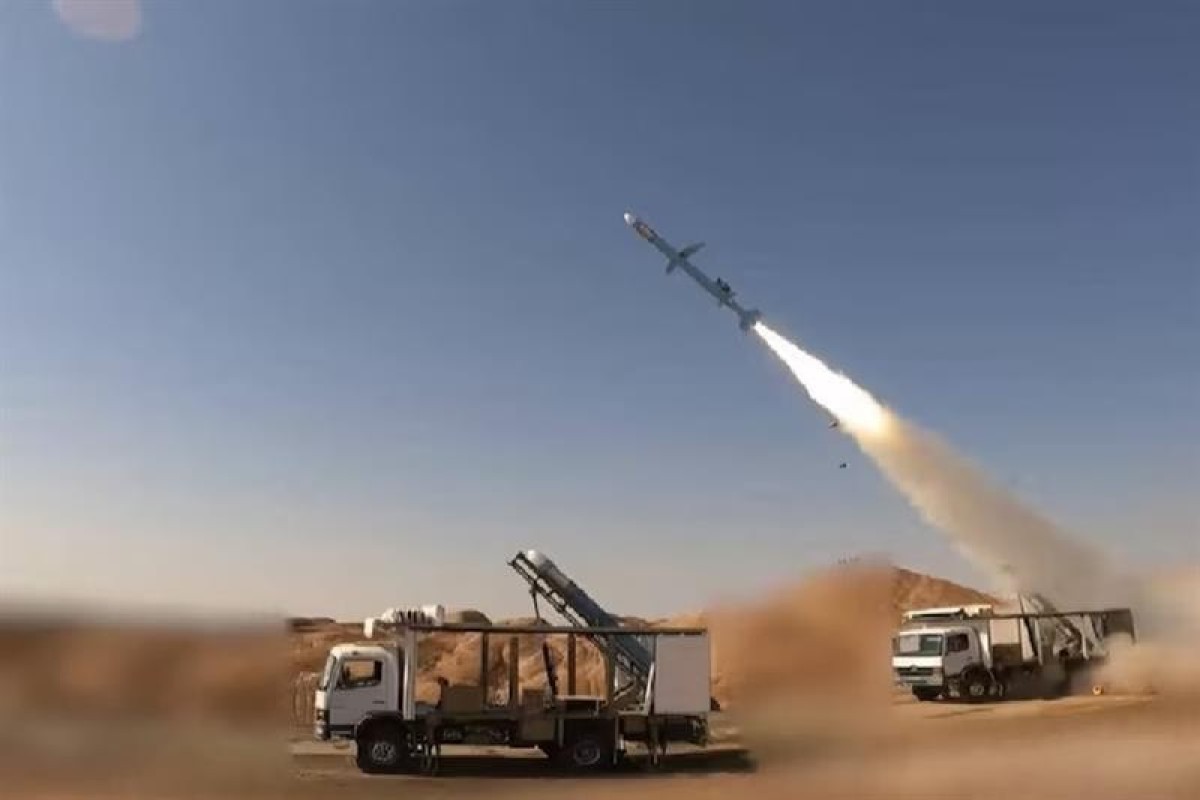
IRGC says it struck U.S. military infrastructure in Kuwait and Bahrain
 09:34
09:34
 28 June 2026
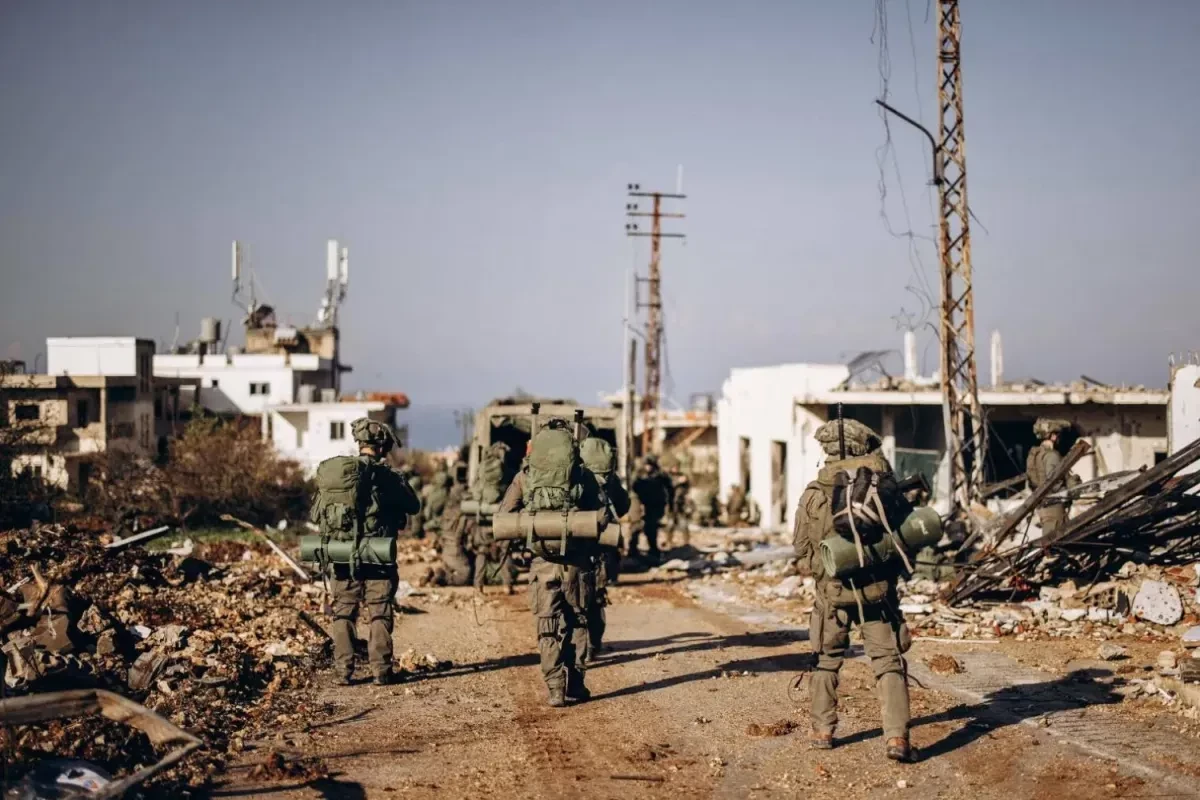
Israel will withdraw troops from two areas in southern Lebanon on June 28
01:48
28 June 2026
Netanyahu announces plans to form broad national government after elections
01:30
28 June 2026
Netanyahu: Deal says Israel can keep security zone as long as needed
23:53
27 June 2026

NEWS FEED
Another wheat shipment transits Azerbaijan from Russia to Armenia-PHOTO
13:06
28 June 2026
Venezuela quake death toll rises to 1,430
10:00
28 June 2026
IRGC says it struck U.S. military infrastructure in Kuwait and Bahrain
09:34
28 June 2026
Trump threatens more military action against Iran if strikes continue
03:52
Audio
28 June 2026
UN: Venezuela earthquake could affect more than 6.7 million people
02:44
28 June 2026
US launches more strikes against Iran
02:17
Audio
28 June 2026
Britain has zero active submarines at sea for now
02:00
28 June 2026
Israel will withdraw troops from two areas in southern Lebanon on June 28
01:48
28 June 2026
Netanyahu announces plans to form broad national government after elections
01:30
28 June 2026
Argentina cabinet chief resigns after corruption allegations
01:20
28 June 2026
Magnitude 5.4 earthquake struck Venezuela
00:56
28 June 2026
Netanyahu: Deal says Israel can keep security zone as long as needed
23:53
27 June 2026
UFC Baku: Rafael Fiziev defeats Manuel Torres in main event
23:14
Audio
27 June 2026
UFC: Abus Magomedov defeats Mikhal Oleksiychuk
21:22
27 June 2026
UFC: Farman Hasanov defeats his opponent from the United States
21:11
27 June 2026
Wheat to be shipped to Armenia via transit through Azerbaijan
19:53
27 June 2026
Jeyhun Bayramov and Hakan Fidan hold phone conversation
19:04
27 June 2026
"Caucasus Eagle 2026" exercise concludes-VIDEO
18:43
27 June 2026
Tremors jolt Delhi-NCR, Kashmir as magnitude 6.2 earthquake hits Afghanistan
18:37
27 June 2026
Tanker hit by unidentified projectile in Hormuz, British maritime agency says
16:54
27 June 2026
Russian Defense Ministry claims two Ukrainian MiG-29 fighter jets destroyed at Mykolaiv airfield
16:51
27 June 2026
Iran accuses U.S. of violating two clauses of memorandum
16:48
27 June 2026
Service chief: Lowering military conscription age limit has reduced state expenses
16:09
27 June 2026
Ukrainian MiG-29 crashes during combat mission, Air Force says, pilot ejects safely
15:25
27 June 2026
Russia and Ukraine exchange civilian detainees
14:40
27 June 2026
Baku–Nakhchivan flights cancelled due to thunderstorms
14:16
27 June 2026
One killed, 11 injured in Ukraine's attack on Volgograd
13:58
27 June 2026
Bahrain says Iranian drones targeted its territory early Saturday
13:55
27 June 2026
Zelenskyy confirms strike on military plant in Volgograd-VIDEO-UPDATED
13:42
27 June 2026
Kremlin: Putin and Lukashenko continue talks
13:38
27 June 2026
Small aircraft crash in Beijing kills one person, injures 13, local govt says
13:30
27 June 2026
Iran's Foreign Ministry reacts to U.S. airstrikes
11:31
27 June 2026
Leyla Aliyeva and Arzu Aliyeva visit "CandyFest" summer festival and watch "Magic Pearl" water circus show-PHOTO
11:24
27 June 2026
Leyla Aliyeva and Arzu Aliyeva participate in seasonal flower planting campaign on Baku Boulevard-PHOTO
11:21
27 June 2026
Leyla Aliyeva and Arzu Aliyeva attend opening and presentation ceremonies at the Seaside National Park-PHOTO
11:14
27 June 2026
Baltic states urge EU to speed up ban on Russian oil imports
11:07
27 June 2026
Seoul says Chinese, Russian military aircraft enter its air defense zone
10:51
27 June 2026
Gold and silver rise in commodity markets
10:24
27 June 2026
Natural gas falls on New York exchange
10:22
27 June 2026
Azerbaijani oil trades at $74
10:20
27 June 2026
Two police officers killed in armed attack on police checkpoint in Iran
10:15
27 June 2026
Brent oil falls by more than 4%
09:35
27 June 2026
Major global stock market indices
09:29
27 June 2026
State Department: Lebanon agreement envisages withdrawal of Israeli forces
09:24
27 June 2026
Saudi Arabia resumes oil loading in the Persian Gulf
09:20
27 June 2026
Vance: US ready to discuss memorandum disagreements with Iran
02:39
Audio
27 June 2026
IRGC says it struck US military positions in response to US airstrike on Iran
01:43
27 June 2026
France wins Group I after beating Norway 4-1
01:13
27 June 2026
US strikes Iranian targets in response to attack on cargo ship
00:47
Audio
27 June 2026
Netanyahu says Israeli army will remain in southern Lebanon ‘security zone’ until Hezbollah disarmed
23:49
26 June 2026


