










Baku-APA. Iran is feeling the bite from economic sanctions imposed over its nuclear program, which is capable of producing a weapon although Iranian leaders have not yet decided to do so, top intelligence chiefs told Congress on Tuesday, APA reports .
"The sanctions have been biting much, much more literally in recent weeks than they have until this time," CIA Director David Petraeus said at a Senate intelligence committee hearing.
"What we have to see now is how does that play out, what is the level of popular discontent inside Iran, does that influence the strategic decision-making of the Supreme Leader and the regime, keeping in mind that the regime’s paramount goal in all that they do is their regime survival," he said.
Iran’s currency, the rial, has lost "considerable value" and there have been "runs on the bank" as Iranians try to dump domestic currency and acquire assets that will hold value better as inflation "takes off," Petraeus said.
Director of National Intelligence James Clapper acknowledged that sanctions so far had not caused Iran’s leaders to change their pursuit of nuclear capabilities.
But he said some Iranian officials appear more willing to conduct an attack in the United States if they feel threatened, citing last year’s alleged Iranian plot to kill the Saudi ambassador to Washington.
"The 2011 plot to assassinate the Saudi ambassador to the United States shows that some Iranian officials - probably including Supreme Leader Ali Khamenei - have changed their calculus and are now more willing to conduct an attack in the United States in response to real or perceived U.S. actions that threaten the regime," Clapper said in his Senate testimony.
"We are also concerned about Iranian plotting against U.S. or allied interests overseas," he said.
Senators at the hearing asked about Israel’s concerns about Iran’s nuclear program, amid speculation that Israel might launch a pre-emptive strike at the country’s known nuclear sites.
Senator Dianne Feinstein, the panel’s chairwoman, and Petraeus said they met recently with the director of Mossad, Israel’s intelligence service.
"We’re doing a lot with the Israelis, working together with them. And of course for them, this is, as they have characterized, is an existential threat," Clapper said.
Petraeus, appearing with other intelligence community leaders at an annual open hearing on global threats to U.S. security, said that China has reduced imports of Iranian oil but "it remains to be seen whether that continues."
"It appears that Saudi Arabian production is ramping up and can fill some of the demand that might have been met by Iranian exports now that there are the sanctions on the Central Bank of Iran," he said.
The United States imposed the harshest sanctions so far on Iran when President Barack Obama on December 31 signed into law new sanctions on transactions involving Iran’s central bank.
The European Union last week imposed a ban on the import, purchase or transport of Iranian oil. Existing contracts can be honored up to July 1.
The West has imposed sanctions over the years due to concerns that Iran’s nuclear development program is aimed at building a weapon. Iran says its program is for peaceful purposes.
The latest U.S. sanctions will have a deeper impact because the Central Bank of Iran handles a large volume of foreign bank transactions and receives the revenue for the roughly 70 percent of oil sold by the National Iranian Oil Company, Clapper said.
’CRITICAL YEAR’
"According to most timelines I’ve heard, 2012 will be a critical year for convincing or preventing Iran’s development of a nuclear weapon," Feinstein, a Democrat, said.
Iran is keeping open the option to develop a nuclear bomb but U.S. intelligence agencies do not know whether its leaders ultimately will decide to build one, Clapper said in his written statement to the panel.
New U.S. sanctions were likely to have a greater impact than previous ones, but were not expected to lead to the downfall of Iran’s leadership, Clapper said.
"We assess Iran is keeping open the option to develop nuclear weapons, in part by developing various nuclear capabilities that better position it to produce such weapons, should it choose to do so," he said in written testimony. "We do not know, however, if Iran will eventually decide to build nuclear weapons."
Iran’s advances, particularly in uranium enrichment, strengthen the assessment that "Iran is well capable of producing enough highly-enriched uranium for a weapon if its political leaders, specifically the Supreme Leader himself, choose to do so," Clapper said.
"Iran’s economic difficulties probably will not jeopardize the regime, absent a sudden and sustained fall in oil prices or a sudden domestic crisis that disrupts oil exports," Clapper’s written testimony said.
Iran has sought to "exploit the Arab Spring but has reaped limited benefits, thus far," the testimony said. Tehran’s biggest regional concern is ally Syria, where a change in leadership would be a major strategic loss for Iran.
Nearly a year into the unrest, conflict in Syria is unlikely to be resolved quickly, and it is a matter of time before Syrian leader Bashar al-Assad falls, Clapper said.
"I personally believe it’s a question of time before Assad falls, but that’s the issue, it could be a long time," Clapper said. "Protraction of these demonstrations, the opposition continues to be fragmented, but I do not see how he can sustain his rule of Syria."
CHINA CONCERNED
Arab Spring uprisings fueled concern among Chinese leaders that similar unrest could undermine their rule, prompting Beijing to launch its harshest crackdown on dissent in at least a decade, Clapper said in his written testimony.
At the same time, worries about the global economy helped heighten Beijing’s resistance to external pressure and suspicion of U.S. intentions, it said.
China continued a policy of permitting modest appreciation of the renminbi, "although it remains substantially undervalued," the testimony said.
Espionage by China, Russia, and Iran will pose significant security threats to the United States in coming years, the written statement said.
Russia and China are aggressive and successful in economic espionage against the United States, and "Iran’s intelligence operations against the United States, including cyber capabilities, have dramatically increased in recent years in depth and complexity," the statement said.
Foreign intelligence services have targeted the unclassified and classified computer networks of U.S. government agencies, businesses and universities. "We assess that many intrusions into U.S. networks are not being detected," the statement said.


 Follow us on Telegram
 t.me/apanewsaz
 Follow us on Instagram
 Follow us on TikTok
 Follow us on Facebook
 Follow us on X
Americas

NEWS FEED
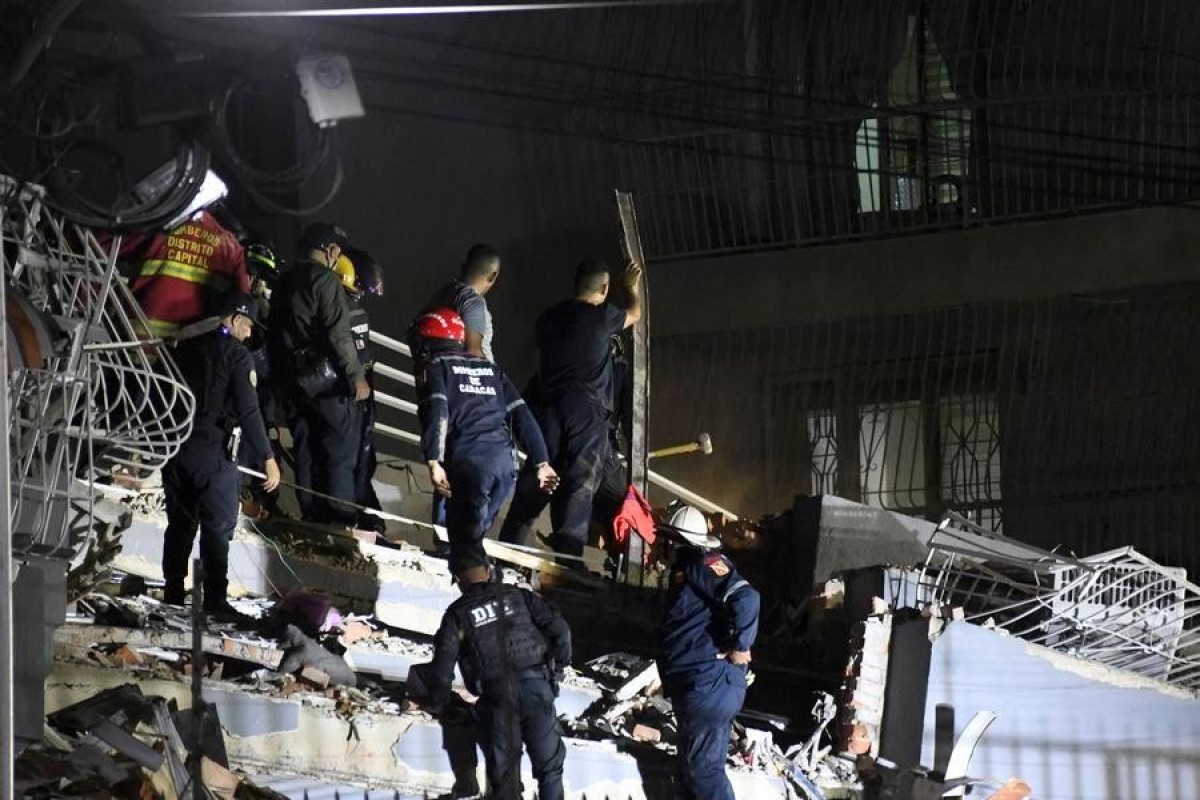
Venezuela quake death toll rises to 1,430
 10:00
10:00
 28 June 2026
IRGC says it struck U.S. military infrastructure in Kuwait and Bahrain
09:34
28 June 2026
Trump threatens more military action against Iran if strikes continue
03:52
Audio
28 June 2026
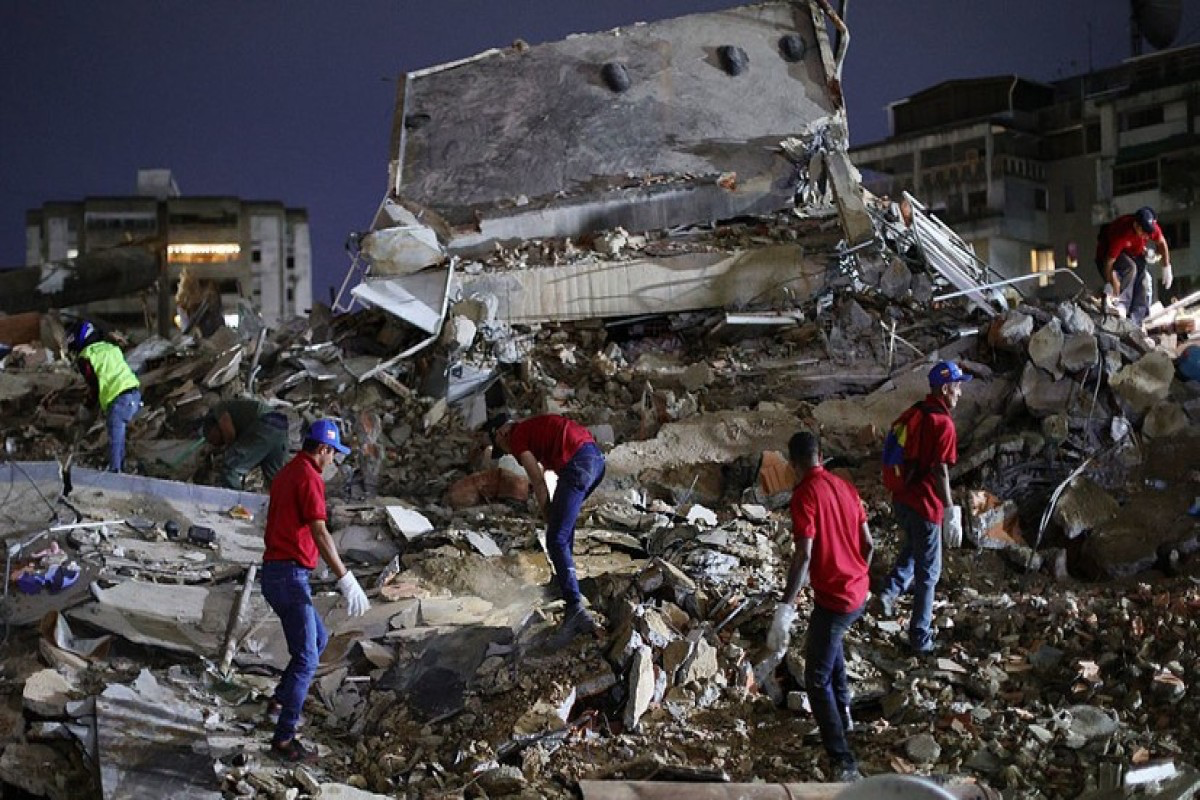
UN: Venezuela earthquake could affect more than 6.7 million people
02:44
28 June 2026
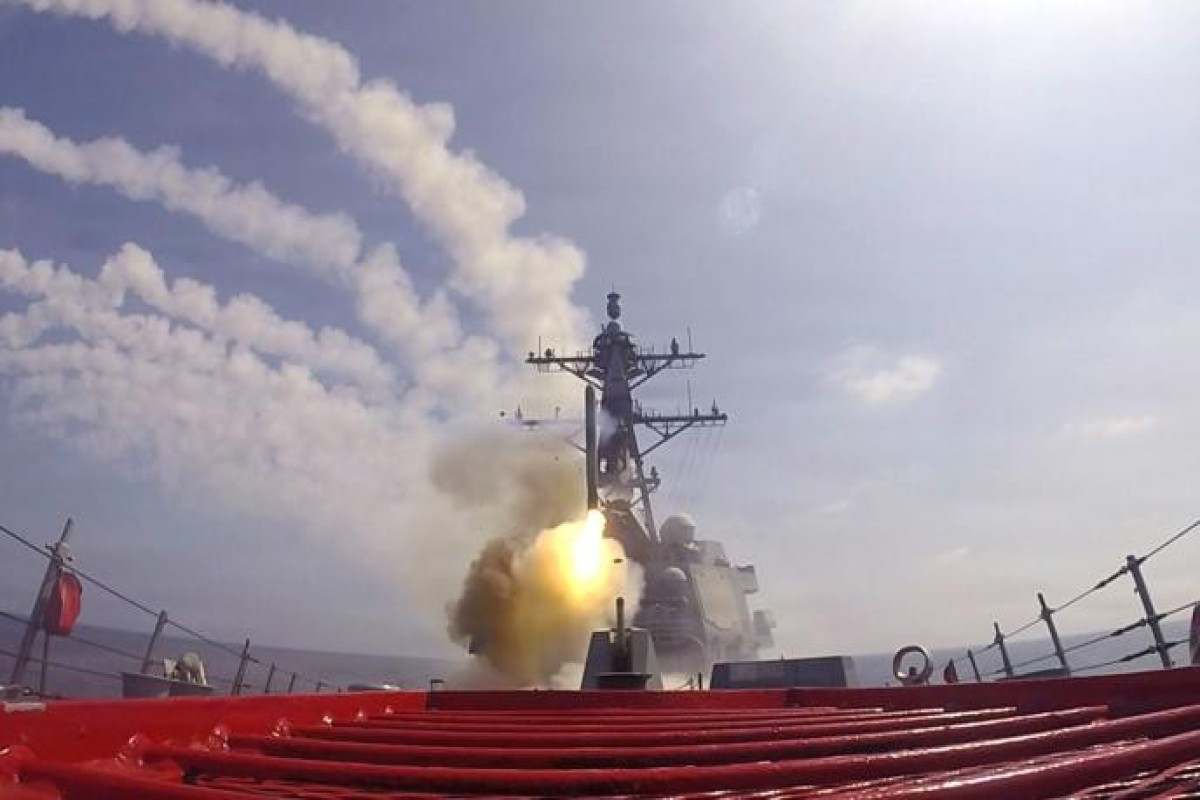
US launches more strikes against Iran
02:17
Audio
28 June 2026
Britain has zero active submarines at sea for now
02:00
28 June 2026
Israel will withdraw troops from two areas in southern Lebanon on June 28
01:48
28 June 2026
Netanyahu announces plans to form broad national government after elections
01:30
28 June 2026
Argentina cabinet chief resigns after corruption allegations
01:20
28 June 2026
Magnitude 5.4 earthquake struck Venezuela
00:56
28 June 2026
Netanyahu: Deal says Israel can keep security zone as long as needed
23:53
27 June 2026
UFC Baku: Rafael Fiziev defeats Manuel Torres in main event
23:14
Audio
27 June 2026
UFC: Abus Magomedov defeats Mikhal Oleksiychuk
21:22
27 June 2026
UFC: Farman Hasanov defeats his opponent from the United States
21:11
27 June 2026
Wheat to be shipped to Armenia via transit through Azerbaijan
19:53
27 June 2026
Jeyhun Bayramov and Hakan Fidan hold phone conversation
19:04
27 June 2026
"Caucasus Eagle 2026" exercise concludes-VIDEO
18:43
27 June 2026
Tremors jolt Delhi-NCR, Kashmir as magnitude 6.2 earthquake hits Afghanistan
18:37
27 June 2026
Tanker hit by unidentified projectile in Hormuz, British maritime agency says
16:54
27 June 2026
Russian Defense Ministry claims two Ukrainian MiG-29 fighter jets destroyed at Mykolaiv airfield
16:51
27 June 2026
Iran accuses U.S. of violating two clauses of memorandum
16:48
27 June 2026
Service chief: Lowering military conscription age limit has reduced state expenses
16:09
27 June 2026
Ukrainian MiG-29 crashes during combat mission, Air Force says, pilot ejects safely
15:25
27 June 2026
Russia and Ukraine exchange civilian detainees
14:40
27 June 2026
Baku–Nakhchivan flights cancelled due to thunderstorms
14:16
27 June 2026
One killed, 11 injured in Ukraine's attack on Volgograd
13:58
27 June 2026
Bahrain says Iranian drones targeted its territory early Saturday
13:55
27 June 2026
Zelenskyy confirms strike on military plant in Volgograd-VIDEO-UPDATED
13:42
27 June 2026
Kremlin: Putin and Lukashenko continue talks
13:38
27 June 2026
Small aircraft crash in Beijing kills one person, injures 13, local govt says
13:30
27 June 2026
Iran's Foreign Ministry reacts to U.S. airstrikes
11:31
27 June 2026
Leyla Aliyeva and Arzu Aliyeva visit "CandyFest" summer festival and watch "Magic Pearl" water circus show-PHOTO
11:24
27 June 2026
Leyla Aliyeva and Arzu Aliyeva participate in seasonal flower planting campaign on Baku Boulevard-PHOTO
11:21
27 June 2026
Leyla Aliyeva and Arzu Aliyeva attend opening and presentation ceremonies at the Seaside National Park-PHOTO
11:14
27 June 2026
Baltic states urge EU to speed up ban on Russian oil imports
11:07
27 June 2026
Seoul says Chinese, Russian military aircraft enter its air defense zone
10:51
27 June 2026
Gold and silver rise in commodity markets
10:24
27 June 2026
Natural gas falls on New York exchange
10:22
27 June 2026
Azerbaijani oil trades at $74
10:20
27 June 2026
Two police officers killed in armed attack on police checkpoint in Iran
10:15
27 June 2026
Brent oil falls by more than 4%
09:35
27 June 2026
Major global stock market indices
09:29
27 June 2026
State Department: Lebanon agreement envisages withdrawal of Israeli forces
09:24
27 June 2026
Saudi Arabia resumes oil loading in the Persian Gulf
09:20
27 June 2026
Vance: US ready to discuss memorandum disagreements with Iran
02:39
Audio
27 June 2026
IRGC says it struck US military positions in response to US airstrike on Iran
01:43
27 June 2026
France wins Group I after beating Norway 4-1
01:13
27 June 2026
US strikes Iranian targets in response to attack on cargo ship
00:47
Audio
27 June 2026
Netanyahu says Israeli army will remain in southern Lebanon ‘security zone’ until Hezbollah disarmed
23:49
26 June 2026
UK guarantees $1 billion World Bank loan to Ukraine
23:20
26 June 2026


