










Baku – APA. The newly elected president of this troubled African republic cannot leave his hotel, APA reports quoting “Associated Pressâ€.
And neither can the linens on which he sleeps — except by helicopter.
They are flown out to be dry cleaned across town and flown back at night, just like everything else that comes or goes from the resort hotel where Alassane Ouattara took refuge last month after he was declared winner of the Nov. 28 election.
Although his victory has been unanimously recognized abroad, world opinion has not been able to sway sitting president Laurent Gbagbo to leave the presidential palace he’s occupied for 10 years. He has deployed his troops around the hotel like a noose, and last week they pulled it tight, choking off the exits and imposing a blockade.
The only way to reach the man considered to be the legitimate president of Ivory Coast is now by a United Nations helicopter, which ferries diplomats and journalists on daily flights, as well as groceries for the hotel’s kitchen, cases of liquor for the bar, and the president’s freshly pressed pillowcase.
The international community finds itself in a conundrum in a country where sanctions, tough talk and the threat of a military intervention have not persuaded the 65-year-old Gbagbo, a former history teacher, to step aside.
Xenophobic sentiment runs high and every night, state TV portrays the international position as a "Franco-American plot" and U.N. peacekeepers as enemy combatants. A military ouster may be the only way to remove the defiant Gbagbo, but many fear doing so could not only provoke attacks against foreigners but also degenerate leading to mass casualties. It is forcing world leaders to weigh whether the cost of democracy is civil war.
"The problem that we are facing in Ivory Coast is the question of democracy. It isn’t just about Alassane Ouattara," said Guillaume Soro, former prime minister under Gbagbo, who resigned in protest and has since been named Ouattara’s prime minister.
"Next year, there will be more than 10 elections in Africa. If African heads of state see that you can get away with this ... it will be the death of democracy on the continent," he said.
Gbagbo’s defiance has been especially on display this week, when three African presidents representing a regional bloc of 15 neighboring nations came for a closed-door negotiation. After they left on Monday night, they released a statement saying that Gbagbo had agreed to lift the blockade. But journalists who approached the checkpoints on the road leading to the hotel were met by bazooka-toting soldiers who motioned in the air for them to turn around.
The hotel at one point almost ran out of food. For five days, it didn’t serve bread. For another two, there was no rice. In the restaurant, waiters no longer hand out the menu as there is only one choice, or maybe two, per meal.
The formerly manicured lawns are now strewn with trash and drying laundry, laid out under the blasting sun. One of the kiddie pools is being used to wash the uniforms of the more than 800 peacekeepers protecting the hotel.
"We are not even able to get sometimes medication on time. Getting food here is difficult ... He wants to intimidate me, but it will not work," the 68-year-old Ouattara said in an interview with The Associated Press near the hotel’s pool.
"What is important for me is that Ivorian people by a majority of 54 percent elected me as president ... We have the will and the determination to stay."
Along with effectively imprisoning Ouattara, Gbagbo is also needling his supporters. Since the United States acknowledged Ouattara as the winner of the election, the U.S. Embassy in Abidjan has not been able to get its mail. U.N. employees have been accused of hiding arms and had their homes searched. And according to news reports, a shell landed inside the Nigerian Embassy after ECOWAS, a regional body chaired by the Nigerian president, told Gbagbo he needed to yield power without delay.
But although Ouattara is confined to a small patch of ground in his own country, his considerable reach abroad has made life unpleasant for the occupant of the presidential palace.
Both the European Union and the United States have imposed visa bans on more than 50 of Gbagbo’s closest associates, a painful blow to the elite of this former French colony who are used to vacationing abroad. In an unusual move intended to create pressure by proxy, the United States has also included family members of Gbagbo allies, including their children.
A private newspaper reported this week that in Houston, the daughters of Pascal Affi N’Guessan, Gbagbo’s campaign manager, were sent 90-day notices to leave the U.S. And a senior diplomat confirmed that in Atlanta Gbagbo’s stepdaughters will not be allowed to re-enter the U.S.
The regional central bank has also recognized Ouattara as the head of state and revoked Gbagbo’s access to state accounts. In December, several banks in Abidjan posted notices in their windows saying that they would not be cashing civil servant paychecks because they hadn’t received a guarantee of reimbursement from the government. Lines formed outside. Just before Christmas the notices were taken down, and people began to be paid.
The veteran diplomat, who asked not to be named because he is not authorized to speak to the press, says Gbagbo emptied out a savings account set aside for an infrastructure project to make payroll. Country experts believe Gbagbo will most likely run out of money in a few months, and if he stops paying the army, they may defect and force him to cede.
But Gbagbo appears unflappable. Footage of him flashing his signature, ear-to-ear smile and shaking hands plays continuously on state TV, in scenes that communicate confidence and business as usual.
"It doesn’t dent our resolve. We don’t feel pressured because we know Laurent Gbagbo won the election," said N’Guessan in a telephone interview.
Ivory Coast is no tropical backwater. Until a civil war broke out in 2002, the nation of 20 million was referred to as the "Ivorian miracle" and the Paris of Africa. Abidjan still has the best roads, the most modern airport and the highest skyscrapers in the region.
However, inside many of them the offices are vacant. And the well-paved roads are lined with college students who can’t find work. They eke out a living running after cars trying to sell chewing gum and second-hand trousers shipped in bulk from Western countries.
Gbagbo has made an art of staying in office. In 2005, when he reached the end of his first term, Gbagbo argued the country was too volatile to hold an election, and the United Nations granted him a one-year extension. The vote was supposed to take place every year since then.
"There will not be an election unless President Gbagbo is confident that he will win it," the United States Embassy said in a 2009 cable published by WikiLeaks.
In the days after the Nov. 28 vote, the head of the electoral commission began receiving death threats. Early results indicated Ouattara had won by a 9-point margin, but night after night members of the commission were prevented from announcing them.
The constitutional council headed by a Gbagbo ally overturned Ouattara’s victory by canceling the districts where Ouattara had won a majority, claiming fraud.
The international community has been uncharacteristically unanimous in its assertion that Ouattara won because of a 2005 accord — signed by Gbagbo — which called for the U.N. to certify the results. It was a safeguard negotiated by the various political factions to make it impossible for someone to steal the election.
"This is not just a national crisis," said Swedish diplomat Pierre Schori, who was the United Nations special representative to Ivory Coast in 2005. "Because it is such a clear-cut case where one person won, and one lost. The repercussions would be so dangerous and negative if we backed out now. Gbagbo would become a role model for people who want to cling to power."


 Follow us on Telegram
 t.me/apanewsaz
 Follow us on Instagram
 Follow us on TikTok
 Follow us on Facebook
 Follow us on X
Americas

Montenegro police, FBI arrest Iranian wanted by US for hacking
 11:15
11:15
 26 June 2026
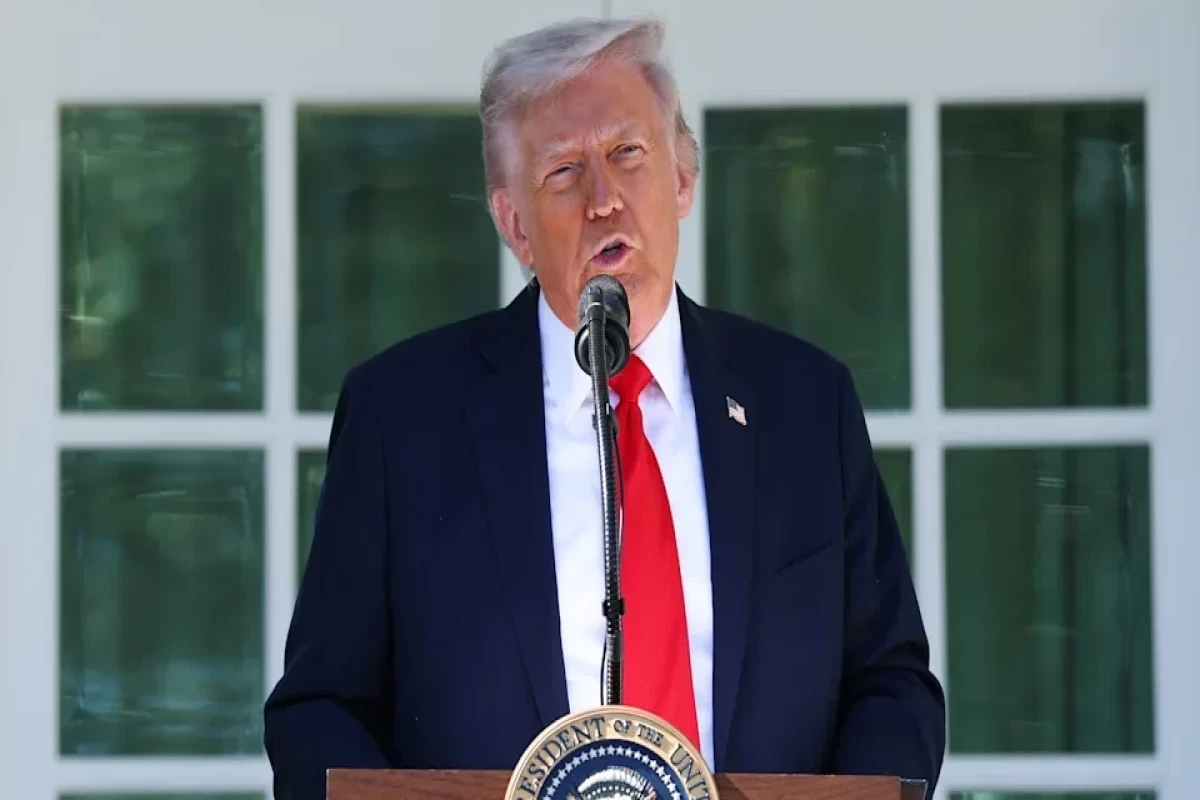
Trump says U.S. will use Iranian funds to buy wheat, soybeans and corn
09:12
26 June 2026
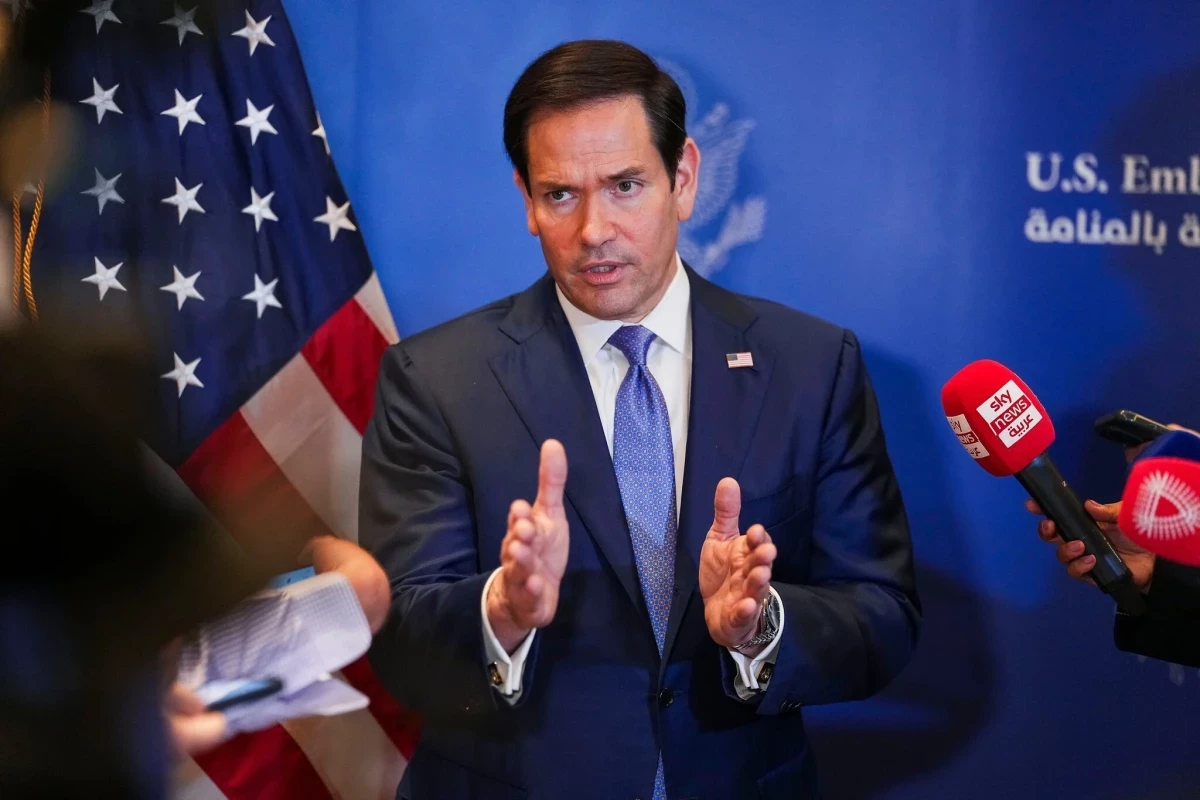
Rubio believes no final agreements reached in Anchorage
18:10
25 June 2026
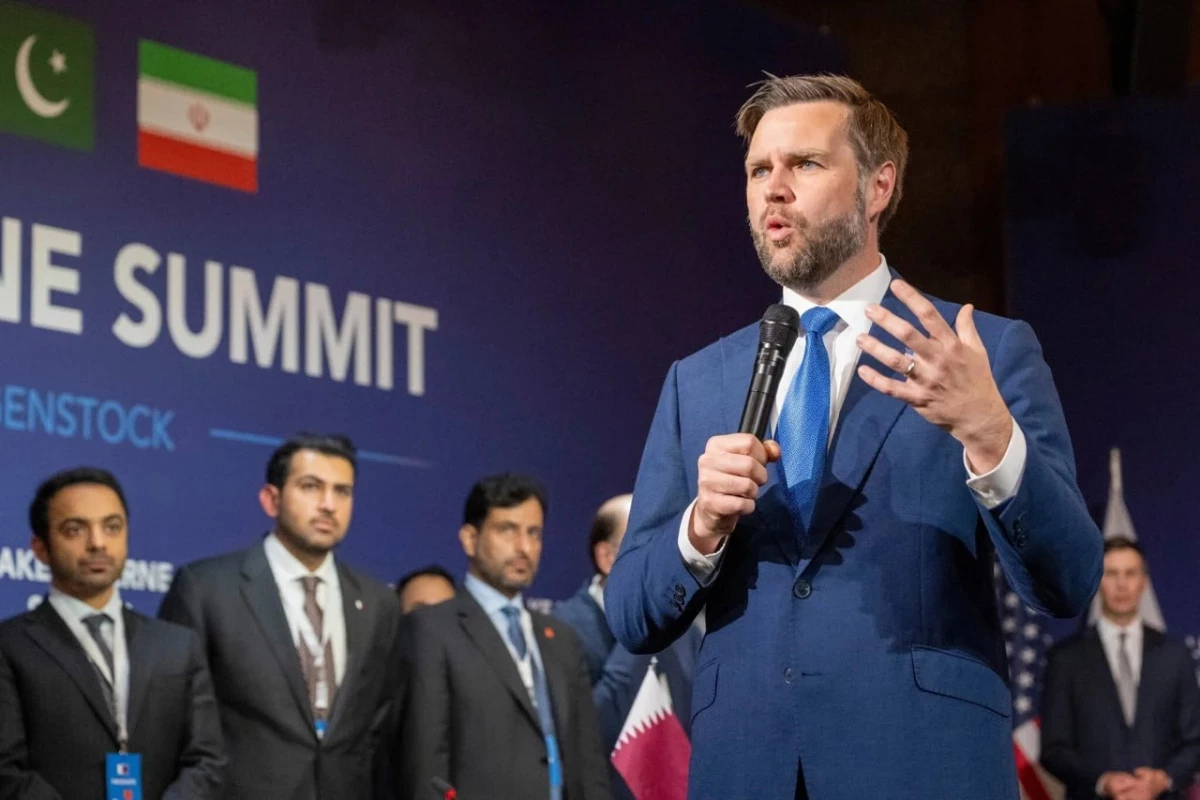
US, Iran agree in principle to establish direct military communication channel, Vance says
18:09
25 June 2026

NEWS FEED
Montenegro police, FBI arrest Iranian wanted by US for hacking
11:15
26 June 2026
Azerbaijani oil price rises
10:56
26 June 2026
18 railcars of gasoline and 8 railcars of diesel fuel sent from Azerbaijan to Armenia - PHOTO
10:52
26 June 2026
Military march accompanied by military band begins in Nakhchivan - PHOTO
10:49
26 June 2026
17-year-old detained in Dagestan for planning school attacks around the world
10:42
26 June 2026
Magdalena Grono: EU will continue its support for the Azerbaijan-Armenia peace process
10:30
26 June 2026
Military march is held in Khankendi to mark 108th anniversary of Azerbaijan's Armed Forces - PHOTO
10:20
26 June 2026
Military march is held in Ganja to mark 108th anniversary of Azerbaijan's Armed Forces - PHOTO
10:14
26 June 2026
Military march is held in Baku on Armed Forces Day - PHOTO
10:07
26 June 2026
IAEA chief says ‘very strong’ verification system needed for Iran nuclear program
10:00
26 June 2026
Gold, silver futures decline on COMEX
09:56
26 June 2026
Venezuela quake death toll rises to 235, health minister says - UPDATED - 3 - VIDEO
09:49
26 June 2026
Natural gas futures decline to $3.28 on NYMEX
09:30
26 June 2026
Oil prices decline on global markets
09:29
26 June 2026
Russia expands restrictions on imports of fish products from Armenia
09:20
26 June 2026
World Cup 2026: Turkiye beat US 3-2
09:18
26 June 2026
Trump says U.S. will use Iranian funds to buy wheat, soybeans and corn
09:12
26 June 2026
France, Italy seek multinational coalition to support Lebanon after UNIFIL withdrawal
09:02
26 June 2026
Ecuador advances to knockout rounds at World Cup, beating Germany 2-1
03:02
26 June 2026
Iran warns vessels against unauthorized Hormuz routes after ship attack
01:52
26 June 2026
Rutte said he wants to convince Trump of NATO's usefulness at the Ankara summit
01:23
26 June 2026
IDF helicopter carrying Israeli president makes emergency landing after bird strike
00:43
26 June 2026
First Vice-President Mehriban Aliyeva shared post on Armed Forces Day
00:25
Audio
26 June 2026
Azerbaijan marks 108th anniversary of the establishment of its Armed Forces
00:00
26 June 2026
President Ilham Aliyev’s social media accounts featured video dedicated to the Azerbaijani Army
23:05
Audio
25 June 2026
US, Gulf countries reject possibility of tariffs in Strait of Hormuz
22:38
25 June 2026
President Ilham Aliyev’s social media accounts shared post on Armed Forces Day
22:04
Audio
25 June 2026
18 wagons of gasoline and 8 wagons of diesel fuel will be sent from Azerbaijan to Armenia
21:50
25 June 2026
Zelenskyy approves 40-day influence operation to pressure Russia into ending war
21:41
Audio
25 June 2026
Telephone conversation held between Azerbaijani, Turkmen Presidents
20:37
25 June 2026
Vice-President of the Heydar Aliyev Foundation Leyla Aliyeva meets with Head of the Vatican Apostolic Library and Apostolic Archive
20:14
25 June 2026
Ziya Öztürkler praises Azerbaijan's continued support for the TRNC
19:50
25 June 2026
Apple says removal of VK apps from App Store is due to sanctions compliance
19:34
25 June 2026
Ruben Rubinyan elected as candidate for Speaker of the National Assembly of Armenia
19:26
25 June 2026
Missile alert declared in Moscow region-UPDATED
19:16
25 June 2026
Hikmat Hajiyev discusses Azerbaijan–NATO partnership with Secretary General's Special Representative
18:59
25 June 2026
Armenian Prosecutor General's Office petitions CEC to authorize criminal prosecution of Gagik Tsarukyan
18:55
25 June 2026
Venezuela's foreign minister thanks Azerbaijan for solidarity following earthquake
18:16
25 June 2026
Azerbaijan and Kazakhstan agree on full transition to electronic permit system
18:10
25 June 2026
Rubio believes no final agreements reached in Anchorage
18:10
25 June 2026
US, Iran agree in principle to establish direct military communication channel, Vance says
18:09
25 June 2026
Rubio believes no final agreements reached in Anchorage
18:03
25 June 2026
Azerbaijan Army servicemen participate in Anatolian Eagle-2026 International Exercise-VIDEO
18:01
25 June 2026
Leadership of the Ministry of Defense visits Central Clinical Hospital - PHOTO
17:52
25 June 2026
Eight Azerbaijani cities to host military marches marking Armed Forces Day
17:45
25 June 2026
Azerbaijan MFA: Existing opportunities should be used to finalize peace process with Armenia
17:30
25 June 2026
Rubio says Israel, Lebanon close to commitment of intent
17:18
25 June 2026
Lukashenko: Peoples of Belarus, Russia, and Ukraine will be together sooner or later
17:09
25 June 2026
Romanian ambassador leaves Russian Foreign Ministry without comment
17:08
25 June 2026
Rubio: Iran's support for regional proxies should be addressed in memorandum talks
17:07
25 June 2026


