












Baku-APA. Egypt’s Islamists looked poised Saturday to dominate a key lever of power that will help determine the country’s political future as parliament selected a panel to draw up the country’s new constitution. Liberal lawmakers denounced the process as a "farce" and walked out in protest, APA reports quoting Associated Press.
The constitution, which will be written by the 100-member committee, will determine the balance of power between Egypt’s previously all-powerful president and parliament, and define the country’s future identity, including the role of religion and minority rights. With so much at stake, the question of who should sit on the panel has sparked fierce debate in Egypt.
Many secular and liberal Egyptians fear that the Islamist parties that dominate parliament will pack the panel with their supporters and ignore minority concerns. Those fears have spiked over the past week after parliament decided to allocate half of the panel’s seats to its own members, and a leading Islamist deputy said the country’s most prominent democracy advocate, Mohamed ElBaradei, would likely not be included.
With vote-counting still going on late Saturday night, Egypt’s state-run MENA news agency posted a list of names of those it said were gaining support among lawmakers.
The list included more than 50 Islamists, as well as six women and six Christians in addition to some 30 non-Islamists, including professionals, judges, political scientists, poets, and others. Some of the names were not widely known to the public and their ideological affiliation was not immediately clear.
During the heated joint session of parliament to pick the panel, lawmakers from the liberal Egyptian Bloc, which holds 9 percent of the lower house’s seats, walked out of the proceedings en masse, accusing the fundamentalist Muslim Brotherhood — Egypt’s most powerful political group — of trying to dominate the selection.
Egyptian Bloc lawmaker Emad Gad called the session a "farce" and said the Islamist parties "have already decided on the names and voting is only meant to lend legitimacy to the process."
"Islamists will write the constitution as they wish but I believe this will lead to many crises," he said.
Saad Emara, a Muslim Brotherhood lawmaker, accused liberals of "making a fuss," and said millions of Egyptian voters elected Islamist lawmakers so that their views would be represented on the constitutional committee.
Egypt’s ruling military council last year issued an interim constitution that gives elected members of the parliament’s two houses the right to select those who will draft the new constitution. The old 1971 constitution was suspended after the uprising that ousted longtime ruler Hosni Mubarak.
The new constitution will be put to a vote in a national referendum. However, the ruling military council left the guidelines for the process vague enough to spark a sharp debate over who should be on the panel.
Egypt’s Islamist groups, including both the Brotherhood and the ultraconservative Salafis, make up nearly three-quarters of parliament after sweeping the vote in the first post-revolution elections that began in November.
They passed a vote last week to appoint 50 of the panel members from among lawmakers in parliament, while the rest will be drawn from broader society.
Liberals, among whom are youth groups and secular parties that led the uprising but performed poorly in elections, say that a permanent constitution should not be written solely by the victors of a single election.
They argue that the constitutional process should include a wide range of members from the country’s different ideological currents, professional syndicates and unions, women, and members of the Christian minority. They say that parliament’s decision to have its members dominate the process violates earlier Brotherhood pledges to draft the charter by "consensus" and fear it represents a capitulation to the hardline Salafis.
As the Brotherhood squares off with the liberals and secularists in parliament, it’s also engaged in a standoff with the ruling military council.
The 83-year-old Brotherhood, which was officially banned under Mubarak, said in a statement Saturday that it has received threats from the military-backed government that it could move to have parliament dissolved in response to the Brotherhood’s pressing the army to sack the current Cabinet.
Brotherhood deputy leader Rashad Bayoumi said Prime Minister Kamal el-Ganzouri threatened to use a court ruling to dissolve parliament. Bayoumi declined to say when the threat was made.
The new constitution is expected to curb presidential powers and give parliament more authority, a drastic change to Egypt’s political system.
Another key concern is the role of Islamic Shariah law, which is subject to a wide variety of interpretation.
The old constitution says Shariah is the "main source of legislation," but many in the hardline Salafi bloc that makes up nearly a quarter of parliament’s members take a literalist and uncompromising stance on Shariah and want it strictly enforced.
Another divisive issue is the role of the military and the future of the country’s military rulers. The ruling generals want assurances they won’t lose their political clout and that parliament will have no say over the military’s budget.
Parliamentary speaker Saad el-Katatni, a member of the Muslim Brotherhood, promised this month that the new constitution should not be written by "the majority," but instead by "consensus and partnership."
That pledge however has been called into question by the exclusion of ElBaradei, whom Brotherhood parliamentarian Mohammed el-Beltagi said on his Facebook page Friday would normally be included "only if he didn’t oppose the current road map" for drafting the document.
ElBaradei had criticized the parliament — the product of the first open elections after decades of dictatorship — as not fully representative, and the process of drafting the constitution as rushed.
With drums and chants, youth activists rallied outside parliament against Islamists and the military for what they see as sabotaging the revolution.
"No Salafis, no Brotherhood. The constitution is for all Egyptians," they chanted.


 Follow us on Telegram
 t.me/apanewsaz
 Follow us on Instagram
 Follow us on TikTok
 Follow us on Facebook
 Follow us on X
Africa
At least twelve dead after migrant boat incident off Gambia
 16:19
16:19
 16 October 2026
Two killed, five injured in shooting in S. Africa
16:09
14 October 2026
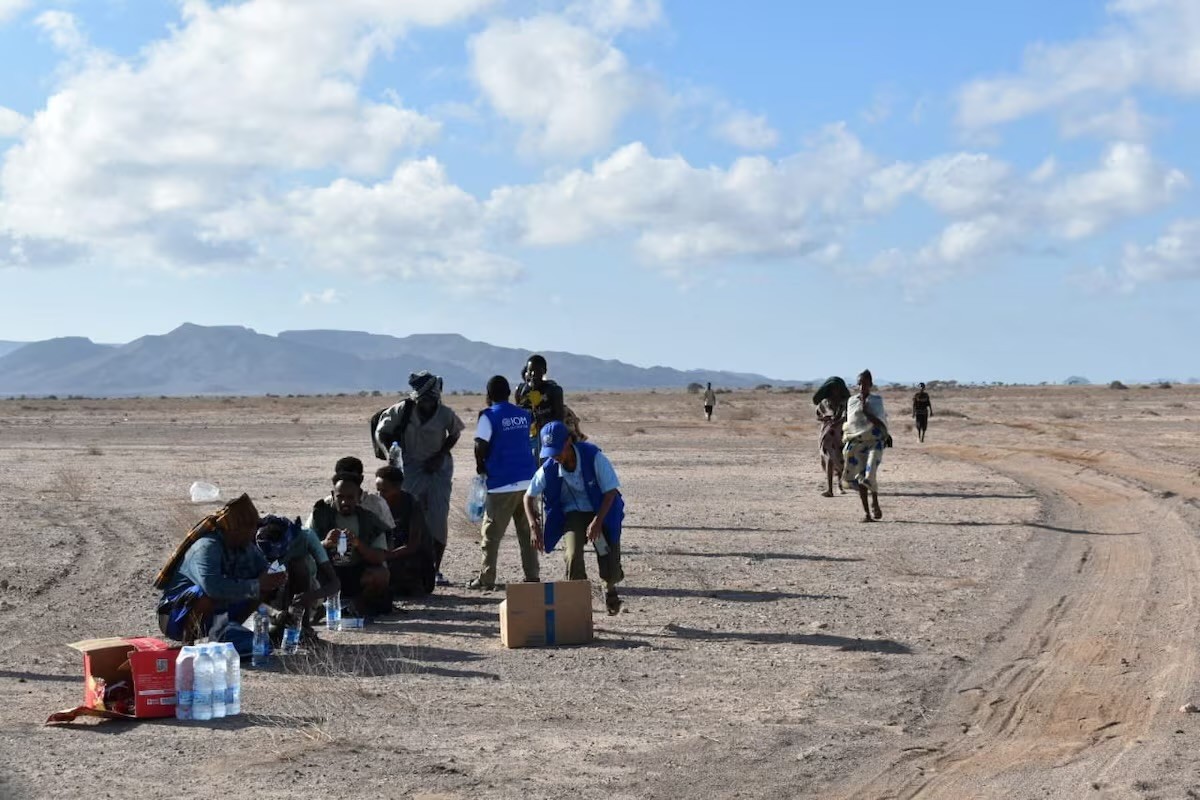
At least 139 migrants dead, including some children, after boat from Djibouti to Yemen capsizes, UN agency says
21:17
11 October 2026
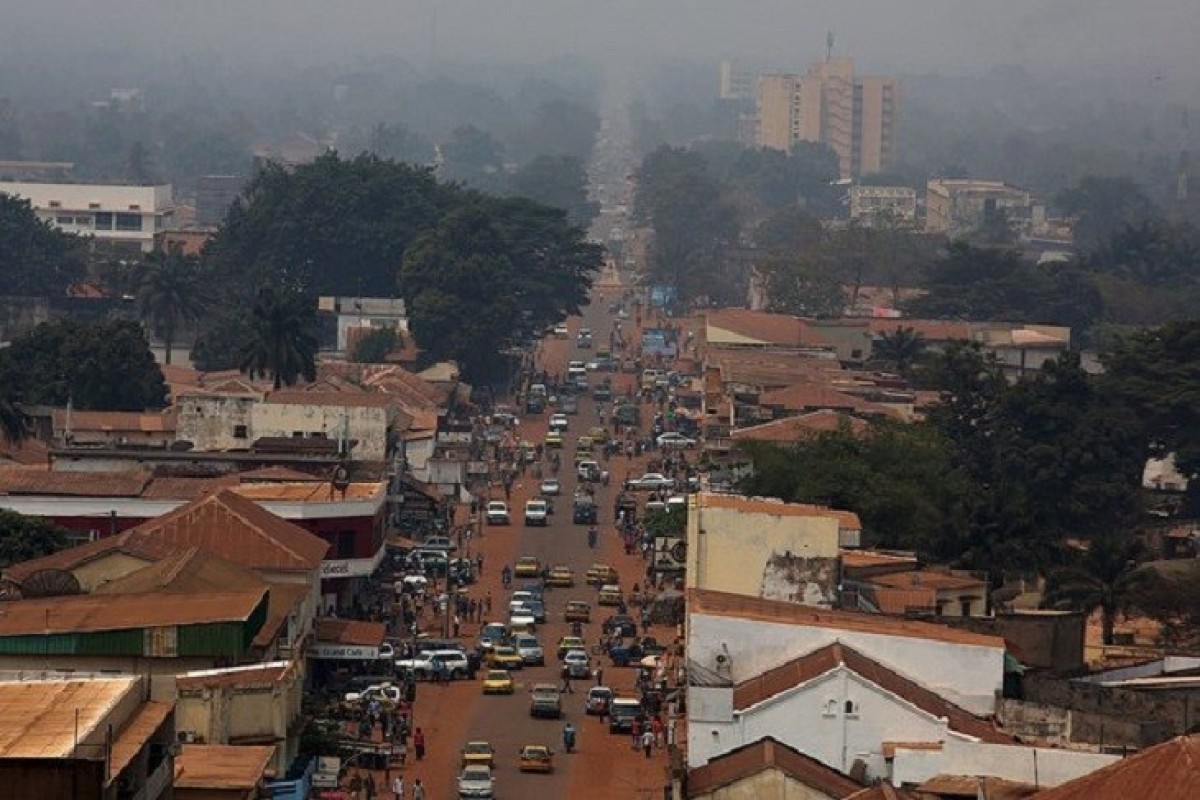
Central African Republic foils planned large-scale militant attack
07:04
11 October 2026

NEWS FEED
Taleh Kazimov reveals implementation level of financial sector development strategy
18:36
16 October 2026
Central Bank plans to expand use of artificial intelligence in monetary policy
18:27
16 October 2026
Jeyhun Bayramov meets Bangladesh’s State Minister for Foreign Affairs
18:04
16 October 2026
MoD: Tasks successfully carried out during Azerbaijan-UAE joint tactical flight exercise
17:57
16 October 2026
Ramiz Mehdiyev expelled from New Azerbaijan Party, deprivation of his awards proposed - UPDATED-3
17:55
16 October 2026
Azerbaijan-Uzbekistan Second Rectors’ Forum held
17:51
16 October 2026
IMF positively assesses Azerbaijan’s results in increasing non-oil revenues
17:43
16 October 2026
Azerbaijan seeks expansion of IMF technical assistance
17:32
16 October 2026
Priest shoots three people dead in Ukraine
17:30
16 October 2026
World Bank's global conference on state-owned enterprises to be held in Baku in 2027
17:29
16 October 2026
Surgut gas plant reportedly targeted by drones in Russia
17:20
16 October 2026
Metsamor NPP director general: Armenia considering energy cooperation with Azerbaijan
17:09
16 October 2026
Azerbaijan extends funding for war-disabled persons and martyrs' families until 2029
16:58
16 October 2026
Zelenskyy: Ukraine in talks with US on new meeting
16:55
16 October 2026
Energy security in the South Caucasus discussed at Russian Energy Week
16:53
16 October 2026
Moscow airports overcrowded following Ukrainian drone attacks - PHOTO
16:37
16 October 2026
Azerbaijan's Deposit Insurance Fund and Uzbekistan's Deposit Guarantee Agency ink Memorandum
16:32
16 October 2026
At least twelve dead after migrant boat incident off Gambia
16:19
16 October 2026
Kogalym airport in Russia closed for first time due to drone threat
16:00
16 October 2026
Official Moscow warns of threat of militants crossing from Afghanistan into Central Asia
15:58
16 October 2026
Oil Fund earns nearly AZN 8 billion from oil and gas sales - EXCLUSIVE
15:58
16 October 2026
Polish FM: US has not spent a cent on Ukraine’s defense since January last year
15:42
16 October 2026
Chief of General Staff of Azerbaijan Army meets with NATO delegation
15:40
16 October 2026
Prospects for further development of Azerbaijan-Sri Lanka relations discussed
15:38
16 October 2026
Novak announced the actual solution to the issues of diesel supplies to the United States
15:36
16 October 2026
Armenia PM, Iran president meet in Yerevan, discuss bilateral agenda
15:12
16 October 2026
Criminal case opened over calls to seize power in Azerbaijan, Turkish citizen declared wanted
15:05
16 October 2026
Heydar Aliyev International Airport to switch to autumn-winter flight schedule
14:39
16 October 2026
Foreign Minister Jeyhun Bayramov meets with CICA Secretary General Kairat Sarybay
14:11
16 October 2026
Azerbaijan prevents smuggling of 35 kg of drugs from Iran
14:10
16 October 2026
FM Mirzoyan: Armenia-Türkiye border could open at any moment
14:05
16 October 2026
Media representatives familiarize themselves with demining operation carried out by MES in Aghdam - PHOTO
14:01
16 October 2026
Peskov accuses Zelenskyy of refusing to assume responsibility
14:00
16 October 2026
Lukashenko orders expansion of volunteer defense units in Belarus
13:50
16 October 2026
Death toll from Istanbul floods reaches 4, three people missing
13:39
16 October 2026
Araghchi: Iran concerned about US presence in region, but trusts Armenia
13:37
16 October 2026
Prospects for LNG supplies to Vietnam discussed in Baku
13:16
16 October 2026
9th Congress of Azerbaijani journalists held - PHOTO - UPDATED - 1
13:02
16 October 2026
SOCAR announces intention to purchase gas from Gazprom
12:59
16 October 2026
ADY chairman attends New Silk Way Business Forum in Kazakhstan
12:57
16 October 2026
President Ilham Aliyev awards group of individuals for contributions to development of Paralympic movement
12:55
16 October 2026
President Ilham Aliyev received newly appointed Georgian ambassador to Azerbaijan
12:54
16 October 2026
President Ilham Aliyev received newly appointed Indian ambassador to Azerbaijan
12:50
16 October 2026
Press Council will continue its activities to develop journalism - Chairman
12:37
16 October 2026
Azerbaijan detains six foreigners over attempted illegal border crossings
12:33
16 October 2026
Chemical production indicators in Azerbaijan announced - TABLE
12:30
16 October 2026
High demand could help Azerbaijan increase export potential of halal products - Deputy Chairman
12:25
16 October 2026
New board of Directors of Azerbaijan’s Press Council formed
12:15
16 October 2026
Fuel oil production sharply increases in Azerbaijan - TABLE
12:09
16 October 2026
Azerbaijan Press Council elects new Chairman
12:03
16 October 2026


