












Baku-APA. Egypt’s new military rulers have urged an end to a series of crippling strikes that have broken out nationwide in the aftermath of the revolution, while signaling their intent to share power with civilians and amend the constitution by popular referendum, APA reports quoting voanews.com website.
The governing Supreme Military Council issued a communique Monday urging labor leaders to end the unrest, warning the strikes threaten any recovery in the country’s battered economy after two weeks of paralyzing protests.
But the military stopped short of banning strikes, as it attempted to reassure opposition leaders it is genuinely committed to a democratic transition .
Among the more prominent groups involved in full or partial strikes across Egypt are police officers, textile workers, cement laborers, public bank and municipal employees, oil and gas workers and bus drivers. Workers cite a series of grievances, including the need for better pay and job security.
Meanwhile, pro-democracy activist Wael Ghonim says the country’s new military rulers told him a referendum will be held on a revised constitution within two months. Ghonim and blogger Amr Salama said they secured the commitment in talks with the military council that took control of Egypt from President Hosni Mubarak when he resigned last Friday. They described Sunday’s meeting as encouraging.
Ghonim, a Google executive, and other cyber activists played a key role in organizing 18 days of nationwide anti-government protests that forced Mr. Mubarak to step down and hand power to the military after nearly 30 years in power.
The Associated Press reported that the coalition of youth activists presented a list of demands Monday, including dissolving Mr. Mubarak’s National Democratic Party and creating a new cabinet within 30 days. They want it to replace the current caretaker government, appointed by Mr. Mubarak after the protests erupted January 25.
Also Monday, indications surfaced that Egypt’s ousted president could be having medical problems. The Egyptian ambassador to the United States, Sameh Shoukry, said on U.S. television that Mr. Mubarak was “possibly in somewhat bad health.†The envoy said he could not be more specific.
Several hundred protesters appeared in Tahrir Square Monday, far fewer than the tens of thousands who gathered there during the past couple of weeks.
Elsewhere, Egyptian police joined the ranks of public workers who have launched protests, sit-ins and strikes. Striking bank workers forced authorities to make Monday an unscheduled bank holiday, running into a public observance already set for Tuesday.
Activists said the military council told them that a newly-appointed committee will finish drafting constitutional amendments in 10 days and seek public approval for the new charter in a national referendum in two months. Egypt’s military rulers have not confirmed the timelines.
The military council suspended the constitution and dissolved parliament Sunday, meeting two key demands of pro-democracy protesters who viewed the charter and legislature as tools of Mr. Mubarak’s authoritarian rule.
In a statement Sunday, Egypt’s military rulers said they will govern for six months or until new presidential and parliamentary elections are held. The votes are scheduled for September.


 Follow us on Telegram
 t.me/apanewsaz
 Follow us on Instagram
 Follow us on TikTok
 Follow us on Facebook
 Follow us on X
Africa
Two killed, five injured in shooting in S. Africa
 16:09
16:09
 14 October 2026
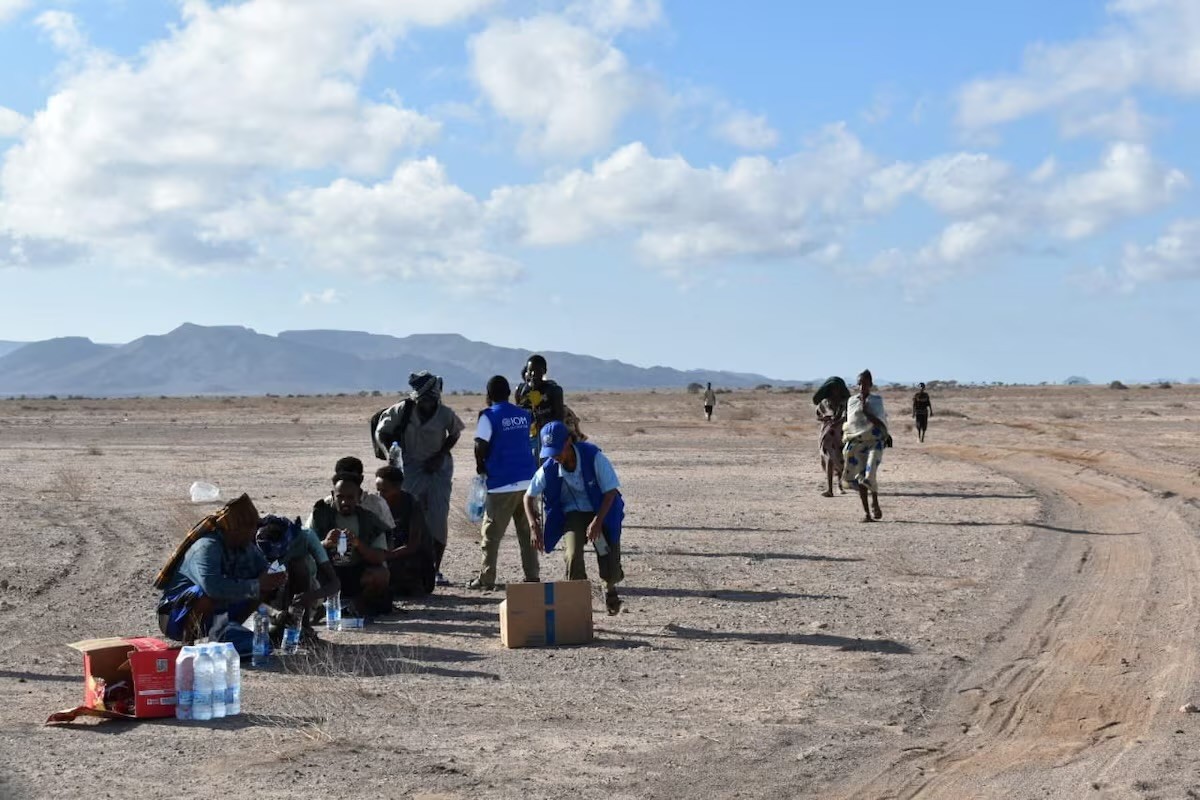
At least 139 migrants dead, including some children, after boat from Djibouti to Yemen capsizes, UN agency says
21:17
11 October 2026
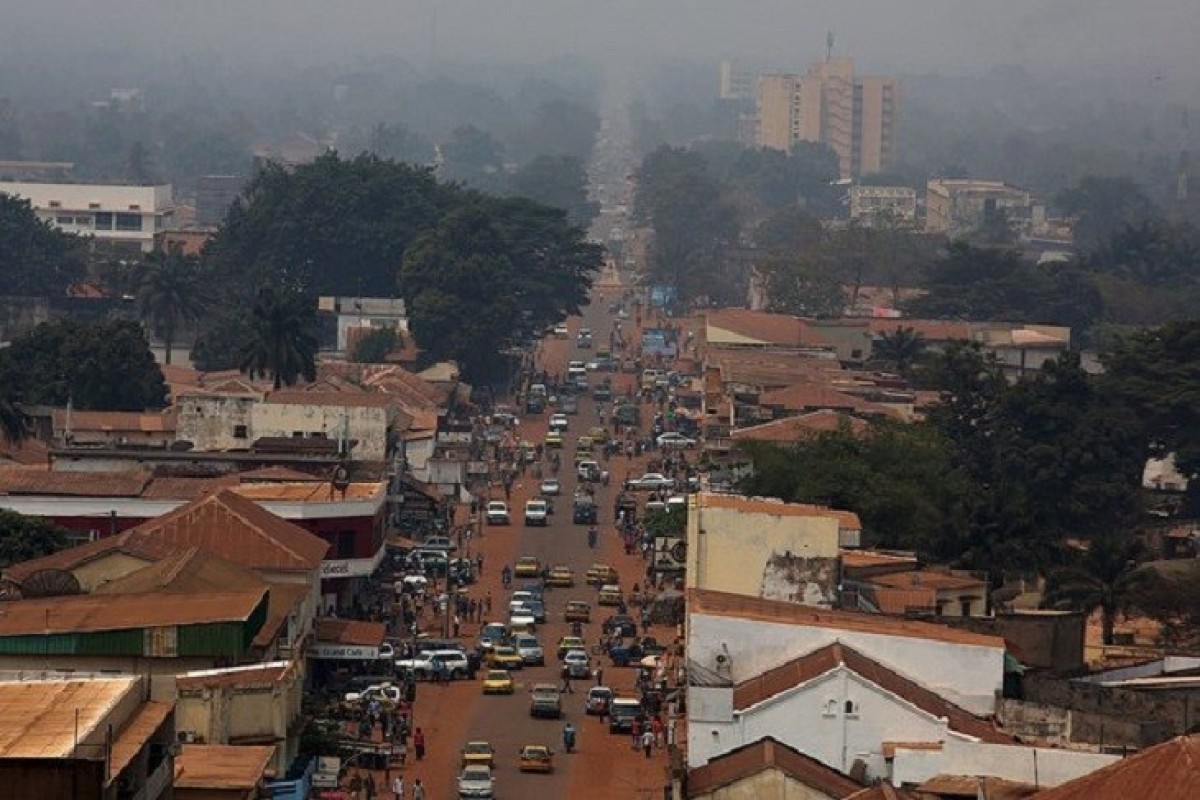
Central African Republic foils planned large-scale militant attack
07:04
11 October 2026
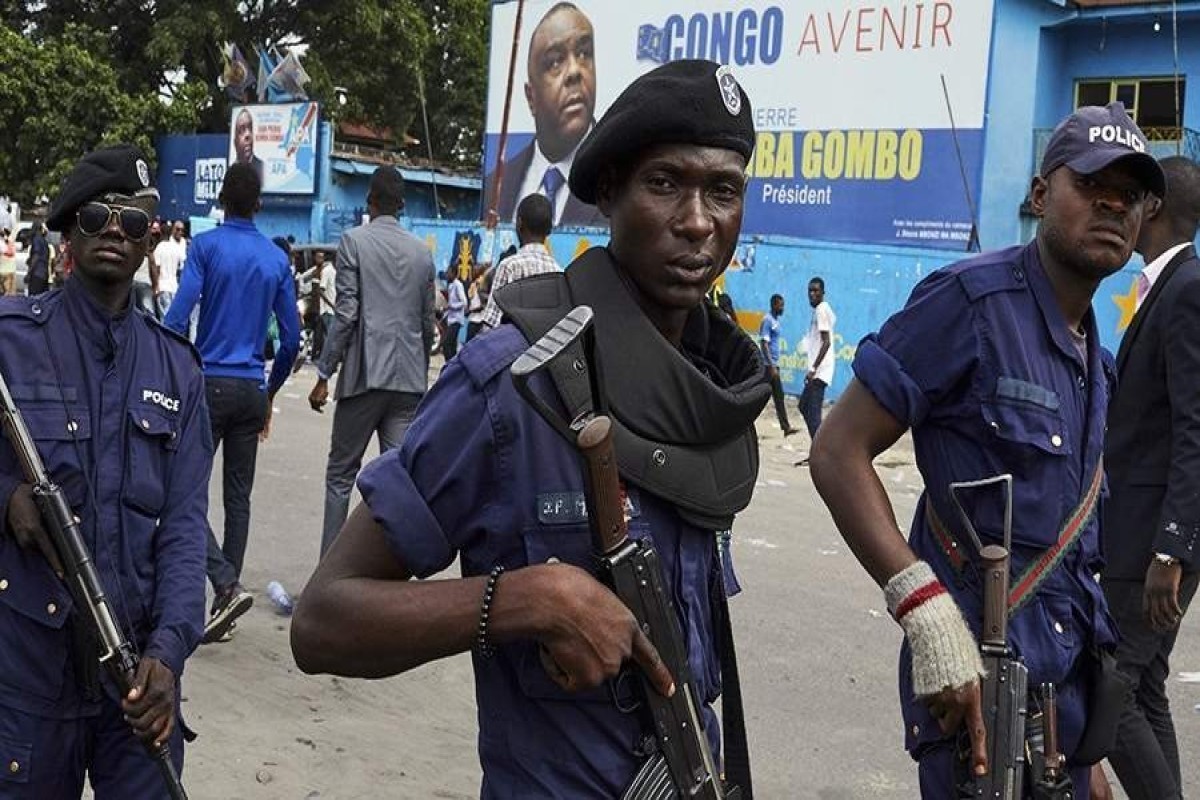
Rebel attack kills 11 civilians in DR Congo
05:16
11 October 2026

NEWS FEED
Ukrainian President discusses air defense with NATO Secretary General
20:31
15 October 2026
Ukraine runs out of Patriot interceptor missiles as Zelenskyy and Trump clash over war
19:52
15 October 2026
Iran's navy says "violating" oil tanker caught fire east of Hormuz Strait
19:43
15 October 2026
White House official: Trump considering all options to keep Iran from nuclear weapon
19:37
15 October 2026
Houthis fire missiles at presidential palace in Yemen's Aden, officials say
19:00
15 October 2026
President Ilham Aliyev’s social media accounts shared video on 7th CICA Summit
18:28
15 October 2026
President Ilham Aliyev met with Amir of Qatar - UPDATED
18:12
15 October 2026
Armenian and Turkish businesspeople discuss joint cooperation
17:56
15 October 2026
Journalist Alexander Nevzorov added to Russia’s list of terrorists and extremists
17:53
15 October 2026
New head of Republic of Dagestan elected
17:46
15 October 2026
Kobakhidze visits Armenia
17:17
15 October 2026
Georgian opposition announces protest rallies
17:05
15 October 2026
Pashinyan establishes working group to resolve railway issues with Russia
17:02
15 October 2026
Pope Leo recovering as planned after lung cancer surgery, doctors say
16:58
15 October 2026
Papuashvili: EU takes disruptive stance in relations with Georgia
16:40
15 October 2026
Baku hosted 7th CICA Summit, President Ilham Aliyev addressed the event - UPDATED - 4
16:34
15 October 2026
Azerbaijan to chair CICA in 2026–2028
16:27
15 October 2026
UN considers CICA's role more important now than ever
16:26
15 October 2026
Meeting held with delegation of international and foreign national Paralympic committees
16:23
15 October 2026
President Ilham Aliyev received Türkiye’s Minister of Foreign Affairs
16:16
15 October 2026
7th CICA Summit concludes
16:12
15 October 2026
CICA Secretary General replaced
16:11
15 October 2026
Lavrov considers it appropriate to hold next "3+3" meeting in Azerbaijan
16:08
15 October 2026
Baku Declaration adopted following 7th CICA Summit
16:05
15 October 2026
Large amount of drugs prevented from being smuggled from Iran into Azerbaijan - PHOTO
16:02
15 October 2026
Signed documents exchanged between Azerbaijan and Kazakhstan
16:00
15 October 2026
Lavrov: Russia ready to participate in TRIPP, but has not yet received invitation
15:50
15 October 2026
Lavrov: Zelenskyy is challenging Trump, not interested in elections
15:47
15 October 2026
Presidents of Azerbaijan and Kazakhstan met in Baku and inaugurated Trans-Caspian Fiber-Optic Cable Line
15:44
15 October 2026
9th Congress of Azerbaijani Journalists to be held tomorrow, candidates for Press Council Board announced
15:43
15 October 2026
Gharibabadi: Current difficulties in Strait of Hormuz caused by military aggression and naval blockade against Iran
15:42
15 October 2026
ING: $10 rise in oil prices could increase Azerbaijan’s exports by 2–4% of GDP
15:39
15 October 2026
UAE Minister: Priorities set during Azerbaijan’s CICA chairmanship align with UAE’s vision
15:33
15 October 2026
Palestinian issue raised at CICA Summit
15:31
15 October 2026
Indian FM: Changing geopolitical landscape necessitates more active participation of Global South countries
15:15
15 October 2026
Azerbaijan takes over chairmanship of CIS Advisory Council on Labor, Employment and Social Protection
15:14
15 October 2026
Death toll from Istanbul floods reaches 3, four people missing
15:12
15 October 2026
Azerbaijani Special Forces conduct training sessions for reservists
15:07
15 October 2026
Home of Novaya Gazeta editor-in-chief searched
15:04
15 October 2026
Lavrov: Russia has always supported CICA's development through practical cooperation
14:58
15 October 2026
Foreign ministers of Azerbaijan, Uzbekistan and Turkmenistan hold trilateral meeting
14:55
15 October 2026
Turkish and Russian FMs meet in Baku
14:53
15 October 2026
Türkiye committed to strengthening CICA as Asia's most comprehensive security platform - Turkish FM
14:51
15 October 2026
Bahrain calls for ensuring safety of maritime and air navigation
14:44
15 October 2026
Pezeshkian to visit Armenia for biodiversity summit
14:40
15 October 2026
Pashinyan: Armenia has never had strained relations with Russia
14:40
15 October 2026
FM Hakan Fidan: We want COP31 to become an opportunity to strengthen climate justice
14:38
15 October 2026
Turkish FM: We support CICA's transformation into a full-fledged international organization
14:33
15 October 2026
Peskov: Moscow unaware of US proposals to Europe on unfreezing Russian assets
14:31
15 October 2026
Azerbaijani Parliament Speaker meets with Chairman of House of Representatives of Belarusian National Assembly
14:29
15 October 2026


