









Baku – APA. Sudan’s president on Monday accepted a southern vote for independence in a referendum that is set to create Africa’s newest state and open up a fresh period of uncertainty in the increasingly volatile region, APA reports quoting “Reutersâ€.
Final results from the plebiscite are due later on Monday but preliminary figures show 98.83 percent of voters from Sudan’s oil-producing south chose to secede from the north. Sudan is now expected to split in two on July 9.
"Today we received these results and we accept and welcome these results because they represent the will of the southern people," President Omar Hassan al-Bashir said in an address on state TV.
The referendum is the climax of a 2005 north-south peace deal that set out to end Africa’s longest civil war, reunite the divided country and instill democracy in a land that straddles the continent’s Arab-sub Saharan divide.
Southern officials say the question of a name for the new state is unresolved but it could become just "South Sudan."
Bashir’s comments allayed fears that the split could reignite conflict over the control of the south’s oil reserves.
South Sudan’s leader Salva Kiir added to the conciliatory mood by promising he would help Khartoum campaign for the forgiveness of the country’s crippling debts and the easing of international trade sanctions in coming months.
Kiir praised Bashir for accepting the result. "President Bashir and (Bashir’s northern) National Congress Party deserve a reward," he told a meeting of Sudan’s cabinet in Khartoum broadcast on state TV.
Both sides did avoid major outbreaks of violence over the past five years. But they failed to overcome decades of deep mutual distrust to persuade southerners to embrace unity.
Hundreds of people started gathering in the blistering heat of the southern capital Juba on Monday to celebrate the results.
"Today I don’t fear war anymore, it is the past ... Our leaders have made friends with the north, but for me, I can never forgive them for what I have seen. I don’t hate them now, but I never want to see them again," said Riak Maker, 29, as men drummed and women ululated around him.
CIVIL WAR
Many southerners see the vote as a chance to end to years of northern repression, which they say stretches back through years of civil war to 19th century raids by slave traders.
Bashir, who campaigned against secession, has surprised many commentators with a series of positive remarks about the south in recent weeks.
Washington has signaled it is ready to remove Sudan from its list of state sponsors of terrorism after a successful referendum, and help in easing crippling trade sanctions.
The West’s hands may be tied by the continuing global uproar over Sudan’s separate Darfur conflict. Bashir is still living under the threat of arrest warrants issued by the International Criminal Court over charges he orchestrated genocide in Darfur.
Deep uncertainties remain over the economic and political stability of both territories over the next five months of intense negotiations over how to share their oil revenues and other unresolved issues.
Landlocked south Sudan is almost entirely dependent on oil revenues and has struggled to find other sources of income to support its economy, weighed down by the huge costs of its army and civil service wage bills.
The north is mired in its own economic crisis, marked by soaring inflation. A series of small street protests, part inspired by uprisings in Tunisia and neighboring Egypt, has increased political pressure on Khartoum, as has the prospect of losing the south, seen as a matter of shame to some northerners.
The challenges were underlined over the weekend when soldiers in the southern town of Malakal mutinied, killing at least 50 people, after refusing to redeploy north with their weapons as part of preparations for the split.
Malakal has already seen north-south clashes since the end of the civil war, a conflict that killed 2 million people and destabilized the whole region, flooding it with refugees.
Other burning issues include the division of Sudan’s crippling debt, the position of the north-south border, the ownership of the contested oil-producing Abyei region and the regionally divisive share out of water from the river Nile.


 Follow us on Telegram
 t.me/apanewsaz
 Follow us on Instagram
 Follow us on TikTok
 Follow us on Facebook
 Follow us on X
Africa
Two killed, five injured in shooting in S. Africa
 16:09
16:09
 14 October 2026
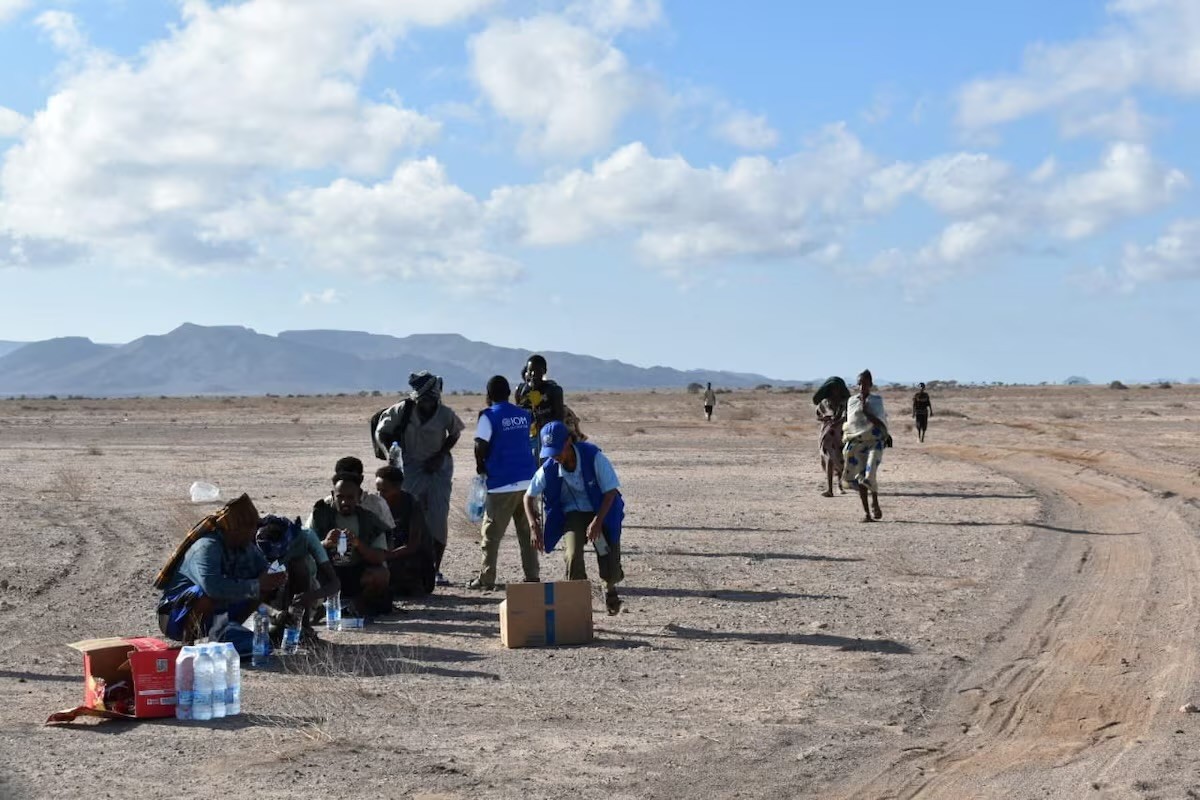
At least 139 migrants dead, including some children, after boat from Djibouti to Yemen capsizes, UN agency says
21:17
11 October 2026
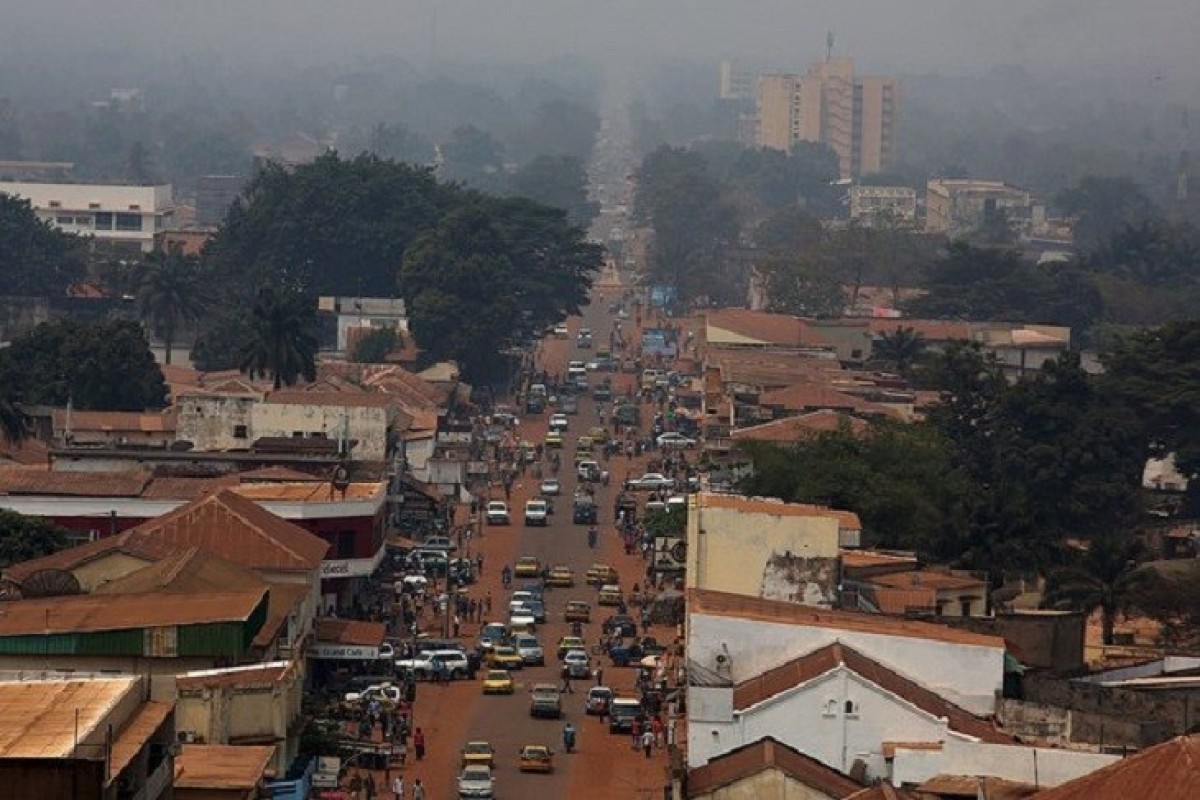
Central African Republic foils planned large-scale militant attack
07:04
11 October 2026
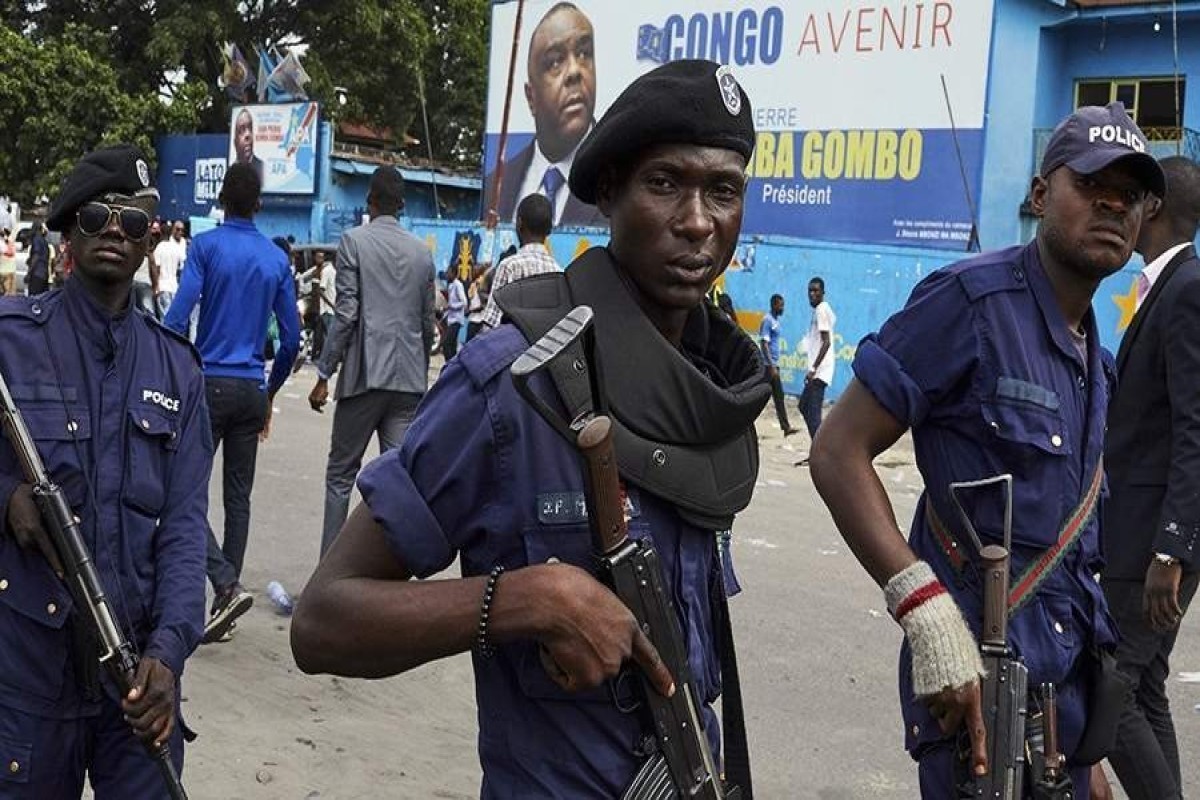
Rebel attack kills 11 civilians in DR Congo
05:16
11 October 2026

NEWS FEED
Iran's navy says "violating" oil tanker caught fire east of Hormuz Strait
19:43
15 October 2026
White House official: Trump considering all options to keep Iran from nuclear weapon
19:37
15 October 2026
Houthis fire missiles at presidential palace in Yemen's Aden, officials say
19:00
15 October 2026
President Ilham Aliyev’s social media accounts shared video on 7th CICA Summit
18:28
15 October 2026
President Ilham Aliyev met with Amir of Qatar - UPDATED
18:12
15 October 2026
Armenian and Turkish businesspeople discuss joint cooperation
17:56
15 October 2026
Journalist Alexander Nevzorov added to Russia’s list of terrorists and extremists
17:53
15 October 2026
New head of Republic of Dagestan elected
17:46
15 October 2026
Kobakhidze visits Armenia
17:17
15 October 2026
Georgian opposition announces protest rallies
17:05
15 October 2026
Pashinyan establishes working group to resolve railway issues with Russia
17:02
15 October 2026
Pope Leo recovering as planned after lung cancer surgery, doctors say
16:58
15 October 2026
Papuashvili: EU takes disruptive stance in relations with Georgia
16:40
15 October 2026
Baku hosted 7th CICA Summit, President Ilham Aliyev addressed the event - UPDATED - 4
16:34
15 October 2026
Azerbaijan to chair CICA in 2026–2028
16:27
15 October 2026
UN considers CICA's role more important now than ever
16:26
15 October 2026
Meeting held with delegation of international and foreign national Paralympic committees
16:23
15 October 2026
President Ilham Aliyev received Türkiye’s Minister of Foreign Affairs
16:16
15 October 2026
7th CICA Summit concludes
16:12
15 October 2026
CICA Secretary General replaced
16:11
15 October 2026
Lavrov considers it appropriate to hold next "3+3" meeting in Azerbaijan
16:08
15 October 2026
Baku Declaration adopted following 7th CICA Summit
16:05
15 October 2026
Large amount of drugs prevented from being smuggled from Iran into Azerbaijan - PHOTO
16:02
15 October 2026
Signed documents exchanged between Azerbaijan and Kazakhstan
16:00
15 October 2026
Lavrov: Russia ready to participate in TRIPP, but has not yet received invitation
15:50
15 October 2026
Lavrov: Zelenskyy is challenging Trump, not interested in elections
15:47
15 October 2026
Presidents of Azerbaijan and Kazakhstan met in Baku and inaugurated Trans-Caspian Fiber-Optic Cable Line
15:44
15 October 2026
9th Congress of Azerbaijani Journalists to be held tomorrow, candidates for Press Council Board announced
15:43
15 October 2026
Gharibabadi: Current difficulties in Strait of Hormuz caused by military aggression and naval blockade against Iran
15:42
15 October 2026
ING: $10 rise in oil prices could increase Azerbaijan’s exports by 2–4% of GDP
15:39
15 October 2026
UAE Minister: Priorities set during Azerbaijan’s CICA chairmanship align with UAE’s vision
15:33
15 October 2026
Palestinian issue raised at CICA Summit
15:31
15 October 2026
Indian FM: Changing geopolitical landscape necessitates more active participation of Global South countries
15:15
15 October 2026
Azerbaijan takes over chairmanship of CIS Advisory Council on Labor, Employment and Social Protection
15:14
15 October 2026
Death toll from Istanbul floods reaches 3, four people missing
15:12
15 October 2026
Azerbaijani Special Forces conduct training sessions for reservists
15:07
15 October 2026
Home of Novaya Gazeta editor-in-chief searched
15:04
15 October 2026
Lavrov: Russia has always supported CICA's development through practical cooperation
14:58
15 October 2026
Foreign ministers of Azerbaijan, Uzbekistan and Turkmenistan hold trilateral meeting
14:55
15 October 2026
Turkish and Russian FMs meet in Baku
14:53
15 October 2026
Türkiye committed to strengthening CICA as Asia's most comprehensive security platform - Turkish FM
14:51
15 October 2026
Bahrain calls for ensuring safety of maritime and air navigation
14:44
15 October 2026
Pashinyan: Armenia has never had strained relations with Russia
14:40
15 October 2026
Pezeshkian to visit Armenia for biodiversity summit
14:40
15 October 2026
FM Hakan Fidan: We want COP31 to become an opportunity to strengthen climate justice
14:38
15 October 2026
Turkish FM: We support CICA's transformation into a full-fledged international organization
14:33
15 October 2026
Peskov: Moscow unaware of US proposals to Europe on unfreezing Russian assets
14:31
15 October 2026
Azerbaijani Parliament Speaker meets with Chairman of House of Representatives of Belarusian National Assembly
14:29
15 October 2026
Kremlin: Russian diesel has begun entering global markets
14:22
15 October 2026
FM: China highly appreciates Azerbaijan's efforts to strengthen CICA
14:18
15 October 2026