













Baku – APA. President Hosni Mubarak’s new cabinet on Monday held its first full meeting since an uprising started nearly two weeks ago, with no concrete progress in talks with Islamists and an opposition who demand his immediate exit, APA reports quoting “Reutersâ€.
Mubarak, 82, who has refused calls to end his 30-year-old presidency before September polls, saying his resignation would cause chaos in the Arab world’s most populous nation, has tried to focus on restoring order.
Protesters, barricaded in a tent camp in Tahrir Square in the heart of Cairo, have vowed to stay until Mubarak quits and hope to take their campaign to the streets with more mass demonstrations on Tuesday and Friday.
The banned Islamist Muslim Brotherhood movement was among the groups that met Egyptian government officials at the weekend, a sign of how much has already changed in an uprising that has rocked the Arab world and alarmed Western powers.
Opposition figures reported little progress in the talks. While protesters want Mubarak to step down immediately, many worry that when he does leave, he will be replaced not with the democracy they seek but with another authoritarian ruler.
With a government pledging to reform, an opposition with limited political experience, a constitutional process that mitigates against haste, and a key strategic role, Egypt’s next steps must be considered carefully, U.S. officials say.
The opposition has made big gains in the past two weeks.
Mubarak has said he will not run again for president, his son has been ruled out as next in line, a vice president has been appointed for the first time in 30 years, the ruling party leadership has quit and the old cabinet was sacked.
Perhaps more important, protesters now take to the streets almost with impunity in their hundreds of thousands. Before January 25, a few hundred would have met a crushing police response in this U.S. ally whose army receives $1.3 billon in aid annually.
"OVER THE HORIZON"
Appearing to soften her position for Mubarak to step down, U.S. Secretary of State Hillary Clinton has said her policy on Egypt looks "over the horizon" to its possible democratic future -- a future that must be carefully planned.
The cautious U.S. approach to the unrest shaking its strategic Middle East partner has come at a cost, putting the Obama administration out of step with the protesters who say Mubarak must quit now for serious political talks to take place.
As allies coalesced around the U.S. position, German Chancellor Angela Merkel’s spokesman Steffen Seibert said it was clear that the Mubarak era was in its final phase and there would be other leaders.
"That is what’s important for us, that this new direction is clear and irreversible," he said, adding: "It’s not so important that individual people resign or whether there is a competition to have the quickest possible election."
Former Trade Minister Rachid Mohamed Rachid, sacked by Mubarak along with the rest of the cabinet, said: "I believe the presence of Mubarak in the next phase of transition for the next few months is very critical."
Determined protesters in Tahrir (Liberation) Square were settling into a routine on Monday after a bloody revolt which the United Nations says may have cost 300 lives so far. Activists have called the uprising the "Nile Revolution."
Keen to get traffic moving around Tahrir Square, the army tried early on Monday to squeeze the area the protesters have occupied. Overnight campers rushed out of their tents to surround soldiers attempting to corral them into a smaller area.
Wary of the army’s effort to gain ground to try and restore the traffic flow in central Cairo, dozens of protesters slept inside the tracks of the army vehicles. The powerful army’s role in the next weeks is considered critical to the future of Egypt.
"The army is getting restless and so are the protesters. The army wants to squeeze us into a small circle in the middle of the square to get the traffic moving again," protester Mohamed Shalaby, 27, told Reuters by telephone.
Egypt’s government tried to get the country back to normal when the working week began on Sunday. Banks reopened after a week-long closure with lines of customers accessing accounts but hours, and withdrawals, were limited. Schools remained shut.
Several major Egyptian business concerns resumed business. Orascom Construction Industries (OCI), Egypt’s biggest listed firm, said it had resumed work at almost 90 percent of its construction sites in Egypt as of Sunday.
In another move to restore normality, authorities shortened the curfew, largely ignored by the hard-core protesters, to start at 8 p.m. and end at 6 a.m..
Many Egyptians, including those who took part in nationwide demonstrations last week against Mubarak, are keen to get back to work and are worried about the effects of the crisis on stability, the economy and the important tourism sector.
Egypt’s pound weakened to a six-year low on the second day of trade after a week-long closure. State-controlled banks seemed to be selling dollars to support the pound.
"Things are stable. I can’t say they’re good, but they’re not collapsing," said a trader at a Cairo-based bank.
The bourse remained closed until Sunday because of the political turmoil and Egypt’s central bank reduced the size of its Treasury bill offering, possibly out of concern that nervous investors would not buy the full amount.
Government ministers held their first full meeting at since Mubarak reshuffled his cabinet on January 28 in an attempt to appease protesters enraged by years of corruption, economic hardship and political oppression.
MUSLIM BROTHERHOOD
The presence at the weekend talks of the banned Muslim Brotherhood, whose members have for years been repressed by Mubarak’s feared security forces, was a significant development that would have been unthinkable before the uprising.
Egypt’s courts have repeatedly rebuffed the Brotherhood’s requests for recognition as a party on the grounds that the constitution bans parties based on religion.
In the past three decades, Brotherhood members were tortured, repressed, arrested and tried in military courts under emergency laws implemented when Mubarak took over after the assassination of Anwar Sadat by Islamist soldiers from his army.
The government insists it investigates accusations of torture and says it uses emergency laws to fight terrorism.
The government said after the weekend meeting, chaired by Vice President Omar Suleiman, they agreed to draft a road map for talks, indicating Mubarak would stay in power to oversee change. It would also move to release jailed activists, guarantee press freedom and lift Egypt’s emergency laws.
A committee was set up to study constitutional change.
The opposition said the government failed to meet its demand for a complete overhaul of Egypt’s political system.
Abdel Monem Aboul Fotouh, a senior Brotherhood figure, said the government statement represented "good intentions but does not include any solid changes."
Leading Brotherhood member Essam al-Erian said on Monday the statement issued after the meeting between Suleiman and the opposition on Sunday had not been signed by the attendees.
It had been issued after they left the meeting and without them having seen it in its final form, he told Reuters.
Opposition activists reject any compromise which would see Mubarak hand over power to Suleiman but serve out his term -- essentially relying on the old authoritarian system to pave the way to full civilian democracy and saving his face.


 Follow us on Telegram
 t.me/apanewsaz
 Follow us on Instagram
 Follow us on TikTok
 Follow us on Facebook
 Follow us on X
Africa
Two killed, five injured in shooting in S. Africa
 16:09
16:09
 14 October 2026
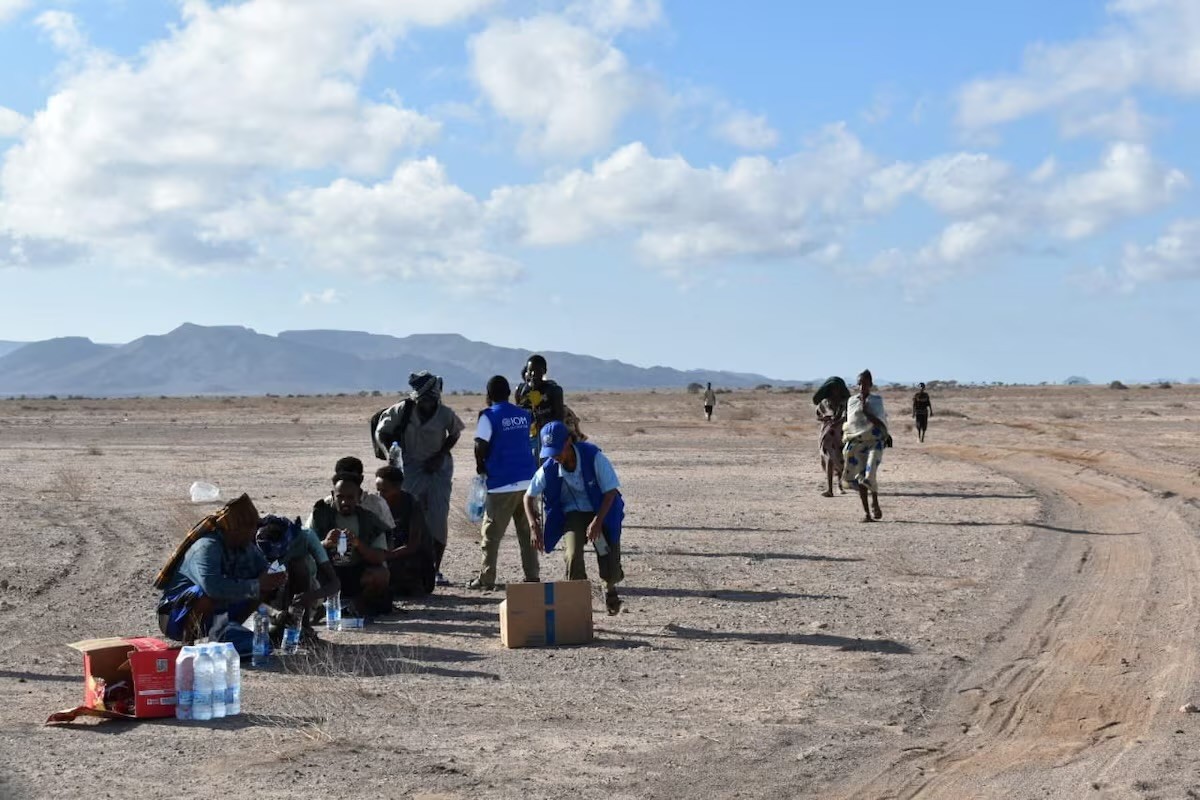
At least 139 migrants dead, including some children, after boat from Djibouti to Yemen capsizes, UN agency says
21:17
11 October 2026
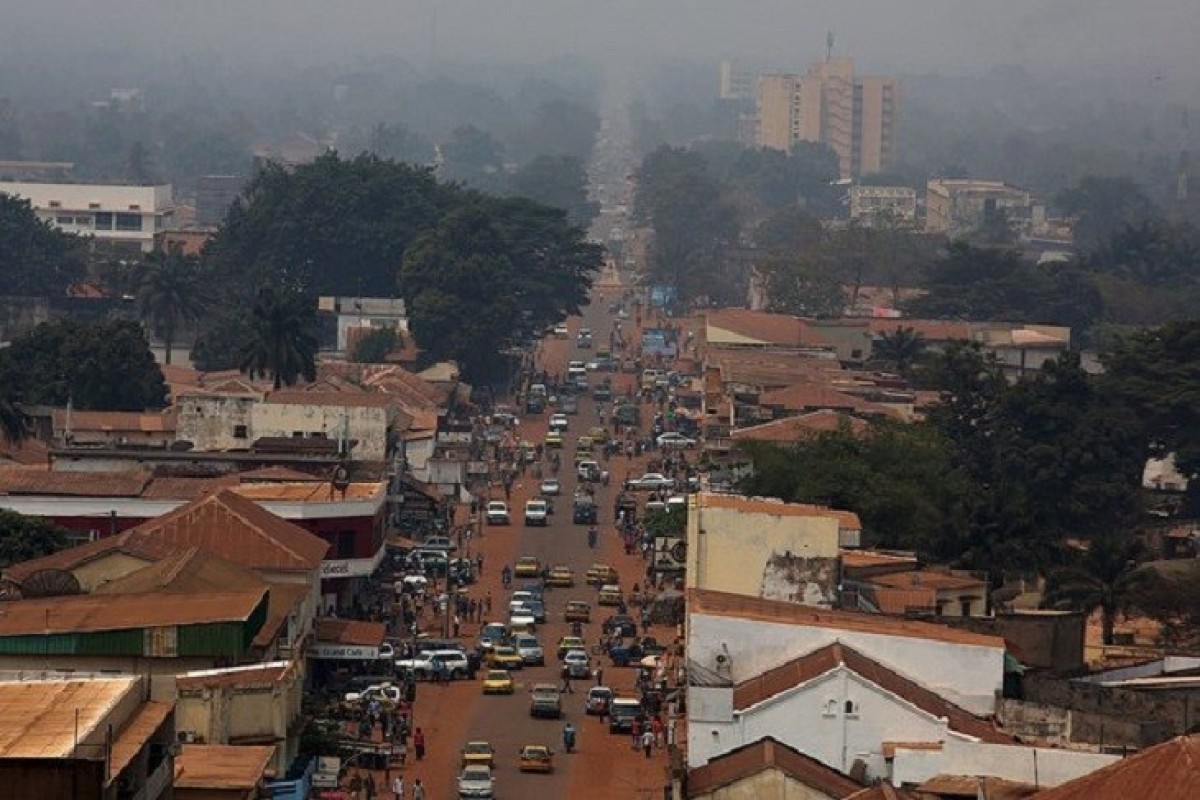
Central African Republic foils planned large-scale militant attack
07:04
11 October 2026
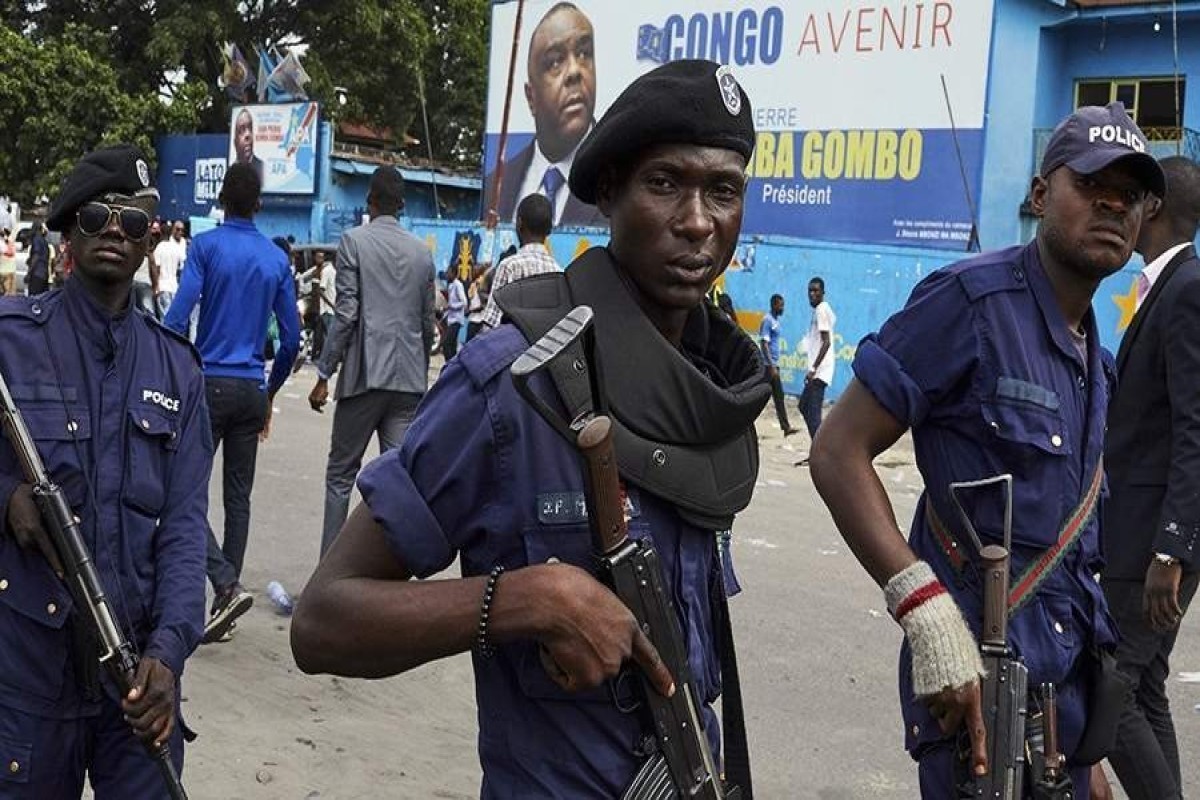
Rebel attack kills 11 civilians in DR Congo
05:16
11 October 2026

NEWS FEED
Iran's navy says "violating" oil tanker caught fire east of Hormuz Strait
19:43
15 October 2026
White House official: Trump considering all options to keep Iran from nuclear weapon
19:37
15 October 2026
Houthis fire missiles at presidential palace in Yemen's Aden, officials say
19:00
15 October 2026
President Ilham Aliyev’s social media accounts shared video on 7th CICA Summit
18:28
15 October 2026
President Ilham Aliyev met with Amir of Qatar - UPDATED
18:12
15 October 2026
Armenian and Turkish businesspeople discuss joint cooperation
17:56
15 October 2026
Journalist Alexander Nevzorov added to Russia’s list of terrorists and extremists
17:53
15 October 2026
New head of Republic of Dagestan elected
17:46
15 October 2026
Kobakhidze visits Armenia
17:17
15 October 2026
Georgian opposition announces protest rallies
17:05
15 October 2026
Pashinyan establishes working group to resolve railway issues with Russia
17:02
15 October 2026
Pope Leo recovering as planned after lung cancer surgery, doctors say
16:58
15 October 2026
Papuashvili: EU takes disruptive stance in relations with Georgia
16:40
15 October 2026
Baku hosted 7th CICA Summit, President Ilham Aliyev addressed the event - UPDATED - 4
16:34
15 October 2026
Azerbaijan to chair CICA in 2026–2028
16:27
15 October 2026
UN considers CICA's role more important now than ever
16:26
15 October 2026
Meeting held with delegation of international and foreign national Paralympic committees
16:23
15 October 2026
President Ilham Aliyev received Türkiye’s Minister of Foreign Affairs
16:16
15 October 2026
7th CICA Summit concludes
16:12
15 October 2026
CICA Secretary General replaced
16:11
15 October 2026
Lavrov considers it appropriate to hold next "3+3" meeting in Azerbaijan
16:08
15 October 2026
Baku Declaration adopted following 7th CICA Summit
16:05
15 October 2026
Large amount of drugs prevented from being smuggled from Iran into Azerbaijan - PHOTO
16:02
15 October 2026
Signed documents exchanged between Azerbaijan and Kazakhstan
16:00
15 October 2026
Lavrov: Russia ready to participate in TRIPP, but has not yet received invitation
15:50
15 October 2026
Lavrov: Zelenskyy is challenging Trump, not interested in elections
15:47
15 October 2026
Presidents of Azerbaijan and Kazakhstan met in Baku and inaugurated Trans-Caspian Fiber-Optic Cable Line
15:44
15 October 2026
9th Congress of Azerbaijani Journalists to be held tomorrow, candidates for Press Council Board announced
15:43
15 October 2026
Gharibabadi: Current difficulties in Strait of Hormuz caused by military aggression and naval blockade against Iran
15:42
15 October 2026
ING: $10 rise in oil prices could increase Azerbaijan’s exports by 2–4% of GDP
15:39
15 October 2026
UAE Minister: Priorities set during Azerbaijan’s CICA chairmanship align with UAE’s vision
15:33
15 October 2026
Palestinian issue raised at CICA Summit
15:31
15 October 2026
Indian FM: Changing geopolitical landscape necessitates more active participation of Global South countries
15:15
15 October 2026
Azerbaijan takes over chairmanship of CIS Advisory Council on Labor, Employment and Social Protection
15:14
15 October 2026
Death toll from Istanbul floods reaches 3, four people missing
15:12
15 October 2026
Azerbaijani Special Forces conduct training sessions for reservists
15:07
15 October 2026
Home of Novaya Gazeta editor-in-chief searched
15:04
15 October 2026
Lavrov: Russia has always supported CICA's development through practical cooperation
14:58
15 October 2026
Foreign ministers of Azerbaijan, Uzbekistan and Turkmenistan hold trilateral meeting
14:55
15 October 2026
Turkish and Russian FMs meet in Baku
14:53
15 October 2026
Türkiye committed to strengthening CICA as Asia's most comprehensive security platform - Turkish FM
14:51
15 October 2026
Bahrain calls for ensuring safety of maritime and air navigation
14:44
15 October 2026
Pashinyan: Armenia has never had strained relations with Russia
14:40
15 October 2026
Pezeshkian to visit Armenia for biodiversity summit
14:40
15 October 2026
FM Hakan Fidan: We want COP31 to become an opportunity to strengthen climate justice
14:38
15 October 2026
Turkish FM: We support CICA's transformation into a full-fledged international organization
14:33
15 October 2026
Peskov: Moscow unaware of US proposals to Europe on unfreezing Russian assets
14:31
15 October 2026
Azerbaijani Parliament Speaker meets with Chairman of House of Representatives of Belarusian National Assembly
14:29
15 October 2026
Kremlin: Russian diesel has begun entering global markets
14:22
15 October 2026
FM: China highly appreciates Azerbaijan's efforts to strengthen CICA
14:18
15 October 2026


