










Baku – APA. Supporters of President Hosni Mubarak attacked protesters with fists, stones and clubs in Cairo on Wednesday as the Egyptian government rejected international calls for the leader to end his 30-year-rule now, APA reports quoting “Reutersâ€.
Anti-Mubarak protesters hurled stones back and said the attackers were police in plain clothes, a charge that the government denied.
The attack caused chaotic scenes in central Tahrir Square, some of the Mubarak supporters rode into the crowd on horses and camels and in carriages, wielding whips and sticks.
Opposition figurehead Mohamed ElBaradei, a Nobel Peace laureate, called on the army to intervene to stop the violence, the worst in the nine-day uprising against Mubarak since protesters fought street battles last Friday.
But troops stood by and watched.
The emergence of Mubarak loyalists, whether ordinary citizens or police, thrust a new dynamic into the momentous events in this most populous Arab nation of 80 million people.
The uprising broke out last week as public frustration with corruption, oppression and economic hardship under Mubarak boiled over.
The crisis has alarmed the United States and other Western governments who saw Mubarak as a bulwark of stability in a volatile regional, and has raised the prospect of unrest spreading to other authoritarian Arab countries.
Mubarak went on national television on Tuesday night to say he would not stand in elections scheduled for September but this was not good enough for the protesters, who demanded he leave the country immediately.
President Barack Obama telephoned the 82-year-old to say Washington wanted him to move faster on political transition.
"What is clear and what I indicated tonight to President Mubarak is my belief that an orderly transition must be meaningful, it must be peaceful and it must begin now," Obama said after speaking to him.
But Mubarak dug his heels in on Wednesday. A Foreign Ministry statement rejected U.S. and European calls for the transition to start immediately and said they "aimed to incite the internal situation in Egypt."
International backing for Mubarak, for three decades a stalwart of the West’s Middle East policy and defense against the spread of militant Islam, crumbled as he tried to brazen out the crisis.
France, Germany and Britain also urged a speedy transition.
Some of the few words of encouragement for him have come from oil-giant Saudi Arabia, a country seen by many analysts as vulnerable to a similar outbreak of discontent.
Israel, which signed a peace treaty with Egypt in 1979, is also watching the situation in its western neighbor nervously, weighing the possibility that anti-Israeli Islamists might gain a share of power.
FIGHTING IN THE SQUARE
Troops made no attempt to intervene as opposing factions clashed in the vast Tahrir (Liberation) Square, the focus of the protests.
Reuters correspondents saw dozens injured and many people fled in panic. But some anti-Mubarak protesters said they would not leave the square until Mubarak quits.
Khalil, a man in his 60s holding a stick, blamed Mubarak supporters and undercover security men for the clashes.
"We will not leave," he told Reuters. "Everybody stay put."
The Interior Ministry denied police were involved.
Earlier, the armed forces had told the protesters that their demands had been heard and it was time for them to clear the streets.
An opposition coalition, which includes Islamist organization the Muslim Brotherhood, responded to the army warning by calling for more protests.
It said it would only negotiate with Vice President Omar Suleiman, a former intelligence chief appointed by Mubarak at the weekend, once Mubarak stepped down.
Mubarak’s offer to leave in September was his latest gambit in the crisis. At the weekend he reshuffled his cabinet and promised reform but it was not enough for protesters.
One million people took to the streets of Egyptian cities on Tuesday calling for him to quit.
YEMEN, JORDAN FEEL THE HEAT
Many analysts see the army as trying to ensure a transition of power that would allow it to retain much of its influence.
Hani Sabra, a Eurasia Group analyst, said Mubarak’s announcement he would not stand in the election in September marked the start of a long, messy negotiation process between the government and the opposition.
"In the medium term, these negotiations will likely produce an Egypt best described as a hybrid democracy, combining a strong military with a more pluralistic electoral system," he said.
Israel, which signed a peace treaty with Egypt in 1979, is also watching the situation in its western neighbor nervously, weighing the possibility that anti-Israeli Islamists might gain a share of power.
FIGHTING IN THE SQUARE
Troops made no attempt to intervene as opposing factions clashed in the vast Tahrir (Liberation) Square, the focus of the protests.
Reuters correspondents saw dozens injured and many people fled in panic. But some anti-Mubarak protesters said they would not leave the square until Mubarak quits.
Khalil, a man in his 60s holding a stick, blamed Mubarak supporters and undercover security men for the clashes.
"We will not leave," he told Reuters. "Everybody stay put."
The Interior Ministry denied police were involved.
Earlier, the armed forces had told the protesters that their demands had been heard and it was time for them to clear the streets.
An opposition coalition, which includes Islamist organization the Muslim Brotherhood, responded to the army warning by calling for more protests.
It said it would only negotiate with Vice President Omar Suleiman, a former intelligence chief appointed by Mubarak at the weekend, once Mubarak stepped down.
Mubarak’s offer to leave in September was his latest gambit in the crisis. At the weekend he reshuffled his cabinet and promised reform but it was not enough for protesters.
One million people took to the streets of Egyptian cities on Tuesday calling for him to quit.
YEMEN, JORDAN FEEL THE HEAT
Many analysts see the army as trying to ensure a transition of power that would allow it to retain much of its influence.
Hani Sabra, a Eurasia Group analyst, said Mubarak’s announcement he would not stand in the election in September marked the start of a long, messy negotiation process between the government and the opposition.
"In the medium term, these negotiations will likely produce an Egypt best described as a hybrid democracy, combining a strong military with a more pluralistic electoral system," he said.


 Follow us on Telegram
 t.me/apanewsaz
 Follow us on Instagram
 Follow us on TikTok
 Follow us on Facebook
 Follow us on X
Africa
Two killed, five injured in shooting in S. Africa
 16:09
16:09
 14 October 2026
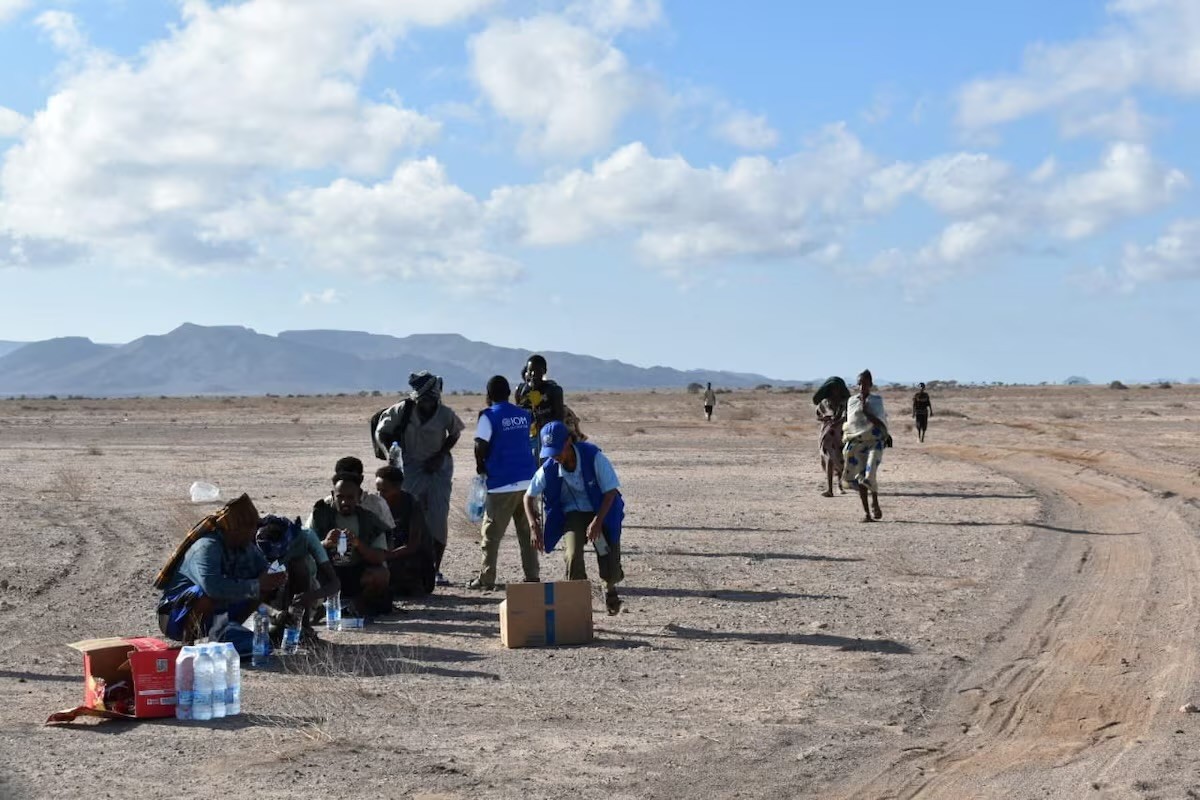
At least 139 migrants dead, including some children, after boat from Djibouti to Yemen capsizes, UN agency says
21:17
11 October 2026
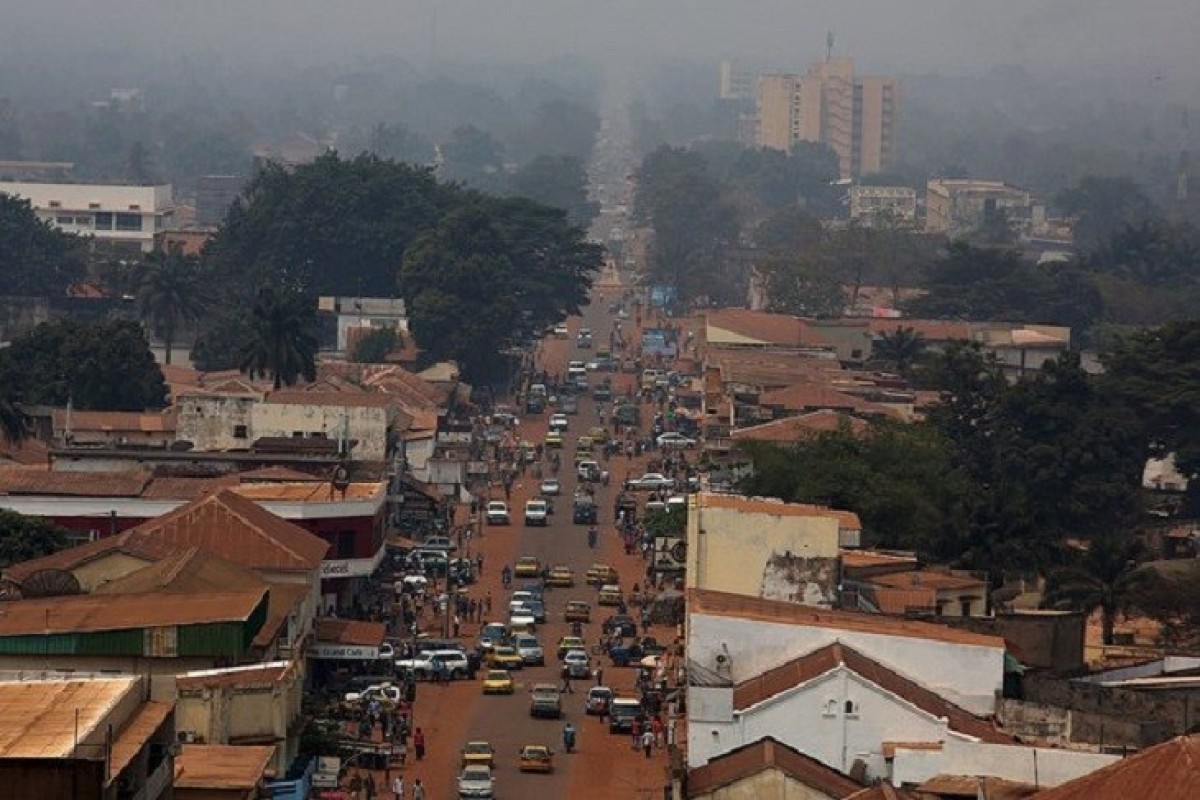
Central African Republic foils planned large-scale militant attack
07:04
11 October 2026
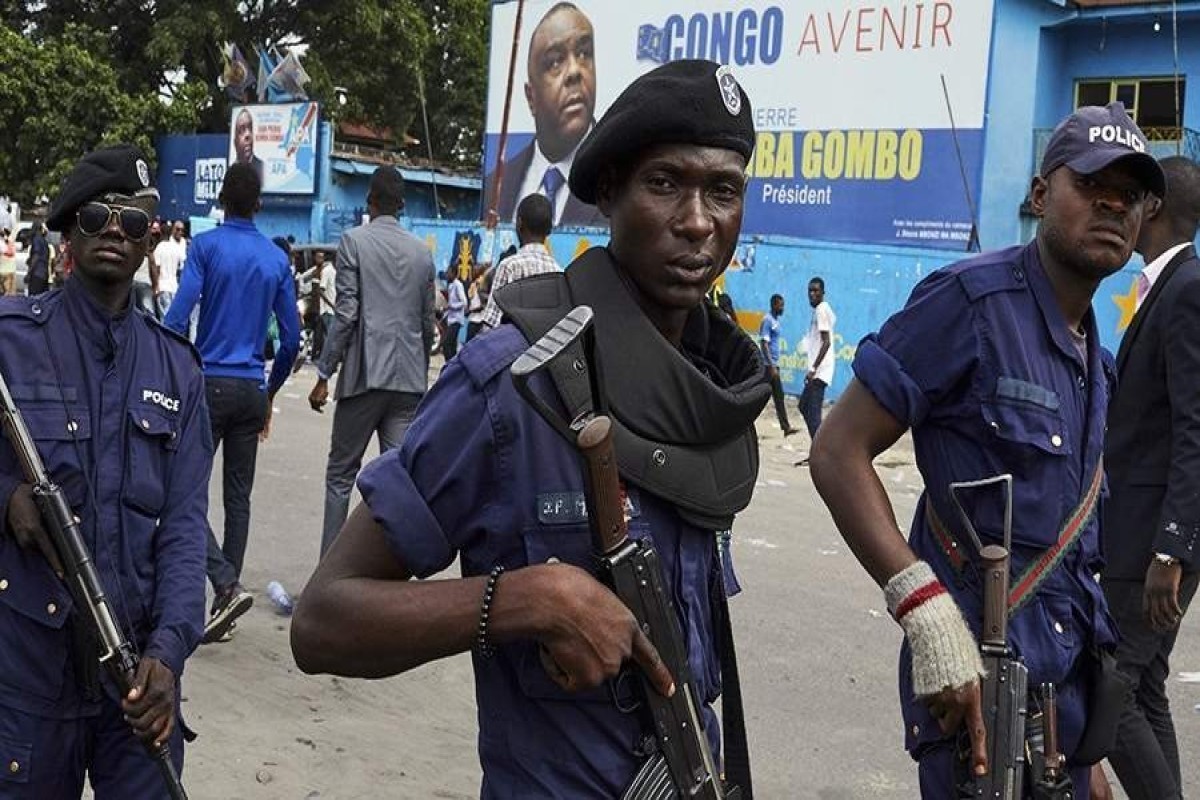
Rebel attack kills 11 civilians in DR Congo
05:16
11 October 2026

NEWS FEED
Video on 7th CICA Summit shared on President’s social media accounts
18:28
15 October 2026
President Ilham Aliyev met with Amir of Qatar - UPDATED
18:12
15 October 2026
Armenian and Turkish businesspeople discuss joint cooperation
17:56
15 October 2026
Journalist Alexander Nevzorov added to Russia’s list of terrorists and extremists
17:53
15 October 2026
New head of Republic of Dagestan elected
17:46
15 October 2026
Kobakhidze visits Armenia
17:17
15 October 2026
Georgian opposition announces protest rallies
17:05
15 October 2026
Pashinyan establishes working group to resolve railway issues with Russia
17:02
15 October 2026
Pope Leo recovering as planned after lung cancer surgery, doctors say
16:58
15 October 2026
Papuashvili: EU takes disruptive stance in relations with Georgia
16:40
15 October 2026
Baku hosted 7th CICA Summit, President Ilham Aliyev addressed the event - UPDATED - 4
16:34
15 October 2026
Azerbaijan to chair CICA in 2026–2028
16:27
15 October 2026
UN considers CICA's role more important now than ever
16:26
15 October 2026
Meeting held with delegation of international and foreign national Paralympic committees
16:23
15 October 2026
President Ilham Aliyev received Türkiye’s Minister of Foreign Affairs
16:16
15 October 2026
7th CICA Summit concludes
16:12
15 October 2026
CICA Secretary General replaced
16:11
15 October 2026
Lavrov considers it appropriate to hold next "3+3" meeting in Azerbaijan
16:08
15 October 2026
Baku Declaration adopted following 7th CICA Summit
16:05
15 October 2026
Large amount of drugs prevented from being smuggled from Iran into Azerbaijan - PHOTO
16:02
15 October 2026
Signed documents exchanged between Azerbaijan and Kazakhstan
16:00
15 October 2026
Lavrov: Russia ready to participate in TRIPP, but has not yet received invitation
15:50
15 October 2026
Lavrov: Zelenskyy is challenging Trump, not interested in elections
15:47
15 October 2026
Presidents of Azerbaijan and Kazakhstan met in Baku and inaugurated Trans-Caspian Fiber-Optic Cable Line
15:44
15 October 2026
9th Congress of Azerbaijani Journalists to be held tomorrow, candidates for Press Council Board announced
15:43
15 October 2026
Gharibabadi: Current difficulties in Strait of Hormuz caused by military aggression and naval blockade against Iran
15:42
15 October 2026
ING: $10 rise in oil prices could increase Azerbaijan’s exports by 2–4% of GDP
15:39
15 October 2026
UAE Minister: Priorities set during Azerbaijan’s CICA chairmanship align with UAE’s vision
15:33
15 October 2026
Palestinian issue raised at CICA Summit
15:31
15 October 2026
Indian FM: Changing geopolitical landscape necessitates more active participation of Global South countries
15:15
15 October 2026
Azerbaijan takes over chairmanship of CIS Advisory Council on Labor, Employment and Social Protection
15:14
15 October 2026
Death toll from Istanbul floods reaches 3, four people missing
15:12
15 October 2026
Azerbaijani Special Forces conduct training sessions for reservists
15:07
15 October 2026
Home of Novaya Gazeta editor-in-chief searched
15:04
15 October 2026
Lavrov: Russia has always supported CICA's development through practical cooperation
14:58
15 October 2026
Foreign ministers of Azerbaijan, Uzbekistan and Turkmenistan hold trilateral meeting
14:55
15 October 2026
Turkish and Russian FMs meet in Baku
14:53
15 October 2026
Türkiye committed to strengthening CICA as Asia's most comprehensive security platform - Turkish FM
14:51
15 October 2026
Bahrain calls for ensuring safety of maritime and air navigation
14:44
15 October 2026
Pezeshkian to visit Armenia for biodiversity summit
14:40
15 October 2026
Pashinyan: Armenia has never had strained relations with Russia
14:40
15 October 2026
FM Hakan Fidan: We want COP31 to become an opportunity to strengthen climate justice
14:38
15 October 2026
Turkish FM: We support CICA's transformation into a full-fledged international organization
14:33
15 October 2026
Peskov: Moscow unaware of US proposals to Europe on unfreezing Russian assets
14:31
15 October 2026
Azerbaijani Parliament Speaker meets with Chairman of House of Representatives of Belarusian National Assembly
14:29
15 October 2026
Kremlin: Russian diesel has begun entering global markets
14:22
15 October 2026
FM: China highly appreciates Azerbaijan's efforts to strengthen CICA
14:18
15 October 2026
Chairman: Azerbaijan is effectively chairing CICA
14:14
15 October 2026
Kremlin: Ukraine's strikes on Russian oil refineries contradict US peace initiatives
14:06
15 October 2026
Belarusian representative: We are united by commitment to international law and UN Charter
13:59
15 October 2026