









Exhilarated by having wrought once unimaginable change on the most populous Arab state in just a week of protests, many on the streets renewed their calls for the 82-year-old leader to quit now and make way for a transitional unity government.
"We will not leave! He will leave!" some chanted in Cairo.
A leading reformist figure, retired diplomat Mohammed ElBaradei, was quoted by CNN calling Mubarak’s move a "trick."
Mubarak appealed over the heads of the young, urban demonstrators to the wider nation of 80 million fearful of political uncertainty. The "noble youths" who had begun protests, he said, had been exploited by men of violence.
Much may depend on the army, once Mubarak’s power base, which appears to be trying to ensure a transition of power that would maintain the influence of the armed forces.
President Barack Obama, who spent half an hour on the phone to Mubarak on Tuesday, is also working for stability in a country that is a linchpin of his global strategy and where the biggest opposition movement is the Islamist Muslim Brotherhood.
"What is clear and what I indicated tonight to President Mubarak is my belief that an orderly transition must be meaningful, it must be peaceful and it must begin now."
Under evident pressure from Obama and the army as much as from the crowds on the streets, Mubarak delivered a composed 10-minute televised statement.
To those demanding he flee the country in the manner of his ousted Tunisian counterpart last month, Mubarak said: "This is my country ... and I will die on its soil."
But he would not give up power just yet: "I say in all honesty and regardless of the current situation that I did not intend to nominate myself for a new presidential term," he said.
"I will work in the remaining months of my term to take the steps to ensure a peaceful transfer of power."
PROTESTERS DEFIANT
Many of those on the streets in defiance of a curfew doubted his commitment to making the kind of sweeping democratic constitutional changes which he has resisted since inheriting the mantle of the ruling military establishment in 1981.
At Cairo’s Tahrir, or Liberation, Square, focus of protests for a week and of unprecedented crowds of hundreds of thousands on Tuesday, young professionals in their 20s were unimpressed.
"The speech is useless and only inflames our anger," said Shadi Morkos. "If Mubarak was not going to run for a sixth term, why did he not say it before? Why does he leave the people hanging ... We will continue to protest."
In Alexandria, the second city, troops in tanks fired shots in the air to keep order after skirmishes between anti-government and pro-Mubarak groups. But there was no sign that the army was trying to halt anti-government protests.
It has said it will protect marchers and called their demands "legitimate."
Many protesters spoke of a new push on Friday, the Egyptian weekend, to rally at Cairo’s presidential palace to dislodge Mubarak: "This won’t fly any more," said 35-year-old doctor Ahmed Khalifa. "If Egyptians stay on the streets till Friday, probably Mubarak’s next offer will be to step down right away."
Washington, Israel and the Western allies are keen to avoid a takeover by the mass Islamist movement the Muslim Brotherhood.
After Mubarak’s speech, however, former U.S. deputy national security adviser Elliot Abrams, expressed skepticism that the veteran leader could bring off a smooth, slow handover:
"This just really won’t work," he told CNN. "I can’t see anybody in Tahrir Square accepting that he will be president for eight more months and that he would, after 30 years, be trusted to be the man in charge of the democratic transition.
"Why would anyone believe that?"
REGIONAL INSTABILITY
His departure would reconfigure the politics of the Middle East, with implications from Israel to oil giant Saudi Arabia.
King Abdullah of Jordan replaced his prime minister on Tuesday after protests. Yemen and Sudan have also seen unrest.
Just four weeks to the day since the death of Mohammed Bouazizi, the Tunisian who set himself on fire to protest at oppression and corruption, the wave of anger he set in motion has gathered strength across the region. Some liken it to the fall of communism in eastern Europe in 1989.
Just a week ago, few Arabs could conceive of the Egyptians, better known for good humor and forbearance than for political energy, rising up to unseat a man who has ruled unchallenged for 30 years. Last week, Mubarak seemed certain of a sixth term, or of handing over to his son.
Unrest is stirring in other Arab countries like Jordan and Yemen, sending oil prices higher on fears of trouble in Saudi Arabia and on Egypt’s Suez Canal.
Continued turmoil in Tunisia, however, is a reminder that political change is unlikely to be smooth anywhere.
ISLAMISTS
Effigies of Mubarak were hung from traffic lights. The crowds included men, women and children from all walks of life, showing the breadth of opposition to Mubarak.
The demonstration was an emphatic rejection of Mubarak’s appointment of a new vice president, Omar Suleiman, a cabinet reshuffle and an offer to open a dialogue with the opposition.
The United States and other Western allies were caught out by the uprising. Washington has called for reforms and free elections but is also concerned that Islamists could gain a slice of power should Mubarak be forced out.
The prospect of a hostile neighbor on Israel’s western border also worries Israeli Prime Minister Benjamin Netanyahu.
Kamran Bokhari at political risk consultancy Stratfor said even Mubarak’s concession to step aside in due course was "huge": "It will send shockwaves across the region. It’s not that I would necessarily say there’s going to be a domino effect, but I think we will see an increase in protest and governments will certainly be worried. It is a tectonic shift.
"I don’t think it will be enough for the protesters ... Then the most likely scenario would be the military would have to force Mubarak out ... Then you would have elections. It’s quite possible the Muslim Brotherhood would perform well, but the military will also want to have a role."
At least 140 people have died since demonstrations began last Tuesday. Al Arabiya said the interior minister sacked last week was going to be prosecuted by the military.
Mubarak says to yield power, but protesters continue

 02 February 2011 01:54 (UTC +04:00)



 İDMAN XƏBƏR
 Follow us on Telegram
 t.me/apanewsaz
 Follow us on Instagram
 Follow us on TikTok
 Follow us on Facebook
 Follow us on X
Africa
Two killed, five injured in shooting in S. Africa
16:09
 14 October 2026
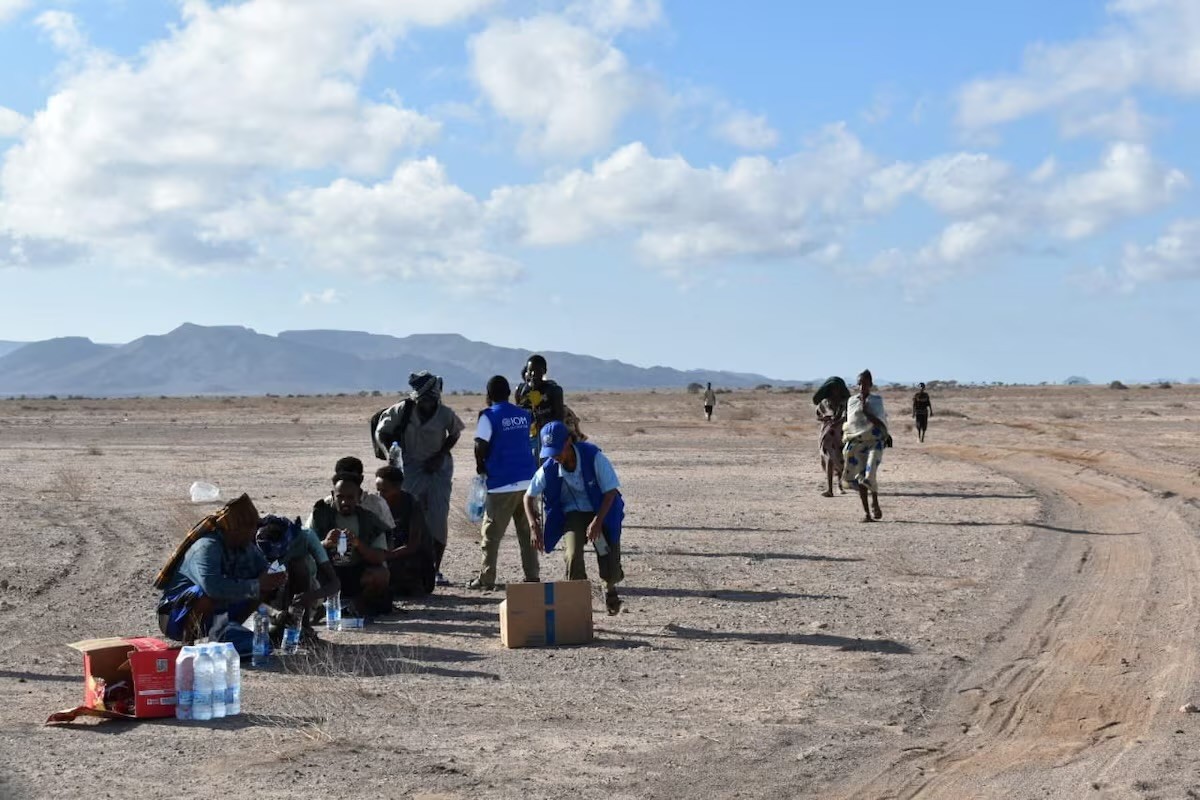
At least 139 migrants dead, including some children, after boat from Djibouti to Yemen capsizes, UN agency says
21:17
11 October 2026
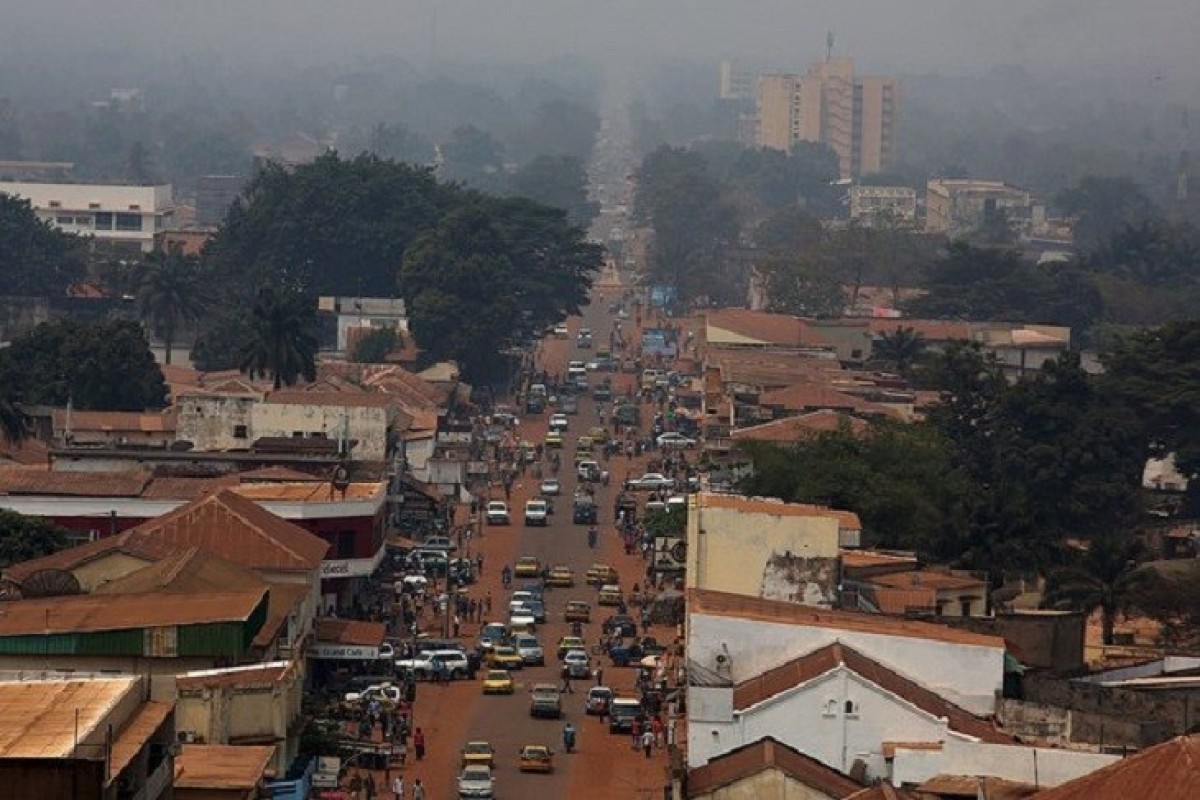
Central African Republic foils planned large-scale militant attack
07:04
11 October 2026
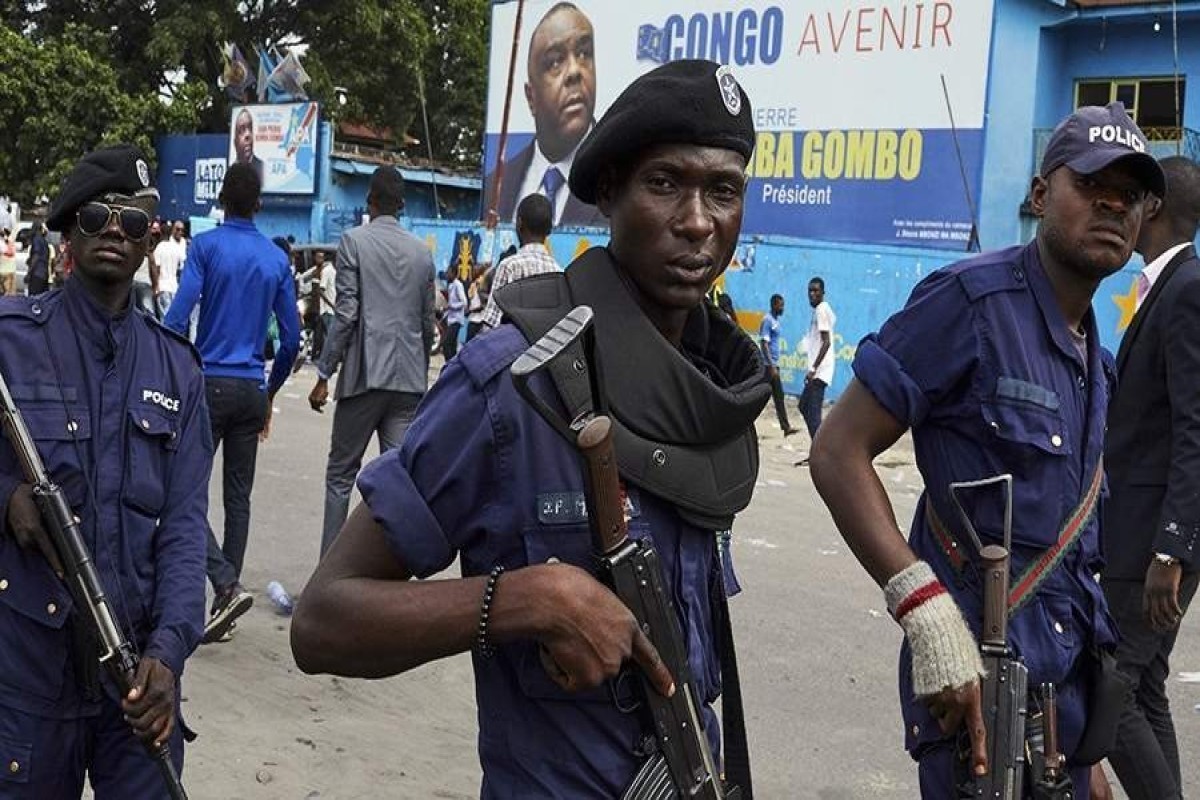
Rebel attack kills 11 civilians in DR Congo
05:16
11 October 2026

NEWS FEED
Video on 7th CICA Summit shared on President’s social media accounts
18:28
15 October 2026
President Ilham Aliyev met with Amir of Qatar - UPDATED
18:12
15 October 2026
Armenian and Turkish businesspeople discuss joint cooperation
17:56
15 October 2026
Journalist Alexander Nevzorov added to Russia’s list of terrorists and extremists
17:53
15 October 2026
New head of Republic of Dagestan elected
17:46
15 October 2026
Kobakhidze visits Armenia
17:17
15 October 2026
Georgian opposition announces protest rallies
17:05
15 October 2026
Pashinyan establishes working group to resolve railway issues with Russia
17:02
15 October 2026
Pope Leo recovering as planned after lung cancer surgery, doctors say
16:58
15 October 2026
Papuashvili: EU takes disruptive stance in relations with Georgia
16:40
15 October 2026
Baku hosted 7th CICA Summit, President Ilham Aliyev addressed the event - UPDATED - 4
16:34
15 October 2026
Azerbaijan to chair CICA in 2026–2028
16:27
15 October 2026
UN considers CICA's role more important now than ever
16:26
15 October 2026
Meeting held with delegation of international and foreign national Paralympic committees
16:23
15 October 2026
President Ilham Aliyev received Türkiye’s Minister of Foreign Affairs
16:16
15 October 2026
7th CICA Summit concludes
16:12
15 October 2026
CICA Secretary General replaced
16:11
15 October 2026
Lavrov considers it appropriate to hold next "3+3" meeting in Azerbaijan
16:08
15 October 2026
Baku Declaration adopted following 7th CICA Summit
16:05
15 October 2026
Large amount of drugs prevented from being smuggled from Iran into Azerbaijan - PHOTO
16:02
15 October 2026
Signed documents exchanged between Azerbaijan and Kazakhstan
16:00
15 October 2026
Lavrov: Russia ready to participate in TRIPP, but has not yet received invitation
15:50
15 October 2026
Lavrov: Zelenskyy is challenging Trump, not interested in elections
15:47
15 October 2026
Presidents of Azerbaijan and Kazakhstan met in Baku and inaugurated Trans-Caspian Fiber-Optic Cable Line
15:44
15 October 2026
9th Congress of Azerbaijani Journalists to be held tomorrow, candidates for Press Council Board announced
15:43
15 October 2026
Gharibabadi: Current difficulties in Strait of Hormuz caused by military aggression and naval blockade against Iran
15:42
15 October 2026
ING: $10 rise in oil prices could increase Azerbaijan’s exports by 2–4% of GDP
15:39
15 October 2026
UAE Minister: Priorities set during Azerbaijan’s CICA chairmanship align with UAE’s vision
15:33
15 October 2026
Palestinian issue raised at CICA Summit
15:31
15 October 2026
Indian FM: Changing geopolitical landscape necessitates more active participation of Global South countries
15:15
15 October 2026
Azerbaijan takes over chairmanship of CIS Advisory Council on Labor, Employment and Social Protection
15:14
15 October 2026
Death toll from Istanbul floods reaches 3, four people missing
15:12
15 October 2026
Azerbaijani Special Forces conduct training sessions for reservists
15:07
15 October 2026
Home of Novaya Gazeta editor-in-chief searched
15:04
15 October 2026
Lavrov: Russia has always supported CICA's development through practical cooperation
14:58
15 October 2026
Foreign ministers of Azerbaijan, Uzbekistan and Turkmenistan hold trilateral meeting
14:55
15 October 2026
Turkish and Russian FMs meet in Baku
14:53
15 October 2026
Türkiye committed to strengthening CICA as Asia's most comprehensive security platform - Turkish FM
14:51
15 October 2026
Bahrain calls for ensuring safety of maritime and air navigation
14:44
15 October 2026
Pezeshkian to visit Armenia for biodiversity summit
14:40
15 October 2026
Pashinyan: Armenia has never had strained relations with Russia
14:40
15 October 2026
FM Hakan Fidan: We want COP31 to become an opportunity to strengthen climate justice
14:38
15 October 2026
Turkish FM: We support CICA's transformation into a full-fledged international organization
14:33
15 October 2026
Peskov: Moscow unaware of US proposals to Europe on unfreezing Russian assets
14:31
15 October 2026
Azerbaijani Parliament Speaker meets with Chairman of House of Representatives of Belarusian National Assembly
14:29
15 October 2026
Kremlin: Russian diesel has begun entering global markets
14:22
15 October 2026
FM: China highly appreciates Azerbaijan's efforts to strengthen CICA
14:18
15 October 2026
Chairman: Azerbaijan is effectively chairing CICA
14:14
15 October 2026
Kremlin: Ukraine's strikes on Russian oil refineries contradict US peace initiatives
14:06
15 October 2026
Belarusian representative: We are united by commitment to international law and UN Charter
13:59
15 October 2026