












Baku. Aynur Veliyeva – APA-Economics. The 188 countries belonging to the International Civil Aviation Organization (ICAO), a UN agency, agreed that all member countries must start issuing machine readable biometrically enabled e-Passports before April 1, 2010.
The ICAO standard specifies Common Biometric Exchange File Format (CBEFF) as the globally interoperable biometric for identity verification in travel documents. Thus e-passports will contain digitally signed photographic images of the faces of their bearers. The ICAO standard additionally specifies fingerprints and iris data as optional biometrics.
Azerbaijan will implement this process as part of the State Program for Biometric Identity System (2007-2012).
The ICAO defines the biometric identification as a verification of human identity through the measurement of distinguishing physiological or behavioural characteristics. The ICAO only considers three types of biometrics: facial recognition, fingerprint and iris scan. Only facial recognition is mandatory.
According to the ICAO, the chip will store as a minimum the data contained on the first page of the passport and a digital image of the passport’s holder. The chip may also contain optional information such as handwritten signatures, finger print, address, phone number, and may indicate information about other people namely the person to notify in case of emergency.
Formally, Radio-Frequency Identification (RFID) is an automatic identification technology relying on wireless communication, using special devices called tags. Any RFID system essentially consists of two main components: tags (transponders) and readers (transceivers).
The computational capabilities of tags depend on the target application. Tags may be a simple memory between 32 and 128 bits (tracking products and animals) up to a chip containing a microprocessor. In the case of electronic passport, the data storage capacity of the IC is a minimum of 32 KB, as specified by the ICAO, . Inin order to store the mandatory facial image and duplication of the MRZ data. States planning to store additional information must provide memories of much large capacity (70 KB). Besides, the passport chip contains a microprocessor in order to be able to accomplish complex cryptographic computations. As recommended by the ICAO the Belgian passport, for example, implements 3DES, SHA-1, and RSA. High-cost RFID tag is sometimes called contact-less chip or smart card instead, as in the case of electronic passport.
As for RFID readers they vary a lot according to the target application. Nowadays, passport readers are mainly available in governmental inspection systems on borders and airports. In the future, they may be found in airelines compagnies and hotels.
The electronic chip required by the ICAO must conform to ISO/IEC 14443 A/B, already adopted in other applications (smart cards); Belgian passport uses ISO/IEC 14443 A. One interesting property of this standard is that its maximum reading range is less than 10 cm. In fact, many researchers claim to be able to read a passport from a larger distance. In our attack we used a low-cost commercial reader without trying to go that direction.
64KB memory necessary in most cases
ó 32KB is the minimum requirement by ICAO
ó Storage of administrative data and primary biometric identifier (facial picture)
ó 64KB allows the storage of optional biometric identifiers (fingerprint, iris)
Azerbaijan will start switching biometric passports from next year

 06 March 2009 16:45 (UTC +04:00)


 İDMAN XƏBƏR
 Follow us on Telegram
 t.me/apanewsaz
 Follow us on Instagram
 Follow us on TikTok
 Follow us on Facebook
 Follow us on X
Infrastructure

Azerbaijani delegation familiarizes itself with operations of Kazakhstan’s leading ports and terminals
18:22
 14 October 2026
Work on developing urban transport in Lachin nearing completion - Special Representative
12:51
14 October 2026

Next resettlement to Kalbajar will be to Zar village - Special Representative
12:46
14 October 2026
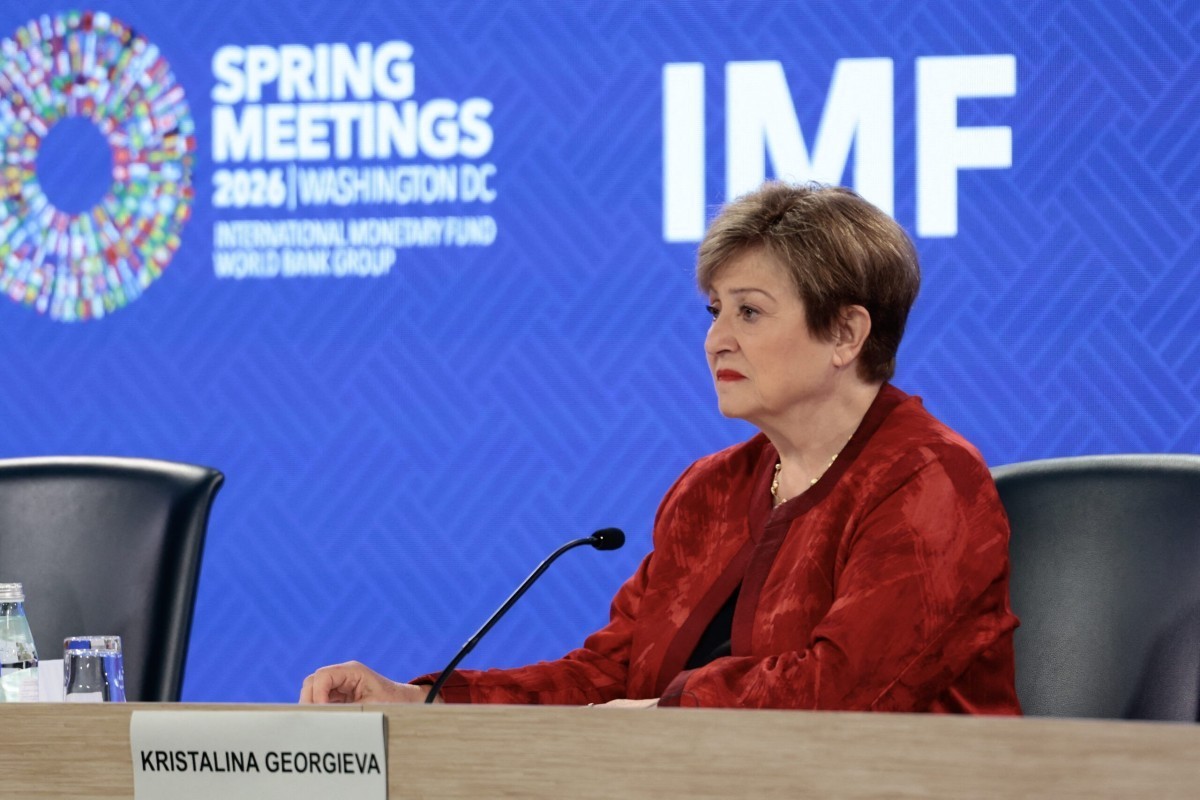
IMF chief says Saudi attacks could have negative spillover ‘everywhere’
09:40
14 October 2026

NEWS FEED
Putin: Ukrainian Armed Forces are again attempting to strike Russian oil refineries
22:23
15 October 2026
US has expanded sanctions against Iran
21:50
15 October 2026
UK provides Ukraine with additional long-range Storm Shadow missiles
21:20
15 October 2026
Video shared on President Ilham Aliyev’s social media accounts on his meeting with Amir of the State of Qatar Sheikh Tamim bin Hamad Al Thani
21:00
15 October 2026
President Ilham Aliyev’s social media accounts shared video on inauguration of Trans-Caspian Fiber-Optic Cable Line
20:55
15 October 2026
Baku hosted 7th CICA Summit, President Ilham Aliyev addressed the event - UPDATED-5
20:40
15 October 2026
Ukrainian President discusses air defense with NATO Secretary General
20:31
15 October 2026
Ukraine runs out of Patriot interceptor missiles as Zelenskyy and Trump clash over war
19:52
15 October 2026
Iran's navy says "violating" oil tanker caught fire east of Hormuz Strait
19:43
15 October 2026
White House official: Trump considering all options to keep Iran from nuclear weapon
19:37
15 October 2026
Houthis fire missiles at presidential palace in Yemen's Aden, officials say
19:00
15 October 2026
President Ilham Aliyev’s social media accounts shared video on 7th CICA Summit
18:28
15 October 2026
President Ilham Aliyev met with Amir of Qatar - UPDATED
18:12
15 October 2026
Armenian and Turkish businesspeople discuss joint cooperation
17:56
15 October 2026
Journalist Alexander Nevzorov added to Russia’s list of terrorists and extremists
17:53
15 October 2026
New head of Republic of Dagestan elected
17:46
15 October 2026
Kobakhidze visits Armenia
17:17
15 October 2026
Georgian opposition announces protest rallies
17:05
15 October 2026
Pashinyan establishes working group to resolve railway issues with Russia
17:02
15 October 2026
Pope Leo recovering as planned after lung cancer surgery, doctors say
16:58
15 October 2026
Papuashvili: EU takes disruptive stance in relations with Georgia
16:40
15 October 2026
Azerbaijan to chair CICA in 2026–2028
16:27
15 October 2026
UN considers CICA's role more important now than ever
16:26
15 October 2026
Meeting held with delegation of international and foreign national Paralympic committees
16:23
15 October 2026
President Ilham Aliyev received Türkiye’s Minister of Foreign Affairs
16:16
15 October 2026
7th CICA Summit concludes
16:12
15 October 2026
CICA Secretary General replaced
16:11
15 October 2026
Lavrov considers it appropriate to hold next "3+3" meeting in Azerbaijan
16:08
15 October 2026
Baku Declaration adopted following 7th CICA Summit
16:05
15 October 2026
Large amount of drugs prevented from being smuggled from Iran into Azerbaijan - PHOTO
16:02
15 October 2026
Signed documents exchanged between Azerbaijan and Kazakhstan
16:00
15 October 2026
Lavrov: Russia ready to participate in TRIPP, but has not yet received invitation
15:50
15 October 2026
Lavrov: Zelenskyy is challenging Trump, not interested in elections
15:47
15 October 2026
Presidents of Azerbaijan and Kazakhstan met in Baku and inaugurated Trans-Caspian Fiber-Optic Cable Line
15:44
15 October 2026
9th Congress of Azerbaijani Journalists to be held tomorrow, candidates for Press Council Board announced
15:43
15 October 2026
Gharibabadi: Current difficulties in Strait of Hormuz caused by military aggression and naval blockade against Iran
15:42
15 October 2026
ING: $10 rise in oil prices could increase Azerbaijan’s exports by 2–4% of GDP
15:39
15 October 2026
UAE Minister: Priorities set during Azerbaijan’s CICA chairmanship align with UAE’s vision
15:33
15 October 2026
Palestinian issue raised at CICA Summit
15:31
15 October 2026
Indian FM: Changing geopolitical landscape necessitates more active participation of Global South countries
15:15
15 October 2026
Azerbaijan takes over chairmanship of CIS Advisory Council on Labor, Employment and Social Protection
15:14
15 October 2026
Death toll from Istanbul floods reaches 3, four people missing
15:12
15 October 2026
Azerbaijani Special Forces conduct training sessions for reservists
15:07
15 October 2026
Home of Novaya Gazeta editor-in-chief searched
15:04
15 October 2026
Lavrov: Russia has always supported CICA's development through practical cooperation
14:58
15 October 2026
Foreign ministers of Azerbaijan, Uzbekistan and Turkmenistan hold trilateral meeting
14:55
15 October 2026
Turkish and Russian FMs meet in Baku
14:53
15 October 2026
Türkiye committed to strengthening CICA as Asia's most comprehensive security platform - Turkish FM
14:51
15 October 2026
Bahrain calls for ensuring safety of maritime and air navigation
14:44
15 October 2026
Pashinyan: Armenia has never had strained relations with Russia
14:40
15 October 2026


