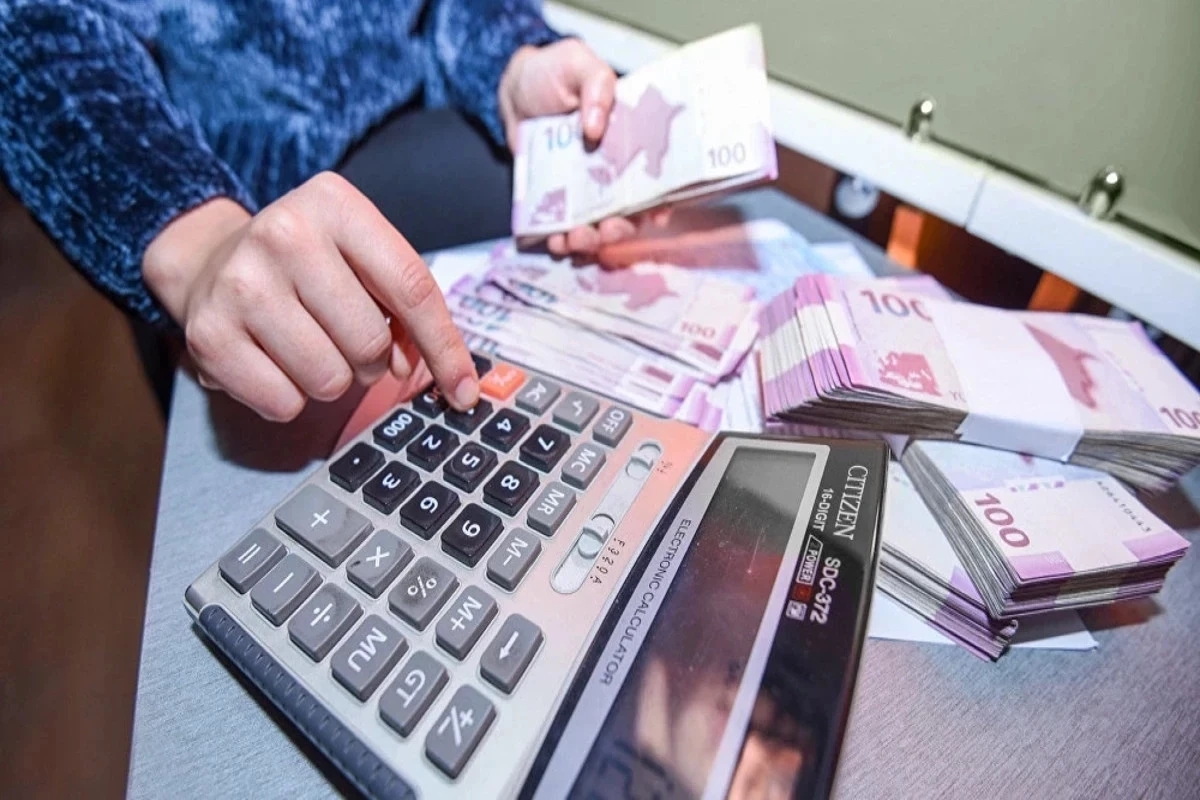


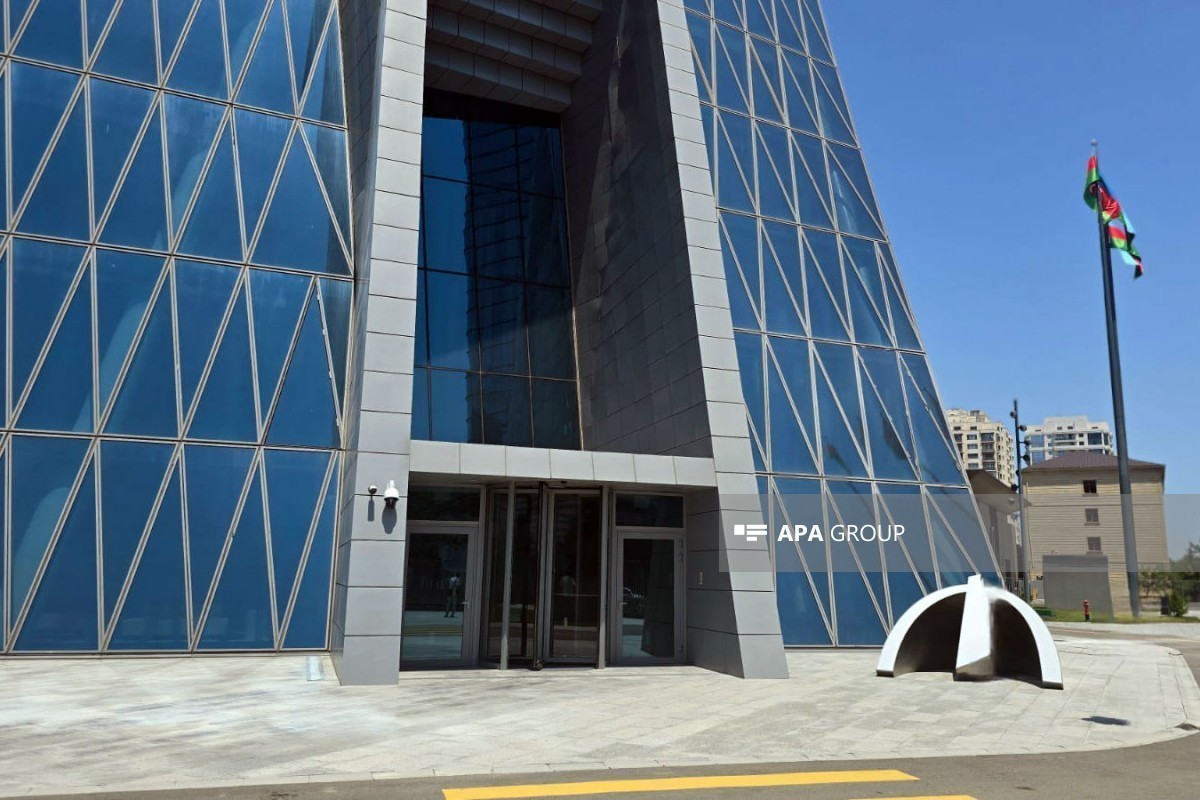


The Central Bank of Azerbaijan (CBA) has purchased foreign currency this year amid supply exceeding demand in the foreign exchange market, resulting in foreign exchange reserves rising to a historic high, the CBA said in response to APA-Economics' inquiry.
According to the Central Bank, the increase in foreign exchange reserves strengthens the country's resilience to external shocks and supports long-term exchange rate stability.
Foreign currency purchases are accompanied by an increase in manat liquidity in the banking system. It should be noted that, alongside foreign currency purchases, the banking sector's liquidity position is also affected by fiscal operations, changes in cash circulation, and other autonomous factors (factors outside monetary policy).
"An increase in excess liquidity is a factor that puts downward pressure on interest rates in the interbank money market. This, in turn, also affects the yield curve, deposit rates, and lending rates," the CBA stated.
Under these circumstances, the Central Bank makes appropriate use of the instruments at its disposal to achieve its monetary policy objectives, particularly to minimize sharp fluctuations in interest rates in the interbank money market. Thus, the Central Bank's sterilization portfolio more than doubled from the beginning of 2026 to the end of August.
The CBA noted that by sterilizing excess liquidity, the Central Bank limits potential inflationary effects. However, inflation dynamics are significantly influenced not only by domestic factors but also by global food and commodity prices, inflationary developments in trading partner countries, and other external cost factors.
The Central Bank will continue to apply its monetary policy instruments, taking into account developments in financial markets and the banking sector's liquidity position. Decisions on the policy rate will be made based on updated macroeconomic forecasts and changes in the balance of inflation risks.
It should be noted that as of August 31, 2026, the Central Bank of Azerbaijan's foreign exchange reserves reached a new historic high of $15.3013 billion. The inflow of manat into the banking system in exchange for foreign currency purchases leads to an increase in manat liquidity in the market, in other words, an abundance of manat.


 Follow us on Telegram
 t.me/apanewsaz
 Follow us on Instagram
 Follow us on TikTok
 Follow us on Facebook
 Follow us on X