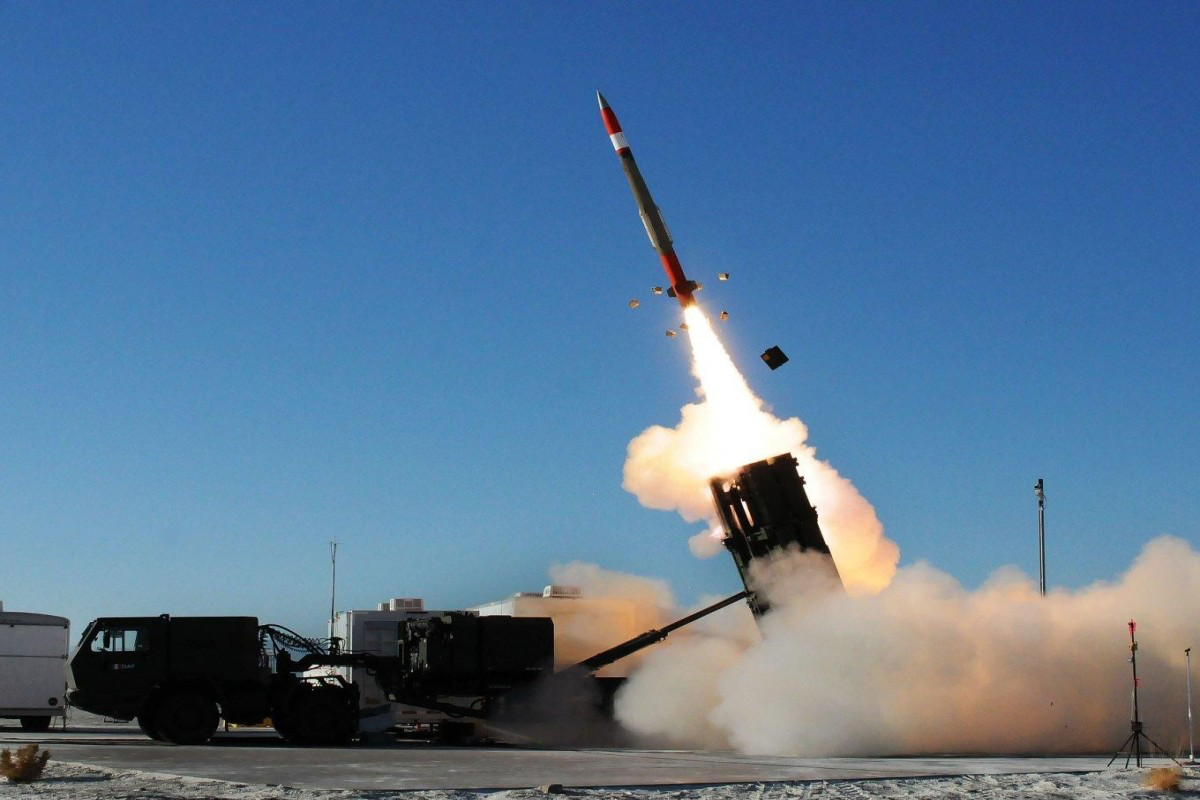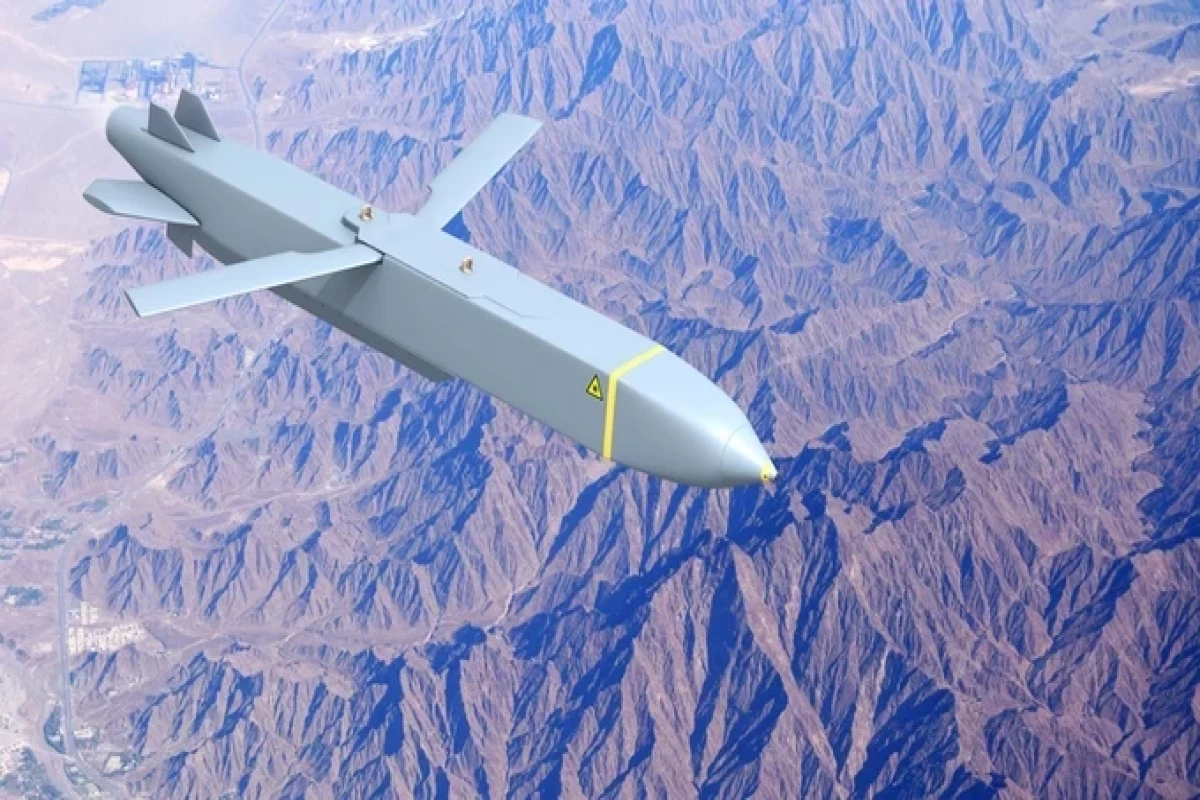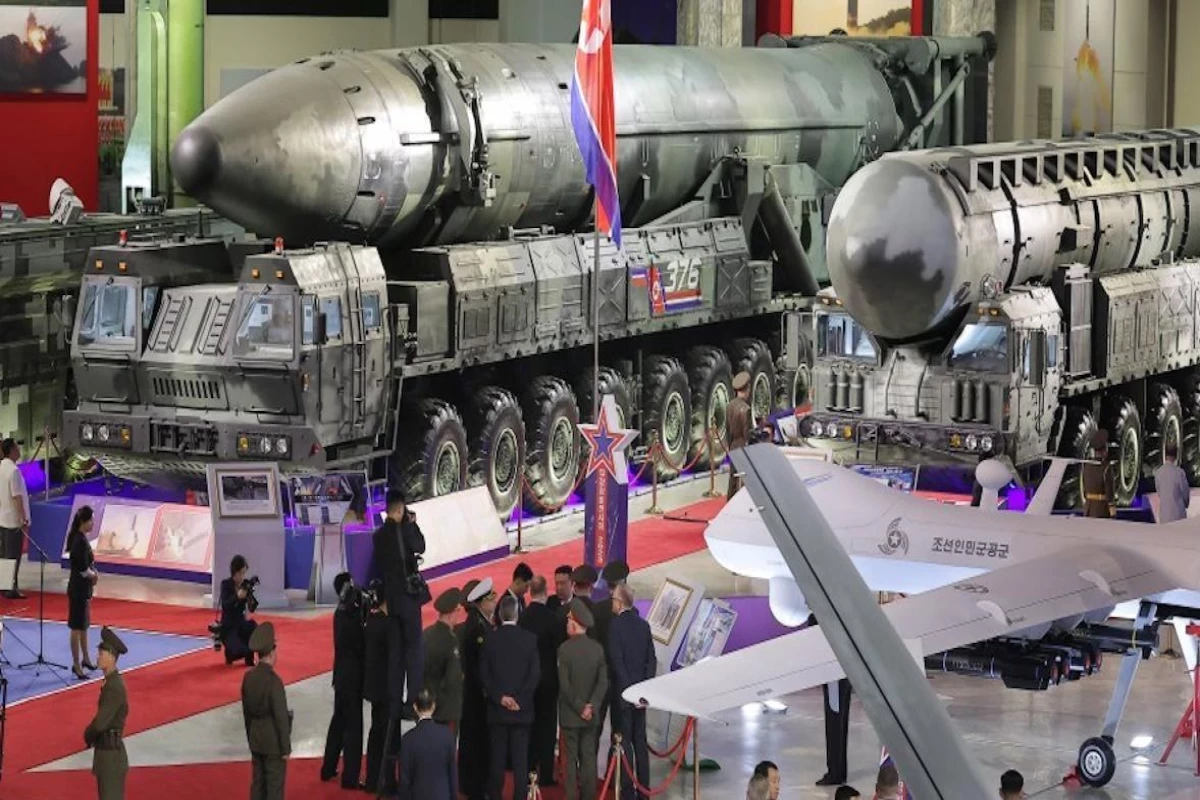


The nine nuclear-armed states—the United States, Russia, the United Kingdom, France, China, India, Pakistan, the Democratic People’s Republic of Korea (North Korea) and Israel—continued programmes to modernize and enhance their nuclear arsenals in 2025, and most deployed new nuclear-armed or nuclear-capable weapon systems during the year.
Of the total global inventory of an estimated 12 187 warheads in January 2026, about 9745 were in military stockpiles for potential use (see the table below). An estimated 4012 of those warheads were deployed with missiles and aircraft and the rest were in central storage. Between 2100 and 2200 of the deployed warheads were kept in a state of high operational alert on ballistic missiles. Nearly all of these warheads belonged to Russia or the USA, and to a lesser extent France and the UK, but China and India may now occasionally deploy a small number of warheads mounted on missiles during peacetime.
‘Influential voices, including some world leaders, are advocating nuclear weapons as a guarantee against attack by a hostile state. But making national defence and security strategies dependent—or more dependent—on nuclear weapons could significantly increase nuclear risks,’ said SIPRI Director Karim Haggag. ‘The dangers associated with nuclear weapons are growing due to advances in weapon technology, the breakdown of nuclear arms control and heightened geopolitical tensions, among a range of other factors. At the same time, world events—not least the outbreak of conflict between nuclear-armed India and Pakistan—are challenging nuclear deterrence logic.’
Since the end of the cold war, the gradual dismantlement of retired warheads by Russia and the USA has normally outstripped the deployment of new warheads, resulting in an overall year-on-year decrease in the global inventory of nuclear weapons. This trend is likely to be reversed in the coming years, as the pace of dismantlement is slowing, while the deployment of new nuclear weapons is accelerating.
‘The evidence is growing that the nuclear weapon states are sidelining, and even walking away from, their disarmament commitments and are instead flexing their nuclear muscles,’ said Hans M. Kristensen, Associate Senior Fellow with SIPRI’s Weapons of Mass Destruction Programme and Director of the Nuclear Information Project at the Federation of American Scientists (FAS). ‘By reaching for nuclear solutions, states are creating new risks and fuelling arms-race dynamics.’
Russia and the USA together possess around 83 per cent of all stockpiled nuclear warheads (i.e. useable warheads). This combined share is shrinking somewhat due to the growth in the world’s other nuclear arsenals. The sizes of the Russian and US military stockpiles appear to have stayed relatively stable in 2025 but both states’ extensive modernization programmes seem likely to increase the size and diversity of their arsenals in the future.


 Follow us on Telegram
 t.me/apanewsaz
 Follow us on Instagram
 Follow us on TikTok
 Follow us on Facebook
 Follow us on X