










Baku-APA. The European Parliament Thursday expressed its satisfaction with the European Commission’s spending proposal for 2014-2020 presented on Wednesday night, APA reports quoting Xinhua.
Under the Commission’s proposal, the European Union (EU) budget for 2014-2020 will rise to around 1,025 billion euros (1,486 billion U.S. dollars) in commitments, an increase of 5 percent over the previous multiannual financial framework (MFF) for 2007-2013.
"The proposal of the Commission is responding to what the Parliament has requested in our proposals: we are very pleased of that because it doesn’t happen often in European politics," Guy Verhofstadt, Chair of the Alliance of Liberals and Democrats for Europe (ALDE) Party, told a press conference.
The Commission proposes to establish new own resources, one of the main novelties in this MFF. The plan is to introduce by 2018 two key elements that will transform the EU budget from one based on national contributions to one based on own resources: VAT of one percent and a Financial Transaction Tax (FTT).
"At the moment, 80 percent of the budget depends on national contributions and only 20 percent on own resources. The changes will bring this figure up to 60 percent," Verhofstadt said.
Own resources create a direct link between direct investment from the citizens and the EU, as separate from national contributions. "In order to finance Europe 2020, the budget has to focus more on issues of income," said French MEP Alain Lamassoure.
Another big novelty is represented by an increased flexibility of the budget, which will allow non-spent money to return to the member states, Verhofstadt said.
The 2014-2020 MFF proposal increases expenditures in three key sectors: plus 68 percent on education and culture, plus 46 percent on research and development and plus 297 percent on infrastructure and technology, covering transports, energy and so on, according to Verhofstadt.
The current financial framework, which covers the period of 2007-2013, allocates the lion’s share of the EU budget to sustainable growth, which accounts for 44.6 percent, followed closely by preservation and management of natural resources, with 42.5 percent.
"We are in fact very pleased with the proposal of the Commission. This time it has had the courage to present a coherent, radical, ambitious proposal for the period 2014-2020," Verhofstadt pointed out.
Lamassoure said the next challenge will be reaching unanimity among the member states on the Commission proposal.
Despite satisfaction of the MEPs, the Commission’s proposal is very likely to be frowned upon by some EU member states led by Britian and Germany. They have asked at the end of last year to freeze spending increase in the next MFF at 2013 levels.
And there is also a lack of consensus on the Financial Transaction Tax, which some member states argue will leave the EU in a disadvantaged position in the financial sector.
European Parliament pleased with mid-term spending proposal

 01 July 2011 01:03 (UTC +04:00)


 İDMAN XƏBƏR
 Follow us on Telegram
 t.me/apanewsaz
 Follow us on Instagram
 Follow us on TikTok
 Follow us on Facebook
 Follow us on X
Europe
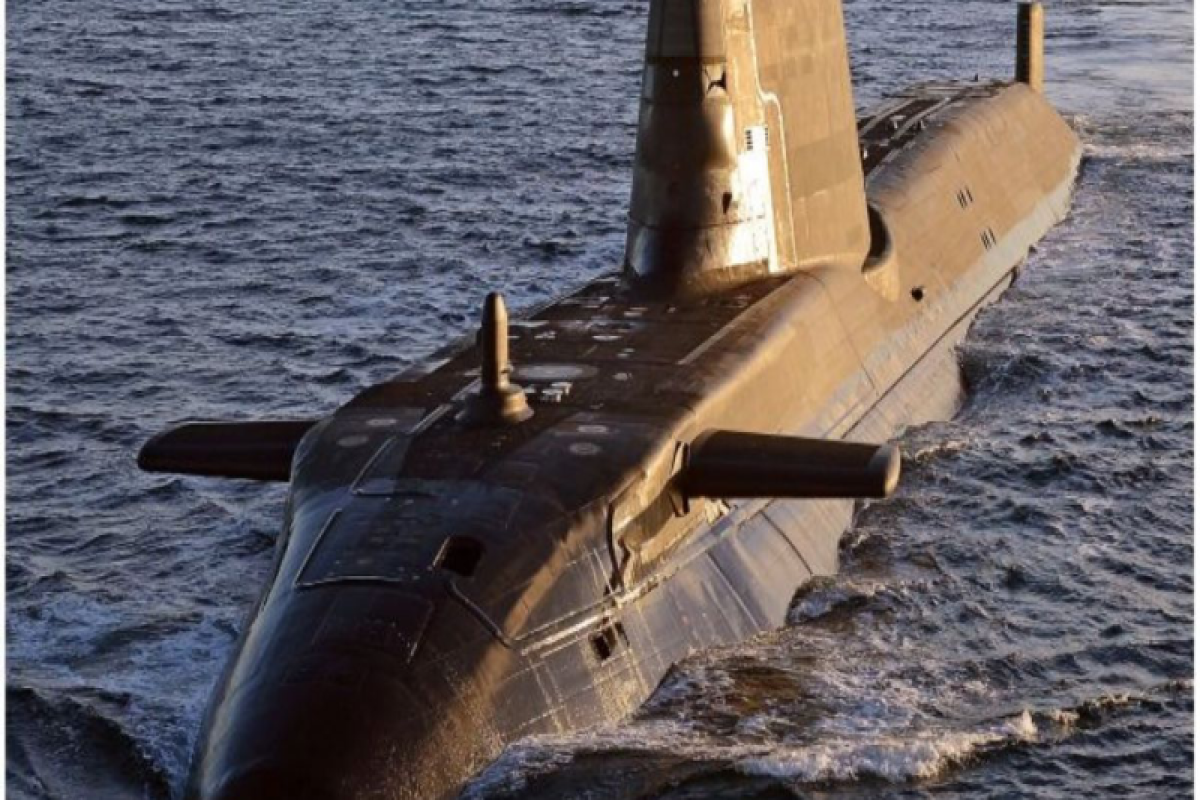
Britain has zero active submarines at sea for now
02:00
 28 June 2026
UK guarantees $1 billion World Bank loan to Ukraine
23:20
26 June 2026
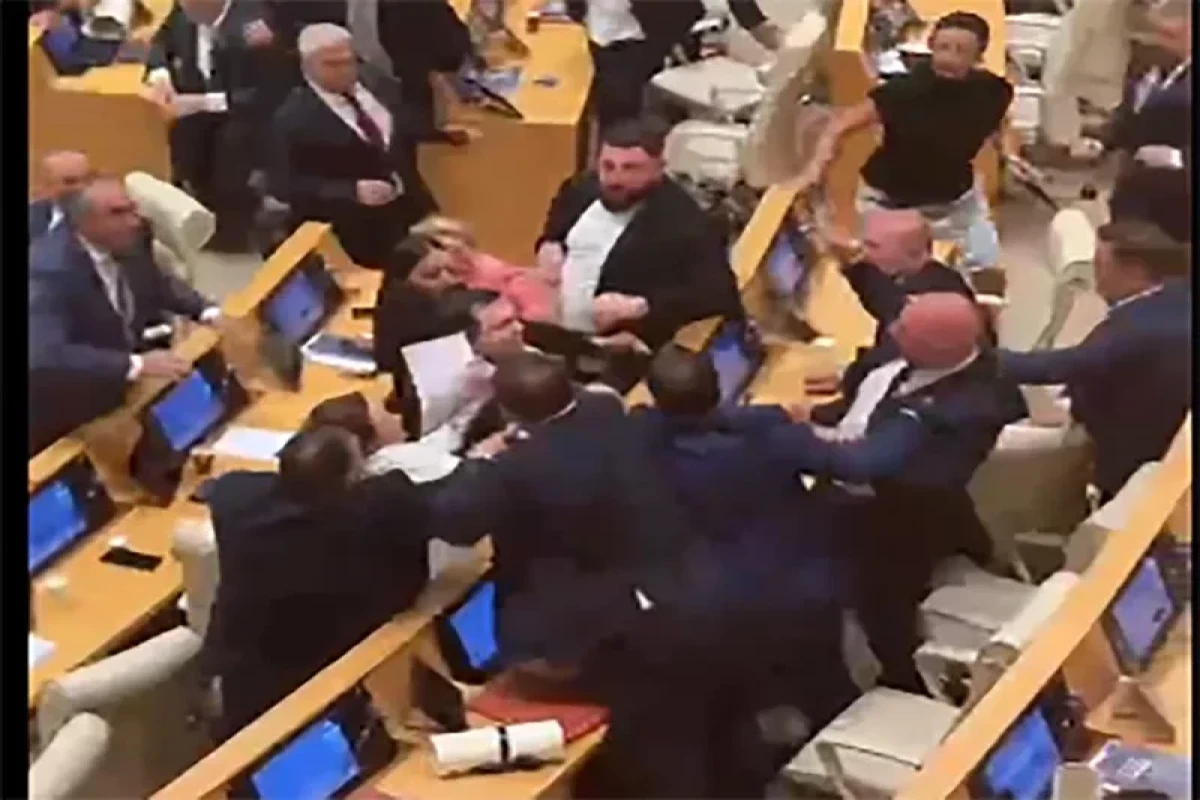
Scuffle breaks out during Georgian parliament session, proceedings suspended - PHOTO
20:00
26 June 2026
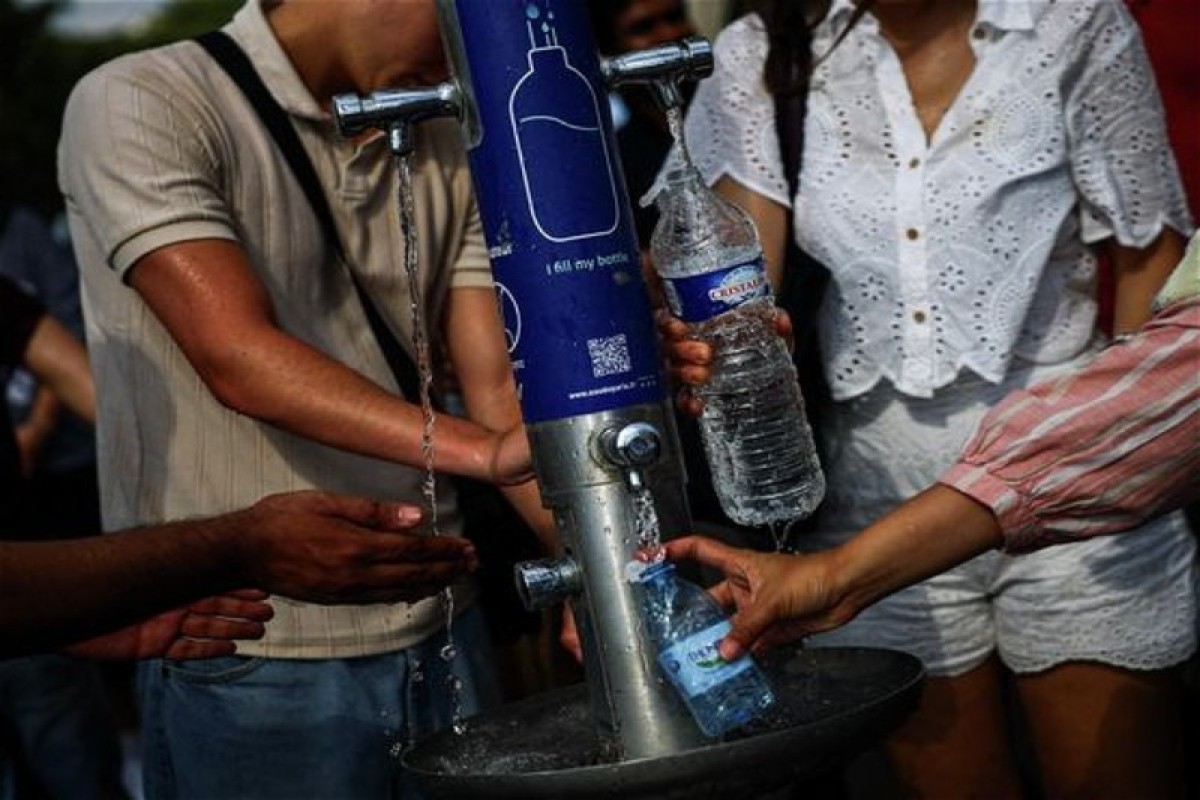
Death toll hits 55 in France as drownings rise amid Europe heatwave
19:07
26 June 2026

NEWS FEED
Trump threatens more military action against Iran if strikes continue
03:52
Audio
28 June 2026
UN: Venezuela earthquake could affect more than 6.7 million people
02:44
28 June 2026
US launches more strikes against Iran
02:17
Audio
28 June 2026
Britain has zero active submarines at sea for now
02:00
28 June 2026
Israel will withdraw troops from two areas in southern Lebanon on June 28
01:48
28 June 2026
Netanyahu announces plans to form broad national government after elections
01:30
28 June 2026
Argentina cabinet chief resigns after corruption allegations
01:20
28 June 2026
Magnitude 5.4 earthquake struck Venezuela
00:56
28 June 2026
Netanyahu: Deal says Israel can keep security zone as long as needed
23:53
27 June 2026
UFC Baku: Rafael Fiziev defeats Manuel Torres in main event
23:14
Audio
27 June 2026
UFC: Abus Magomedov defeats Mikhal Oleksiychuk
21:22
27 June 2026
UFC: Farman Hasanov defeats his opponent from the United States
21:11
27 June 2026
Wheat to be shipped to Armenia via transit through Azerbaijan
19:53
27 June 2026
Jeyhun Bayramov and Hakan Fidan hold phone conversation
19:04
27 June 2026
"Caucasus Eagle 2026" exercise concludes-VIDEO
18:43
27 June 2026
Tremors jolt Delhi-NCR, Kashmir as magnitude 6.2 earthquake hits Afghanistan
18:37
27 June 2026
Tanker hit by unidentified projectile in Hormuz, British maritime agency says
16:54
27 June 2026
Russian Defense Ministry claims two Ukrainian MiG-29 fighter jets destroyed at Mykolaiv airfield
16:51
27 June 2026
Iran accuses U.S. of violating two clauses of memorandum
16:48
27 June 2026
Service chief: Lowering military conscription age limit has reduced state expenses
16:09
27 June 2026
Ukrainian MiG-29 crashes during combat mission, Air Force says, pilot ejects safely
15:25
27 June 2026
Russia and Ukraine exchange civilian detainees
14:40
27 June 2026
Baku–Nakhchivan flights cancelled due to thunderstorms
14:16
27 June 2026
One killed, 11 injured in Ukraine's attack on Volgograd
13:58
27 June 2026
Bahrain says Iranian drones targeted its territory early Saturday
13:55
27 June 2026
Zelenskyy confirms strike on military plant in Volgograd-VIDEO-UPDATED
13:42
27 June 2026
Kremlin: Putin and Lukashenko continue talks
13:38
27 June 2026
Small aircraft crash in Beijing kills one person, injures 13, local govt says
13:30
27 June 2026
Iran's Foreign Ministry reacts to U.S. airstrikes
11:31
27 June 2026
Leyla Aliyeva and Arzu Aliyeva visit "CandyFest" summer festival and watch "Magic Pearl" water circus show-PHOTO
11:24
27 June 2026
Leyla Aliyeva and Arzu Aliyeva participate in seasonal flower planting campaign on Baku Boulevard-PHOTO
11:21
27 June 2026
Leyla Aliyeva and Arzu Aliyeva attend opening and presentation ceremonies at the Seaside National Park-PHOTO
11:14
27 June 2026
Baltic states urge EU to speed up ban on Russian oil imports
11:07
27 June 2026
Seoul says Chinese, Russian military aircraft enter its air defense zone
10:51
27 June 2026
Gold and silver rise in commodity markets
10:24
27 June 2026
Natural gas falls on New York exchange
10:22
27 June 2026
Azerbaijani oil trades at $74
10:20
27 June 2026
Two police officers killed in armed attack on police checkpoint in Iran
10:15
27 June 2026
Brent oil falls by more than 4%
09:35
27 June 2026
Major global stock market indices
09:29
27 June 2026
State Department: Lebanon agreement envisages withdrawal of Israeli forces
09:24
27 June 2026
Saudi Arabia resumes oil loading in the Persian Gulf
09:20
27 June 2026
Vance: US ready to discuss memorandum disagreements with Iran
02:39
Audio
27 June 2026
IRGC says it struck US military positions in response to US airstrike on Iran
01:43
27 June 2026
France wins Group I after beating Norway 4-1
01:13
27 June 2026
US strikes Iranian targets in response to attack on cargo ship
00:47
Audio
27 June 2026
Netanyahu says Israeli army will remain in southern Lebanon ‘security zone’ until Hezbollah disarmed
23:49
26 June 2026
UK guarantees $1 billion World Bank loan to Ukraine
23:20
26 June 2026
Israel, Lebanon sign framework peace deal after US-mediated talks
22:36
Audio
26 June 2026
Venezuela quake death toll rises to 92
22:29
26 June 2026


