

Rising tensions in the Middle East could lead not only to temporary volatility in global energy markets but also to a structural turning point. The global energy map could be reshaped, Türkiye’s Dünya newspaper reports, citing International Energy Agency (IEA) chief Fatih Birol.
According to him, after the outbreak of war in the Middle East, prompt steps were taken to maintain stability in the markets:
“Fifteen days after the war began, I announced the release of 400 million barrels of oil reserves. This is a kind of insurance for the whole world. If we face more difficult situations, we can continue to use these reserves.”
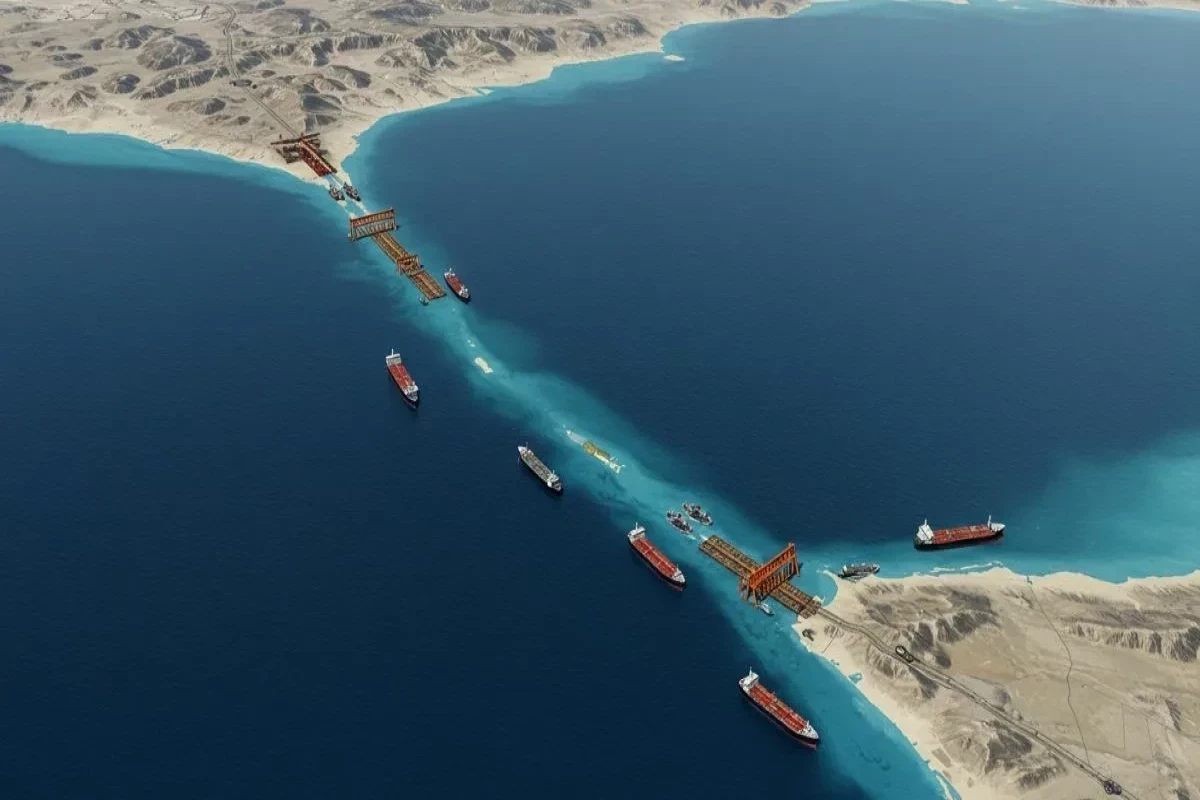
The IEA chief emphasized that geopolitical risks in the Strait of Hormuz will have long-term effects. According to him, even if physical obstacles in the region are removed, it will take time for the system to return to its previous functioning.
“Even if the Strait of Hormuz opens tomorrow, returning to the pre-war period will require significant time, a recovery process, and large volumes of capital. According to our assessments, this process will take at least two years. It will be a very difficult period for energy-importing countries. There is no magic wand that will immediately normalize the markets,” Fatih Birol said.
He emphasized that the Strait of Hormuz has already lost its former reliability. This crisis could lead to a redrawing of the global energy map.
“The era when the global economy was critically dependent on a single strait is becoming history. Even if everything returns to normal tomorrow, high prices and volatility in the markets will persist for a long time,” Fatih Birol added.


 Follow us on Telegram
 t.me/apanewsaz
 Follow us on Instagram
 Follow us on TikTok
 Follow us on Facebook
 Follow us on X