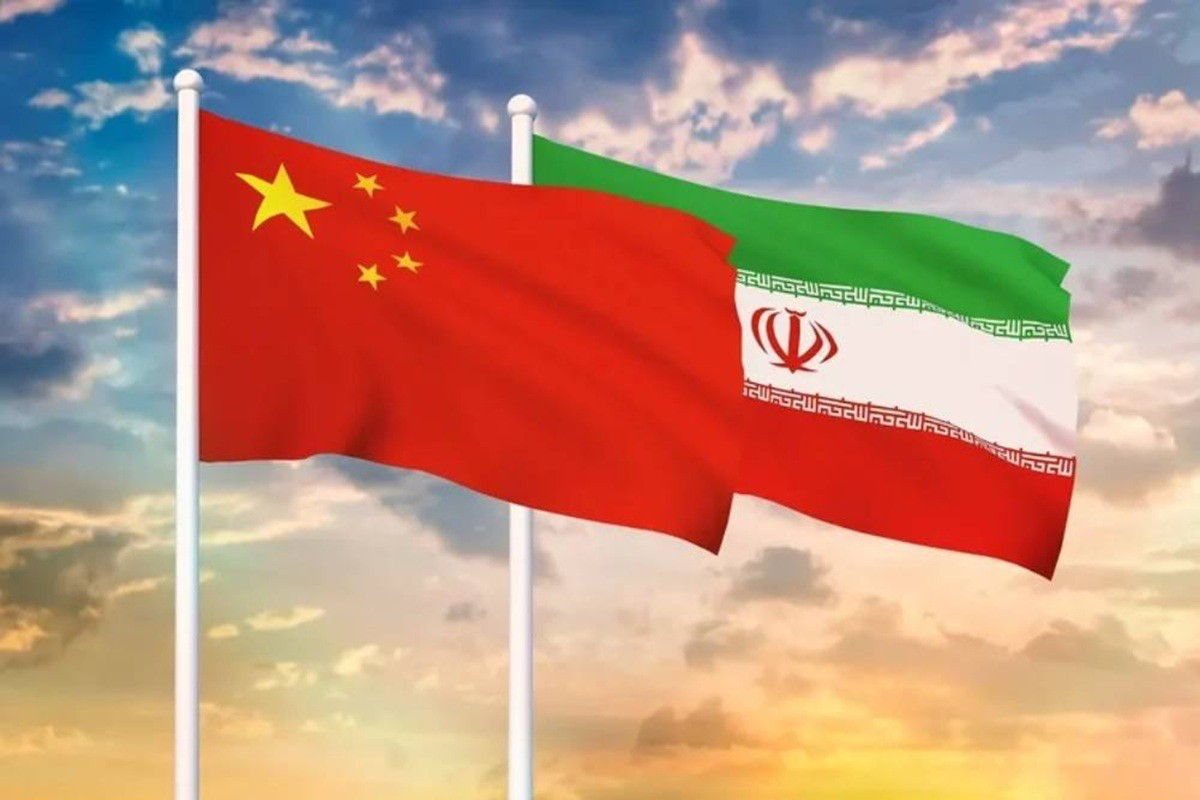
The majority of Iran’s frozen assets are held in China, Iraq, India, and South Korea, APA's Tehran bureau reports.
This was stated in an analytical report by IRNA on Iran’s frozen assets abroad and the mechanisms for their release.
It was noted that there is no unified position regarding the amount of funds to be released under the Islamabad memorandum. Although figures exceeding $100 billion have been mentioned in the media in recent weeks, these do not reflect reality.
The report emphasized that since China, Iraq, India, and South Korea have been Iran’s main trading partners for more than the past 10 years, the country’s principal financial resources are frozen in these states.
It was also noted that the share of funds held in Japan and Kuwait is relatively smaller.
According to IRNA, the Central Bank of Iran estimates the volume of frozen assets in foreign countries at approximately $24 billion. At the same time, it was noted that this figure does not include funds held in China.
The agency, referring to the signing of the memorandum by the presidents of Iran and the United States, stated that once access to these financial resources is secured, the Central Bank of Iran will be able to purchase essential food products and carry out humanitarian financial transactions. The United Nations, the International Atomic Energy Agency, and U.S. primary and secondary sanctions should also not hinder these financial operations.
IRNA recalled that the released funds will not be reintroduced into Iran’s economy in the form of rials. Their main function will be to strengthen the country's foreign exchange reserves, facilitate trade operations, open letters of credit, and increase the Central Bank’s ability to intervene in the foreign exchange market.
The agency emphasized that the release of frozen assets is less about bringing oil revenues into the economy and more an indication of Iran gaining broader access to its own financial resources and a reduction in restrictions stemming from banking sanctions. This factor could have a positive impact on strengthening stability in the foreign exchange market and reducing economic uncertainty.
Hashem Rahimi


 Follow us on Telegram
 t.me/apanewsaz
 Follow us on Instagram
 Follow us on TikTok
 Follow us on Facebook
 Follow us on X