










Baku – APA. Voters went to the polls Tuesday in Jordan despite a boycott by the country’s main opposition group, in a parliamentary election that is likely to bolster allies of the country’s monarchy and deepen popular alienation from the political process, APA reports quoting “The New York Timesâ€.
The election follows a campaign dominated by widespread anger at the stalled Mideast peace talks and rising poverty in Jordan. The pro-American kingdom has struggled for years to balance a measure of democracy with the need to check a powerful Islamist movement and a large, restive Palestinian population.
The Islamic Action Front, Jordan’s main opposition group, boycotted in protest of the government’s failure to reform its gerrymandered voting districts, in which cities — where most Islamist voters live — have less representation in parliament than rural areas inhabited by tribes that are loyal to Jordan’s King, Abdullah II.
Reflecting that imbalance, voting was light in Amman, Jordan’s capital, many observers said. But by midday it appeared to have picked up somewhat, and the Interior Ministry reported that turnout across Jordan was 32 percent.
In all, 763 candidates ran for 120 seats in Jordan’s elected lower house, known as the Chamber of Deputies, where 12 spots are allocated for Christians and other minorities and 12 others are set aside for women.
Jordan’s last election, in 2007, took place in the shadow of the takeover of Gaza by Hamas, which left the government deeply worried about Islamist influence. The election was marred by widespread accusations of fraud and manipulation by the Jordanian authorities. This time the government was keen to ease those resentments, and allowed international monitors to observe the election for the first time.
“There’s no doubt that procedures have improved since 2007,†said Les Campbell, the regional director of the National Democratic Institute, which brought a 61-member observation team. Vote-checking methods have improved, it is easier to file a challenge and everything is computerized, Mr. Campbell said. But there have been accusations of vote-buying, as yet unconfirmed, and “it remains to be seen whether the improved procedures will result in a better election,†Mr. Campbell added.
King Abdullah dissolved the Chamber of Deputies late last year, and many thought he would reform the imbalances in Jordan’s voting districts, said Renda Habib, a political analyst in Amman. Instead, he left it intact, leading the Islamic Action Front, which is the political wing of the Muslim Brotherhood, to shun the election.
“The number of Islamists has grown, but their representation in Parliament has shrunk,†said Ms. Habib.
Seven members of the Islamic Action Front ignored the boycott and ran for office as independents. They have been suspended by the Front, and if they win — as seems likely — it could bolster the election’s public legitimacy.
Economic issues figured largely in the election, reflecting Jordan’s high rate of joblessness, high food prices and a record budget deficit of $2.1 billion. Jordan’s economy is heavily dependent on foreign investment, foreign aid and remittances. It suffered more than most other Arab countries in the global economic crisis that began in 2008.


 Follow us on Telegram
 t.me/apanewsaz
 Follow us on Instagram
 Follow us on TikTok
 Follow us on Facebook
 Follow us on X
Asia
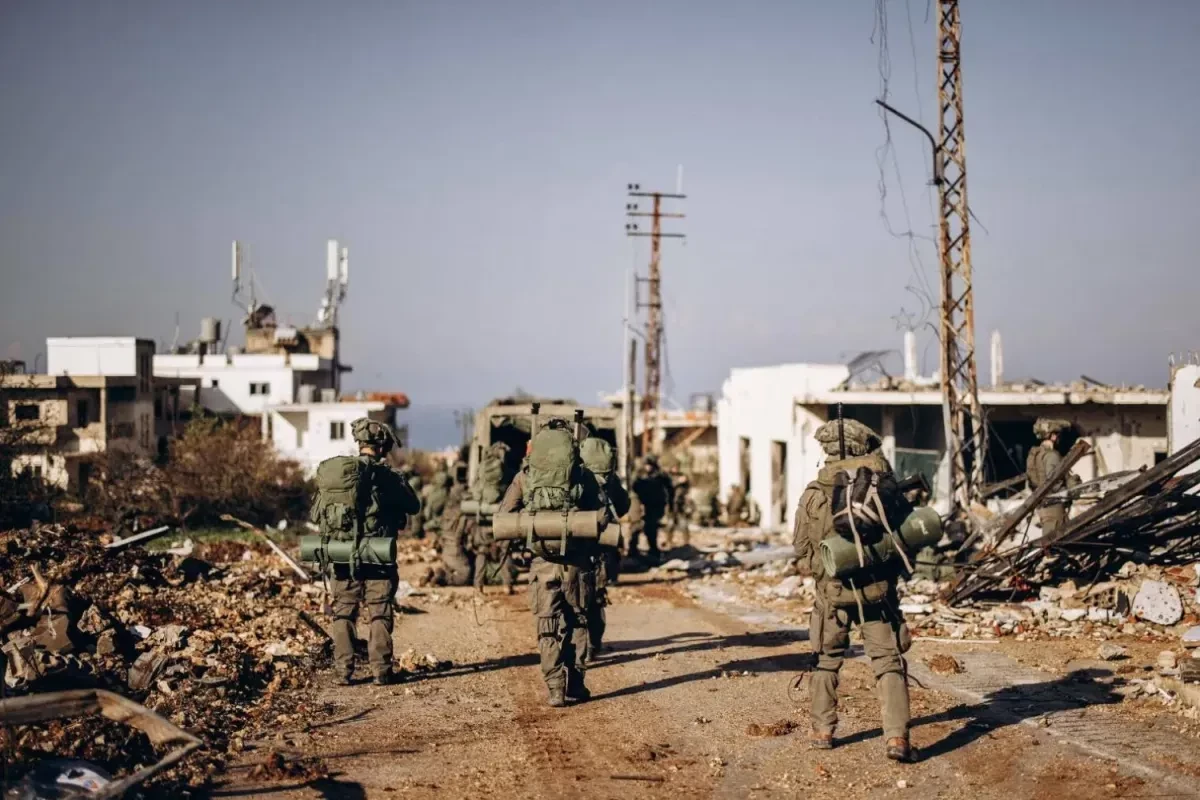
Israel will withdraw troops from two areas in southern Lebanon on June 28
 01:48
01:48
 28 June 2026
Netanyahu announces plans to form broad national government after elections
01:30
28 June 2026
Netanyahu: Deal says Israel can keep security zone as long as needed
23:53
27 June 2026
Tremors jolt Delhi-NCR, Kashmir as magnitude 6.2 earthquake hits Afghanistan
18:37
27 June 2026

NEWS FEED
Trump threatens more military action against Iran if strikes continue
03:52
Audio
28 June 2026
UN: Venezuela earthquake could affect more than 6.7 million people
02:44
28 June 2026
US launches more strikes against Iran
02:17
Audio
28 June 2026
Britain has zero active submarines at sea for now
02:00
28 June 2026
Israel will withdraw troops from two areas in southern Lebanon on June 28
01:48
28 June 2026
Netanyahu announces plans to form broad national government after elections
01:30
28 June 2026
Argentina cabinet chief resigns after corruption allegations
01:20
28 June 2026
Magnitude 5.4 earthquake struck Venezuela
00:56
28 June 2026
Netanyahu: Deal says Israel can keep security zone as long as needed
23:53
27 June 2026
UFC Baku: Rafael Fiziev defeats Manuel Torres in main event
23:14
Audio
27 June 2026
UFC: Abus Magomedov defeats Mikhal Oleksiychuk
21:22
27 June 2026
UFC: Farman Hasanov defeats his opponent from the United States
21:11
27 June 2026
Wheat to be shipped to Armenia via transit through Azerbaijan
19:53
27 June 2026
Jeyhun Bayramov and Hakan Fidan hold phone conversation
19:04
27 June 2026
"Caucasus Eagle 2026" exercise concludes-VIDEO
18:43
27 June 2026
Tremors jolt Delhi-NCR, Kashmir as magnitude 6.2 earthquake hits Afghanistan
18:37
27 June 2026
Tanker hit by unidentified projectile in Hormuz, British maritime agency says
16:54
27 June 2026
Russian Defense Ministry claims two Ukrainian MiG-29 fighter jets destroyed at Mykolaiv airfield
16:51
27 June 2026
Iran accuses U.S. of violating two clauses of memorandum
16:48
27 June 2026
Service chief: Lowering military conscription age limit has reduced state expenses
16:09
27 June 2026
Ukrainian MiG-29 crashes during combat mission, Air Force says, pilot ejects safely
15:25
27 June 2026
Russia and Ukraine exchange civilian detainees
14:40
27 June 2026
Baku–Nakhchivan flights cancelled due to thunderstorms
14:16
27 June 2026
One killed, 11 injured in Ukraine's attack on Volgograd
13:58
27 June 2026
Bahrain says Iranian drones targeted its territory early Saturday
13:55
27 June 2026
Zelenskyy confirms strike on military plant in Volgograd-VIDEO-UPDATED
13:42
27 June 2026
Kremlin: Putin and Lukashenko continue talks
13:38
27 June 2026
Small aircraft crash in Beijing kills one person, injures 13, local govt says
13:30
27 June 2026
Iran's Foreign Ministry reacts to U.S. airstrikes
11:31
27 June 2026
Leyla Aliyeva and Arzu Aliyeva visit "CandyFest" summer festival and watch "Magic Pearl" water circus show-PHOTO
11:24
27 June 2026
Leyla Aliyeva and Arzu Aliyeva participate in seasonal flower planting campaign on Baku Boulevard-PHOTO
11:21
27 June 2026
Leyla Aliyeva and Arzu Aliyeva attend opening and presentation ceremonies at the Seaside National Park-PHOTO
11:14
27 June 2026
Baltic states urge EU to speed up ban on Russian oil imports
11:07
27 June 2026
Seoul says Chinese, Russian military aircraft enter its air defense zone
10:51
27 June 2026
Gold and silver rise in commodity markets
10:24
27 June 2026
Natural gas falls on New York exchange
10:22
27 June 2026
Azerbaijani oil trades at $74
10:20
27 June 2026
Two police officers killed in armed attack on police checkpoint in Iran
10:15
27 June 2026
Brent oil falls by more than 4%
09:35
27 June 2026
Major global stock market indices
09:29
27 June 2026
State Department: Lebanon agreement envisages withdrawal of Israeli forces
09:24
27 June 2026
Saudi Arabia resumes oil loading in the Persian Gulf
09:20
27 June 2026
Vance: US ready to discuss memorandum disagreements with Iran
02:39
Audio
27 June 2026
IRGC says it struck US military positions in response to US airstrike on Iran
01:43
27 June 2026
France wins Group I after beating Norway 4-1
01:13
27 June 2026
US strikes Iranian targets in response to attack on cargo ship
00:47
Audio
27 June 2026
Netanyahu says Israeli army will remain in southern Lebanon ‘security zone’ until Hezbollah disarmed
23:49
26 June 2026
UK guarantees $1 billion World Bank loan to Ukraine
23:20
26 June 2026
Israel, Lebanon sign framework peace deal after US-mediated talks
22:36
Audio
26 June 2026
Venezuela quake death toll rises to 92
22:29
26 June 2026


