










Baku – APA. For Pakistan’s army, ejecting militants from safe havens near the Afghan border has proven to be the easy part, APA reports quoting “The Washington Postâ€.
The problems come later: The guerrillas creep back and carry out attacks. Civilians never return.
This is especially true in South Waziristan, where some 30,000 ground troops launched an offensive a year ago, quickly clearing what had been a major hub for al-Qaida and the Taliban. But over the last week, insurgent attacks have killed eight soldiers, while the Pakistani region’s 400,000 people will not return until next spring at the earliest.
"I want to go back but there is no peace," said Abdul Karim, a 46-year-old goat and cow herder with three children. "I would get stuck between the army and the Taliban," Karim said as he lined up with other refugees for a cash handout in this dusty town close to South Waziristan.
The problems in South Waziristan - similar in many ways to those facing American troops in Afghanistan - may help explain Pakistan’s reluctance to launch a similar operation in the adjoining North Waziristan region despite pressure from Washington.
Islamabad’s refusal to move into the north, where a powerful militant faction behind many of the attacks on U.S. troops in Afghanistan is based, is raising tensions with Washington, which wants to pressure Afghan insurgents and create conditions for peace talks to end the 10-year war.
U.S. military leaders have acknowledged that the Pakistan army is stretched. But Islamabad is also widely believed to be holding back from North Waziristan because the Afghan Taliban factions there are seen as potential allies when U.S. troops withdraw from Afghanistan.
In Washington on Friday, U.S. Secretary of State Hillary Rodham Clinton laid out a five-year, $2 billion military aid package for Pakistan, an effort to reassure the country of America’s long-term commitment to its military needs as well as boost its efforts against militants.
The U.S. has praised the army’s efforts in the northwest, but a White House assessment this month contained some blunt criticism. It reported that soldiers in South Waziristan were not attacking militants who were returning from the north, where many fled before or during the offensive.
It said the army had been unable to implement the "hold and build" phase of the offensives in South Waziristan and other tribal regions its forces had entered over the last 2 1/2 years - such as Bajur, Mohmand and Orakzai. "It’s inability to overcome those challenges could eventually turn last year’s operational successes into stalled strategic efforts," the report said.
In a sign of those problems, a bomb killed six soldiers Friday in Orakzai, a region where just four months ago the army chief had declared victory. Hours later, Pakistani helicopters pounded targets there and in neighboring Kurram, killing 22 suspected insurgents, government officials said.
In the colonial period, the British army lost hundreds of soldiers to tribesmen in South Waziristan and was never able to subdue the mountainous region, where keeping troops supplied is a costly and difficult exercise.
Soon after Pakistan launched its offensive last year, the Taliban said they were withdrawing to fight a guerrilla war.
An estimated 1 million people have been displaced by Pakistani army operations against militants in the northwest. But unlike many who live in camps, most members of the Mehsud tribe that populates South Waziristan are staying with relatives in the border towns of Tank and Dera Ismail Khan.
As it has done in some other parts of the northwest, the army telegraphed the South Waziristan offensive weeks in advance and either encouraged or forced residents to leave. That meant the soldiers could operate with reduced risk of civilian casualties, but it also allowed militants time to flee.
The Mehsuds say they are not going back to their now overgrown and in many cases destroyed villages because they worry about being caught in violence between the army and the Taliban - or forced to take sides in the fight.
Getting them and other tribal people to return home - preferably with a pledge to keep insurgents out - is essential for success against the insurgency. The Taliban benefit from having the army tied up dealing with refugees, unable to expand their offensive to other areas in the border region.
On Monday, some 500 Mehsud elders met with political and army leaders in Tank to try to map out a possible return. It was at least the 20th such meeting, or jirga, since the tribe left the region.
Those who attended said they reached a tentative agreement to return so long as the government pays each family about $1,000. Many were skeptical this would happen anytime soon.
"You cannot expect a word of truth from the government or their agents," said Haji Dilawar Khan, who was sitting in a park with five other elders in Dera Ismail Khan. "If the army vacates the area and pays us compensation on the way out, then there will be peace."
Fearful of retribution, many Mehsud privately criticize the Taliban for bringing trouble upon them. But there is also anger at the army - seen by many in the fiercely independent region as a foreign force - for destroying property and uprooting lives.
Militants have attacked similar jirgas in other parts of the northwest, and security was exceptionally tight on Monday. Army troops lined the three roads leading to Tank and prohibited any traffic.
But the insurgents were able to distribute leaflets in the town and surrounding villages warning people not to go home. The pamphlets also dismissed rumors spreading in the area that the army and the Taliban were negotiating a safe return for the Mehsuds.
"We have had no talks with the government, nor is there any reconciliation," the pamphlet read.
"This is false propaganda by the government to put you people in the clutches of death by sending you back to Waziristan."
The Mehsud refugees are eligible for a cash handout every month and supplies of rice, flour, oil and beans provided by the U.N. Each morning, they line up outside a dusty cricket stadium on the outskirts of Dera Ismail Khan that the army has commandeered.
Akbar Jan, a pro-government elder campaigning to become a national parliament member, said he thought it was possible for the tribe to return if they all did at the same time. He dismissed fears the Taliban would attack their own people.
But he acknowledged that more fighting would mean the tribe would likely have to leave again.
Under British-era regulations still used in the tribal belt, the army may collectively punish entire tribes for crimes committed by their individuals. That means, for example, that the army could target the Mehsuds after they return if there is a Taliban attack on security forces from their lands.
Part of the tribe’s problem is a lack of respected elders, said Alam Jan Mehsud, a retired general in the Pakistani army. The Taliban killed hundreds of leaders close to the government when the militants were spreading their influence in South Waziristan.
Mehsud, who advised the army chief on the South Waziristan operation, said about 50 Mehsud elders visited his Islamabad home to discuss their concerns with the government. He said he recognized hardly any of them.
"The tribe is almost like a rudderless ship on the high seas," he said. "There was a tribal system that was going on for a century and half. It has been destroyed."


 Follow us on Telegram
 t.me/apanewsaz
 Follow us on Instagram
 Follow us on TikTok
 Follow us on Facebook
 Follow us on X
Asia
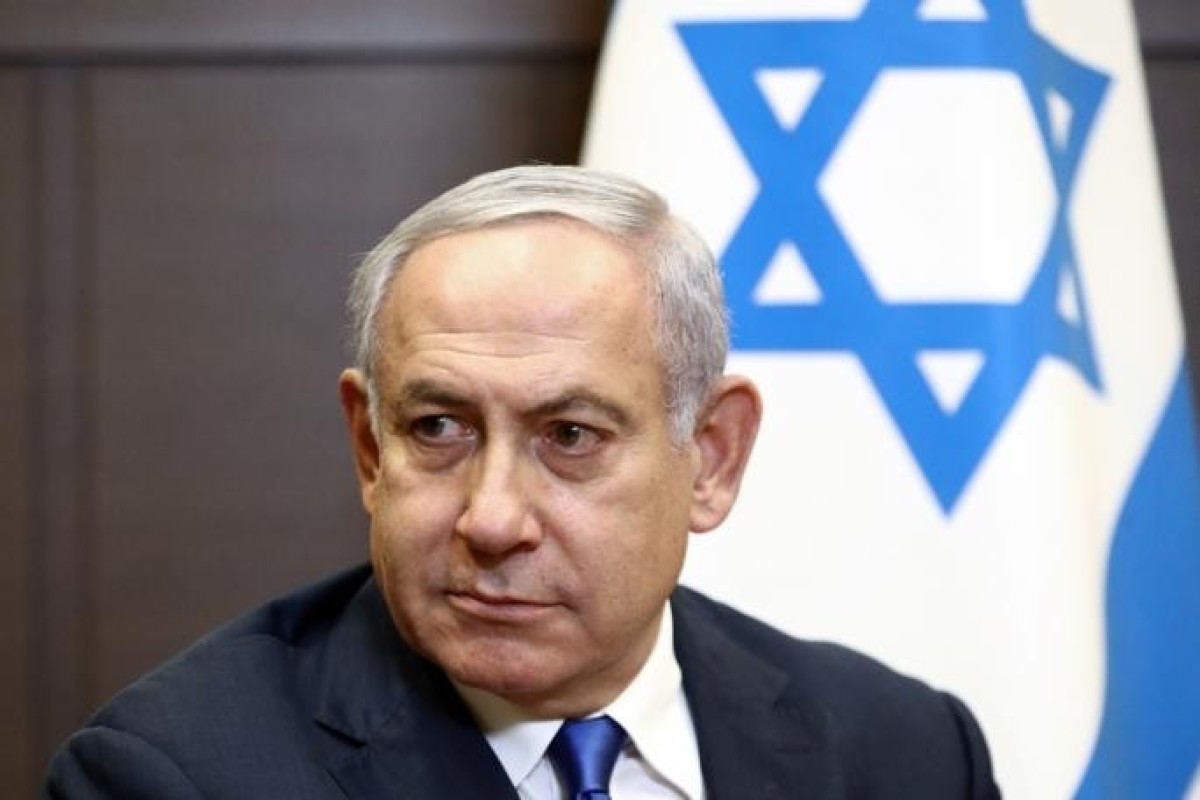
Netanyahu: Deal says Israel can keep security zone as long as needed
 23:53
23:53
 27 June 2026

Tremors jolt Delhi-NCR, Kashmir as magnitude 6.2 earthquake hits Afghanistan
18:37
27 June 2026
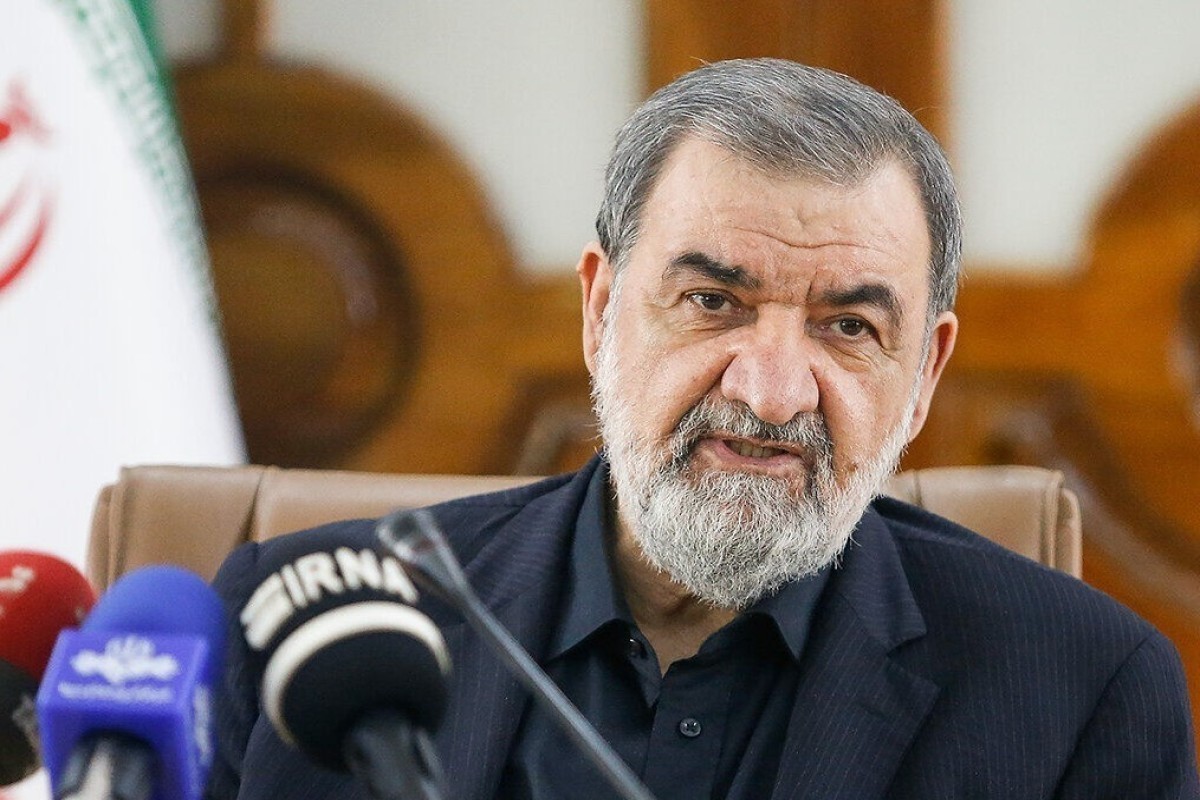
Iran accuses U.S. of violating two clauses of memorandum
16:48
27 June 2026
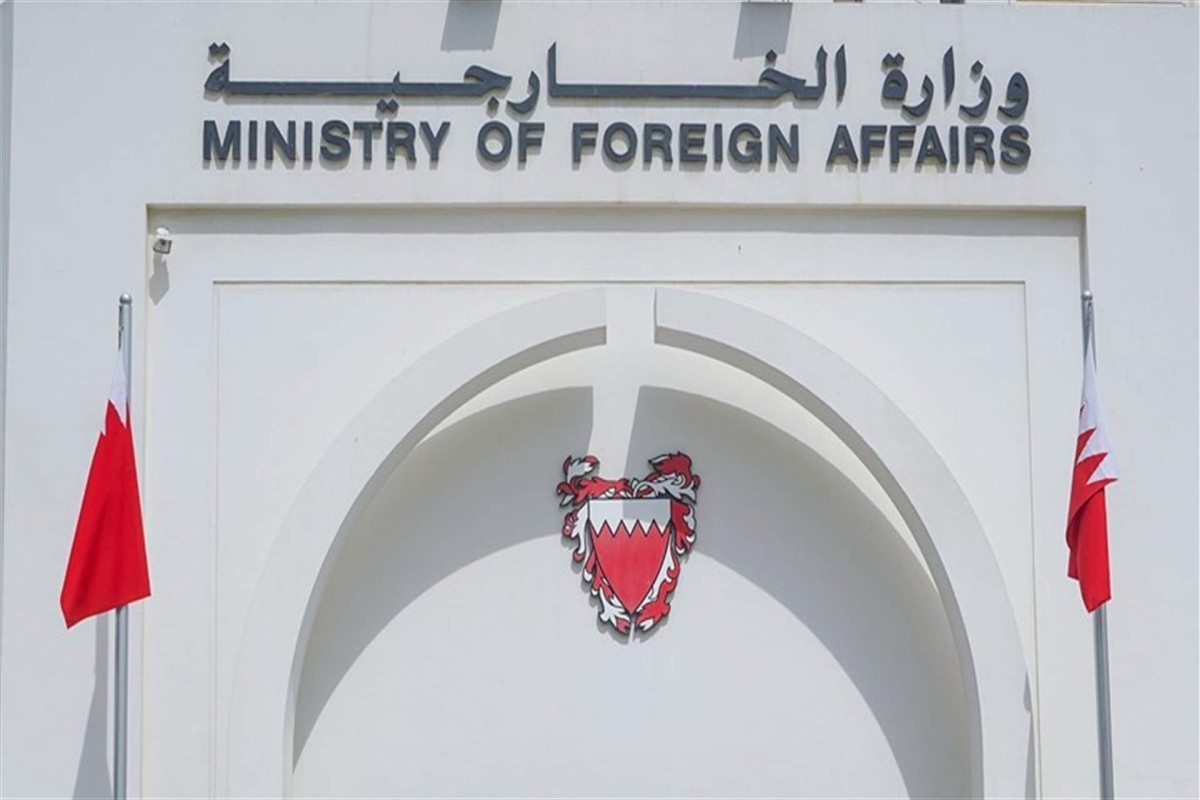
Bahrain says Iranian drones targeted its territory early Saturday
13:55
27 June 2026

NEWS FEED
Netanyahu: Deal says Israel can keep security zone as long as needed
23:53
27 June 2026
UFC: Abus Magomedov defeats Mikhal Oleksiychuk
21:22
27 June 2026
UFC: Farman Hasanov defeats his opponent from the United States
21:11
27 June 2026
Wheat to be shipped to Armenia via transit through Azerbaijan
19:53
27 June 2026
Jeyhun Bayramov and Hakan Fidan hold phone conversation
19:04
27 June 2026
"Caucasus Eagle 2026" exercise concludes-VIDEO
18:43
27 June 2026
Tremors jolt Delhi-NCR, Kashmir as magnitude 6.2 earthquake hits Afghanistan
18:37
27 June 2026
Tanker hit by unidentified projectile in Hormuz, British maritime agency says
16:54
27 June 2026
Russian Defense Ministry claims two Ukrainian MiG-29 fighter jets destroyed at Mykolaiv airfield
16:51
27 June 2026
Iran accuses U.S. of violating two clauses of memorandum
16:48
27 June 2026
Service chief: Lowering military conscription age limit has reduced state expenses
16:09
27 June 2026
Ukrainian MiG-29 crashes during combat mission, Air Force says, pilot ejects safely
15:25
27 June 2026
Russia and Ukraine exchange civilian detainees
14:40
27 June 2026
Baku–Nakhchivan flights cancelled due to thunderstorms
14:16
27 June 2026
One killed, 11 injured in Ukraine's attack on Volgograd
13:58
27 June 2026
Bahrain says Iranian drones targeted its territory early Saturday
13:55
27 June 2026
Zelenskyy confirms strike on military plant in Volgograd-VIDEO-UPDATED
13:42
27 June 2026
Kremlin: Putin and Lukashenko continue talks
13:38
27 June 2026
Small aircraft crash in Beijing kills one person, injures 13, local govt says
13:30
27 June 2026
Iran's Foreign Ministry reacts to U.S. airstrikes
11:31
27 June 2026
Leyla Aliyeva and Arzu Aliyeva visit "CandyFest" summer festival and watch "Magic Pearl" water circus show-PHOTO
11:24
27 June 2026
Leyla Aliyeva and Arzu Aliyeva participate in seasonal flower planting campaign on Baku Boulevard-PHOTO
11:21
27 June 2026
Leyla Aliyeva and Arzu Aliyeva attend opening and presentation ceremonies at the Seaside National Park-PHOTO
11:14
27 June 2026
Baltic states urge EU to speed up ban on Russian oil imports
11:07
27 June 2026
Seoul says Chinese, Russian military aircraft enter its air defense zone
10:51
27 June 2026
Gold and silver rise in commodity markets
10:24
27 June 2026
Natural gas falls on New York exchange
10:22
27 June 2026
Azerbaijani oil trades at $74
10:20
27 June 2026
Two police officers killed in armed attack on police checkpoint in Iran
10:15
27 June 2026
Brent oil falls by more than 4%
09:35
27 June 2026
Major global stock market indices
09:29
27 June 2026
State Department: Lebanon agreement envisages withdrawal of Israeli forces
09:24
27 June 2026
Saudi Arabia resumes oil loading in the Persian Gulf
09:20
27 June 2026
Vance: US ready to discuss memorandum disagreements with Iran
02:39
Audio
27 June 2026
IRGC says it struck US military positions in response to US airstrike on Iran
01:43
27 June 2026
France wins Group I after beating Norway 4-1
01:13
27 June 2026
US strikes Iranian targets in response to attack on cargo ship
00:47
Audio
27 June 2026
Netanyahu says Israeli army will remain in southern Lebanon ‘security zone’ until Hezbollah disarmed
23:49
26 June 2026
UK guarantees $1 billion World Bank loan to Ukraine
23:20
26 June 2026
Israel, Lebanon sign framework peace deal after US-mediated talks
22:36
Audio
26 June 2026
Venezuela quake death toll rises to 92
22:29
26 June 2026
Trump accuses Iran of violating ceasefire with US
20:24
Audio
26 June 2026
Scuffle breaks out during Georgian parliament session, proceedings suspended - PHOTO
20:00
26 June 2026
Turkish ships stranded in Strait of Hormuz safely leave the region
19:56
26 June 2026
Turkish actor Kadir İnanır dies at 77
19:33
26 June 2026
Putin meets with Belarusian President Lukashenko
19:22
26 June 2026
Putin bans deportation of foreigners serving under contract in Russian army
19:19
26 June 2026
Seven Hezbollah fighters killed in Lebanon
19:12
26 June 2026
Explosion followed by fire hits factory in Türkiye
19:10
26 June 2026
Death toll hits 55 in France as drownings rise amid Europe heatwave
19:07
26 June 2026


