










Baku – APA. Two candidates were among more than 20 people kidnapped in Afghanistan, officials said on Friday on the eve of a parliamentary election the Taliban has vowed to disrupt, a grim start to the poll despite tightened security, APA reports quoting “Reutersâ€.
Reports of violence and kidnapping spread from Afghanistan’s west to east, although the capital, Kabul, was relatively quiet as security forces imposed a clampdown.
Noor Mohammad Noor, a spokesman for Afghanistan’s Independent Election Commission (IEC), said a candidate had been kidnapped in eastern Laghman province. The Taliban claimed responsibility for the abduction.
Qari Safiullah, another candidate in western Herat, had been missing for the past three days along with three campaign workers, Safiullah’s family told Reuters.
Eight IEC officials and 10 campaign workers were kidnapped in northwestern Badghis province.
The rash of abductions came despite security preparations being ramped up across the country before the vote, a key test after a deeply flawed presidential ballot last year, and will likely test the resolve of voters in the face of Taliban threats.
"We should try to do our best under the current circumstances. It is very important that the Afghan people come out and vote," Afghan President Hamid Karzai told reporters.
Almost 300,000 Afghan soldiers and police will guard the poll, backed up by almost 150,000 foreign troops. On Thursday, the hardline Islamist Taliban renewed its threat to attack foreign and Afghan targets and urged voters to stay at home.
Significant security failures would be a major setback, with Washington watching closely before U.S. President Barack Obama conducts a war strategy review in December which will likely examine the pace and scale of U.S. troop withdrawals.
U.S. Defense Secretary Robert Gates said in Washington overnight the current strategy appeared to be working but cautioned it would take months of sustained progress before it could be declared a success.
In northern Kunduz, Afghan and NATO-led troops killed a Taliban commander who was planning election attacks, the coalition said. A mosque to be used as a polling station was hit by rocket fire in Logar, south of Kabul, IEC officials said.
In southern Kandahar province, the focal point of the fight against the Taliban and the birthplace of the hardline Islamists, coalition troops killed another three Taliban insurgents in the Arghandab district, a key area near Kandahar city.
Observers fear security worries could lead to a low voter turnout, as it did last year when the Taliban staged dozens of attacks but failed to disrupt the process entirely.
However, voter turnout was very low in the south and east where Pashtuns, Afghanistan’s main ethnic group, dominate and where the Taliban has its strongest support.
The United Nations’ top diplomat in Afghanistan, Staffan de Mistura, has said a turnout of between 5 million and 7 million out of Afghanistan’s roughly 11.4 million registered voters would be considered a success.
CREDIBILITY
The election is also a test of credibility for Karzai after last year’s poll, which HE won despite a third of his votes being thrown out as fakes.
Since being re-elected, Karzai has promised to root out the endemic corruption that has been a source of great friction with his Western allies.
Washington believes widespread graft weakens the central government and its ability to build up institutions like the Afghan security forces, which in turn determines when Western troops in Afghanistan will be able to leave.
The West has been seeking to temper expectations of the poll. De Mistura said this week the election would not be perfect but it would be an improvement on the "massive fraud" of last year.
Afghanistan’s U.N.-backed Electoral Complaints Commission (ECC) has warned of a "disputatious" process, with thousands of complaints expected from among the almost 2,500 candidates who fail to win one of the 249 seats in the wolesi jirga, or lower house of parliament.
Last year’s election and the possibility of more widespread fraud have left an underlying cynicism among many voters who feel the system benefits only the political elite.
"Democracy, what’s that?" said Darya Khan, a 40-year-old driver. "I’m not going to vote, the people who get elected are just in it for themselves. They are not working to benefit the country, they are not thinking about the poor."


 Follow us on Telegram
 t.me/apanewsaz
 Follow us on Instagram
 Follow us on TikTok
 Follow us on Facebook
 Follow us on X
Asia
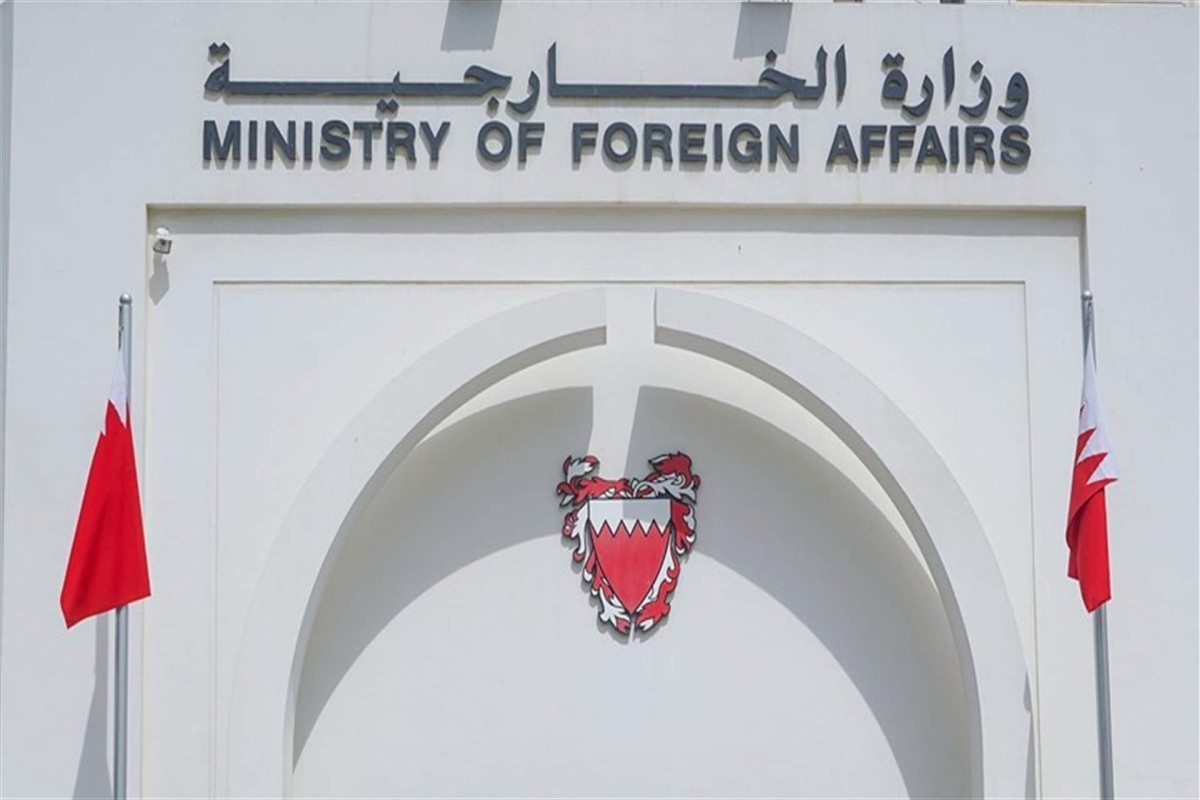
Bahrain says Iranian drones targeted its territory early Saturday
 13:55
13:55
 27 June 2026
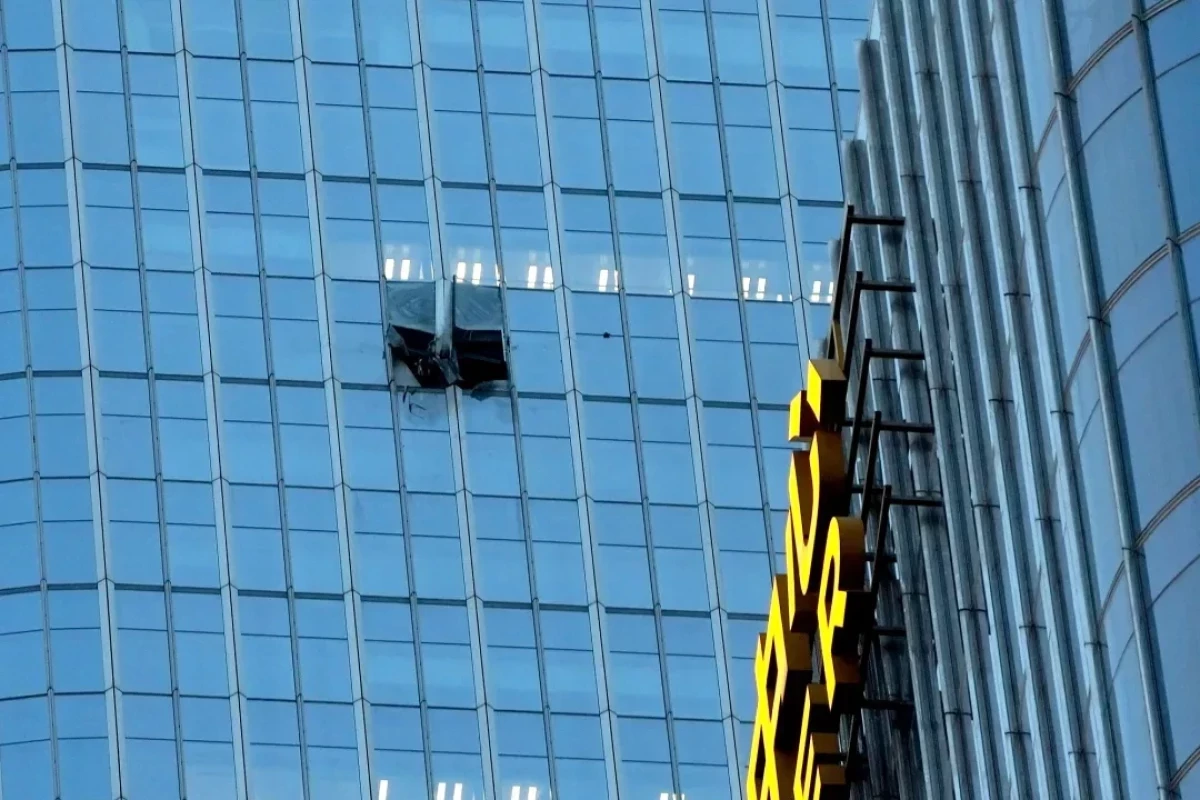
Small aircraft crash in Beijing kills one person, injures 13, local govt says
13:30
27 June 2026
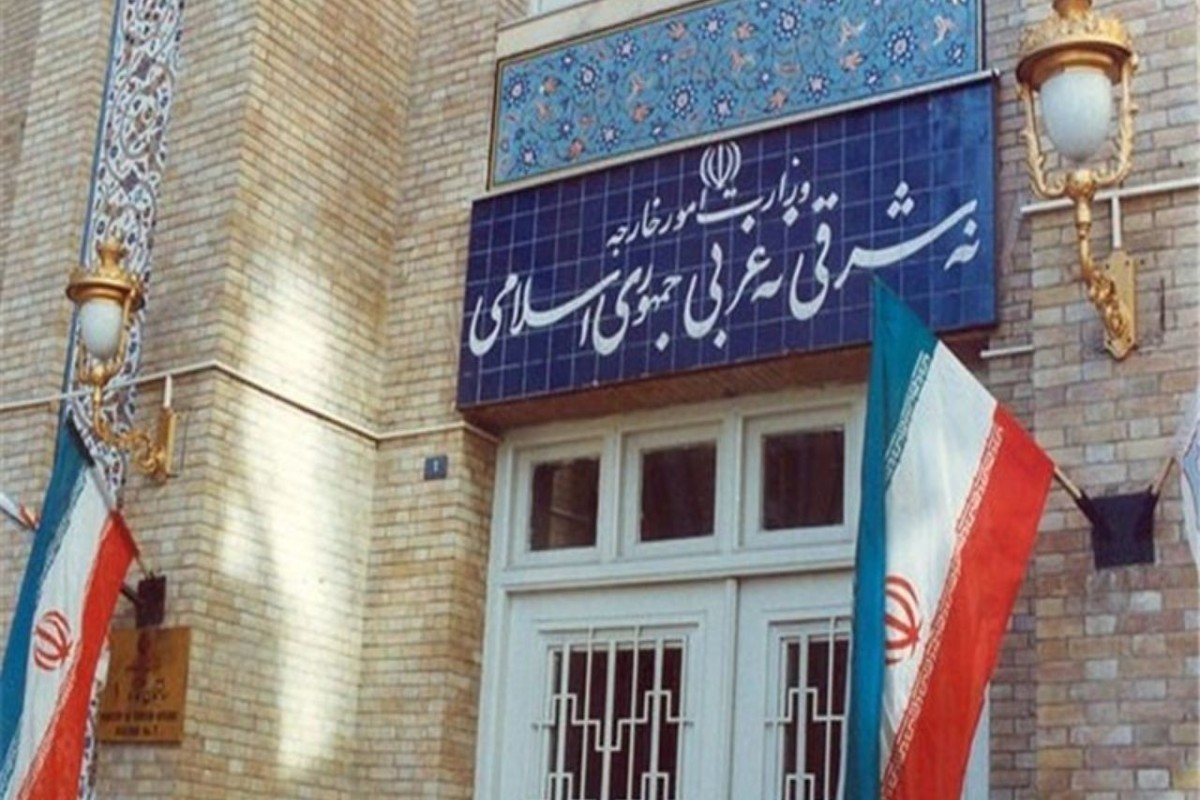
Iran's Foreign Ministry reacts to U.S. airstrikes
11:31
27 June 2026
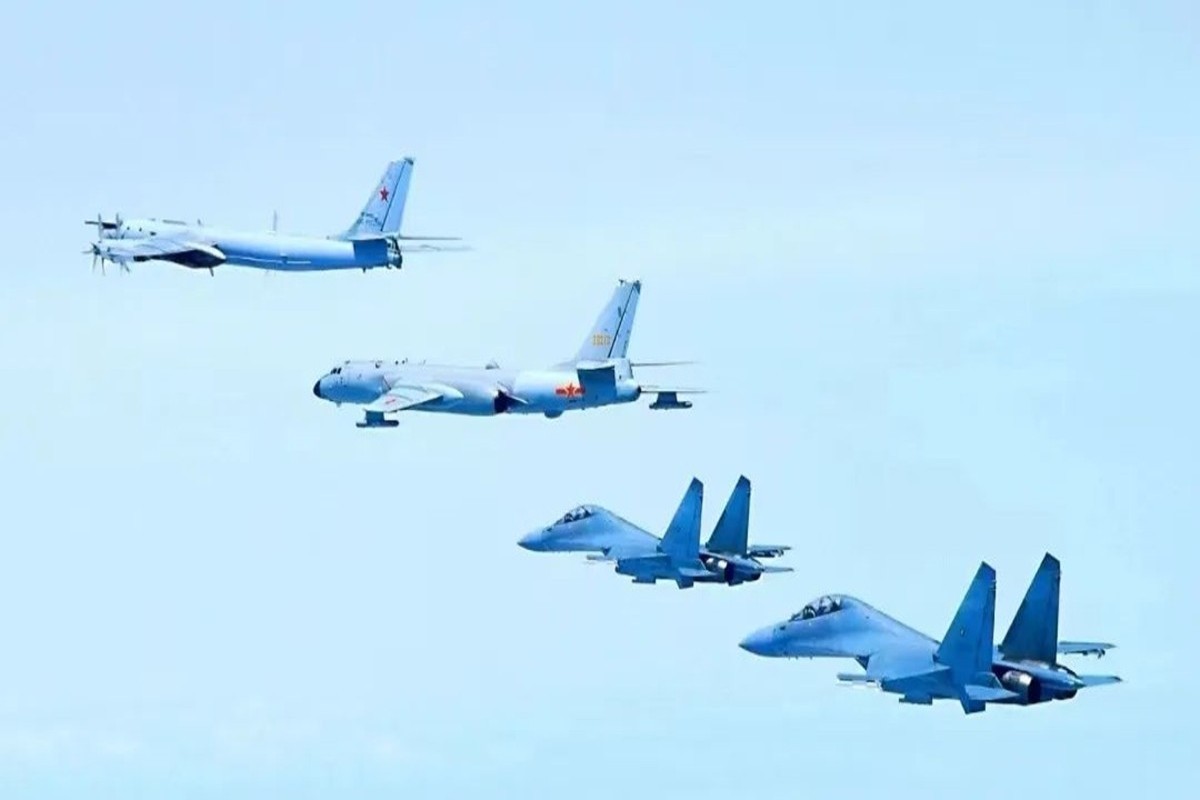
Seoul says Chinese, Russian military aircraft enter its air defense zone
10:51
27 June 2026

NEWS FEED
Baku–Nakhchivan flights cancelled due to thunderstorms
14:16
27 June 2026
One killed, 11 injured in Ukraine's attack on Volgograd
13:58
27 June 2026
Bahrain says Iranian drones targeted its territory early Saturday
13:55
27 June 2026
Zelenskyy confirms strike on military plant in Volgograd-VIDEO-UPDATED
13:42
27 June 2026
Kremlin: Putin and Lukashenko continue talks
13:38
27 June 2026
Small aircraft crash in Beijing kills one person, injures 13, local govt says
13:30
27 June 2026
Iran's Foreign Ministry reacts to U.S. airstrikes
11:31
27 June 2026
Leyla Aliyeva and Arzu Aliyeva visit "CandyFest" summer festival and watch "Magic Pearl" water circus show-PHOTO
11:24
27 June 2026
Leyla Aliyeva and Arzu Aliyeva participate in seasonal flower planting campaign on Baku Boulevard-PHOTO
11:21
27 June 2026
Leyla Aliyeva and Arzu Aliyeva attend opening and presentation ceremonies at the Seaside National Park-PHOTO
11:14
27 June 2026
Baltic states urge EU to speed up ban on Russian oil imports
11:07
27 June 2026
Seoul says Chinese, Russian military aircraft enter its air defense zone
10:51
27 June 2026
Gold and silver rise in commodity markets
10:24
27 June 2026
Natural gas falls on New York exchange
10:22
27 June 2026
Azerbaijani oil trades at $74
10:20
27 June 2026
Two police officers killed in armed attack on police checkpoint in Iran
10:15
27 June 2026
Brent oil falls by more than 4%
09:35
27 June 2026
Major global stock market indices
09:29
27 June 2026
State Department: Lebanon agreement envisages withdrawal of Israeli forces
09:24
27 June 2026
Saudi Arabia resumes oil loading in the Persian Gulf
09:20
27 June 2026
Vance: US ready to discuss memorandum disagreements with Iran
02:39
Audio
27 June 2026
IRGC says it struck US military positions in response to US airstrike on Iran
01:43
27 June 2026
France wins Group I after beating Norway 4-1
01:13
27 June 2026
US strikes Iranian targets in response to attack on cargo ship
00:47
Audio
27 June 2026
Netanyahu says Israeli army will remain in southern Lebanon ‘security zone’ until Hezbollah disarmed
23:49
26 June 2026
UK guarantees $1 billion World Bank loan to Ukraine
23:20
26 June 2026
Israel, Lebanon sign framework peace deal after US-mediated talks
22:36
Audio
26 June 2026
Venezuela quake death toll rises to 92
22:29
26 June 2026
Trump accuses Iran of violating ceasefire with US
20:24
Audio
26 June 2026
Scuffle breaks out during Georgian parliament session, proceedings suspended - PHOTO
20:00
26 June 2026
Turkish ships stranded in Strait of Hormuz safely leave the region
19:56
26 June 2026
Turkish actor Kadir İnanır dies at 77
19:33
26 June 2026
Putin meets with Belarusian President Lukashenko
19:22
26 June 2026
Putin bans deportation of foreigners serving under contract in Russian army
19:19
26 June 2026
Seven Hezbollah fighters killed in Lebanon
19:12
26 June 2026
Explosion followed by fire hits factory in Türkiye
19:10
26 June 2026
Death toll hits 55 in France as drownings rise amid Europe heatwave
19:07
26 June 2026
Baghaei: Joint statement by US and GCC is a distortion of truth
18:40
26 June 2026
Rosatom says plans Bushehr staff return
18:15
26 June 2026
Small aircraft crashes into Beijing’s tallest skyscraper - VIDEO
17:56
26 June 2026
If Iran attacks Israel, it will ‘commit its biggest mistake’: Katz
17:35
26 June 2026
Belarusian President Lukashenko departs for working visit to Russia
17:28
26 June 2026
Russia advises its citizens against traveling to Moldova
17:23
26 June 2026
Death toll from Venezuela earthquake rises to 589 - UPDATED - 4 - VIDEO
16:56
26 June 2026
Azerbaijan and Italian foreign ministers hold phone conversation
16:54
26 June 2026
Senior military ranks presented to servicemen of the Azerbaijan Ministry of Defense - PHOTO
16:23
26 June 2026
CIS Secretary General: Armenia is not considering leaving the CIS
16:16
26 June 2026
Former Russian Defense Minister Sergei Ivanov dies at 73
16:08
26 June 2026
European Commission President Ursula von der Leyen to visit Azerbaijan next week
16:03
26 June 2026
Leadership of the Ministry of Defense visits Alley of Honor, Victory Park, and Military Memorial Cemetery - PHOTO
16:00
26 June 2026


