













Baku – APA. Tunisia’s prime minister appointed opposition figures to a new unity government on Monday in the hope of restoring stability after violent street protests brought down the president last Friday, APA reports quoting “Reutersâ€.
Prime Minister Mohamed Ghannouchi also said the government was committed to releasing all political prisoners and would investigate anyone with great wealth or suspected of corruption.
Before his announcement, 1,000 people demonstrated in the capital Tunis, some saying they would not accept members of the ousted president’s ruling party in the new coalition because they would block needed reforms.
Ghannouchi is himself a member of the RCD, previously led by ousted President Zine al-Abidine Ben Ali, and the party retains a significant presence in the new government.
Security forces used water cannon and tear gas and fired shots in the air to disperse the protest.
The prime minister said opposition leaders would have cabinet posts, but the ministers of defense, interior, finance and foreign affairs would keep their jobs in the new government.
He named Najib Chebbi, founder of the Progressive Democratic Party (PDP) which opposed Ben Ali, as minister of regional development. Ettajdid party leader Ahmed Ibrahim will be higher education minister and Mustafa Ben Jaafar, head of the Union of Freedom and Labour, health minister.
"We are committed to intensifying our efforts to re-establish calm and peace in the hearts of all Tunisians. Our priority is security, as well as political and economic reform," Ghannouchi told a news conference.
In the capital, ordinary Tunisians were skeptical.
"We do not trust this government because there are the same faces, like Ghannouchi, Morjane and particularly Friaa," said passerby Mohamed Mishrgi. "It’s as if Ben Ali’s system is still there. It’s for that reason that the demonstrations are continuing in Tunis. We want a new state with new people." Another passerby, Hosni Saidani, added: "It is difficult to trust these people because they participated in Ben Ali’s system but they did not have the courage to say to him ’stop.’ So how can they make a change toward democracy?" "These people participated in the system of Ben Ali. It’s true, the people do not want them in the new government but we cannot have a complete change, we need to go toward democracy step by step," said city resident Mohamed Bouzayin.
A British minister also called for more thorough political reforms and greater political freedom in Tunisia.
The profound change in Tunisia in the past few days "is not yet the political reform that many people in that country hope for," Foreign Office minister David Lidington told parliament.
Britain wanted "an orderly move toward free and fair elections and an expansion of political freedom in Tunisia," he said during a debate.
GOVERNMENT OF NATIONAL UNITY
Tunisia’s speaker of parliament Fouad Mebazza, sworn in as interim president, had asked Ghannouchi to form a government of national unity, and constitutional authorities said a presidential election should be held within 60 days.
Moncef Marzouki, a professor of medicine who leads the CPR Tunisian opposition party in exile in France, told Reuters separately he would be a candidate in a presidential election.
Ben Ali fled to Saudi Arabia on Friday after weeks of violent street unrest, his sudden departure sending shockwaves through the Arab world, where autocratic leaders preside over similarly repressive governments.
At least 100 people died in the revolt against unemployment, corruption, poverty and repression that led to his overthrow.
A senior central bank official, Habib Maalej, denied reports that the ex-president’s family had taken 1.5 tonnes of gold worth $66 million out of the country.
"I was very surprised to read this information and I affirm and confirm that the gold reserves in Tunisia are very well preserved and not one ounce was brought out," Maalej said in a telephone interview with the African Manager website.
Tanks and soldiers were stationed on the streets of Tunis on Monday after clashes overnight between special forces and Ben Ali’s security men, and the U.S. embassy said it would evacuate family members of its staff to Rabat on Tuesday.
The event that set off Tunisia’s unrest -- a man set himself on fire after police seized his vegetable cart -- seemed to have prompting copycat burnings. Four men were reported to have set fire to themselves in Algeria, one each in Egypt and Mauritania.
The crisis also raised fears for the economies of neighboring countries. Egyptian stocks and the pound fell on investor fears Tunisia’s turmoil could spread.


 Follow us on Telegram
 t.me/apanewsaz
 Follow us on Instagram
 Follow us on TikTok
 Follow us on Facebook
 Follow us on X
Africa
Two killed, five injured in shooting in S. Africa
 16:09
16:09
 14 October 2026
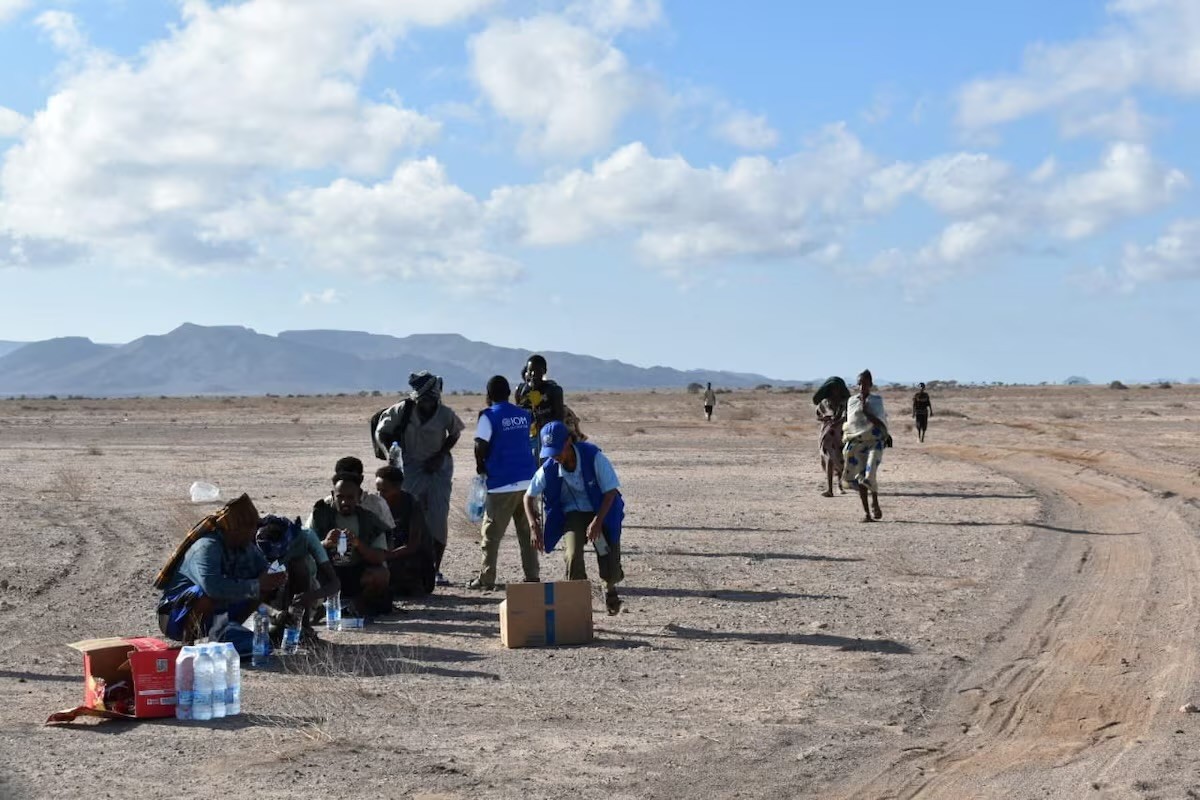
At least 139 migrants dead, including some children, after boat from Djibouti to Yemen capsizes, UN agency says
21:17
11 October 2026
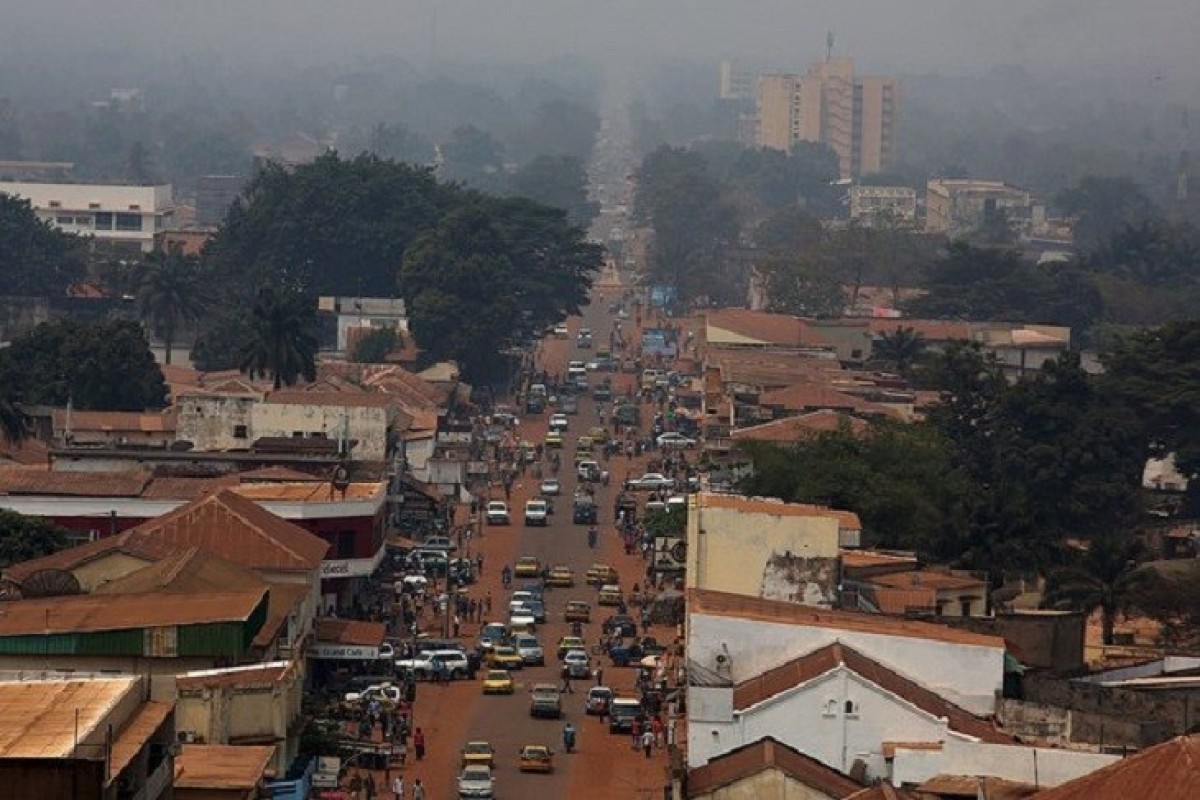
Central African Republic foils planned large-scale militant attack
07:04
11 October 2026
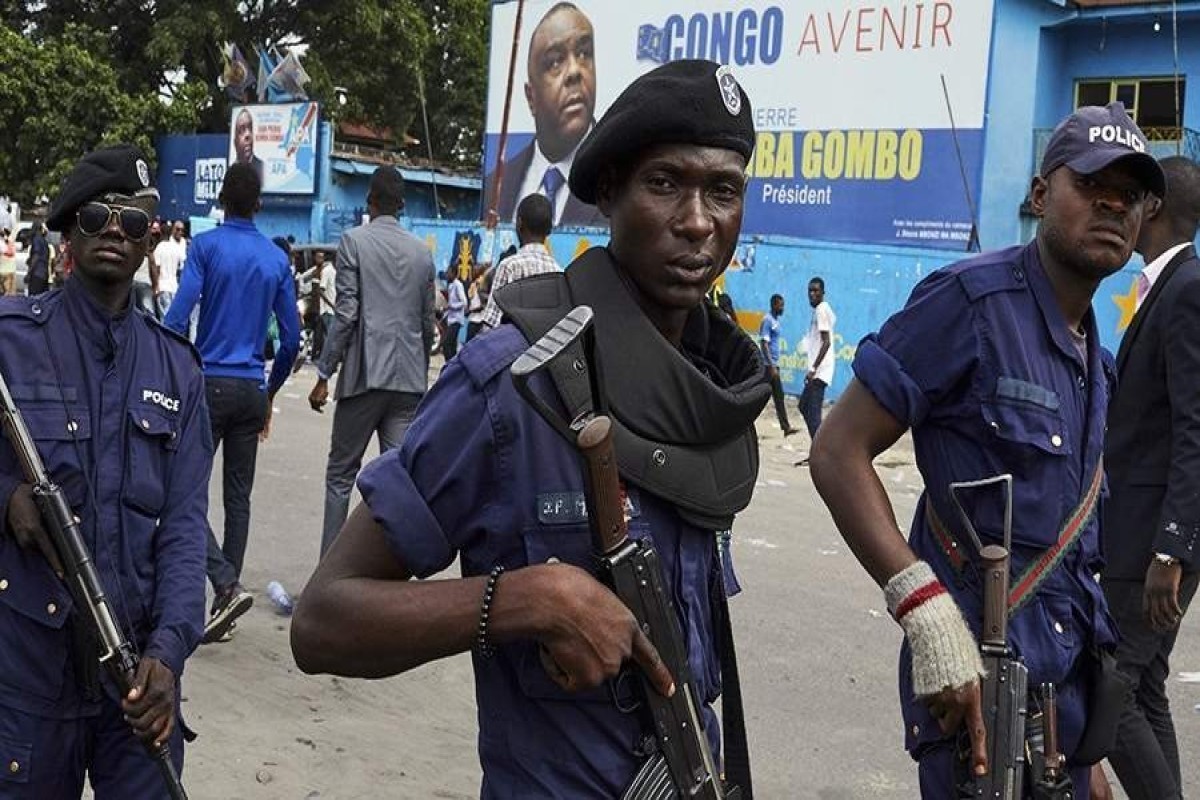
Rebel attack kills 11 civilians in DR Congo
05:16
11 October 2026

NEWS FEED
Kobakhidze visits Armenia
17:17
15 October 2026
Georgian opposition announces protest rallies
17:05
15 October 2026
Pashinyan establishes working group to resolve railway issues with Russia
17:02
15 October 2026
Pope Leo recovering as planned after lung cancer surgery, doctors say
16:58
15 October 2026
Papuashvili: EU takes disruptive stance in relations with Georgia
16:40
15 October 2026
Baku hosted 7th CICA Summit, President Ilham Aliyev addressed the event - UPDATED - 4
16:34
15 October 2026
Azerbaijan to chair CICA in 2026–2028
16:27
15 October 2026
UN considers CICA's role more important now than ever
16:26
15 October 2026
Meeting held with delegation of international and foreign national Paralympic committees
16:23
15 October 2026
President Ilham Aliyev received Türkiye’s Minister of Foreign Affairs
16:16
15 October 2026
President Ilham Aliyev met with Amir of the State of Qatar
16:14
15 October 2026
7th CICA Summit concludes
16:12
15 October 2026
CICA Secretary General replaced
16:11
15 October 2026
Lavrov considers it appropriate to hold next "3+3" meeting in Azerbaijan
16:08
15 October 2026
Baku Declaration adopted following 7th CICA Summit
16:05
15 October 2026
Large amount of drugs prevented from being smuggled from Iran into Azerbaijan - PHOTO
16:02
15 October 2026
Signed documents exchanged between Azerbaijan and Kazakhstan
16:00
15 October 2026
Lavrov: Russia ready to participate in TRIPP, but has not yet received invitation
15:50
15 October 2026
Lavrov: Zelenskyy is challenging Trump, not interested in elections
15:47
15 October 2026
Presidents of Azerbaijan and Kazakhstan met in Baku and inaugurated Trans-Caspian Fiber-Optic Cable Line
15:44
15 October 2026
9th Congress of Azerbaijani Journalists to be held tomorrow, candidates for Press Council Board announced
15:43
15 October 2026
Gharibabadi: Current difficulties in Strait of Hormuz caused by military aggression and naval blockade against Iran
15:42
15 October 2026
ING: $10 rise in oil prices could increase Azerbaijan’s exports by 2–4% of GDP
15:39
15 October 2026
UAE Minister: Priorities set during Azerbaijan’s CICA chairmanship align with UAE’s vision
15:33
15 October 2026
Palestinian issue raised at CICA Summit
15:31
15 October 2026
Indian FM: Changing geopolitical landscape necessitates more active participation of Global South countries
15:15
15 October 2026
Azerbaijan takes over chairmanship of CIS Advisory Council on Labor, Employment and Social Protection
15:14
15 October 2026
Death toll from Istanbul floods reaches 3, four people missing
15:12
15 October 2026
Azerbaijani Special Forces conduct training sessions for reservists
15:07
15 October 2026
Home of Novaya Gazeta editor-in-chief searched
15:04
15 October 2026
Lavrov: Russia has always supported CICA's development through practical cooperation
14:58
15 October 2026
Foreign ministers of Azerbaijan, Uzbekistan and Turkmenistan hold trilateral meeting
14:55
15 October 2026
Turkish and Russian FMs meet in Baku
14:53
15 October 2026
Türkiye committed to strengthening CICA as Asia's most comprehensive security platform - Turkish FM
14:51
15 October 2026
Bahrain calls for ensuring safety of maritime and air navigation
14:44
15 October 2026
Pashinyan: Armenia has never had strained relations with Russia
14:40
15 October 2026
Pezeshkian to visit Armenia for biodiversity summit
14:40
15 October 2026
FM Hakan Fidan: We want COP31 to become an opportunity to strengthen climate justice
14:38
15 October 2026
Turkish FM: We support CICA's transformation into a full-fledged international organization
14:33
15 October 2026
Peskov: Moscow unaware of US proposals to Europe on unfreezing Russian assets
14:31
15 October 2026
Azerbaijani Parliament Speaker meets with Chairman of House of Representatives of Belarusian National Assembly
14:29
15 October 2026
Kremlin: Russian diesel has begun entering global markets
14:22
15 October 2026
FM: China highly appreciates Azerbaijan's efforts to strengthen CICA
14:18
15 October 2026
Chairman: Azerbaijan is effectively chairing CICA
14:14
15 October 2026
Kremlin: Ukraine's strikes on Russian oil refineries contradict US peace initiatives
14:06
15 October 2026
Belarusian representative: We are united by commitment to international law and UN Charter
13:59
15 October 2026
Cambodia strongly supports transformation of CICA into full-fledged international organization
13:56
15 October 2026
Vietnam highly appreciates Azerbaijan’s CICA chairmanship
13:53
15 October 2026
Russia may begin diesel supplies to US within 2-3 weeks
13:46
15 October 2026
President: It was an analogue of the Nuremberg Tribunal, only this time Armenian fascists sat in the dock
13:45
15 October 2026


