












Baku – APA. The south calls it "The Final Walk to Freedom", APA reports quoting “Associated Pressâ€.
For southern men who fought in decades of war. For villagers who suffered aerial bombardments. For young boys orphaned by conflict who ended up in U.S. communities as the Lost Boys of Sudan.
The "walk" is a weeklong independence referendum that starts Sunday for the southern third of Africa’s biggest country, potentially drawing a border between the mostly Arab and Muslim north and the south, populated mostly by blacks who are Christian or animist.
For southern Sudanese like Atem Yak, who survived war, lived amid dire poverty and endured discrimination, it has been a long time coming.
Yak was 5 when Sudan gained independence from Britain in 1956. Yak, now 60, remembers when two dozen chiefs died in attacks in his home village of Kongor in the 1960s. In Sudan’s capital, Khartoum, Yak’s deep black African skin incited mistreatment.
"I never saw the flag of Sudan as something I owed allegiance to," he said. "The national anthem never represented my will. So I will not shed tears when Sudan breaks into two, provided that this is done peacefully. I will be happy."
Southerners in Juba were not just happy — they were ecstatic on Friday as they anticipated the vote. Wearing feathers and grasping ceremonial carved sticks, they danced on dirt streets in a growing city that will be the south’s future capital if the referendum passes. They pounded on drums and sang chants for independence.
Southern Sudanese will cast simple, illustrated ballots at polling stations under thatched roof shelters in the remote and impoverished countryside and near newly paved roads in Juba, a city with simple concrete houses and mud huts that got its first paved roads only in recent years.
Yak is educated and wealthy enough to own a car, a rarity in a region where half the people rely on food aid and only 15 percent can read and where children die for want of basic medicines. Yak sees the referendum as an opportunity for the African residents of Sudan, who are often denied basic resources in favor of northern Arabs.
A sharp economic divide lies between north and south, with infrastructure development and government programs heavily weighted to the north. Only 2 percent of southerners complete primary school while 21 percent in the north do. The south, which is the size of France, has only 30 miles (50 kilometers) of paved roads. The north has 2,200 miles (3,600 kilometers).
The top U.S. official in Southern Sudan, Barrie Walkley, noted Friday that the lack of paved roads made getting polling materials to the sites "remarkably difficult" and that helicopters and motorcycles were used. People also carried the material over long stretches in the many areas where no roads exist.
The U.S. has made the Sudan vote a foreign policy priority and has offered to remove Sudan from the list of state sponsors of terror if Khartoum doesn’t hinder the vote.
The 1983-2005 civil war killed an estimated 2 million people and left many people missing one or more limbs. The presence of these victims throughout the south is a testament to the horrors of the conflict.
Dolly Odwong, 45, remembers Antonov airplanes bombing the southern capital, which mostly held women and children because the men were out fighting.
"The coming generation will not feel the way we felt. We don’t want them running the way we were running and hiding, because when the war started everybody had to run and hide," Odwong said. "Life was very difficult, and people were saying ’God, why us?’ That was the question. So now we are thinking that God has heard our prayers. And he is saying ’You people are going to be free.’"
Choosing secession, the south’s ruling party tells voters in a pamphlet, will "fulfill the dreams and aspirations of your forefathers, heroes, heroines and martyrs who died in the struggle for freedom."
For the referendum to pass, creating the world’s newest country, a simple majority must vote for independence and at least 60 percent of the 3.9 million registered voters must cast ballots.
"Like all other observers I think the referendum will likely produce an overwhelming vote for secession," said Zach Vertin, a Southern Sudan analyst for the International Crisis Group.
If the referendum passes, much work remains. The north and south must reach agreements on the distribution of oil revenues, rights to the White Nile, official borders and citizenship rights. Aid groups fear that southerners living in the north, and northerners living in the south, will face harassment and abuse.
"At this point it appears the referendum itself might come off relatively peacefully," said Mike Abramowitz, who leads the U.S. Holocaust Memorial Museum’s genocide prevention efforts. "But this is just a first step. This remains a fragile and volatile situation, and the danger will come in the months ahead as the world turns its attention to other matters."
For his part, Yak agrees that "The Final Walk to Freedom" will open a new path in which the quality of life for southerners can be improved as they take command of their own future.
"When you are free ... it should be a means to promote the welfare of others," said Yak. "To me, independence is not an end, it’s a means. The struggle will start the day independence is declared."


 Follow us on Telegram
 t.me/apanewsaz
 Follow us on Instagram
 Follow us on TikTok
 Follow us on Facebook
 Follow us on X
Africa
Two killed, five injured in shooting in S. Africa
 16:09
16:09
 14 October 2026
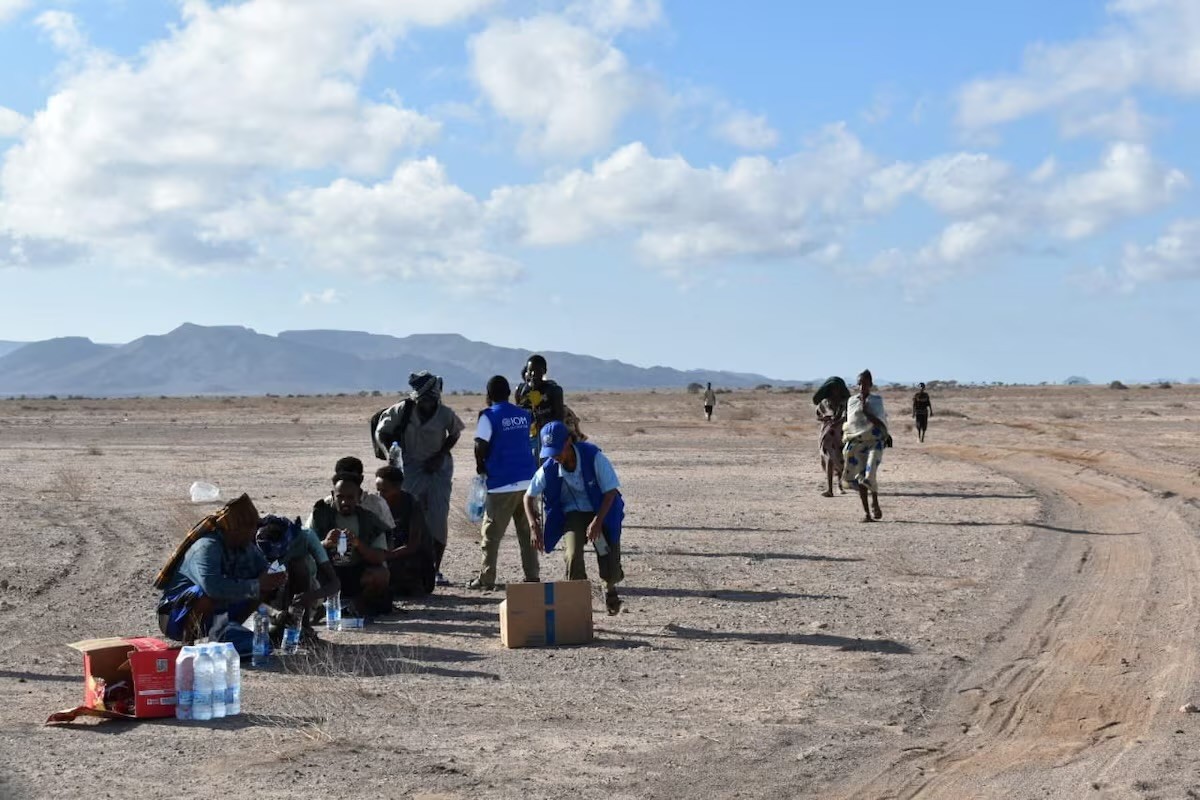
At least 139 migrants dead, including some children, after boat from Djibouti to Yemen capsizes, UN agency says
21:17
11 October 2026
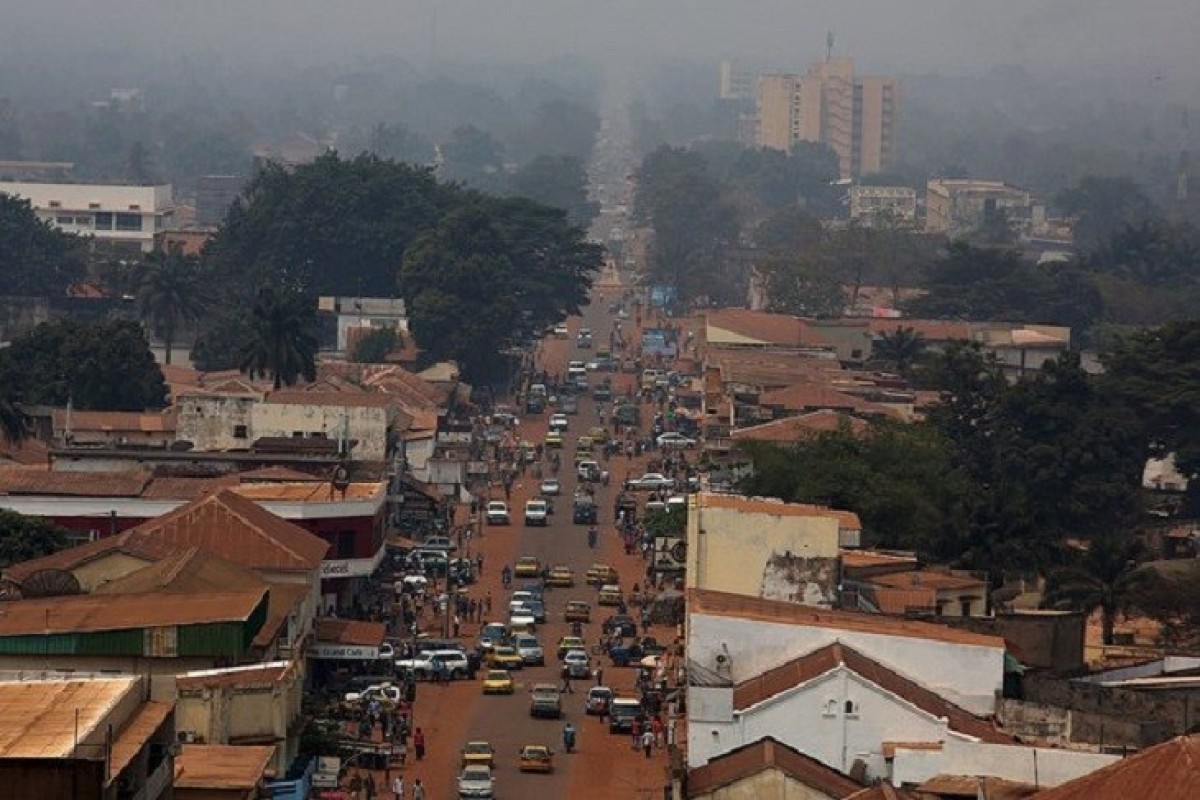
Central African Republic foils planned large-scale militant attack
07:04
11 October 2026
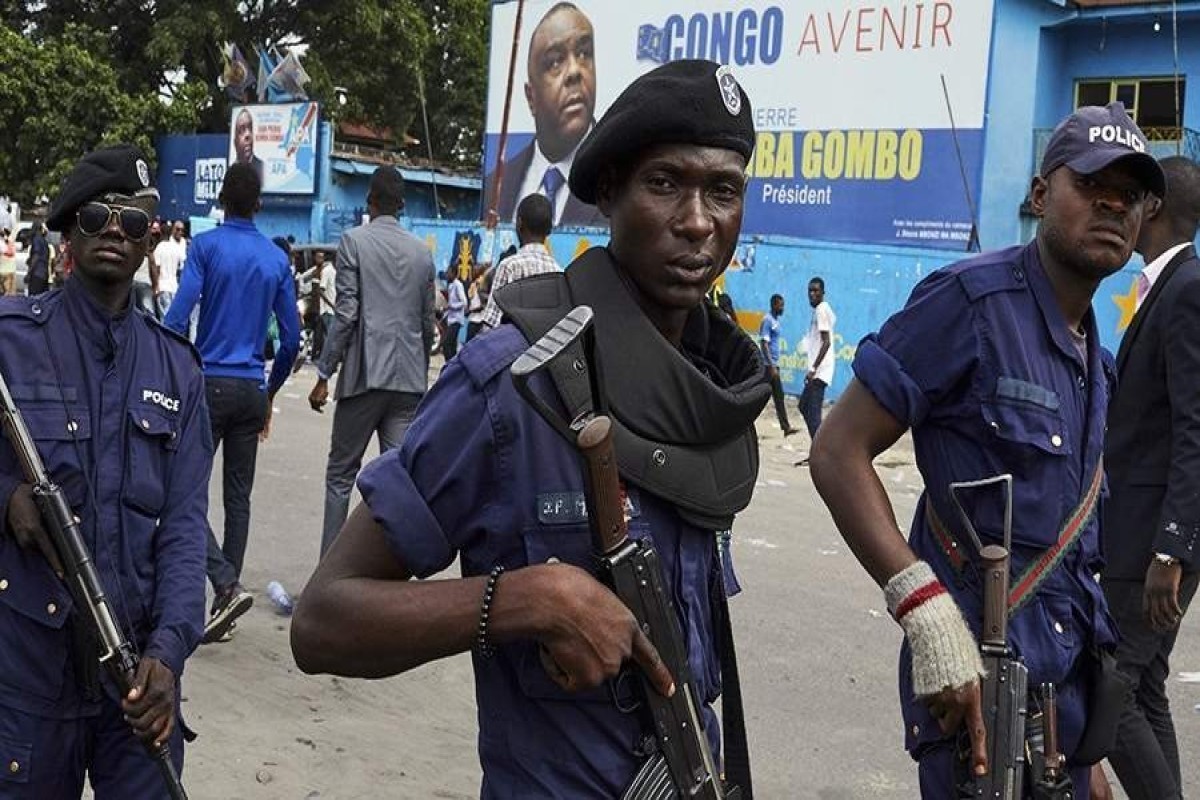
Rebel attack kills 11 civilians in DR Congo
05:16
11 October 2026

NEWS FEED
UN considers CICA's role more important now than ever
16:26
15 October 2026
Meeting held with delegation of international and foreign national Paralympic committees
16:23
15 October 2026
President Ilham Aliyev receives Turkish FM
16:16
15 October 2026
President Ilham Aliyev met with Amir of the State of Qatar
16:14
15 October 2026
7th CICA Summit concludes
16:12
15 October 2026
CICA Secretary General replaced
16:11
15 October 2026
Lavrov considers it appropriate to hold next "3+3" meeting in Azerbaijan
16:08
15 October 2026
Baku Declaration adopted following 7th CICA Summit
16:05
15 October 2026
Large amount of drugs prevented from being smuggled from Iran into Azerbaijan - PHOTO
16:02
15 October 2026
Signed documents exchanged between Azerbaijan and Kazakhstan
16:00
15 October 2026
Lavrov: Russia ready to participate in TRIPP, but has not yet received invitation
15:50
15 October 2026
Lavrov: Zelenskyy is challenging Trump, not interested in elections
15:47
15 October 2026
Presidents of Azerbaijan and Kazakhstan meet in Baku, inaugurate Trans-Caspian Fiber-Optic Cable Line
15:44
15 October 2026
9th Congress of Azerbaijani Journalists to be held tomorrow, candidates for Press Council Board announced
15:43
15 October 2026
Gharibabadi: Current difficulties in Strait of Hormuz caused by military aggression and naval blockade against Iran
15:42
15 October 2026
ING: $10 rise in oil prices could increase Azerbaijan’s exports by 2–4% of GDP
15:39
15 October 2026
UAE Minister: Priorities set during Azerbaijan’s CICA chairmanship align with UAE’s vision
15:33
15 October 2026
Palestinian issue raised at CICA Summit
15:31
15 October 2026
Baku hosts 7th CICA Summit, President Ilham Aliyev addressed the event - UPDATED - 3
15:26
15 October 2026
Indian FM: Changing geopolitical landscape necessitates more active participation of Global South countries
15:15
15 October 2026
Azerbaijan takes over chairmanship of CIS Advisory Council on Labor, Employment and Social Protection
15:14
15 October 2026
Death toll from Istanbul floods reaches 3, four people missing
15:12
15 October 2026
Azerbaijani Special Forces conduct training sessions for reservists
15:07
15 October 2026
Home of Novaya Gazeta editor-in-chief searched
15:04
15 October 2026
Lavrov: Russia has always supported CICA's development through practical cooperation
14:58
15 October 2026
Foreign ministers of Azerbaijan, Uzbekistan and Turkmenistan hold trilateral meeting
14:55
15 October 2026
Turkish and Russian FMs meet in Baku
14:53
15 October 2026
Türkiye committed to strengthening CICA as Asia's most comprehensive security platform - Turkish FM
14:51
15 October 2026
Bahrain calls for ensuring safety of maritime and air navigation
14:44
15 October 2026
Pashinyan: Armenia has never had strained relations with Russia
14:40
15 October 2026
Pezeshkian to visit Armenia for biodiversity summit
14:40
15 October 2026
FM Hakan Fidan: We want COP31 to become an opportunity to strengthen climate justice
14:38
15 October 2026
Turkish FM: We support CICA's transformation into a full-fledged international organization
14:33
15 October 2026
Peskov: Moscow unaware of US proposals to Europe on unfreezing Russian assets
14:31
15 October 2026
Azerbaijani Parliament Speaker meets with Chairman of House of Representatives of Belarusian National Assembly
14:29
15 October 2026
Kremlin: Russian diesel has begun entering global markets
14:22
15 October 2026
FM: China highly appreciates Azerbaijan's efforts to strengthen CICA
14:18
15 October 2026
Chairman: Azerbaijan is effectively chairing CICA
14:14
15 October 2026
Kremlin: Ukraine's strikes on Russian oil refineries contradict US peace initiatives
14:06
15 October 2026
Belarusian representative: We are united by commitment to international law and UN Charter
13:59
15 October 2026
Cambodia strongly supports transformation of CICA into full-fledged international organization
13:56
15 October 2026
Vietnam highly appreciates Azerbaijan’s CICA chairmanship
13:53
15 October 2026
Russia may begin diesel supplies to US within 2-3 weeks
13:46
15 October 2026
President: It was an analogue of the Nuremberg Tribunal, only this time Armenian fascists sat in the dock
13:45
15 October 2026
President: Laos’s accession to CICA demonstrates commitment to promoting peace and cooperation
13:42
15 October 2026
Serdar Berdimuhamedov: Turkmenistan gives special support to Azerbaijan’s CICA chairmanship
13:35
15 October 2026
President: Peace remains fragile and must be protected and strengthened
13:34
15 October 2026
Israeli President calls Rubio’s expected visit to Central Asia very important
13:29
15 October 2026
Isaac Herzog: Under President Ilham Aliyev’s wise leadership, Azerbaijan has become a model of stability
13:26
15 October 2026
Isaac Herzog: Israeli people also have sufficient resources to contribute to Asia
13:16
15 October 2026


