









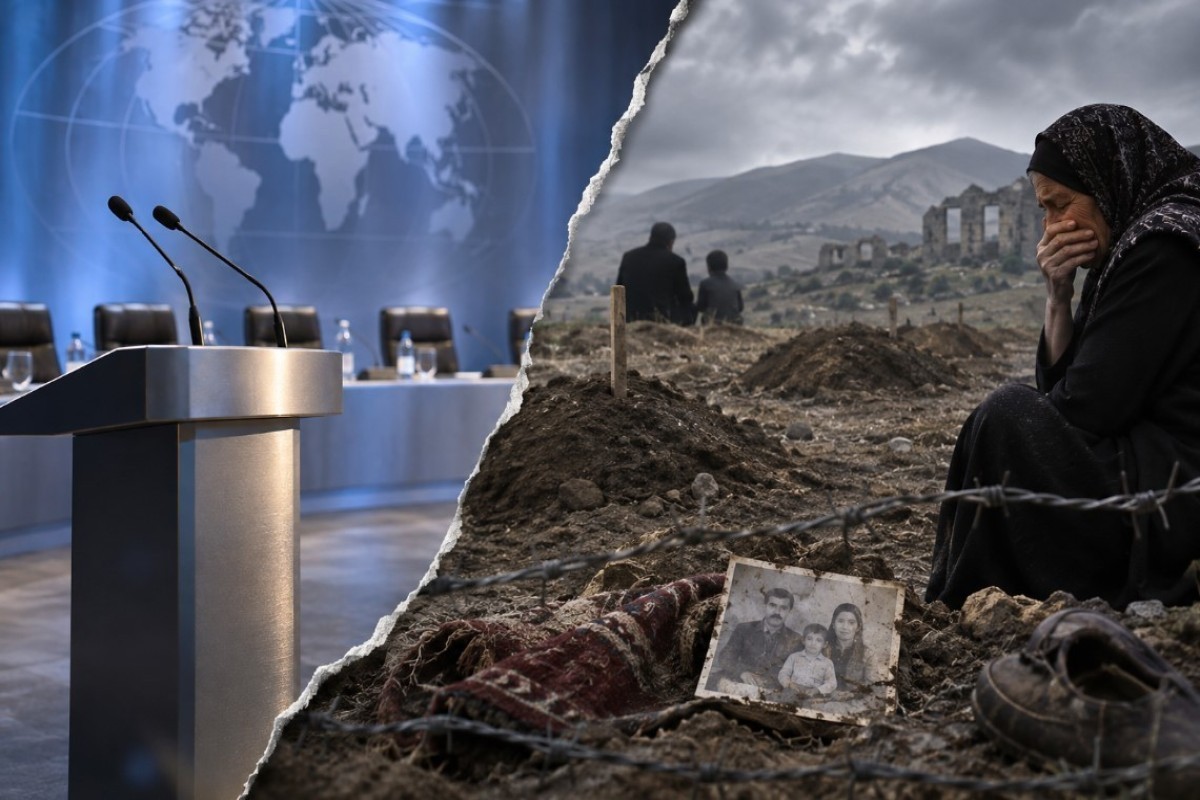


The holding of an international conference dedicated to the fate of missing persons in Armenia's capital has once again brought Yerevan's approach to humanitarian issues to the forefront. However, Armenia's calls for cooperation in this area raise serious questions against the backdrop of the fact that the fate of 4,010 Azerbaijanis remains unknown, information about possible burial sites has not been fully disclosed, and the fate of people taken prisoner during the war has not been clarified.
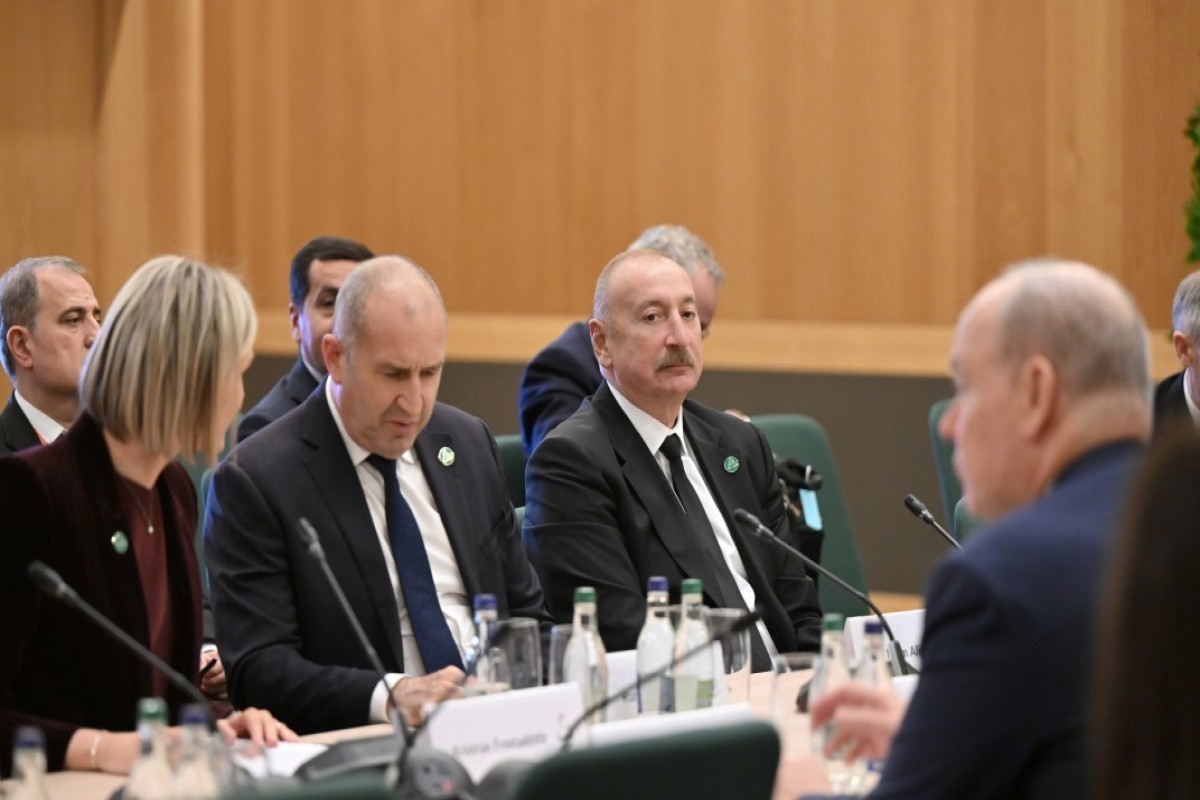
The international conference titled "The Fate of Missing Persons: Humanitarian Dialogue and Cooperation," organized in Yerevan on November 19–20, coincides with an important stage in the peace process between Azerbaijan and Armenia. Although official Yerevan seeks to present itself to the international community as a supporter of humanitarian cooperation, specific questions raised by Azerbaijan for many years remain unanswered.
In fact, to determine how sincere Armenia's position in this area is, it is sufficient to examine its practical actions rather than the statements it makes at international events. Clarifying the fate of missing persons depends not on political discussions but on providing existing archival documents, information about detention facilities, and the coordinates of possible burial sites.
According to Azerbaijan's official data, 4,010 Azerbaijani citizens have been registered as missing persons as a result of Armenia's military aggression. They include not only military personnel but also civilians, women, children, and elderly people. Despite the passage of more than three decades, thousands of families remain unaware of the fate of their loved ones.
This is not merely a statistical indicator of a past conflict but a serious humanitarian problem that continues to this day. Although Azerbaijan's territorial integrity and sovereignty have been restored, the uncertainty faced by the families of missing persons has not been resolved. The war has ended, but the tragedy continues for people who do not know whether their loved ones are alive or where and under what circumstances they died.
For this very reason, the issue of missing persons is of particular importance in the process of normalizing Azerbaijan-Armenia relations. Sustainable peace requires not only the establishment of a legal framework for interstate relations but also the elimination of the severe humanitarian consequences of the war.
What responsibilities does the Washington agreement impose on Armenia?
The agreements reached in Washington on August 8, 2025, with the participation of the US President opened a new stage in the peace process in the South Caucasus. On that day, the foreign ministers of Azerbaijan and Armenia initialed the text of the agreement on peace and the establishment of interstate relations between the two countries.
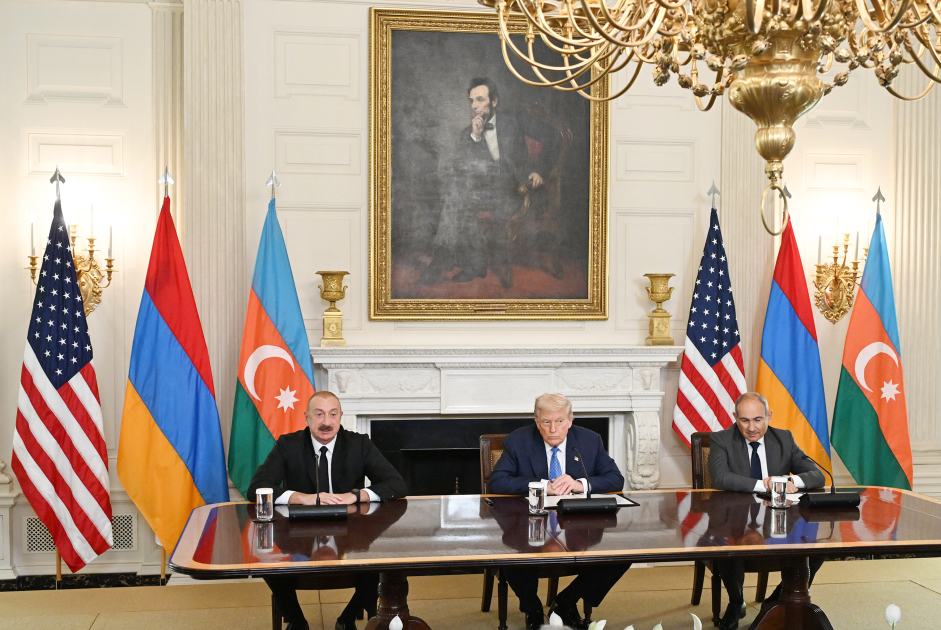
One of the important aspects of this document is the inclusion of a separate provision on determining the fate of missing persons. Article IX of the draft agreement provides for cooperation, the exchange of available information, and the resolution of relevant issues concerning persons missing or subjected to enforced disappearance as a result of the armed conflict.
This provision demonstrates that the issue of missing persons is no longer merely a subject of humanitarian appeals but also occupies an important place in the legal framework of future interstate relations. Although the initialing of the agreement does not mean its entry into force, the parties' acceptance of this issue as part of the peace agenda carries significant political importance.
Azerbaijan's position is clear: the normalization of relations with Armenia should not come at the expense of forgetting the humanitarian consequences of the war. On the contrary, resolving these problems should contribute to building mutual trust.
In this context, Armenia's main responsibility is to provide the available information and make a genuine contribution to the search for missing persons. This is because the issue is not a matter of mutual concessions but of determining people's fate and ensuring families' right to know the truth.
The establishment of direct contacts between the state commissions of Azerbaijan and Armenia on missing persons in February 2025 created an important opportunity in this direction. Based on information obtained from various sources and witness testimonies, the Azerbaijani side submitted materials concerning persons taken prisoner and hostage during the First Karabakh War to the Armenian side.
However, the actual results of these contacts remain one of the main subjects of discussion.
Why is information about burial sites not being disclosed?
One of the most serious problems in determining the fate of missing persons is the failure to fully provide information that may be in Armenia's possession.
According to the Azerbaijani side, during contacts between the relevant commissions of the two countries, Armenian representatives expressed their readiness to provide the coordinates of more than 200 possible burial sites, including mass graves. However, it is noted that this information has not yet been provided to Azerbaijan.
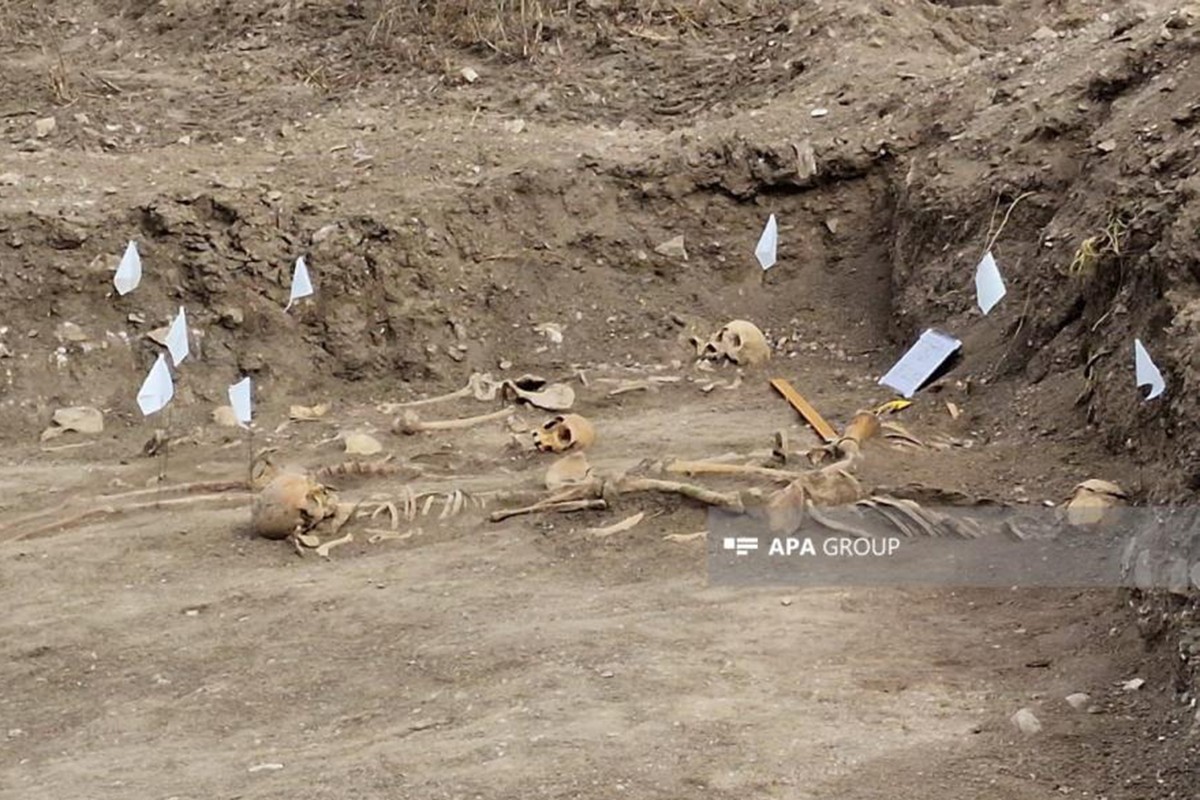
This claim is of particularly serious importance. If Armenia's relevant institutions possess such information, withholding it contradicts the very essence of humanitarian cooperation.
This raises the main question: if Armenia is interested in clarifying the fate of missing persons, what prevents it from providing Azerbaijan with information about possible burial sites?
The issue has not only a humanitarian but also a legal dimension. Identifying burial sites makes it possible not only to confirm the identities of missing persons but also to investigate the circumstances of their deaths. Forensic examinations of human remains may reveal important evidence of possible torture, inhumane treatment, and other war crimes.
In this regard, whether the concealment of information is intended to obstruct the discovery of possible crimes is also a matter that requires investigation. Although the existence of such a possibility does not in itself constitute proof of a crime, it further increases the necessity of opening the relevant archives.
Questions concerning statements indicating that representatives of Armenia's former military-political leadership, including Gagik Melkonyan and Samvel Babayan, may have knowledge of the possible burial sites of missing Azerbaijanis should not be overlooked either.
If former high-ranking military officials possess information about specific burial sites, every opportunity should be used to ensure that this information is conveyed to the relevant state institutions and the Azerbaijani side.
Investigating this matter is consistent not only with Azerbaijan's interests but also with the fundamental principles of international humanitarian law.
The mysterious fate of 54 prisoners registered internationally
One of the most serious issues Armenia must address concerns the subsequent fate of 54 Azerbaijani citizens who were previously registered by the International Committee of the Red Cross (ICRC).
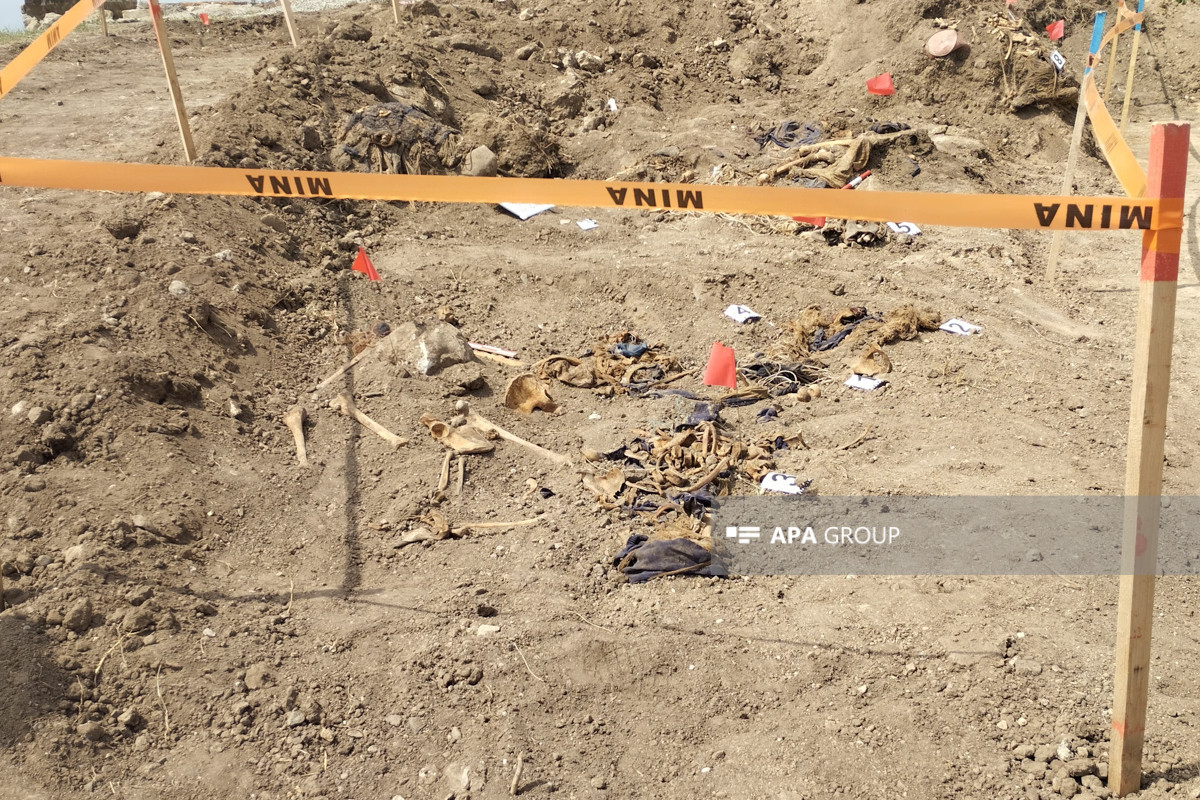
According to the State Commission of the Republic of Azerbaijan on Prisoners of War, Hostages and Missing Persons, ICRC representatives visited these individuals, who had been taken prisoner and hostage during the First Karabakh War. Subsequently, the remains of 17 of them were returned to Azerbaijan. Although another 33 were reported to have died in detention facilities, their remains were not handed over. There is no information about the subsequent fate of the remaining four individuals.
These facts raise specific questions that Armenia's relevant institutions must answer.
Where were the individuals visited by representatives of an international humanitarian organization subsequently taken? Where were those reported dead buried? What documents exist concerning their detention, transfer, and deaths?
It is precisely these questions that make it necessary to examine Armenia's military, penitentiary, and other state archives to determine the fate of missing persons.
At the same time, this issue raises questions about the effectiveness of international humanitarian mechanisms that have operated for many years.
In his address to the participants of the Fourth International Conference titled "Building Trust and Developing Effective Mechanisms to Address the Issue of Missing Persons," held in Baku on October 7, 2026, President Ilham Aliyev said that the long-standing activities of the International Committee of the Red Cross had not led to a resolution of the problem.
The main issue here is that the activities of international organizations should be evaluated not only by the projects implemented but also by concrete humanitarian results. The fact that thousands of families are still awaiting answers demonstrates the need to improve existing mechanisms.
32 mass graves and the landmine threat: Two interconnected problems
Search operations carried out in Azerbaijan's liberated territories have more clearly demonstrated the scale and complexity of the missing persons problem.
According to official information, 32 mass graves have been discovered in these territories. The results of examinations of human remains have revealed evidence indicating that some individuals were subjected to severe violence.
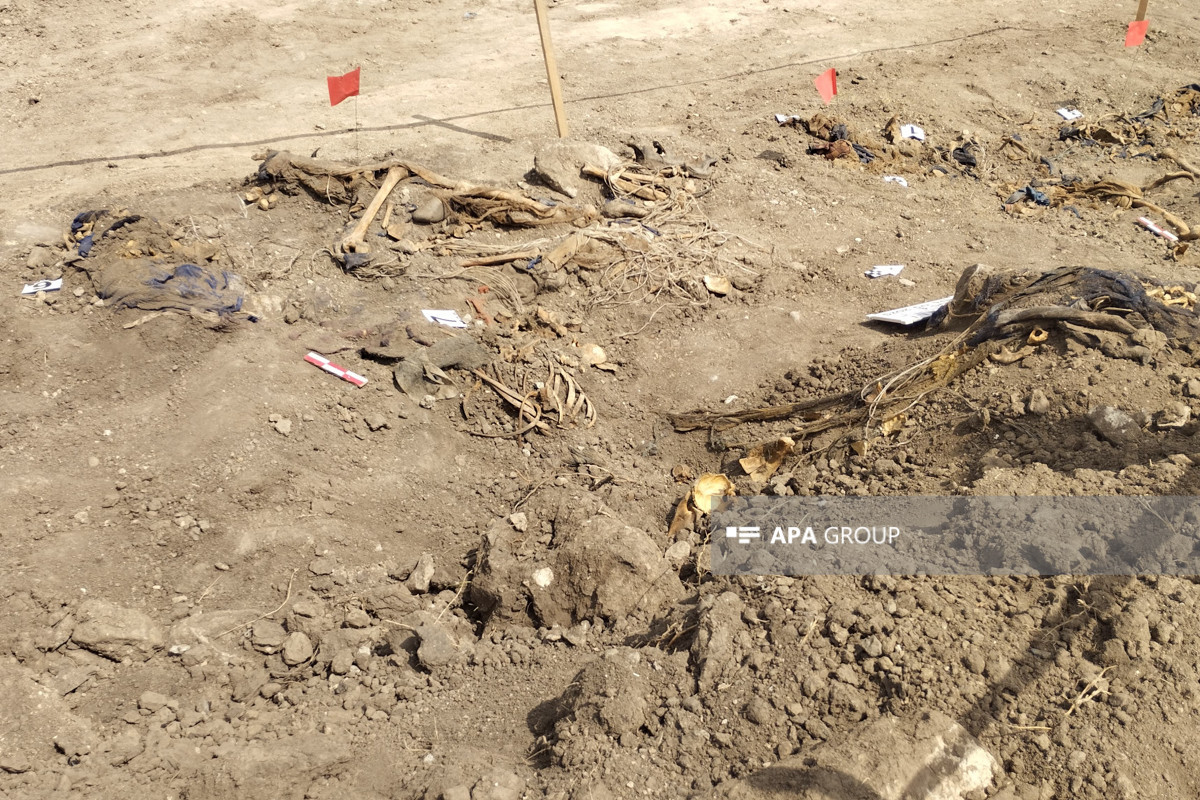
These findings are of particular importance in investigating the fate of people who went missing during the First Karabakh War.
However, one of the serious obstacles to the search process is the extensive landmine threat in the liberated territories.
In areas mined by Armenia over decades, explosive devices are found not only at former military positions but also near settlements, in agricultural fields, along roads, in forests, and in cemeteries.
This situation makes the investigation of possible burial sites both difficult and dangerous. Even when information about a specific burial site is obtained, excavation work cannot begin until the area has been cleared of mines.
According to statements by Azerbaijani officials, the mine maps previously provided by Armenia had an accuracy rate of approximately 25 percent. The failure to provide complete information about areas mined particularly after 2020 remains a serious problem.
Thus, the search for missing persons and the landmine threat cannot be considered separately.
It is necessary for Armenia to provide not only information about possible burial sites but also accurate maps of minefields in those areas. This would contribute both to protecting human lives and to locating the remains of missing persons.
Baku's international initiative and the choice facing Yerevan
Azerbaijan keeps the issue of missing persons on the agenda not only within the framework of bilateral negotiations but also at the international level.
In his address on October 7, 2026, President Ilham Aliyev called on Armenia to provide available information about missing persons, archival documents, and the coordinates of possible burial sites.
The head of state also proposed the establishment of a special international mechanism on missing persons within the framework of the United Nations.
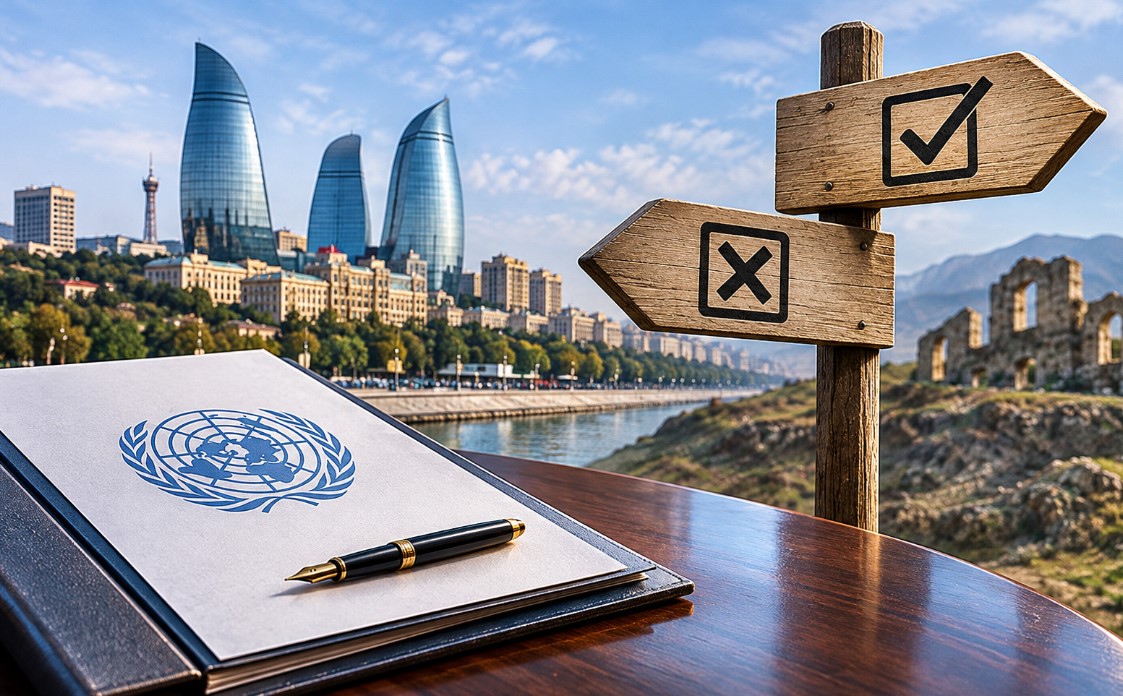
This proposal is important in terms of developing a more systematic approach to determining the fate of persons who have gone missing as a result of conflicts. Such a mechanism could create additional opportunities for interstate information exchange, the examination of archives, the identification of human remains, and the protection of families' rights.
Azerbaijan's position in this regard also reflects its demand that the humanitarian consequences of the war should not be overlooked by the international community.
In this respect, the conference held in Yerevan provides Armenia with an opportunity to substantiate its humanitarian statements through concrete actions.
If Armenia is genuinely interested in humanitarian cooperation, the most convincing indication of this would be to provide information that could clarify the fate of missing Azerbaijanis.
Otherwise, the contradiction between statements about humanitarianism and cooperation made at international events and the actual situation will deepen further.
This issue is of particular importance for the prospects of the Azerbaijan-Armenia peace process. Peace does not consist solely of political documents and diplomatic relations. Its sustainability also depends on overcoming the tragedies caused by the war, ensuring families' right to know the truth, and strengthening mutual trust.
The choice facing Armenia is, in fact, not complicated: it must either substantiate its statements about humanitarian cooperation by disclosing concrete information or continue to bear political and moral responsibility for leaving questions about the fate of missing persons unanswered.
For Azerbaijan, however, the fundamental reality remains unchanged: although the war has ended, the fact that the fate of 4,010 citizens remains unknown shows that its humanitarian consequences have yet to be resolved. One of the most important indicators of Yerevan's commitment to peace will be the concrete steps it takes to determine the fate of these people.
For the families of missing persons, peace means more than just the silencing of weapons. For them, peace also means uncovering the truth they have been awaiting for decades.



 Follow us on Telegram
 t.me/apanewsaz
 Follow us on Instagram
 Follow us on TikTok
 Follow us on Facebook
 Follow us on X


 ANALYSIS'>


