





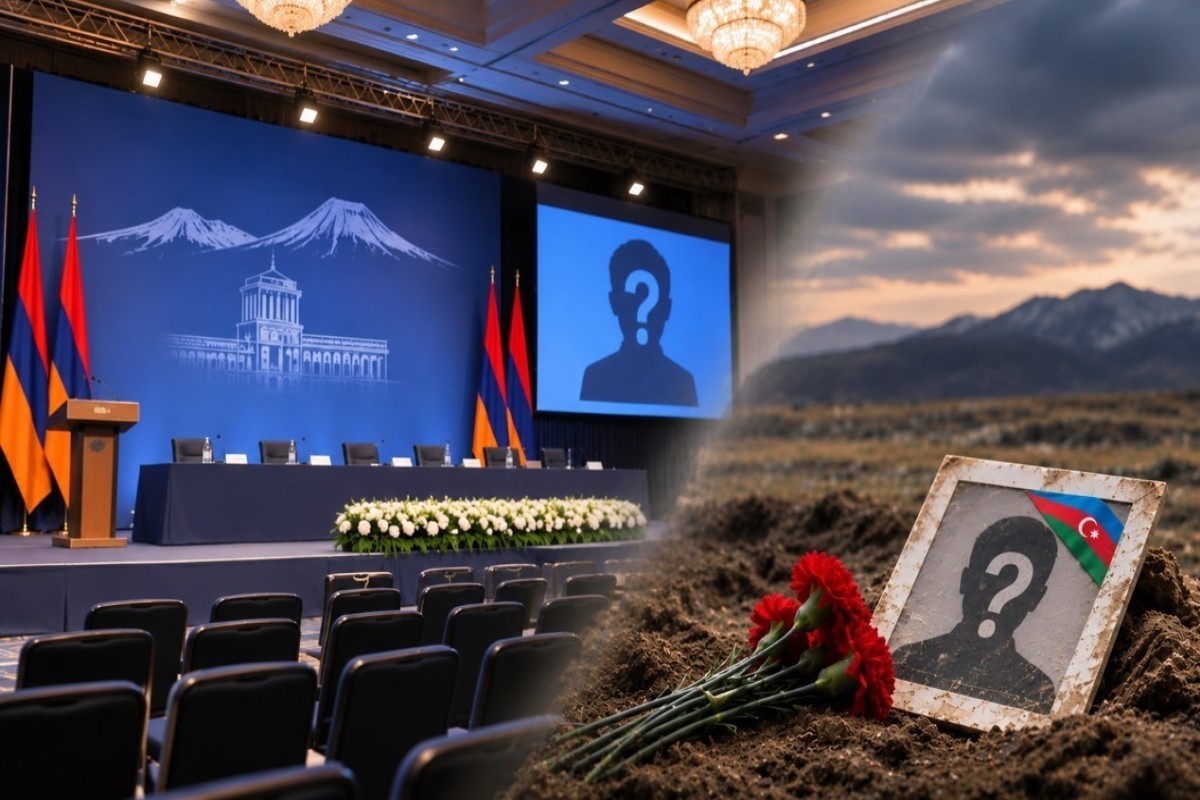


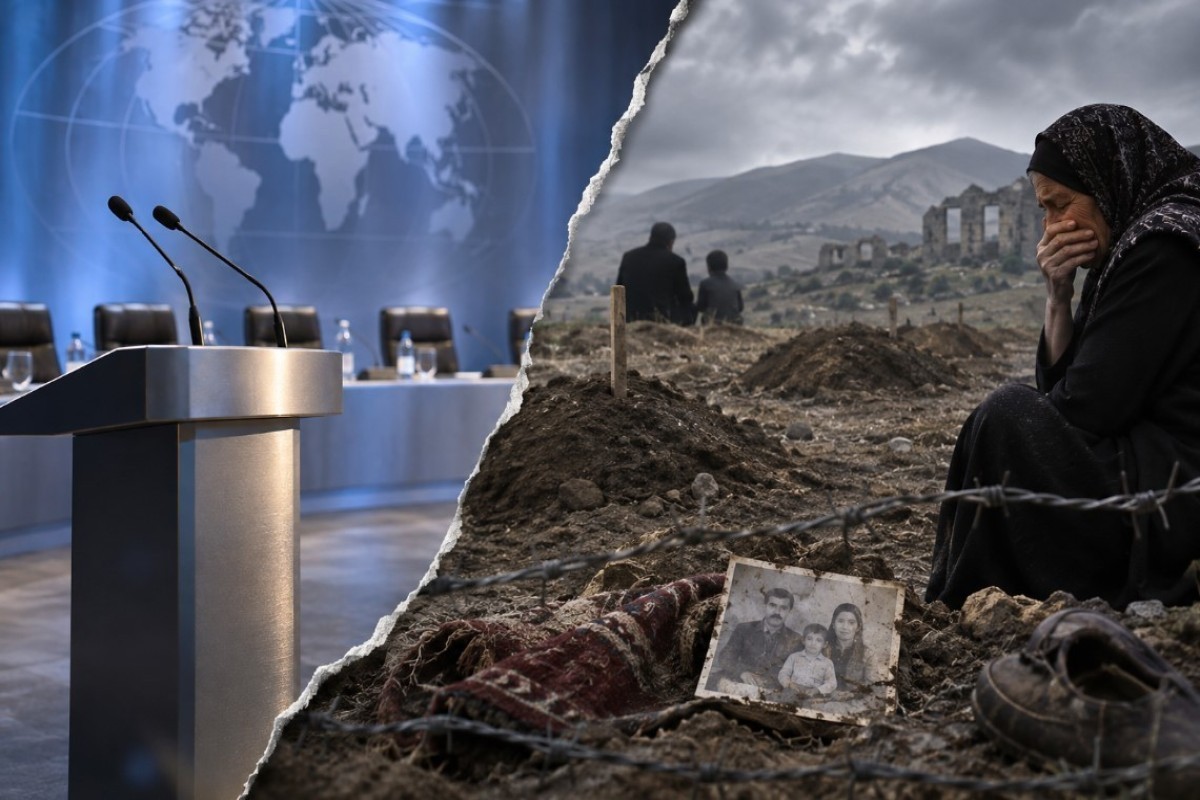
An international conference titled “The Fate of Missing Persons: Humanitarian Dialogue and Cooperation” is being held in Yerevan on November 19–20. At the event, Armenia’s leadership emphasizes the importance of expanding humanitarian cooperation, strengthening mutual trust, and ensuring the right of families of missing persons to receive information. However, these statements once again raise the question of the extent to which Armenia is fulfilling the agreements reached through direct contacts with Azerbaijan. In particular, the fact that the fate of thousands of Azerbaijanis remains unknown, information about burial sites has not been provided, and joint search efforts have failed to produce results raises questions about Yerevan’s approach to humanitarian cooperation. The current situation makes it necessary to assess the issue not only from a humanitarian perspective but also from political and legal standpoints.
Contradiction between humanitarian statements and practical actions
One of the main topics discussed at the conference in Yerevan is the strengthening of international cooperation to clarify the fate of missing persons. Nevertheless, the main criterion for assessing Armenia’s approach to humanitarian issues is not the statements it makes, but the implementation of existing commitments and the concrete results achieved.
Zaur Mammadov, Associate Professor at the Academy of Public Administration under the President of the Republic of Azerbaijan and a political analyst, told APA that the international conference on the fate of missing persons, held in Yerevan on November 19–20, creates a serious political and moral contradiction.
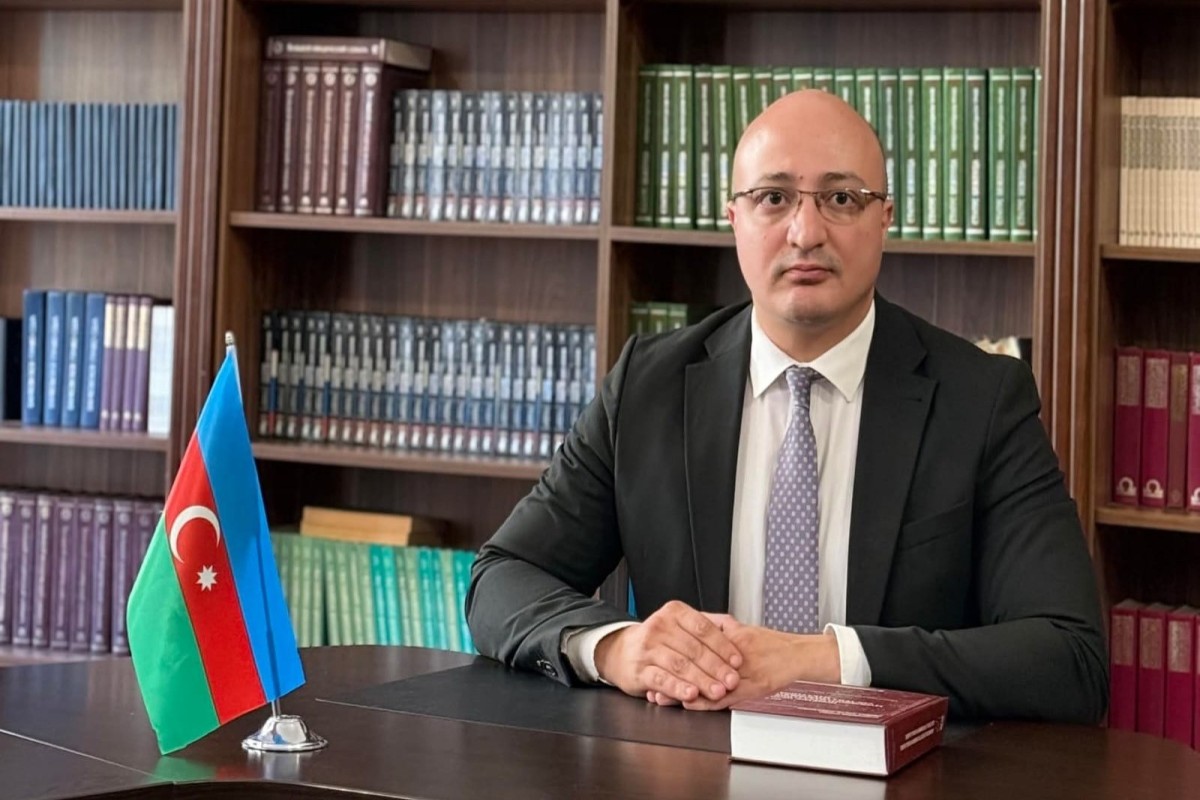
According to the political analyst, it is paradoxical that Armenia, which occupied Azerbaijani territories for decades, seeks to portray itself as a defender of humanitarian values without clarifying the fate of thousands of Azerbaijanis: “The main issue here is not the holding of the conference, but the inconsistency between Armenia’s statements to the international community and its actual actions. Humanitarian responsibility is determined not by political rhetoric, but by the fulfillment of specific obligations. If Armenia’s leadership is genuinely interested in restoring mutual trust, it must first fulfill the commitments it has undertaken.”
Another important aspect of the issue is the attitude of the families of missing persons toward this process. For families who have been unable to obtain information about the fate of their loved ones for decades, the significance of international conferences is measured primarily by their tangible results. In this regard, bridging the gap between calls for humanitarian cooperation and the expectations of families is of particular importance.
Konul Behbudova, Chairperson of the “Karabakh Missing Families” Public Union, said that by organizing an international conference on missing persons in Yerevan, Armenia is attempting to present itself to the international community as a state concerned about the fate of these people.

According to her, if such international conferences fail to clarify the fate of missing persons, there will be no point in holding them: “If these international conferences do not help clarify the fate of missing persons, then what is the purpose of holding them? We know that Armenia itself has admitted possessing information about the coordinates of more than 200 mass graves and individual burial sites. However, to this day, it has avoided providing this information to the Azerbaijani side. We believe that Armenia is trying to prevent its crimes from being exposed. This is because signs of torture and violence have been identified in the mass graves discovered in the liberated territories. These facts have a truly devastating impact on us, the families of missing persons. Every time such a grave is discovered, it is a tremendous shock for us. I believe that the excavation of these graves will also lead to the exposure of the crimes committed. That is why we believe Armenia is trying to evade this responsibility.”
Unfulfilled agreements and the coordinates of 204 burial sites
The existence of direct cooperation mechanisms between Azerbaijan and Armenia aimed at determining the fate of missing persons has created important opportunities for resolving the problem. However, outstanding issues concerning the implementation of the agreements reached continue to limit the practical results of the process. In particular, the verification of lists of missing persons and the exchange of information about possible burial sites remain among the main subjects of discussion.
Zaur Mammadov recalled that direct contacts between the relevant state commissions of Azerbaijan and Armenia were established in February 2025 without intermediaries, and certain agreements were reached concerning the search for missing persons: “Azerbaijan provided the Armenian side with a list of 834 of its citizens who were taken prisoner or hostage during the First Karabakh War, along with detailed information about 104 of them. However, no information has been provided to date about the results of the examination of these materials. This seriously calls into question the practical substance of Armenia’s statements about its readiness to cooperate. Particularly noteworthy is the fact that Armenia has not provided this information despite stating that it possesses the coordinates of 204 mass graves and individual burial sites. These are not assumptions made by Azerbaijan, but information whose existence Armenia itself has confirmed.”
Providing information about burial sites is important not only for determining the fate of missing persons, but also for investigating events that occurred during the conflict. Obtaining information that former military and political officials may possess, verifying witness testimonies, and conducting searches at possible burial sites could play an important role in this process.
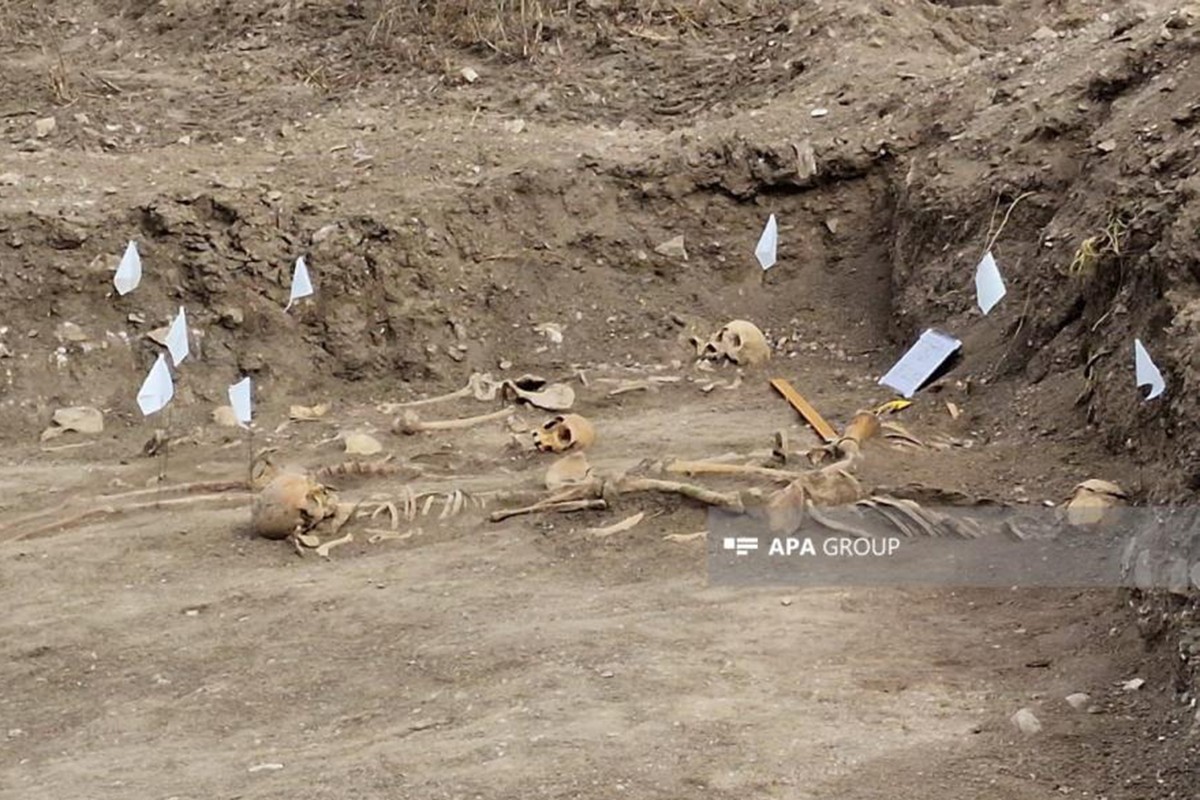
Konul Behbudova noted that former senior Armenian officials, including those who held military positions, have also stated that they possess information about the locations of mass graves: “Nevertheless, this information has still not been provided to the Azerbaijani side. I would like to emphasize once again that former Armenian military officials have repeatedly said that they know the locations of mass graves. However, they do not provide this information to the Azerbaijani side. There are probably particular reasons for this. We believe that if this information were provided, many issues would become clearer, and the truth about the fate of missing persons would come to light. That is why Armenia’s concealment of this information raises serious questions for us.”
Political will and the more than 30-year wait endured by families of missing persons
The existence of technical mechanisms and contacts between state institutions is not sufficient for humanitarian cooperation to produce results. Keeping these mechanisms operational, implementing the agreements reached, and continuing the exchange of information also depend on political decisions. At the same time, the prolonged process forces the families of missing persons to continue living in uncertainty that has persisted for years.
Political analyst Zaur Mammadov believes that statements by Armenia’s relevant institutions that they have not received instructions from the political leadership to implement the agreements reveal the nature of the problem more clearly: “This gives grounds to believe that the issue is related more to political will than to technical capabilities. If Nikol Pashinyan has acknowledged that Karabakh is Azerbaijani territory and declared that he has moved away from the conflict-driven policies of the past, he must also demonstrate a principled position in addressing the humanitarian consequences of those policies. Otherwise, the contradiction between Armenia’s statements about peace and cooperation and its actual actions will deepen further.”
Delays in clarifying the fate of missing persons further increase the humanitarian gravity of the issue. Identifying burial sites, establishing the identities of human remains, and communicating relevant information to families would mean answering questions that have remained unresolved for decades for many people.
Konul Behbudova, Chairperson of the Public Union, emphasized that the disappearance of 4,010 Azerbaijanis means that thousands of families have suffered for more than 30 years, living without any knowledge of the fate of their loved ones.
According to her, providing the coordinates of burial sites could help bring an end to the decades-long anguish endured by many families: “As you know, the disappearance of 4,010 Azerbaijanis means suffering for thousands of families. If those coordinates were provided to the Azerbaijani side, perhaps the suffering and more than 30 years of waiting endured by even one family could come to an end. Every missing person is someone’s child, someone’s father, and a loved one in a family. Just imagine, these people have been living in extremely difficult circumstances and uncertainty for more than 30 years. They do not know the fate of their loved ones. At the very least, they want to know where their relatives are buried. This is of enormous importance to those families.”
Humanitarian responsibility and mutual trust in the peace process
Against the backdrop of the political and diplomatic processes aimed at normalizing relations between Azerbaijan and Armenia, determining the fate of missing persons remains particularly important. Addressing the humanitarian consequences of the conflict could contribute not only to ensuring the rights of families, but also to creating an atmosphere of trust between the two countries. In this regard, the implementation of existing agreements is considered one of the practical indicators of the peace process.
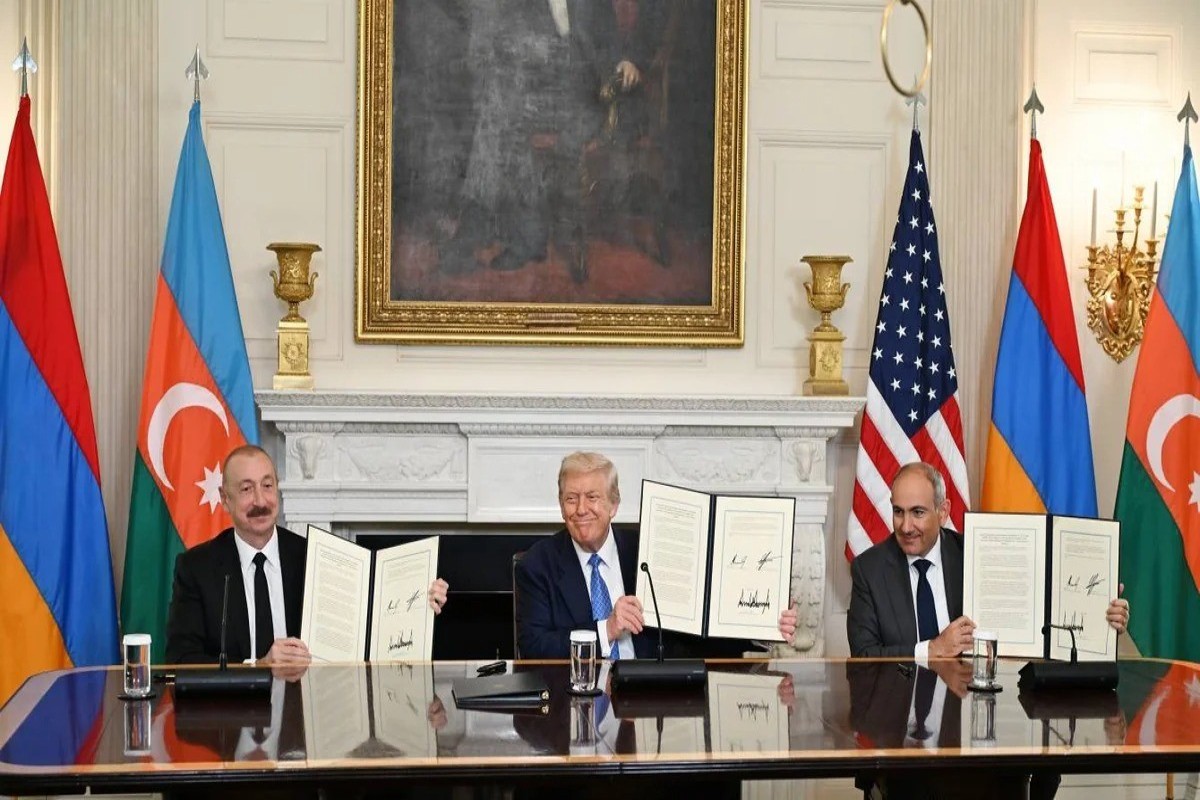
Zaur Mammadov emphasized that Azerbaijan liberated most of its territories from occupation in 2020 and restored its sovereignty over its entire territory in 2023. However, the fact that the fate of nearly 4,000 Azerbaijanis remains unknown demonstrates that the severe humanitarian consequences of the conflict have still not been addressed.
“The failure to resolve this issue hinders the development of mutual trust in Azerbaijan-Armenia relations. International organizations should also demand concrete results when assessing Armenia’s statements about humanitarian cooperation. The fate of missing persons must not become a tool for political manipulation or the creation of an international image. Yerevan’s sincerity should be measured not by the conferences it organizes, but by the information it provides, the search operations it conducts, and the agreements it fulfills. Sustainable peace requires not only political agreements, but also a responsible approach to the severe humanitarian consequences of the past,” the political analyst said.
The issue also has important dimensions under international humanitarian law. Investigating the fate of persons who went missing as a result of armed conflicts, obtaining available information, and informing families about their loved ones are among the main areas of humanitarian cooperation. At the same time, ensuring the rights of the families of missing persons remains relevant regardless of political developments.
The Chairperson of the Public Union stated that under international humanitarian law, families of missing persons have the right to receive information about the fate of their loved ones, but Armenia’s failure to provide this information for years has further intensified their suffering.
“International humanitarian law also establishes that the families of missing persons have the right to receive information about their fate. However, Armenia has deprived us of this right for years. The families of missing persons have been suffering for more than 30 years. We have not been provided with information about our loved ones. We want Armenia to provide the Azerbaijani side with the information it possesses. If they genuinely care about the fate of missing persons, they should demonstrate this through concrete actions rather than by holding conferences. Our main demand is to clarify the fate of our missing loved ones,” Konul Behbudova said.


 Follow us on Telegram
 t.me/apanewsaz
 Follow us on Instagram
 Follow us on TikTok
 Follow us on Facebook
 Follow us on X
 ANALYSIS'>

 ANALYSIS'>