



Determining the fate of Azerbaijani citizens who went missing during the First Karabakh War remains one of the gravest humanitarian consequences of the conflict. Although new opportunities to find answers to these questions emerged after Azerbaijan liberated its territories from occupation in 2020, a great deal of work still remains to be done.
Azerbaijan’s efforts to search for missing persons, the mass graves discovered in the territories liberated from occupation, DNA identifications, and Armenia’s failure to provide information about burial sites remain among the key issues affecting the resolution of the problem.
For more than 30 years, the same questions have remained unanswered in the lives of thousands of families in Azerbaijan: What happened to my brother, my husband, my son? Where are they?
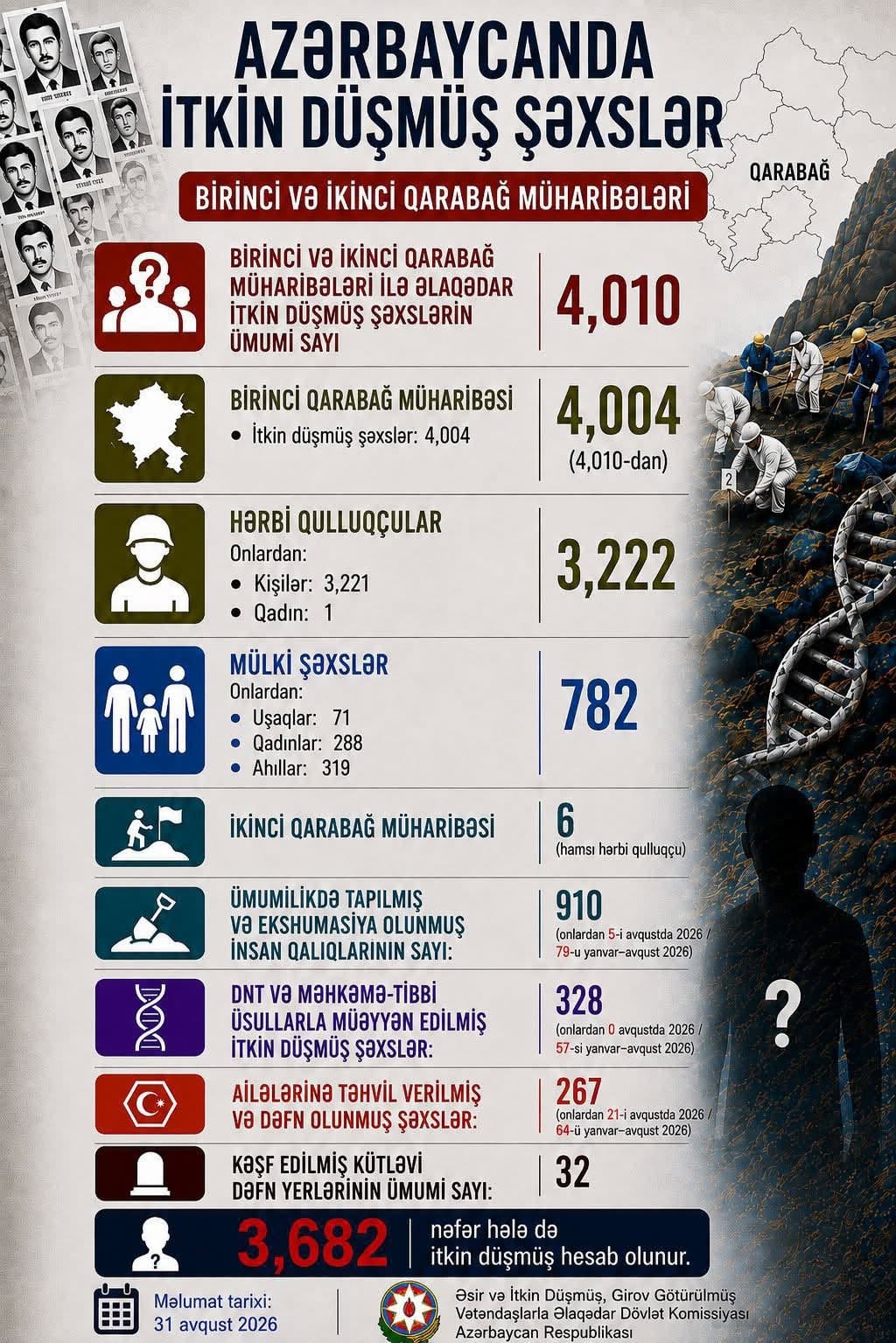
According to the latest information from the State Commission on Prisoners of War, Hostages and Missing Persons, 4,010 Azerbaijani citizens have been registered as missing persons as a result of Armenia’s military aggression. As of that date, 328 people had been identified through DNA analysis among the human remains found during excavations in the territories liberated from occupation.
Thus, the latest data show, on the one hand, that the searches are yielding results, while on the other hand, they reveal that the fate of a large proportion of the 4,010 people on the list has yet to be determined.
What lies behind the figure of 4,010?
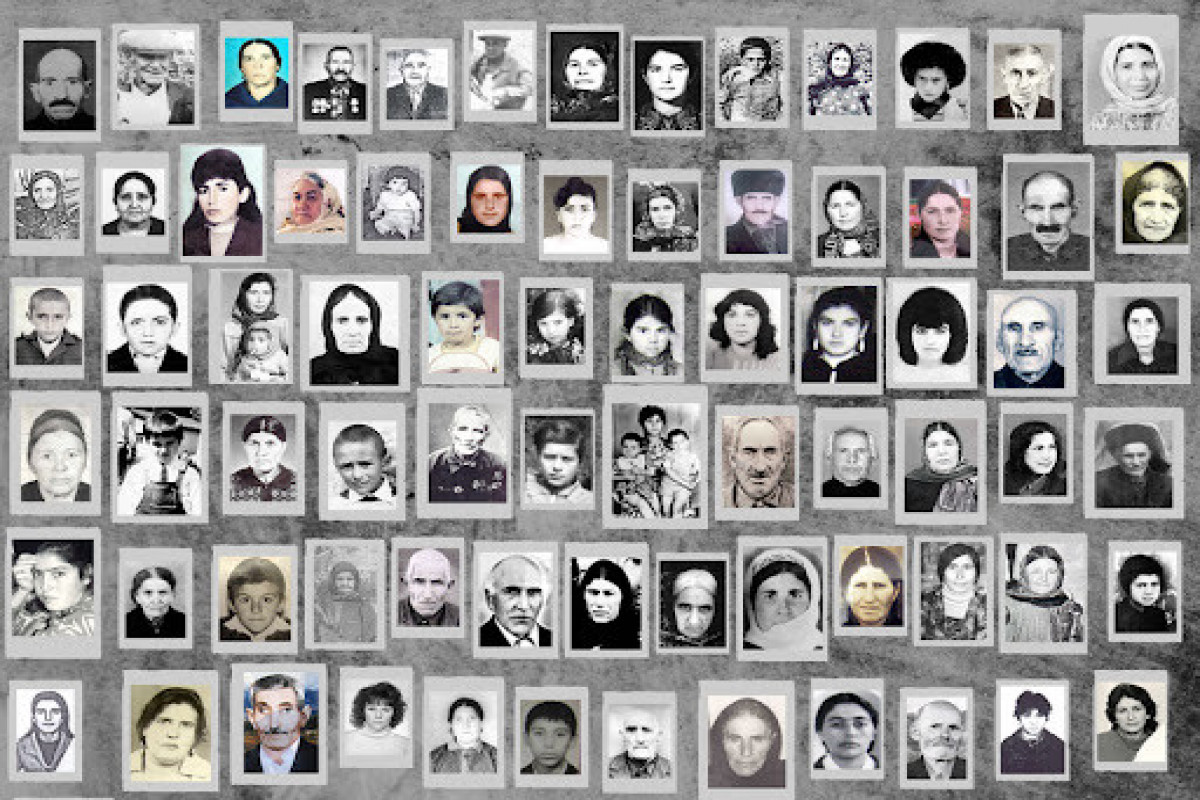
The figure of 4,010 is not merely a statistic. Behind this figure are families who have been waiting for answers for decades, elderly parents, and fathers and brothers who remain only in childhood memories. The list of missing persons includes both military personnel and civilians. Therefore, the issue is not limited solely to the fate of servicemen who went missing on the battlefield. According to information from the State Commission, the process of determining the fate of missing persons covers information concerning both servicemen and civilians who were taken prisoner or hostage during the conflict.
The search for missing persons consists of several stages: gathering information, examining witness testimonies, identifying presumed burial sites, conducting searches and excavations in those areas, exhuming human remains, carrying out forensic and anthropological examinations and DNA analyses, and ultimately establishing the person’s identity.
In other words, determining the fate of a missing person does not end simply at the stage of “a grave has been found.”
How has the work of the State Commission changed?
The State Commission of the Republic of Azerbaijan on Prisoners of War, Hostages and Missing Persons has been operating since 1993 to determine the fate of missing persons, and the liberation of the territories from occupation in 2020 created new opportunities for determining their fate.
At an international conference held in June 2026 within the framework of cooperation between the State Commission and the International Commission on Missing Persons (ICMP), Secretary of the State Commission Gazanfar Ahmadov said that, at the next stage, new-generation unmanned aerial vehicles and ground-penetrating geophysical radar (GPR) systems will be used for the rapid mapping of large areas and the detection of hidden graves. This shows that searches are no longer limited solely to witness testimonies and physical excavations.
A new stage: digital database and technology
As part of cooperation between the State Commission and the ICMP, an Online Inquiry Center has also been launched for the electronic management of information concerning missing persons. Through the platform, citizens can submit new information about missing persons, attach photographs and documents, and share the geographical coordinates of presumed burial sites. According to the State Commission, the unified electronic database makes it possible to accelerate information exchange between relevant state institutions and increase the efficiency of search, excavation and identification processes.
The ICMP’s assessment report on Azerbaijan also specifically highlighted the need to digitize information, systematize the GPS coordinates of possible burial sites and establish a centralized database. The organization stated that some information concerning missing persons in Azerbaijan had long been kept in paper records and that there was a need to improve information systems.
Thus, a witness testimony given 30 years ago, a photograph provided by a family, an archival document, the coordinates of a presumed burial site and a DNA result obtained today become different elements of the same investigation.
DNA: A scientific answer after 30 years
One of the most important stages in determining the fate of missing persons is DNA identification. Over the years, biological reference samples have been collected from the families of missing persons. In 2024, the International Committee of the Red Cross announced that approximately 11,000 biological samples had been collected from the families of missing persons in Azerbaijan. The samples were taken from families living in 72 districts of Azerbaijan, and antemortem data on missing persons were also systematized.
According to the ICMP’s assessment, following the establishment of a specialized Genetic Laboratory for missing persons cases in Azerbaijan in 2022, it became possible to process approximately 10,900 family reference samples. The significance of these samples lies in the fact that DNA profiles obtained from human remains found years later can be compared with samples taken from family members of missing persons.
The identities of 328 missing persons have already been established through DNA analysis. However, the identification process does not end there. After a DNA match is obtained, other forensic data, anthropological indicators and available documents are also taken into account, the identification is formally confirmed, and the remains are then handed over to the family.
32 mass graves: Traces invisible on the map
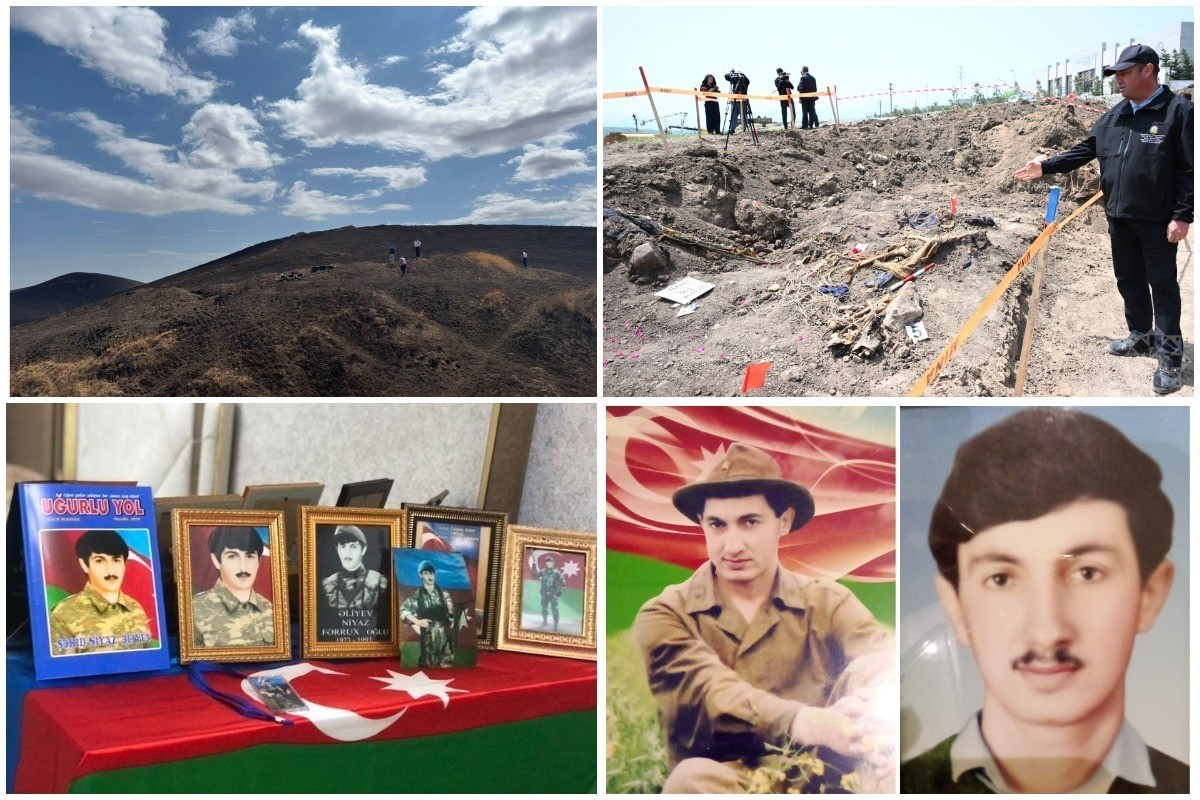
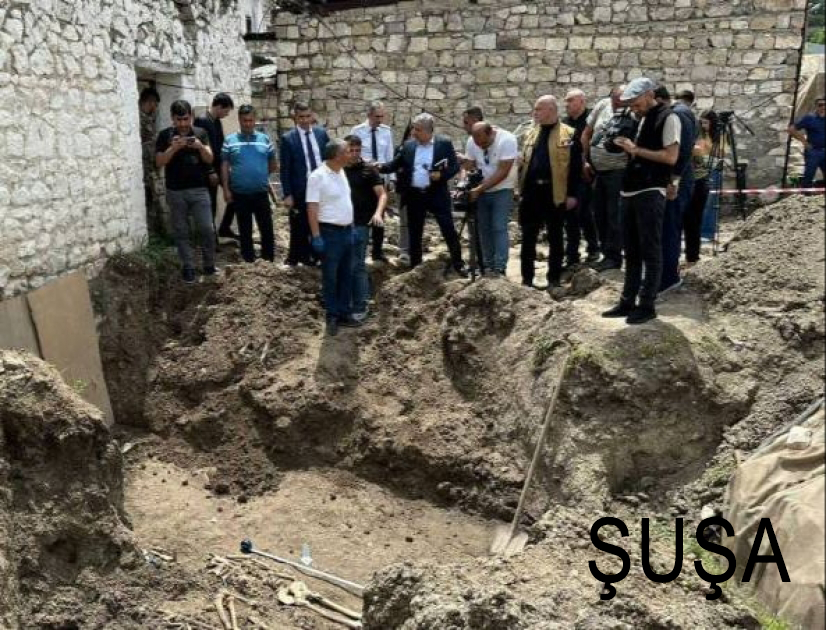
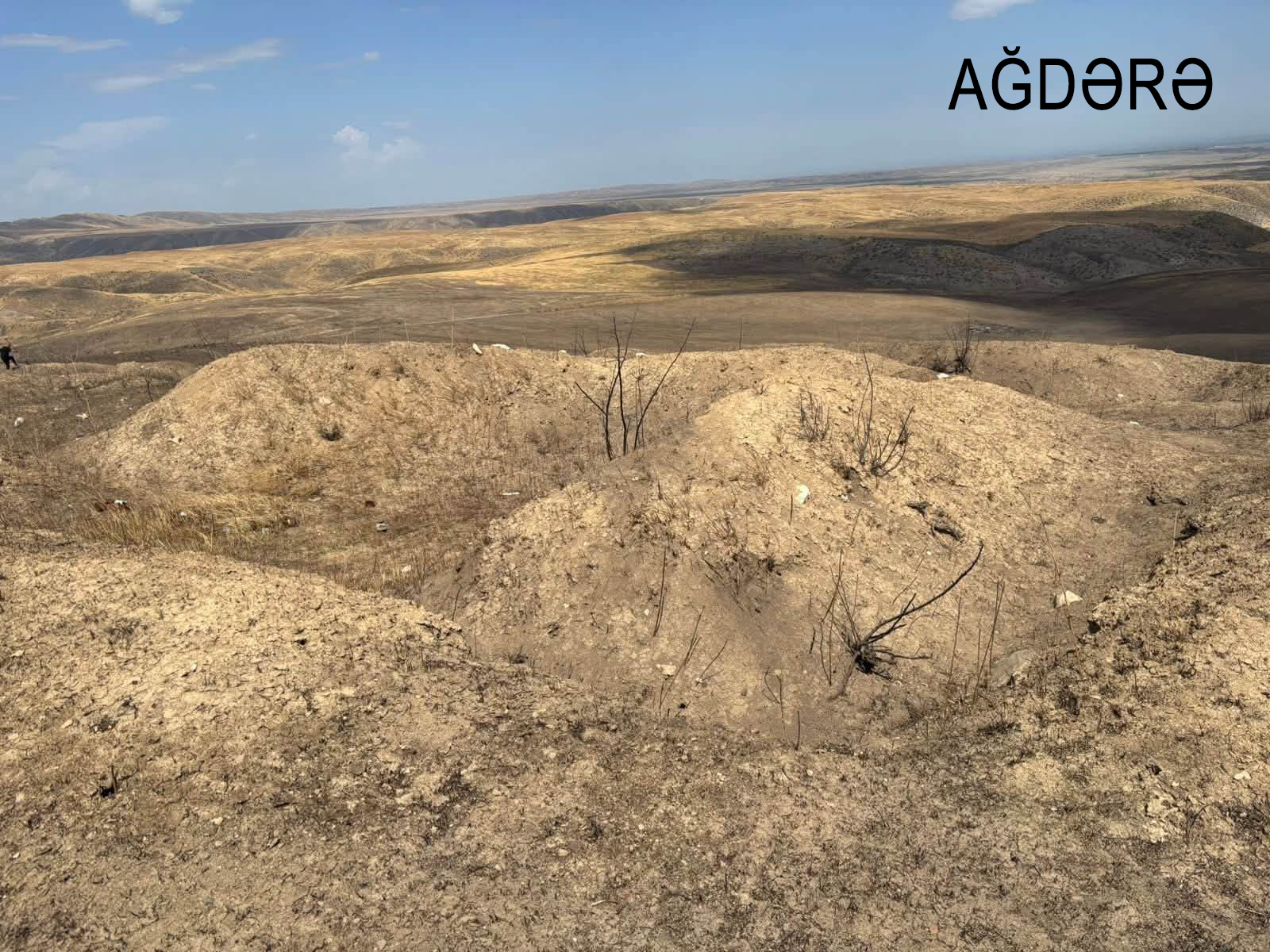
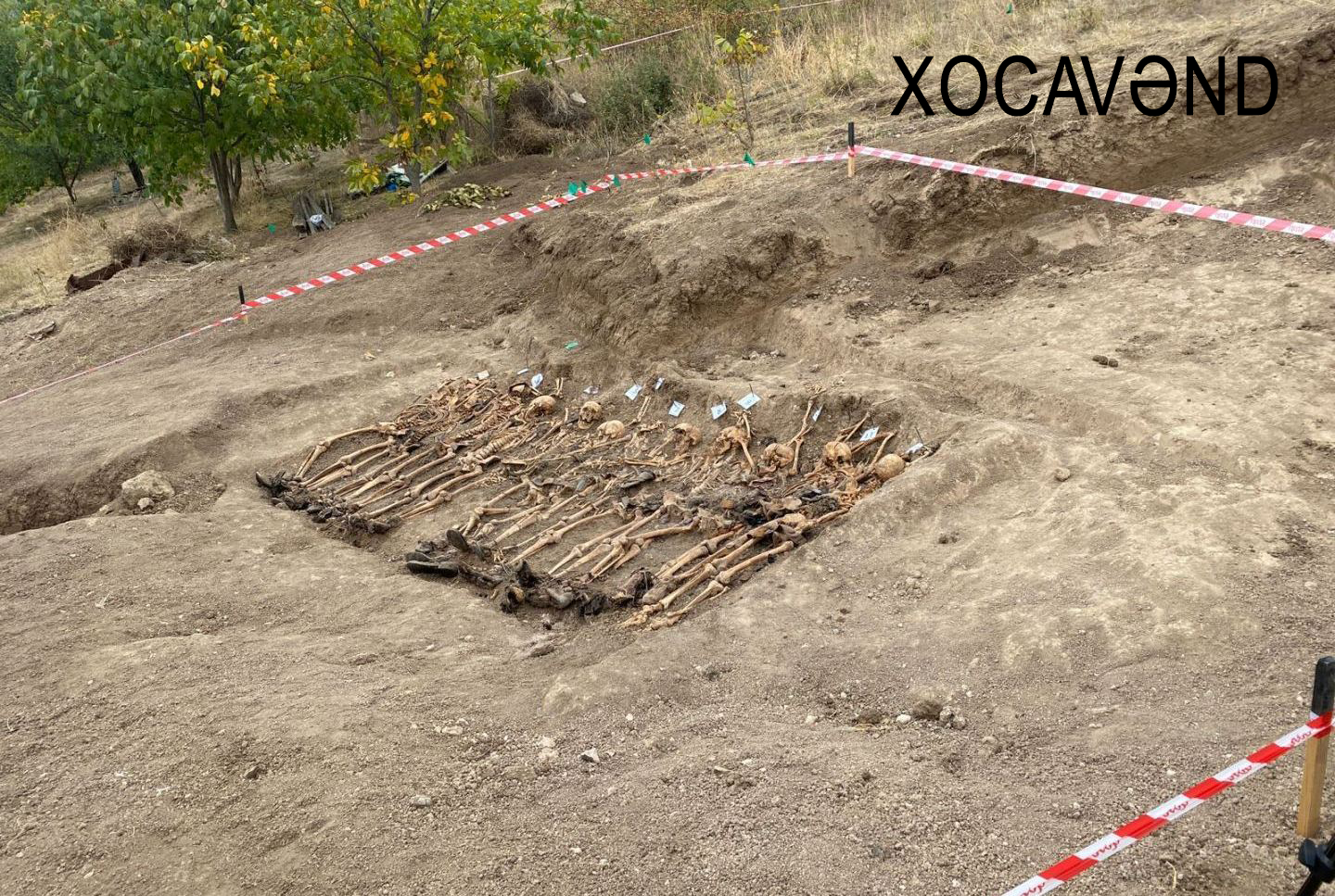
Currently, the largest number of mass graves is reported to have been discovered in Khojaly. To date, 32 mass graves have reportedly been discovered, including 5 in Kalbajar, 2 in Khojavand, 4 in Shusha, 2 in Fuzuli, 6 in Khojaly, 2 in Aghdara and 1 in Aghdam.
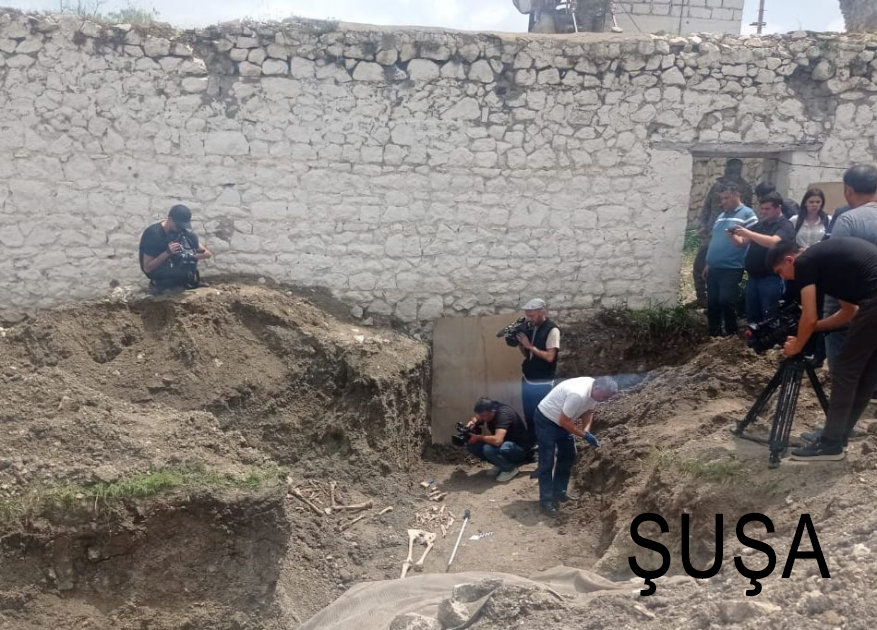
One of the main factors complicating the identification of human remains in mass graves is that the remains were buried on top of one another in a disorderly manner.
The discovery of these mass graves is not the final stage; on the contrary, it marks the beginning of one of the most complex parts of the investigation.
Once a burial site is identified, the area must be secured, excavation and exhumation must be carried out, the human remains must be documented, forensic and anthropological examinations must be conducted, and DNA analysis must then be performed.
For example, it was reported that the remains of 31 people were found in a mass grave discovered in the courtyard of the former prison in the city of Shusha, while the remains of 28 people were found in a burial site discovered in the village of Dashalti. This is a horrifying figure. The recovery of the remains of 31 people from one grave and 28 from another once again demonstrates the scale of the crimes committed.
President Ilham Aliyev, in his address to the participants of the international conference on missing persons in 2024, drew attention to the burial site discovered in Syrkhavand, stating that evidence had been collected during the exhumation showing that Azerbaijanis who had been taken prisoner and hostage were killed after being subjected to torture, violence and inhuman treatment. In this regard, the burial sites are important not only for determining the fate of missing persons, but also for the forensic and legal documentation of events that occurred during the war.
One of the main obstacles: Armenia’s failure to provide information
One of the most serious obstacles to the searches is Armenia’s failure to provide the Azerbaijani side with information about the fate of missing Azerbaijanis and the locations where they were buried. Azerbaijan has been raising this issue on international platforms for years.
In his address to the 76th session of the UN General Assembly in 2021, President Ilham Aliyev stated that approximately 4,000 Azerbaijani citizens were registered as missing during the First Karabakh War and said that Armenia must provide information about their fate.
President Ilham Aliyev stated that determining the fate of missing persons has always been a priority for Azerbaijan and that Armenia’s failure to provide information about the fate of the missing persons and the exact locations of mass graves is a serious problem.
The head of state called on the international community to exert pressure on Armenia and emphasized that the issue is a “purely humanitarian matter.”
The President stated that Armenia refuses to provide information about the locations of burial sites, including the location of the remains of Azerbaijan’s National Hero Natig Gasimov.
Why is a single coordinate so important?
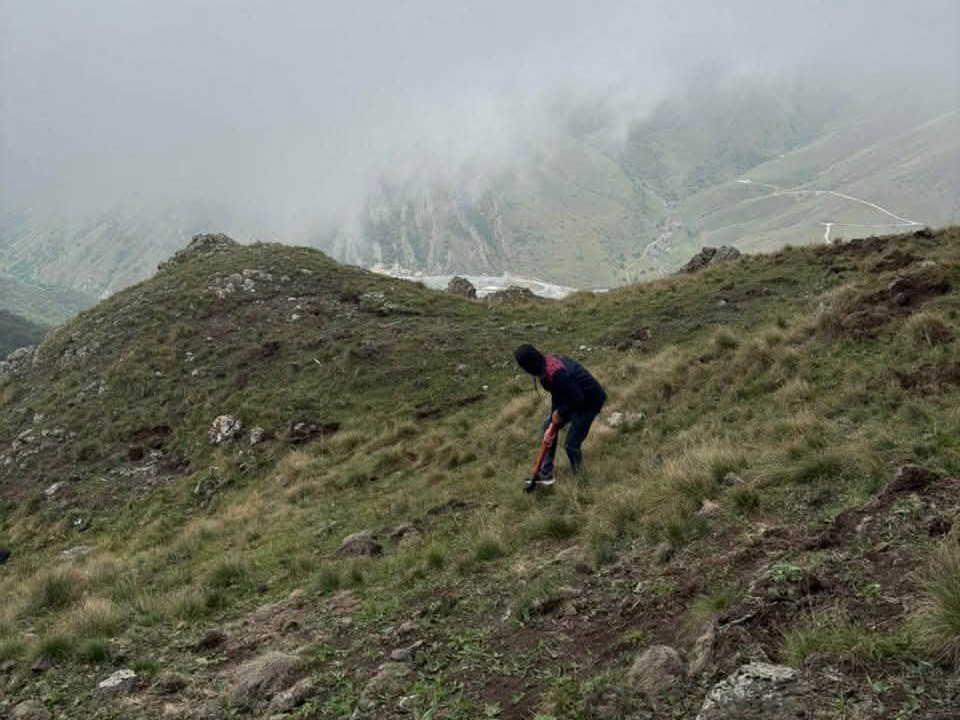
This is where the practical aspect of the issue comes into play. If the exact coordinates of a presumed burial site are known, the search team can work in a specific area. If only general information such as “near a certain village” is available, a large area has to be searched. This difference is particularly significant in the mountainous areas of Karabakh with complex terrain. Added to this is the threat posed by mines and unexploded ordnance. The State Commission announced this year that UAV and GPR technologies will be used at the next stage. The purpose of these technologies is to map large areas more rapidly and identify hidden burial sites that may be located underground.
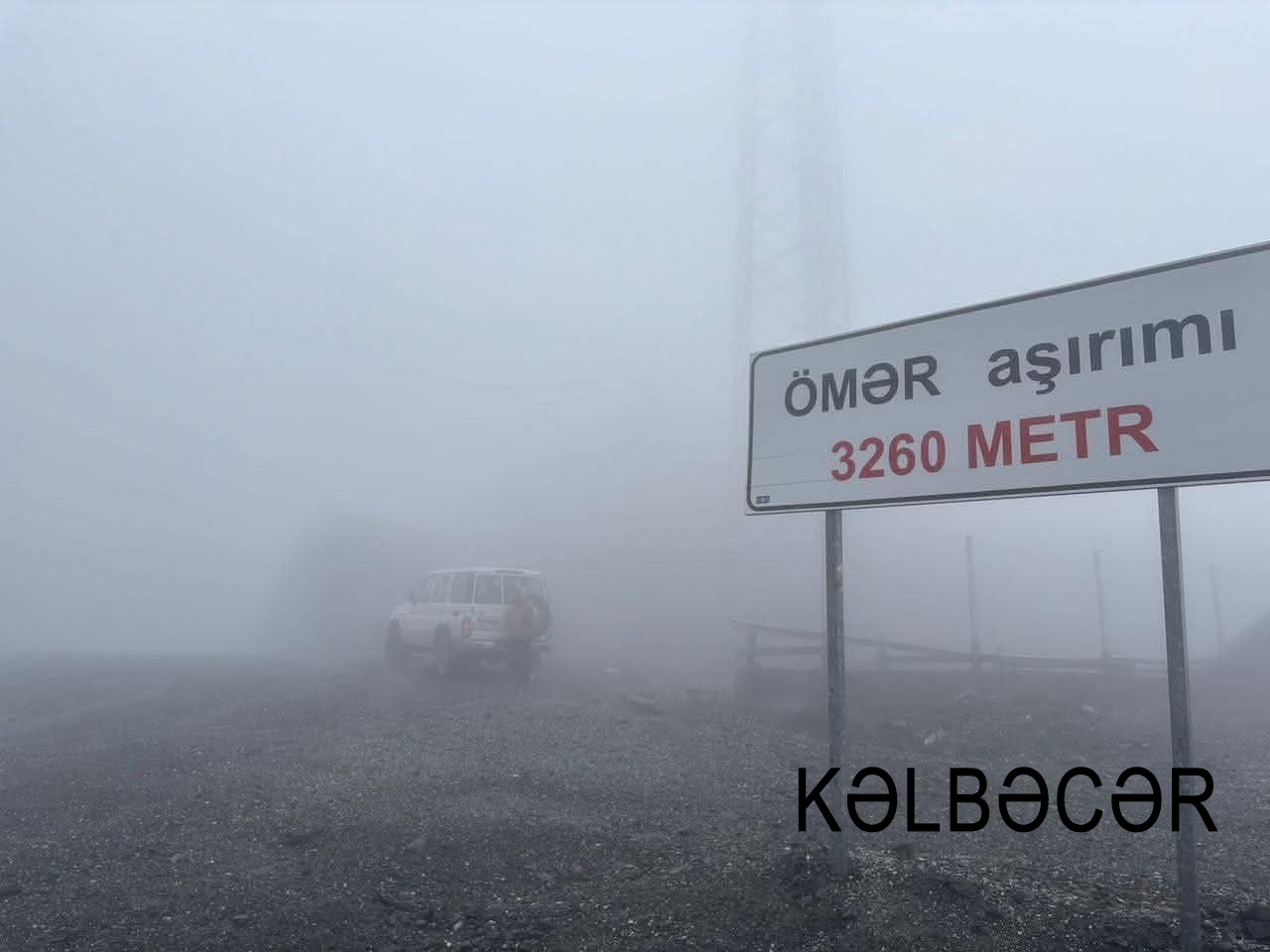
Assistant to the President of the Republic of Azerbaijan – Head of the Foreign Policy Affairs Department of the Presidential Administration of the Republic of Azerbaijan Hikmet Hajiyev stated in a post marking August 30 – International Day of the Disappeared that, despite difficult terrain and weather conditions and the threat posed by mines and unexploded ordnance, searches continue using all available resources and advanced technologies.
2025: The issue of missing persons included in the peace agreement
One of the new stages concerning the issue occurred in August 2025. On August 8, 2025, a provision concerning missing persons was also included in the initialed text of the peace agreement between Azerbaijan and Armenia in Washington.
Article IX of the agreement provides for the parties to exchange all available information concerning persons who went missing as a result of the armed conflict, determine their fate, search for and return remains when necessary, as well as ensure justice through necessary investigative measures.
This indicates that the issue has moved beyond the level of a purely humanitarian appeal and has been incorporated into the future legal framework of Azerbaijan-Armenia relations.
In his address to the participants of an international conference on missing persons in October 2025, President Ilham Aliyev also emphasized the importance of this provision and stated that the Armenian side must provide information about the locations of other mass graves.
In this regard, the issue of missing persons is now presented not only as a humanitarian legacy of the past conflict, but also as one of the issues related to building trust in Azerbaijan-Armenia relations.
A family’s 30-year wait: Vasif Mehdiyev
The stories of families illustrate better than numbers what this problem means in people’s lives.
Hamaya Mehdiyeva, the mother of missing Vasif Mehdiyev, told APA exclusively that after all these years, she now wants to finally receive an answer about her son’s fate.
Vasif Khalil oglu Mehdiyev was born in 1971 in the village of Kochasgar in Azerbaijan’s Aghstafa district. The family later moved to Sumgayit. Vasif graduated from secondary school and music school, worked as a locksmith, and completed his military service in Georgia. When the Karabakh War began, he joined the ranks of the National Army.
_1788433711.jpg)
Vasif Mehdiyev went to the combat zone in the Aghdam direction on May 18, 1992. He went missing on June 5 during the battles for the village of Nakhchivanli (Nakhchivanik) in Khojaly. On the same day, five other people from Sumgayit who were with him – Hijran Khalilov, Vugar Mammadov, Natig Mammadov, Valeh Dovlatov and Yashar Mirzayev – also went missing. The last person to see Vasif alive was his assistant, Ahmad Aliyev.
For many years, Hamaya Mehdiyeva believed that her son was alive and did not agree to the word “martyr” being used for him. Now, however, the answer she seeks has changed: “But now I want to receive some news, one way or another. I accept it now. I don’t want to die with this grief.”
This sentence reflects one of the most painful aspects of the decades-long wait endured by families of missing persons: at first, a family wants to see their loved one alive, but as the years pass, they come to wish at least for their fate to be determined, even if that means finding their grave.
She was 39 when she began waiting; at 73, she is still waiting
In the story of Fati Mustafayeva, time itself becomes the central factor. Fati Mustafayeva, the mother of missing martyr Niyaz Farrukh oglu Aliyev, says she last saw her son on August 10, 1993, in the village of Baharli in Azerbaijan’s Zangilan district. Born in 1973, Niyaz lived in Sumgayit, was called up for military service in 1990, and took part in battles in the Lachin, Gubadli and Zangilan directions.
He went missing during the occupation of Jabrayil in 1993. On August 23, the family was informed that Niyaz had gone to provide assistance in the Jabrayil direction and had been wounded there. After that, they received no further news of him.
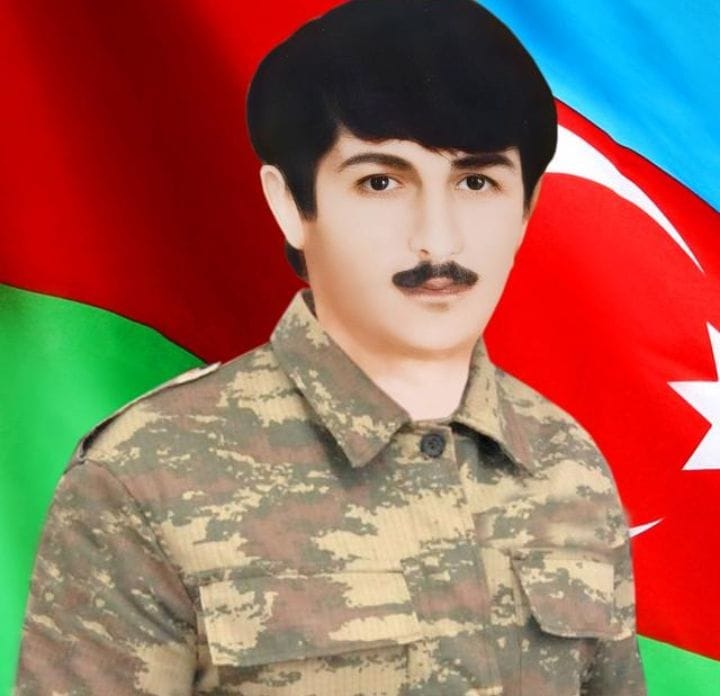
Niyaz’s mother was 39 years old when he went missing, and today Fati Mustafayeva is 73. The mother, who says that when she was young she had the strength to endure this grief, has not changed her main wish: “Let him be found, dead or alive.”
The stories of these two families reveal another important point. The factor of time is becoming increasingly critical in the search for missing persons.
_1788434779.jpeg)
Hope frozen in Askeran fortress: The Mammadov family
Sometimes, the disappearance of one person changes the fate of an entire family. The story of the Mammadov family is an example of this. Sohbat Mammad oglu Mammadov was born in 1976 in the Goycha region. Following the events that unfolded, his family sought refuge in Khojaly.
When the Karabakh conflict began, he, together with his father and his brother Mohlat, took part in the defense of Khojaly. On February 26, 1992, during the occupation of Khojaly, the family was taken hostage.
According to information provided by Khojaly resident Ramin Azizov, who returned from Armenian captivity, he was taken hostage that day on the Nakhchivanli (Nakhchivanik) road and taken to the detention facility of the Askeran District Police Department. There, he was held in the same cell as members of the Mammadov family.
_1788434501.jpg)
Ramin was later transferred to another cell and never saw the Mammadovs again.
The other members of the family were later released.
In the fate of the Mammadov family, the Khojaly tragedy and the pain of disappearance are intertwined.
The family, displaced from Goycha, was trying to build a new life in Khojaly. However, for them, that city became not so much a refuge as the beginning of the most painful chapter of their lives.
The fate of the father and his two sons has remained unknown for decades. The family’s main question has also remained unchanged: What happened to them?
For families of missing persons, an answer is not just a DNA result
Identifying a missing person is the final stage of the process for the family. Before that, an extensive investigation is carried out. Witness testimonies are collected, archives are examined, presumed burial sites are identified, excavations are conducted, human remains are exhumed and examined, and DNA comparisons are carried out.
The family is then informed, and the process of handing over the remains begins. Taking into account how difficult this process is for families, the International Committee of the Red Cross has implemented psychosocial support programs for many years. Between 2012 and 2018, more than 1,000 families of missing persons received home visits and psychosocial or psychological support. In the subsequent stage, contact was also maintained with thousands of families.
According to the ICRC, determining the fate of a missing person is not merely a technical process; informing the family and communicating the outcome to them are also important parts of the process.
A new opportunity in the issue of missing persons: International cooperation
The ICMP’s 2025 report listed among its key recommendations for Azerbaijan the search for and recovery of human remains, strengthening forensic and archaeological capacities, advancing DNA analysis, and improving information systems.
The organization also recommended establishing cooperation between Azerbaijan and Armenia on missing persons cases and creating an independent DNA comparison mechanism in the future. In its 2026 program, the ICMP also announced plans to develop a cooperation agreement between the relevant state institutions of Azerbaijan and Armenia on missing persons, integrate active cases into a shared information system, establish joint mechanisms for locating and recovering human remains, and strengthen centralized databases.
This approach demonstrates that resolving the problem does not consist solely of one country carrying out excavations. Resolving the issue requires the exchange of information among state institutions, forensic structures, international organizations, families and the other side.
The main task ahead
Today’s figures show two different sides of the situation. On the one hand, 32 mass graves have been discovered, and 328 missing persons have been identified through DNA analysis. On the other hand, 4,010 people are registered as missing. This means that a large part of the work still lies ahead.
The outcome of this work, however, does not depend solely on new excavations.
Witness testimonies, information provided by families, archival documents, biological samples, modern geophysical technologies, forensic examinations and DNA analyses must work together within a single system.
The State Commission stated that, together with representatives of the relevant state institutions, field investigations and verification measures are continuing on the basis of witness testimonies and information concerning presumed burial sites.
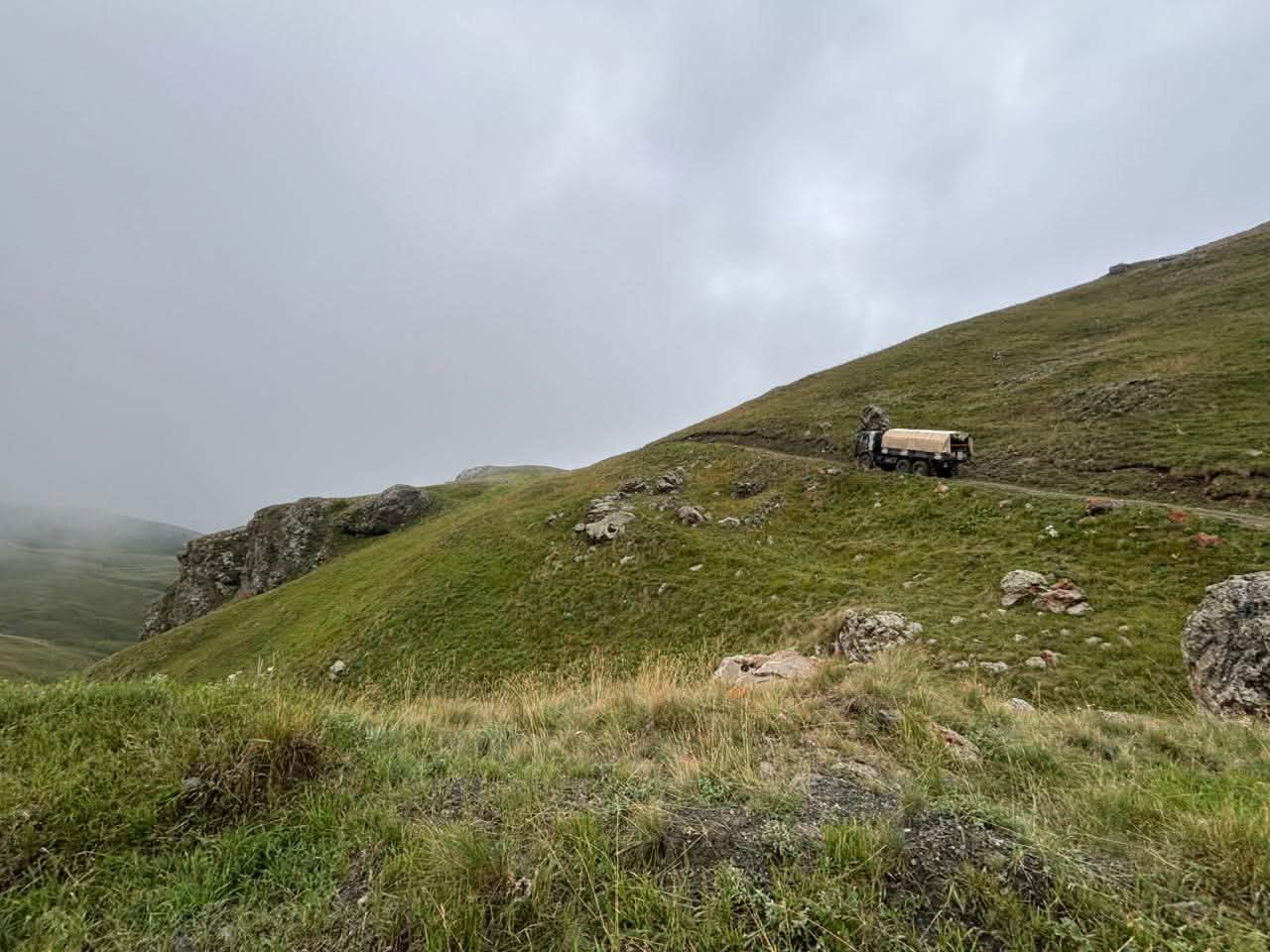
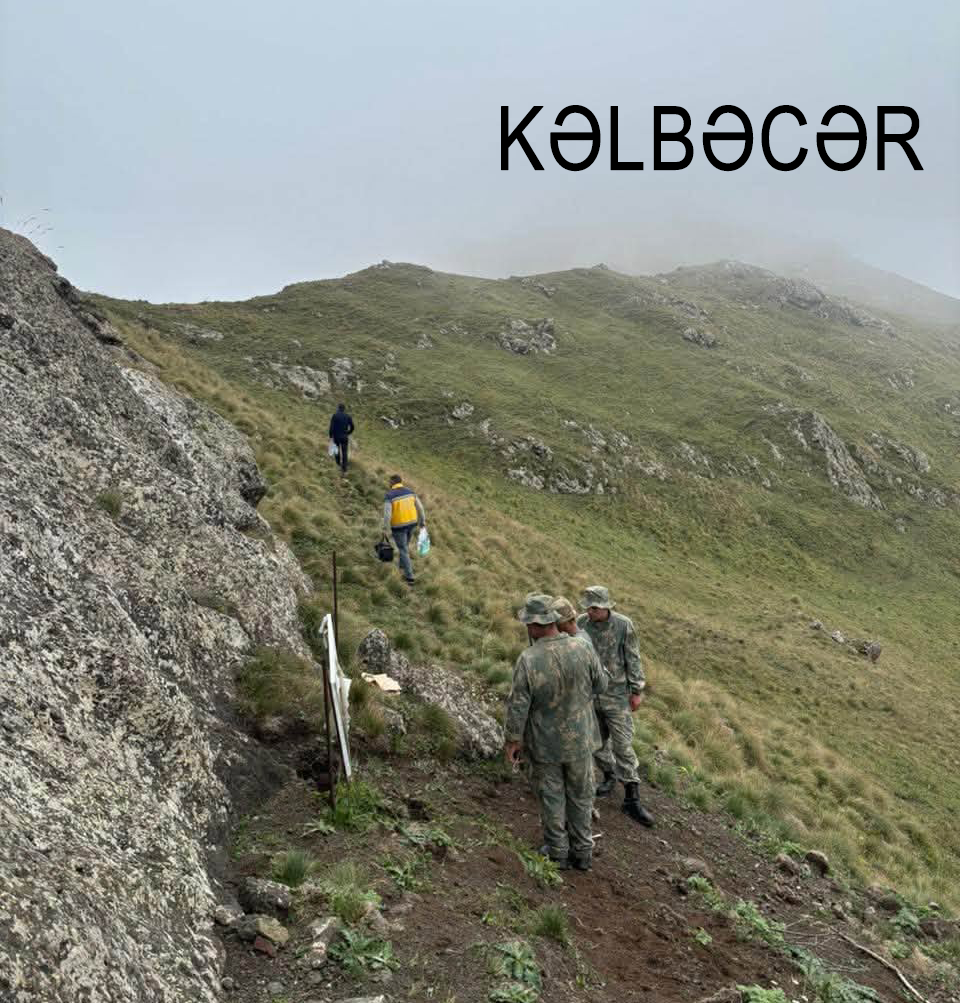
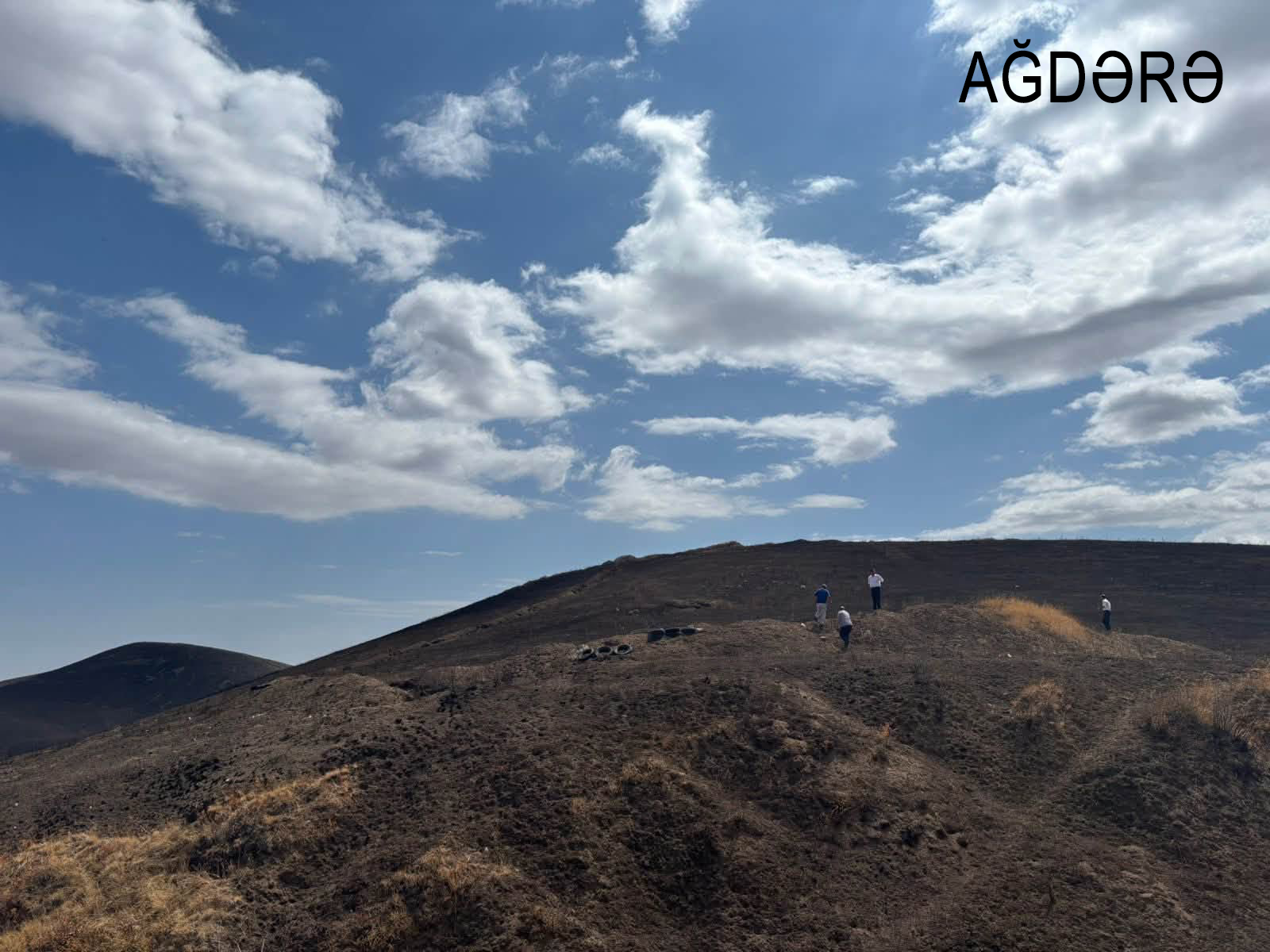
Despite the extremely difficult terrain, complex weather conditions that change by the hour, the presence of wild animals and the mine threat, members of the Commission continue to take the necessary measures to search for missing persons while strictly observing all safety rules.
The position of the State Commission is that the Azerbaijani state will continue the search until the fate of the last missing citizen is determined, regardless of any difficulties, by taking all necessary measures and using available capabilities and the most modern technical means, and the searches are ongoing. This responsibility and duty remain unchanged. Every step taken in the field brings us closer to clarifying the fate of our missing citizens and returning their remains to their families after many years.
One of the biggest missing elements in this system, however, is the information held by Armenia.
Presumed mass grave sites indicated on the basis of witness testimonies are often not confirmed. Changes in the terrain, climatic conditions and other factors are cited among the main reasons for this. At the same time, based on analyses conducted, it is reported that the Armenian side subsequently relocated some mass graves. Therefore, there are cases in which mass graves are not found at locations indicated in witness testimonies.
According to Azerbaijan’s position, Armenia must provide information about the fate of missing Azerbaijanis, the locations where they were buried and mass graves. Azerbaijani officials have repeatedly raised this as both a political and humanitarian obligation.
Article IX of the peace agreement initialled in 2025 also provides for the parties to exchange all available information concerning missing persons, search for and return remains, and ensure justice through necessary investigative measures.
Turning this provision into practical results will be one of the most important tests of the process in the future.
This is because precise information can change the speed of the search. Specific coordinates can reduce a search that might otherwise take years to a much shorter period. General information, however, may require excavations across a large area. Given the mine threat and difficult terrain, this difference becomes even more significant.
Families searching for answers after 30 years
For Hamaya Mehdiyeva, the issue is knowing the fate of her son Vasif, who went missing in 1992.
For Fati Mustafayeva, the issue is finding at least the grave of Niyaz, whom she has been searching for since 1993.
For the Mammadov family, the question is even more painful: What happened to a father and his two sons?
The liberation of the territories has created new opportunities for the search. Technologies have advanced, DNA laboratories have been established, thousands of biological samples have been collected from families, cooperation with international organizations has expanded, and new information systems are being introduced.
Despite more than 30 years having passed, information from the past is still needed to determine the fate of missing persons.
For this reason, the issue of Armenia providing the information it possesses about the locations of mass graves, burial facts and the fate of missing Azerbaijanis is not merely a matter of political dispute.
It is an issue that directly affects the practical outcome of the search. Because every single one of the 4,010 represents the name of a person. And behind every name is a family that has been waiting for an answer for more than 30 years.


 Follow us on Telegram
 t.me/apanewsaz
 Follow us on Instagram
 Follow us on TikTok
 Follow us on Facebook
 Follow us on X