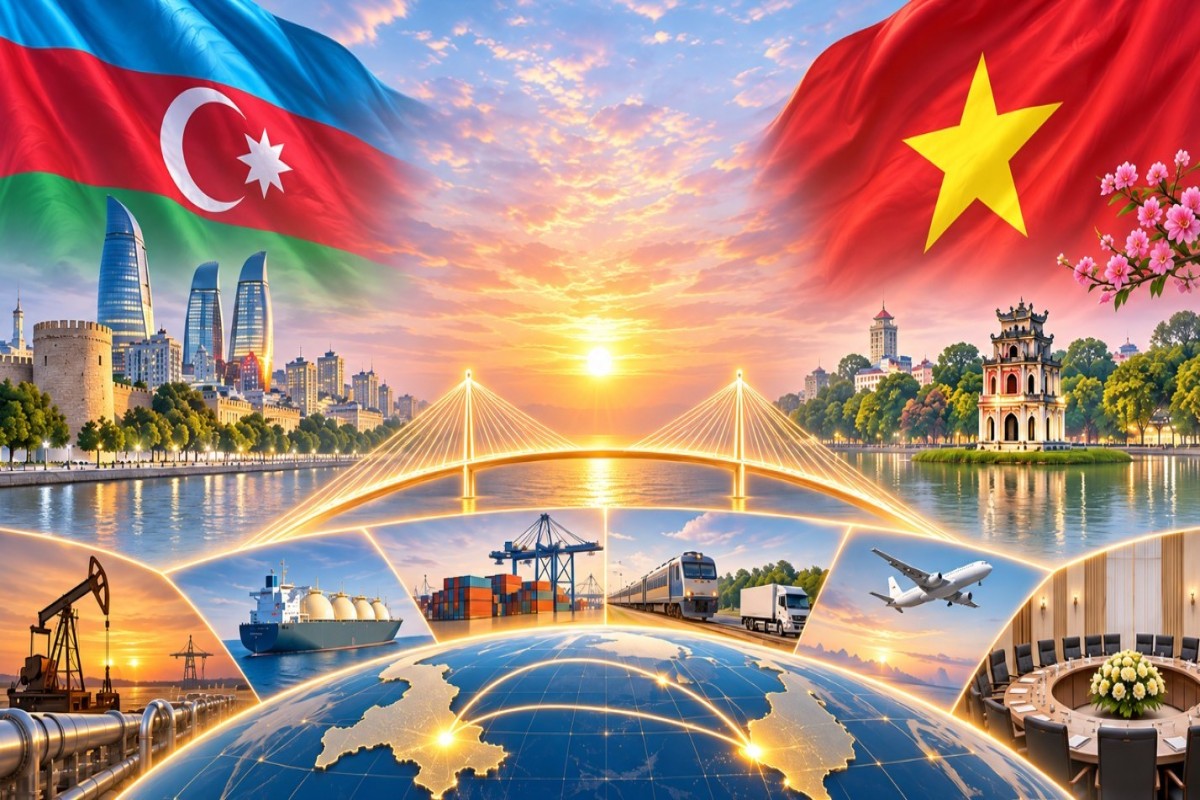








The diplomatic trajectory stretching from Beijing to Central Asia and from there to Phnom Penh, Vientiane, and Hanoi demonstrates that Azerbaijan's engagement with the East is not limited to individual initiatives but represents a long-term and systematic state policy. President Ilham Aliyev's official visit to Vietnam can also be regarded as an important component of this policy.
Azerbaijan's elevation of relations with China to the level of comprehensive strategic partnership in recent years, the deepening of integration with Central Asia, the visits of Cambodian and Lao leaders to Baku, and the head of state's official visit to Hanoi are separate stages of a unified diplomatic course. This process creates new opportunities for Azerbaijan to become one of the important centers of political, economic, transport, and logistics connections between Asia and Europe.
In this regard, the remarks made by President Ilham Aliyev at the 8th Congress of the New Azerbaijan Party, held on October 2, 2026, are of particular importance. The head of state emphasized that Azerbaijan is operating in a new geopolitical environment after fully restoring its territorial integrity and sovereignty. One of the main directions outlined in the President's speech was the continuation of an independent foreign policy, the diversification of international relations, and the strengthening of Azerbaijan's role in global processes.
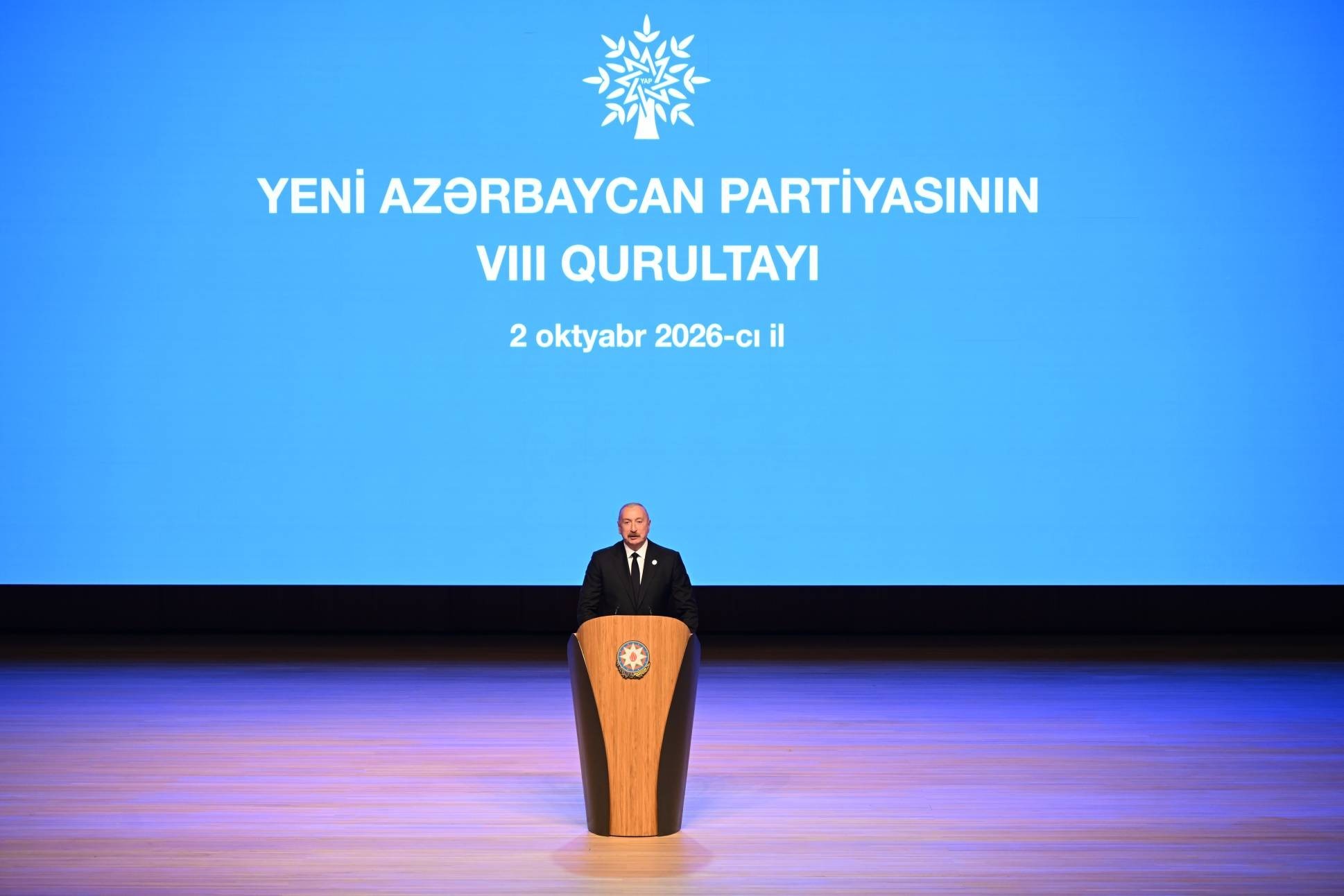
"Today, Azerbaijan is a country that commands great respect in the international arena," the head of state said at the congress.
Speaking about the future directions of Azerbaijan's foreign policy, President Ilham Aliyev also emphasized the importance of active diplomacy: "It is simply necessary that, from now on, our foreign policy should not be defense-oriented, but should also be active and more proactive."
This approach explains the political logic behind Azerbaijan's diplomatic initiatives in the eastern direction. Baku focuses not only on maintaining relations with traditional partners but also on expanding political dialogue in new geographical areas, establishing economic ties, and increasing participation in regional cooperation mechanisms.
One of the important principles of Azerbaijan's foreign policy is developing relations with various centers of power on the basis of national interests. President Ilham Aliyev's statement at the congress, "We do not join any camp, and we will not join any camp. We do not need this," reflects the country's intention to maintain an independent position in international relations.
This political approach also enables Azerbaijan to expand cooperation with Asia's developing economies. The concentration of a significant share of global economic activity in Asian countries, particularly the growing role of China and Southeast Asia in international trade, creates new partnership opportunities for Azerbaijan.
Strategic partnership with China is a key pillar of Eastern policy

One of the important pillars of Azerbaijan's policy toward the East is its relations with the People's Republic of China. President Ilham Aliyev's visits to China and the political agreements reached between the two countries have given impetus to the development of cooperation at the strategic level.
In particular, the signing of the Joint Statement on the Establishment of a Comprehensive Strategic Partnership between Azerbaijan and China demonstrates that political dialogue between the two countries has reached a qualitatively new stage.
Referring to these relations at the 8th Congress of the New Azerbaijan Party, the head of state said: "A declaration on comprehensive strategic partnership has been signed with China, and a Strategic Charter has been signed with the United States of America."
The comprehensive strategic partnership with China creates conditions for Azerbaijan to expand political, trade, and investment ties with one of Asia's leading economic powers.
As President Ilham Aliyev also noted, the elevation of Azerbaijan-China relations to a new stage is important in terms of strengthening political trust and expanding economic cooperation between the two countries.
The development of the Middle Corridor is also one of the important economic dimensions of these relations. Transport infrastructure passing through Azerbaijan plays an important role in diversifying access to European markets for China and Central Asian countries.
Integration with Central Asia shapes a new geopolitical space

The second important direction of Azerbaijan's Eastern policy is the deepening of relations with Central Asian states. Historical, cultural, and political proximity, as well as common interests in transport, energy, and trade, form the basis of this cooperation.
Azerbaijan's admission as a full member of the Consultative Meetings of the Heads of State of Central Asia is an important indicator of the institutional development of these relations.
President Ilham Aliyev described the significance of this development at the 8th Congress of the New Azerbaijan Party as follows: "We are not located in Central Asia; we are located in the South Caucasus. But look how close Azerbaijan is to these countries, how important the major political, economic, transport, energy, and other projects are, that this unprecedented event has taken place."
This cooperation strengthens Azerbaijan's role as a political and economic link between the South Caucasus and Central Asia. Transport and energy connections being established across the Caspian Sea create opportunities for the development of a broader Eurasian cooperation space.
In particular, the Middle Corridor's emergence as one of the main pillars of cooperation between Azerbaijan and Central Asia increases the practical importance of regional economic integration.
Thus, integration between Azerbaijan and Central Asia is not limited to bilateral relations but contributes to the formation of a broader regional partnership based on common geoeconomic interests.
Southeast Asia on Azerbaijan's diplomatic agenda
The next direction of the Eastern strategy is the expansion of relations with Southeast Asian countries. The region's rapidly developing economies, growing share in international trade, and investment opportunities open up new prospects for cooperation with Azerbaijan.
The official visit of Prime Minister of the Kingdom of Cambodia Hun Manet to Azerbaijan in October 2026 was one of the important diplomatic developments in this regard.
The subsequent official visit of President of the Lao People's Democratic Republic Thongloun Sisoulith to Baku demonstrated the intensification of Azerbaijan's political contacts with Southeast Asian countries.
These visits can be regarded as an indication of Baku's intention to expand political dialogue with ASEAN countries and develop opportunities for economic partnership.
The diplomatic experience Azerbaijan gained during its four-year chairmanship of the Non-Aligned Movement also provides an important foundation for this process. Political ties established with Asian states within the Movement create additional opportunities for expanding bilateral and multilateral cooperation.
In this respect, initiatives undertaken in the directions of China, Central Asia, and Southeast Asia can be considered complementary components of a unified foreign policy course.
Visit to Vietnam marks a new stage in strategic partnership
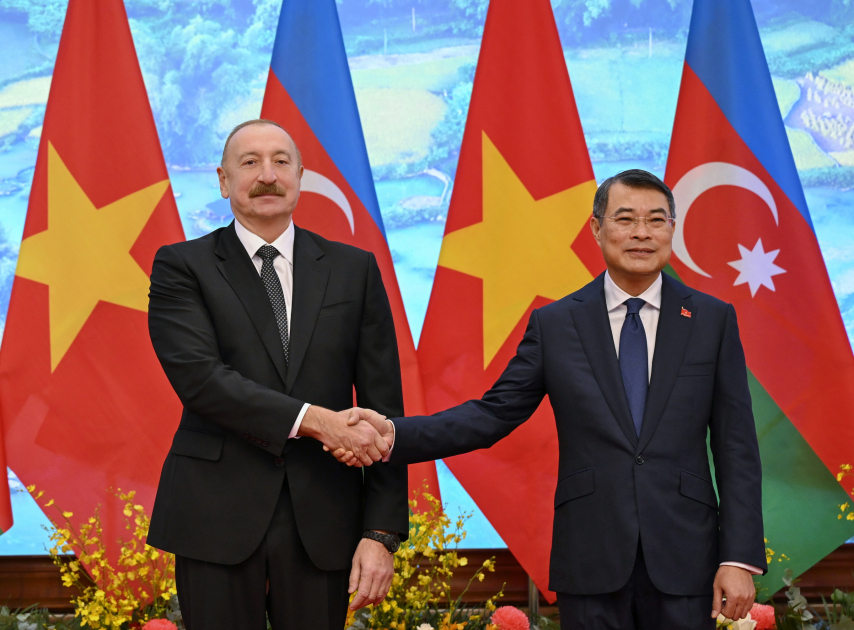
President Ilham Aliyev's official visit to Vietnam is an important stage in this diplomatic course. The approximately 70-year history of Azerbaijan-Vietnam relations provides a solid foundation for the development of modern strategic partnership between the two countries.
Ho Chi Minh's visit to Baku in 1959 and the visit of a delegation led by Heydar Aliyev to Vietnam in 1983 laid the historical foundations of bilateral relations.
The adoption of the Joint Statement on Strategic Partnership during the visit of To Lam, General Secretary of the Central Committee of the Communist Party of Vietnam, to Azerbaijan in May 2025 marked the beginning of a new stage in relations.
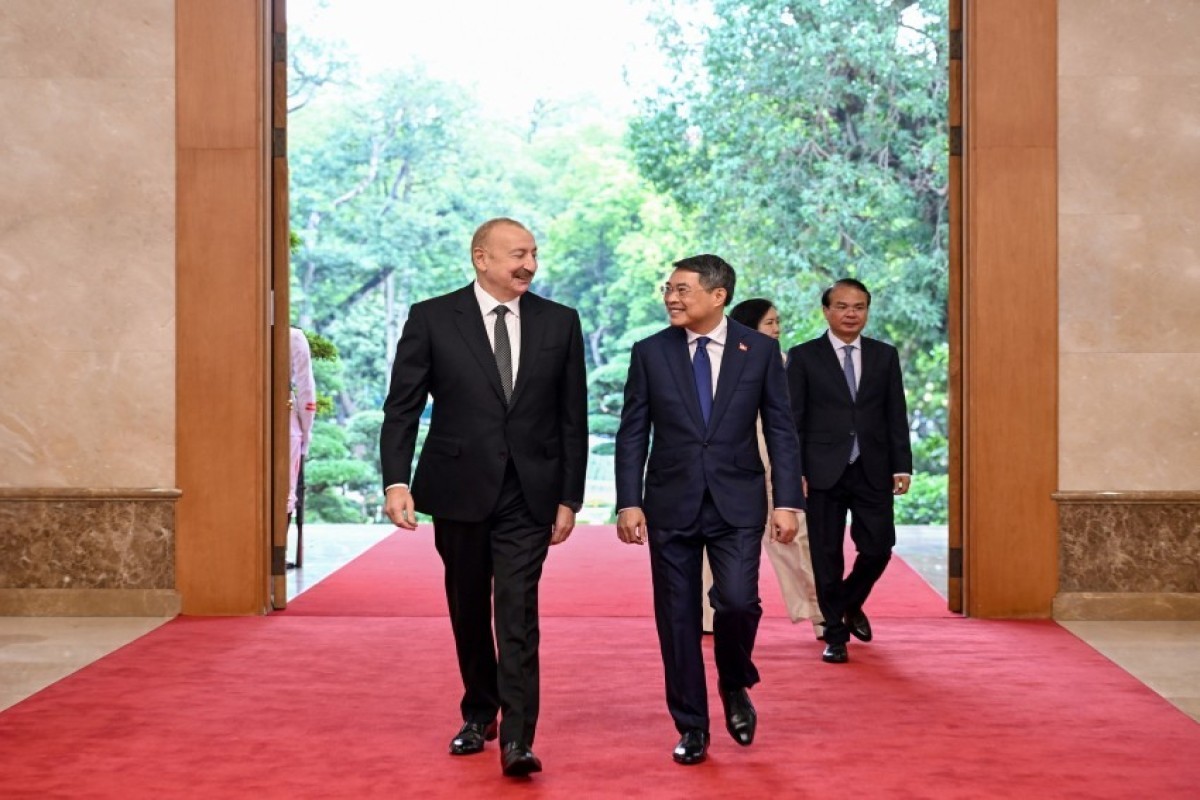
President Ilham Aliyev's visit to Hanoi is important in terms of reinforcing these political agreements through concrete economic, investment, and transport projects.
In an interview with the Vietnam News Agency on November 19, the head of state referred to the economic potential of the two countries, saying: "Today, Vietnam is a dynamically developing country in Southeast Asia, while Azerbaijan is a major logistics and energy hub in the South Caucasus. By joining forces, we can enter new markets, implement joint projects, and create additional opportunities for business and investment."
Economic indicators also demonstrate the potential for expanding cooperation. Trade turnover between the two countries exceeded $150 million in 2025. In January–September 2026, the volume of transit transportation increased approximately sixfold compared to the same period of the previous year, exceeding 8,000 tons.
Cooperation between SOCAR and PetroVietnam in the energy sector, as well as Vietnam's ROX Group's interest in infrastructure and renewable energy projects in Azerbaijan, expands the economic foundations of relations.
The logistics opportunities offered by Azerbaijan through the Middle Corridor and the North-South transport corridor could create new alternatives for Vietnamese companies to access Eurasian markets.
Azerbaijan's strategic role in Eurasia is strengthening

Thus, President Ilham Aliyev's visit to Vietnam can be regarded not as an isolated diplomatic event but as part of Azerbaijan's long-term policy toward the East.
The active, independent, and diversified foreign policy course outlined by the head of state at the 8th Congress of the New Azerbaijan Party is reflected in the development of a comprehensive strategic partnership with China, the deepening of integration with Central Asia, and the expansion of relations with ASEAN countries.
The growth of Azerbaijan's geoeconomic role in Eurasia is also closely linked to the increasing strategic importance of the Middle Corridor.
At the same time, the record increase in transit freight transportation through Azerbaijan demonstrates the country's expanding participation in international transport routes.
The diplomatic trajectory stretching from Beijing to Central Asia and from there to Phnom Penh, Vientiane, and Hanoi expands the geographical scope of Azerbaijan's international partnerships. The main strategic significance of this policy lies in strengthening the country's position as one of the important centers of political, economic, transport, and logistics connections between Asia and Europe.



 Follow us on Telegram
 t.me/apanewsaz
 Follow us on Instagram
 Follow us on TikTok
 Follow us on Facebook
 Follow us on X
 ANALYSIS'>