President Barack Obama warned over the weekend that the U.S. economy remains under strain, while his top economic adviser moved to temper hopes for a speedy recovery, keeping fears about the global economy alive.
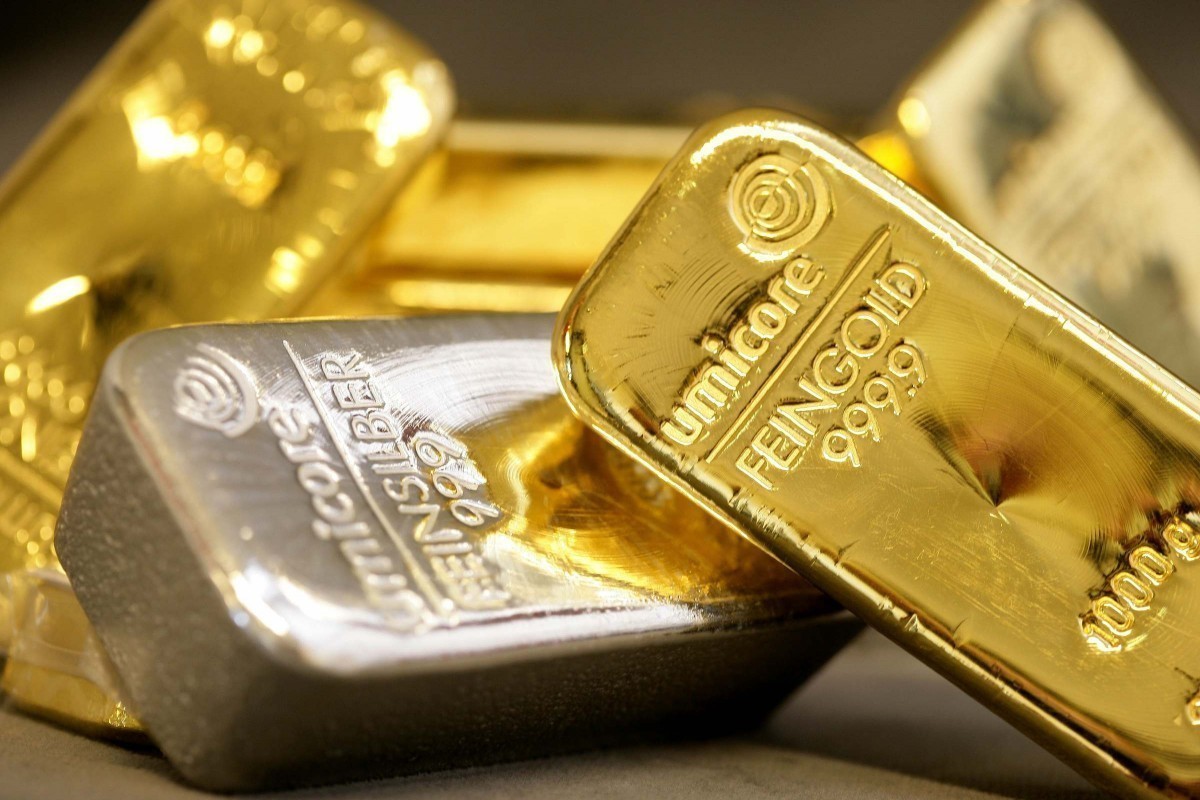
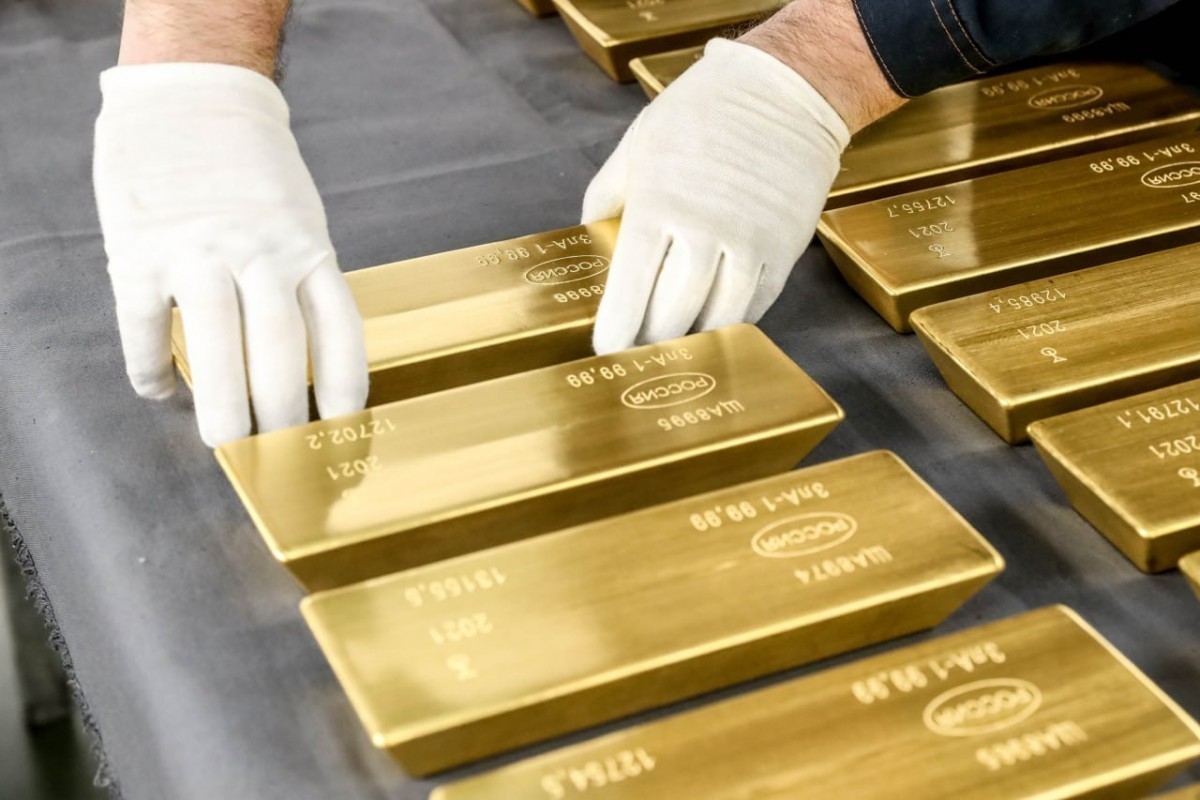
But the downside risk for gold is clear from falling investor demand, with holdings in the world’s largest gold-backed exchange-traded fund down by the most in 6-½ months on Friday, and the metal marking its fourth straight week of declines.
Spot gold
"The decline in gold prices is a reflection of the fact that at present, safe-haven demand for gold (has) abated," said David Moore, commodities strategist of Commonwealth Bank.
"In a number of markets, sentiment has become more optimistic about the global economic outlook, especially for China," he said.
Moore warned though that the international economic situation is "sufficiently troubled" that safe-haven buying of gold could return.
Investment demand had buoyed gold to above $1,000 an ounce in late February, but bullion has since lost nearly 14 percent.
The holdings of the world’s largest gold-backed exchange-traded fund, the SPDR Gold Trust GLD, fell for a second day on Friday, recording its largest two-day drop since early September, as easing economic concerns sapped demand.
[GOL/SPDR]
"It’s too early to say if real investor demand has peaked because I think the drop is due to an outflow of short-term funds, the type of money what entered SPDR when its holdings were rising sharply," said Yuichi Ikemizu, Tokyo branch manager at Standard Bank Plc.
The dollar hit a one-month high against the euro on Monday, with the single currency coming under selling pressure due to uncertainty over policy steps that the European Central Bank may take.
ECB President Trichet signalled the bank’s likely next move, saying it could cut its interest rate but only by an additional 25 basis points.


 Follow us on Telegram
 t.me/apanewsaz
 Follow us on Instagram
 Follow us on TikTok
 Follow us on Facebook
 Follow us on X