








American voters changed the political balance in the congressional elections held in the United States on November 4, APA reports.
According to the preliminary election results, Democrats secured a majority in both chambers of Congress. Executive power remained in the hands of Republicans, while legislative power came under Democratic control. Such situations occur quite frequently in US history.
The main explanation for the results of these elections is voters' dissatisfaction with the economic situation. Polls show that approximately 9 out of 10 voters cited the cost of living as an important factor in their voting decisions. The war with Iran and high fuel prices also had a significant impact on the election results. In September alone, gasoline prices in the United States increased by 9.1%. Although US GDP has grown over the past two years, it has not been possible to slow inflation. As a result, voters have not fully felt the benefits of this economic growth in their daily lives.
It would not be correct to interpret the Democrats' victory as voters' support for their entire political program. This result also reflects a demand for further improvements in the existing governance system and the establishment of stronger oversight.
Interestingly, in 20 of the 22 midterm elections held in the United States between 1938 and 2022, the president's party lost seats in Congress (the House of Representatives). This trend has been characteristic of both Democratic and Republican presidents. In general, since congressional elections are held two years after presidential elections, they are always considered the most difficult test for the president's party.
The main message of this year's US elections is that people's daily well-being is one of the key factors determining political outcomes. Voters assessed the impact of prices, conflicts, and uncertainty on their lives.
Expected changes in US domestic and foreign policy
The new Congress will begin its work on January 3, 2027. What could change in US domestic and foreign policy following these elections?
In domestic policy:
- The adoption of legislative decisions, particularly in the areas of the budget and taxation, may become more difficult and take longer;
- Congressional oversight of the administration will strengthen, meaning that its activities may play a greater political role;
- Presidential appointments may become subjects of more extensive debate.
All of this could have two possible economic consequences. If a compromise is reached, policies will become more predictable. However, if confrontation prevails, economic uncertainty may increase and economic growth may weaken.
At the same time, it should be taken into account that the US president will retain significant powers in the executive branch and foreign policy. However, difficulties may arise in implementing initiatives that require legislation and funding.
In foreign policy:
It would not be correct to automatically interpret the outcome as either "more peace" or "more confrontation." Two scenarios are possible:
- Taking voters' dissatisfaction into account, the administration seeks to reduce foreign conflicts and economic costs;
- Facing restrictions in domestic politics, the administration shifts its attention to foreign policy and seeks to achieve greater success in that area.
Which scenario will materialize will become clear in the near future. A new political balance is now emerging between the president and Congress in the United States. This could strengthen compromise on some decisions and confrontation on others. Therefore, it is too early to expect immediate fundamental changes in foreign policy.
Azerbaijan builds relations with the United States on the basis of long-term national interests
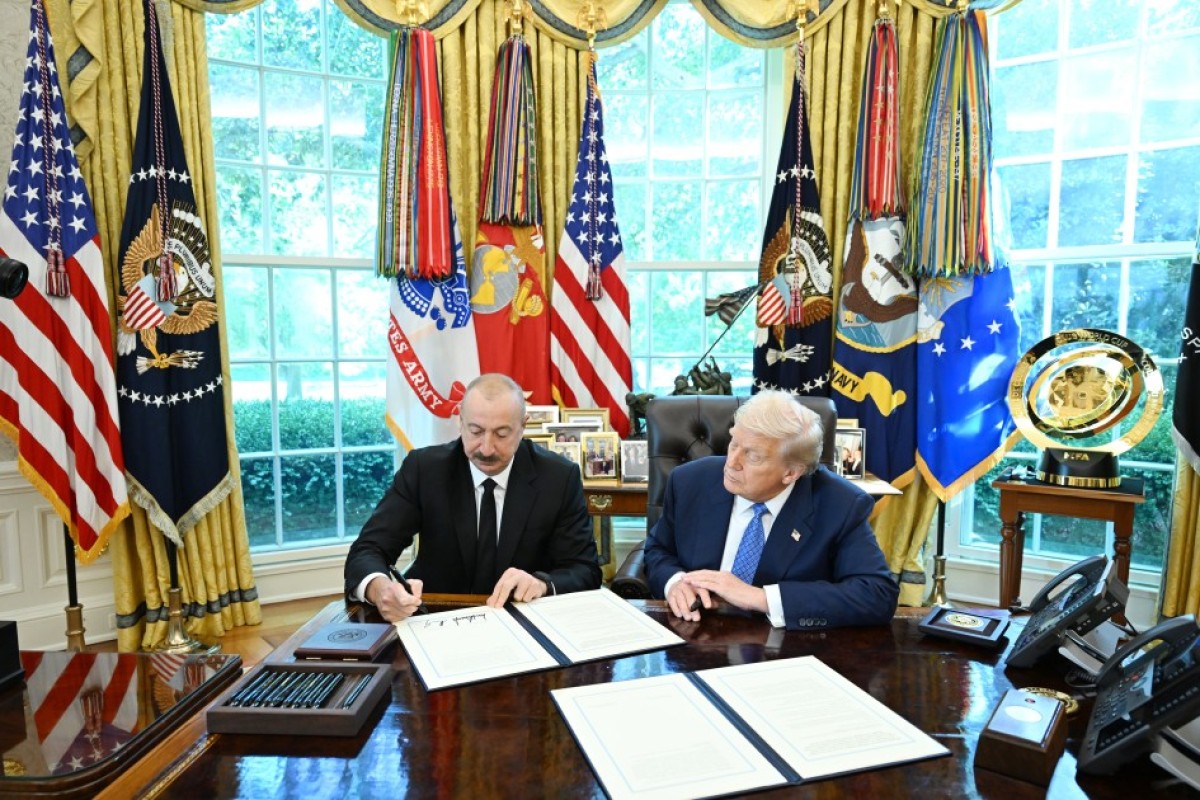
An important fact here is that the Charter on Strategic Partnership between Azerbaijan and the United States was signed on February 10, 2026. The document covers areas such as energy, the Middle Corridor, TRIPP, investment, artificial intelligence, and digital infrastructure. This document creates a solid foundation for the development of relations.

The areas outlined in the document serve the national interests of both countries, regardless of who wins the elections. The main task now is to turn these opportunities into concrete projects and strengthen dialogue with both the administration and Congress based on our national interests.
Azerbaijan builds its relations with the United States on the basis of long-term national interests. The political balance in Washington may change, but Azerbaijan's importance in terms of energy, transportation, and regional security remains and will grow even stronger.

Tahir Mirkishili
Member of the Milli Majlis


 Follow us on Telegram
 t.me/apanewsaz
 Follow us on Instagram
 Follow us on TikTok
 Follow us on Facebook
 Follow us on X