







Exclusive interview with APA by Magda Kopczyńska, Director-General of the European Commission's Directorate-General for Mobility and Transport.
Azerbaijan as a strategic transport partner of the EU
– Azerbaijan is increasingly emerging as an important transport and logistics hub connecting Europe with Central Asia and the wider region. How does the European Union assess Azerbaijan's growing strategic importance in the current geopolitical and economic environment?
– Azerbaijan is one of the European Union's key partners in the region due to its strategic position along the Middle Corridor. During her visit to Baku in July, European Commission President Ursula von der Leyen described the South Caucasus as one of the world's most important strategic hubs, connecting Europe, the Caspian Sea and Central Asia. She also noted that Azerbaijan is well positioned to drive regional cooperation. I fully agree with this assessment in my own areas of responsibility – transport and tourism.Azerbaijan is an integral part of the European Union's Cross-Regional Connectivity Agenda. The main objective of this agenda is to strengthen transport, energy and digital connections between Europe and Central Asia through Türkiye, the Black Sea and the South Caucasus, thereby enhancing resilience, security and efficiency.Thus, transport and the development of the Middle Corridor are among the key areas of common interest between the European Union and Azerbaijan. This is also an area where the strategic objectives of both sides align and their shared ambitions converge.
Development prospects of the Middle Corridor and regional cooperation
– The Middle Corridor has gained significant importance as an alternative trade route between Europe and Asia. What role does the European Union envisage for Azerbaijan in the long-term development of this corridor, and what concrete steps should be taken to make it a competitive alternative to other major transport routes?
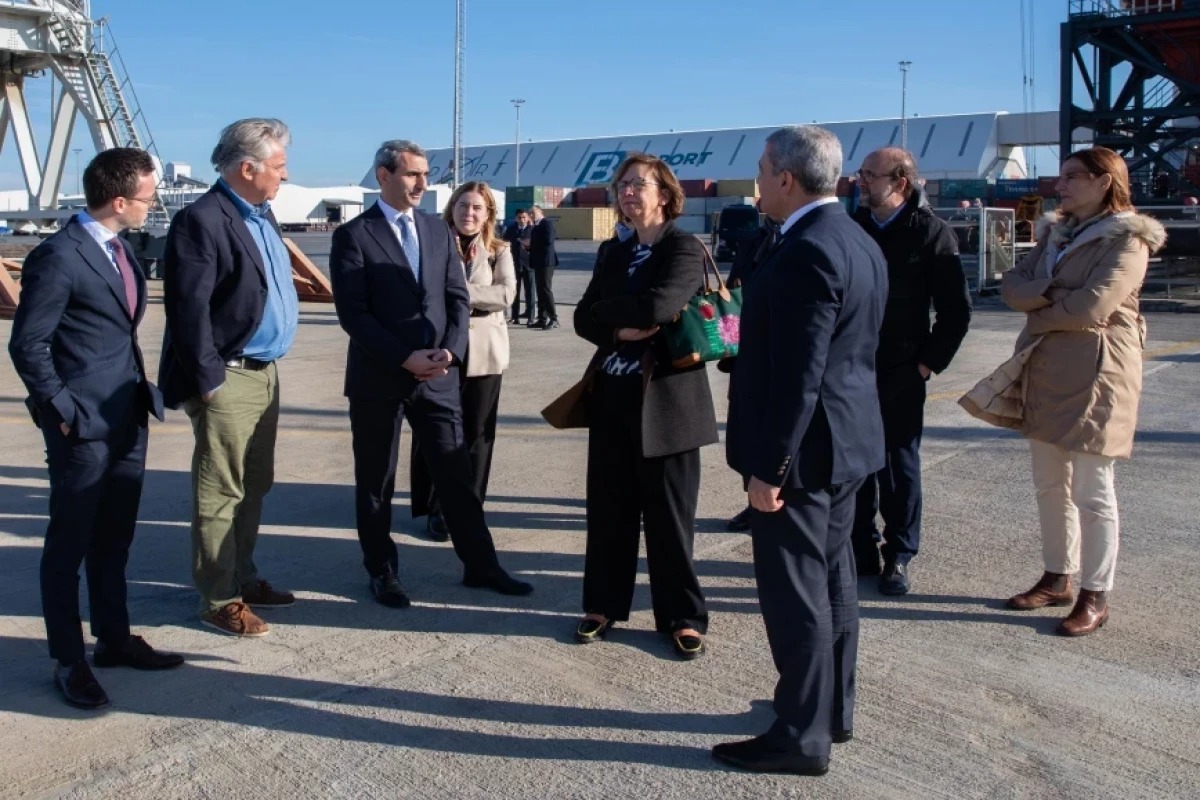
– Against the backdrop of changing geopolitical realities, the Middle Corridor has become not merely an aspiration but a strategic necessity. Azerbaijan is at the heart of this important route connecting Europe and Asia.The success of the Middle Corridor depends on developments in the region itself. In this regard, increasing the cargo throughput capacity of the Port of Baku, establishing efficient railway connections, simplifying border-crossing procedures and introducing digital documentation systems are particularly important.Our common objective is to create a faster, more predictable and more competitive transport corridor for businesses. We have set ambitious targets: by 2030, we aim to triple trade volumes, significantly reduce freight transit times and diversify trade routes. Within this framework, transit times are expected to be reduced to approximately 15 days.
However, the Middle Corridor can only realize its full potential through cooperation among all countries along the route. This is precisely why the European Union has brought together a broad range of partners at several important recent events, from the countries of the South Caucasus and Central Asia to Türkiye and the Black Sea region. The EU highly appreciates Azerbaijan's participation in these important events.
Prospects for the Nakhchivan railway project
– The European Union has repeatedly expressed its readiness to support the development of transport connections in the South Caucasus under the Global Gateway initiative. What specific transport infrastructure projects does the European Commission currently consider priorities in Azerbaijan, and how much financial support can Azerbaijan expect?
– In July, the European Commission announced the Connectivity through Peace package. This package envisages up to €200 million in grants under the Global Gateway initiative for the development of transport, energy and digital connections across the South Caucasus, as well as the mobilization of up to €2 billion in investments.This is part of a broader effort. Under the Global Gateway strategy, the EU aims to mobilize up to €12 billion in public and private sector investments across the region. This will build on the work already underway.As an example of a specific project, I can mention that the EU is currently cooperating with Azerbaijan on the development of the Nakhchivan railway project, and a feasibility study is being conducted for this project. This railway is a project of strategic importance for the region and one of the key priorities of our partnership. The study is currently underway and progressing well. I look forward to its results. We expect them to be announced in the coming months.
The project could help unlock Nakhchivan's economic potential, strengthen the resilience of the Middle Corridor and further integrate the South Caucasus into both Central Asian and European markets.We are ready to cooperate with Azerbaijan on other priority transport projects that could contribute to the development of the Middle Corridor, including the expansion of the Port of Baku.Our main reference framework in this regard is the extended Trans-European Transport Network in Azerbaijan. This network ensures that Azerbaijan's major transport routes are seamlessly and efficiently connected both within the region and with the European Union's transport network, as well as developed according to common standards.
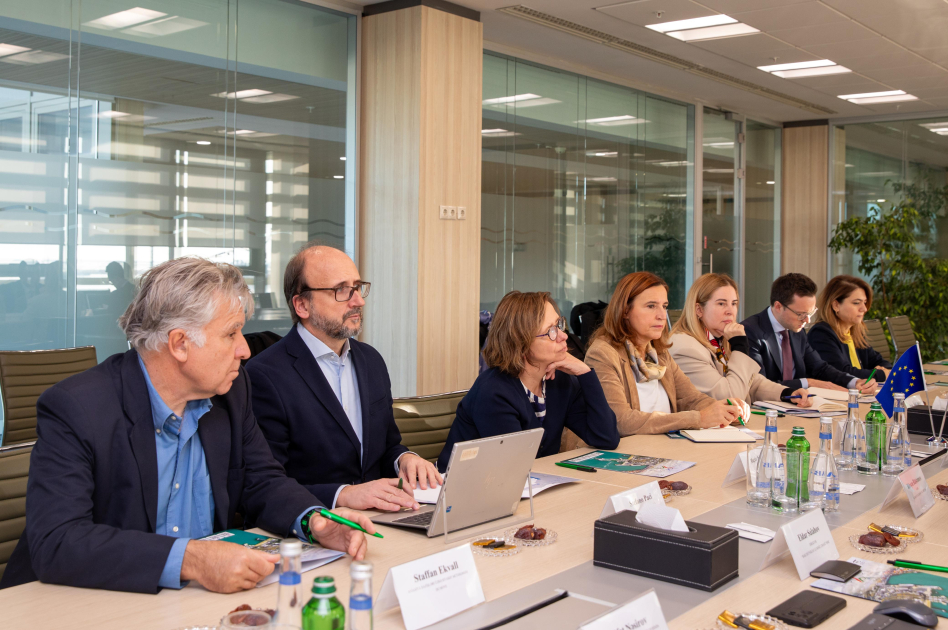
Digitalization and removal of transit barriers along the Middle Corridor
– Beyond infrastructure construction, what steps is the European Union taking to address the main barriers along the Middle Corridor, including improving border-crossing procedures, customs clearance, digitalization and coordination among different transport operators?
– Overcoming existing barriers requires progress in both physical infrastructure development and non-infrastructure measures. Infrastructure development alone will not make the corridor competitive.The movement of goods across multiple borders and different modes of transport still depends on paper documents and fragmented procedures. This leads to lengthy delays, increased costs and reduced predictability for freight operators.I am therefore pleased that several non-infrastructure connectivity measures have already been developed, and we are ready to support our partners in the region.For example, in the European Union, the relevant authorities of all member states will soon be required to accept freight information submitted electronically through certified platforms. This is one of the areas in which we can support Azerbaijan and jointly explore how interoperability can best be ensured.
Regional transport connections and lasting peace
– The South Caucasus is entering a new phase in terms of regional connectivity and economic cooperation. To what extent does the European Commission consider the development of transport links between Azerbaijan and Armenia an important opportunity to strengthen regional stability and create new trade routes between Europe and Asia?
– The EU supports the diversification of trade and transport routes through an inclusive approach that brings together all countries of the South Caucasus. This is the approach we follow both within the European Union through the Trans-European Transport Network and in all our connectivity initiatives around the world.
The agreement initialed in Washington in August 2025 opens up real opportunities for the development of transport connections in the region.Transport connectivity can both enable lasting peace in the South Caucasus and help consolidate it. These connections transform geographical proximity into economic opportunities and create a shared interest in cooperation among countries.This also paves the way for establishing new transport connections that will enable the diversification of links along the Middle Corridor through the South Caucasus.In turn, this will make trade between Europe and Asia more resilient, reduce dependence on a single route and bring us closer to our objective of connecting Europe and Central Asia in 15 days or less.The EU stands ready to support the development of these transport connections through investments and common standards, by extending the Trans-European Transport Network in the region and through the Cross-Regional Connectivity Agenda.The objective is to ensure that these connections serve the interests of the entire region. We also promote this approach through the Peace through Connectivity package, which supports specific transport and connectivity projects in the region.
Negotiations on an aviation agreement between Azerbaijan and the EU
– Negotiations on the Common Aviation Area Agreement between the European Union and Azerbaijan have been one of the important areas of bilateral transport cooperation. What stage have these negotiations reached, and when can Azerbaijani passengers and airlines expect to experience the tangible benefits of such an agreement?
– This was, of course, one of the main topics on the agenda of our meeting with Minister Rashad Nabiyev this week.At this stage, all I can say is that we are making progress, but negotiations are still ongoing. For our part, we are confident that this agreement will make an important contribution to the development of air transport connections between the EU and Azerbaijan and strengthen much-needed transport connectivity.
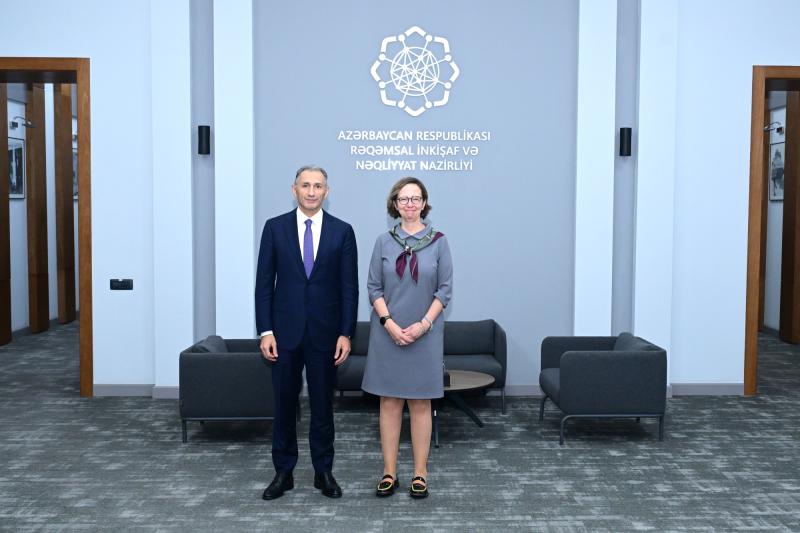
Outcomes of the EU–Azerbaijan transport dialogue and new areas of cooperation
– What concrete outcomes do you expect from the EU–Azerbaijan High-Level Transport Dialogue in Baku? Are any new agreements, project announcements or specific investment commitments expected?
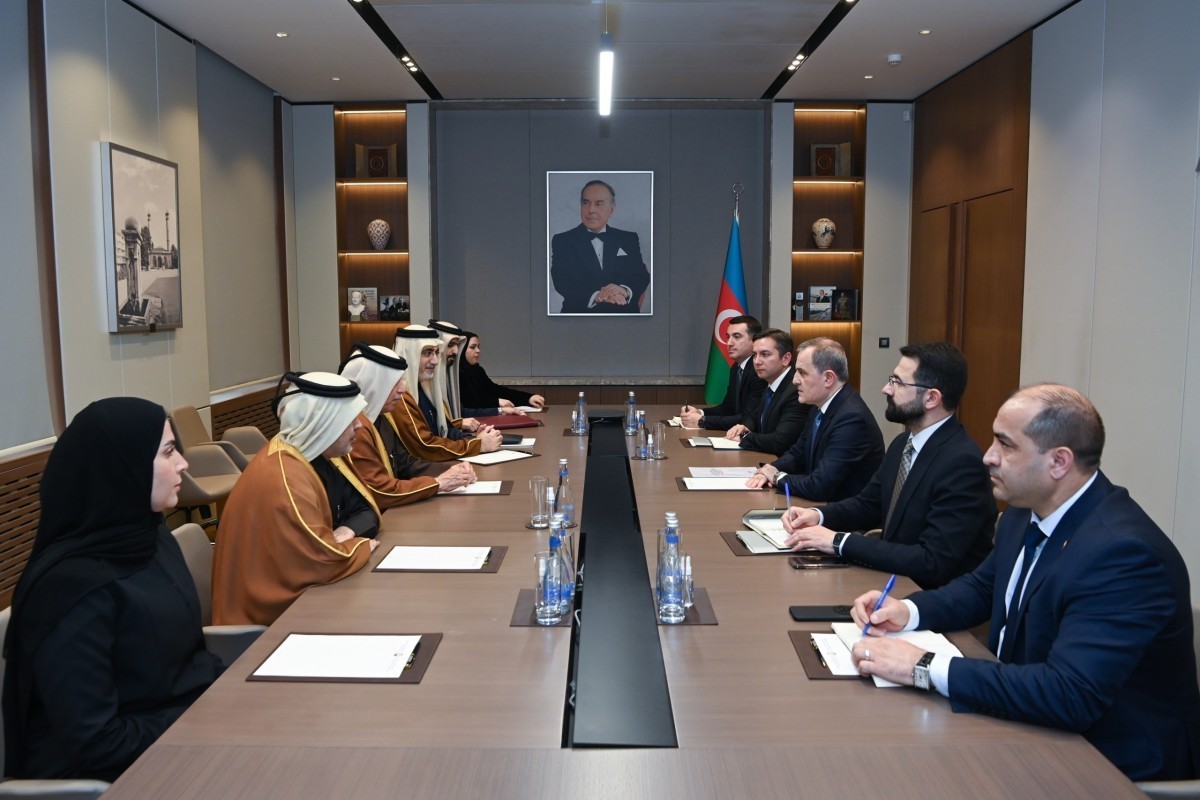
– First of all, I would like to say that it is a great pleasure for me to be in Baku for our third Transport Dialogue. I am very pleased to see the place where Azerbaijan's ambitions to become a transport hub are becoming a reality.Since our meeting with Minister Rashad Nabiyev and his team in Brussels last year, our cooperation has intensified considerably.This week's dialogue provided a good opportunity to assess the progress achieved and reaffirm our joint commitment.The key areas where our common interests have been clearly identified for continued and expanded cooperation are particularly regional connectivity, digitalization and aviation.In particular, we focused on the progress made on priority infrastructure projects along the Middle Corridor, including the Port of Baku and the Nakhchivan railway.We also agreed to explore possible updates and amendments to the extended Trans-European Transport Network in Azerbaijan to take into account recent developments in the region.Our common objective here is to create a more efficient, resilient and environmentally sustainable Middle Corridor.
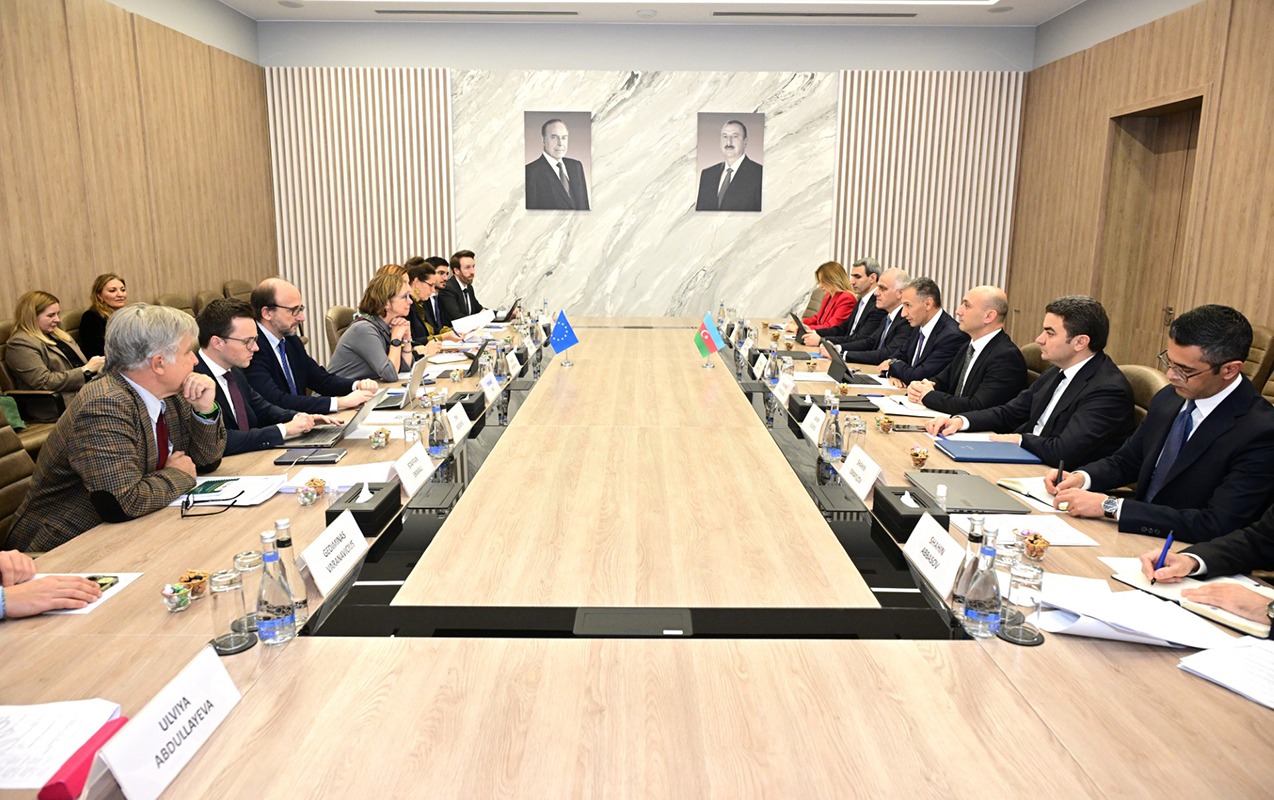
In the aviation sector, during the dialogue, we discussed the current state of negotiations on the EU–Azerbaijan Common Aviation Area Agreement and the next steps needed to finalize the agreement.Our teams will now hold further technical-level discussions on this issue.Finally, we agreed to explore opportunities to expand cooperation in other areas, particularly sustainable aviation fuels, the digitalization of transport documents and railway standards.


 Follow us on Telegram
 t.me/apanewsaz
 Follow us on Instagram
 Follow us on TikTok
 Follow us on Facebook
 Follow us on X