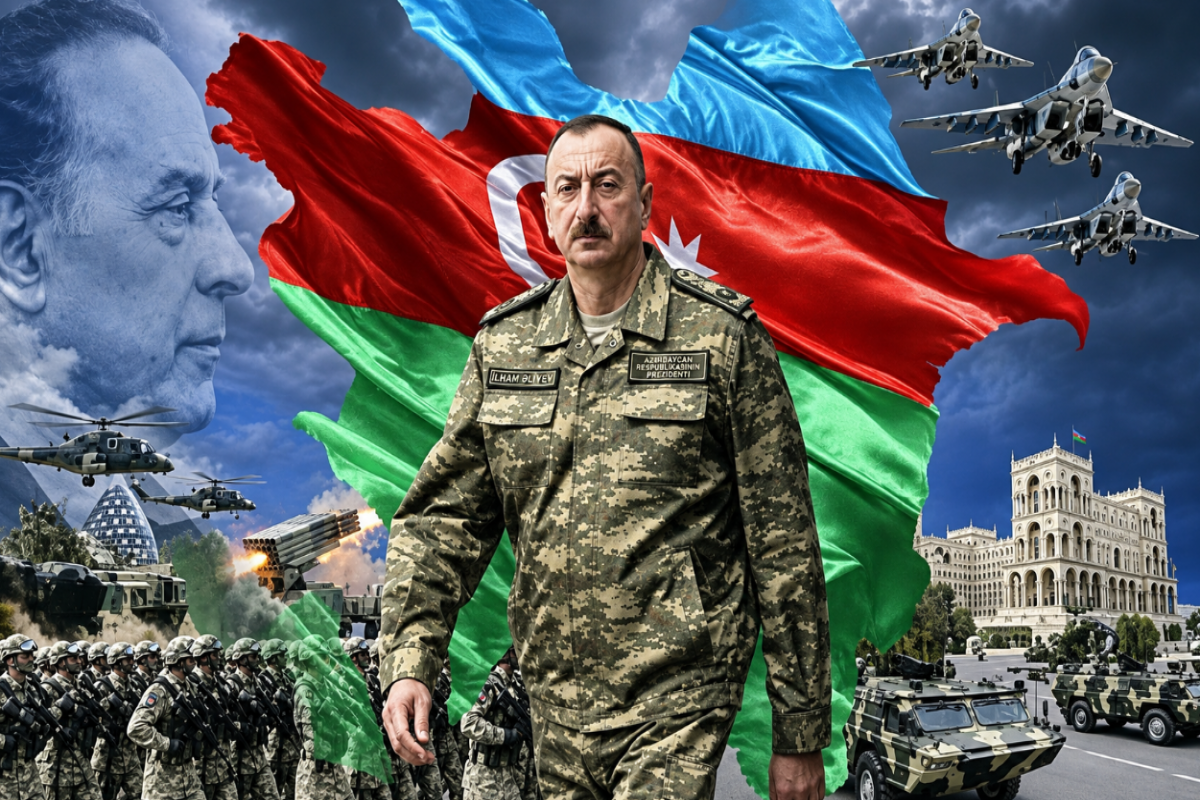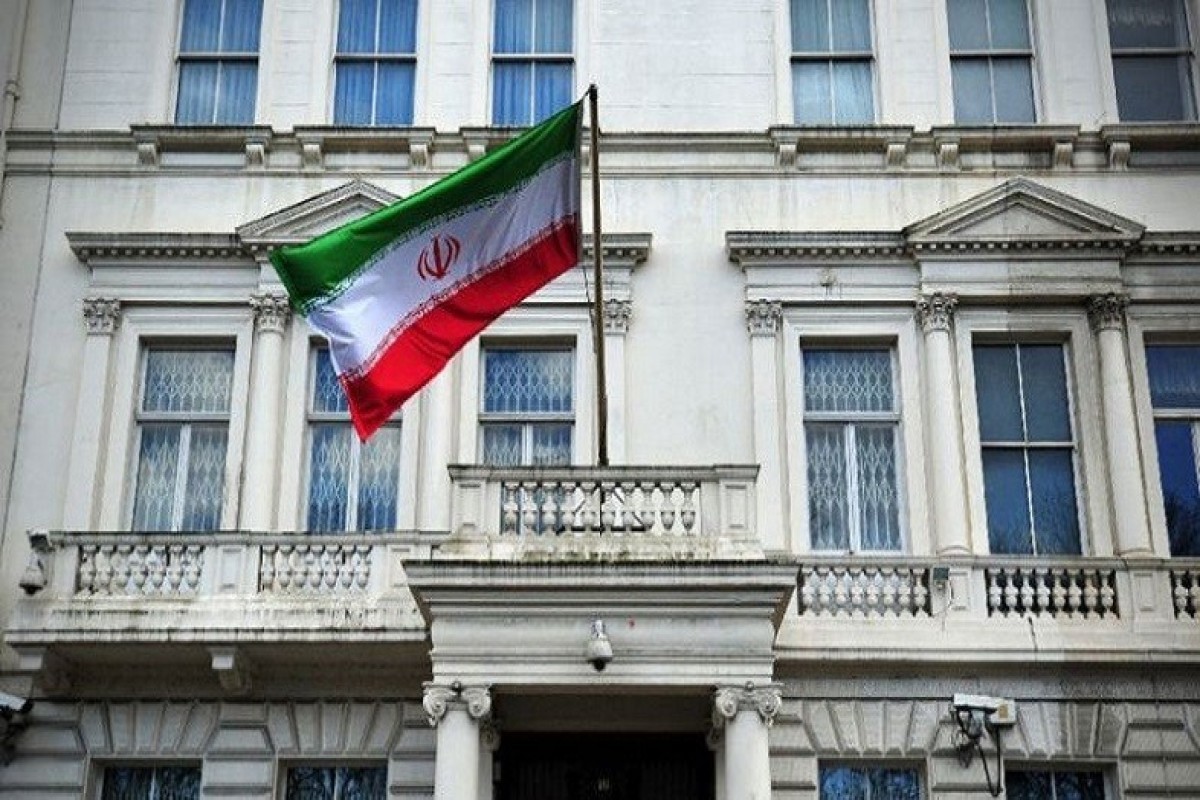






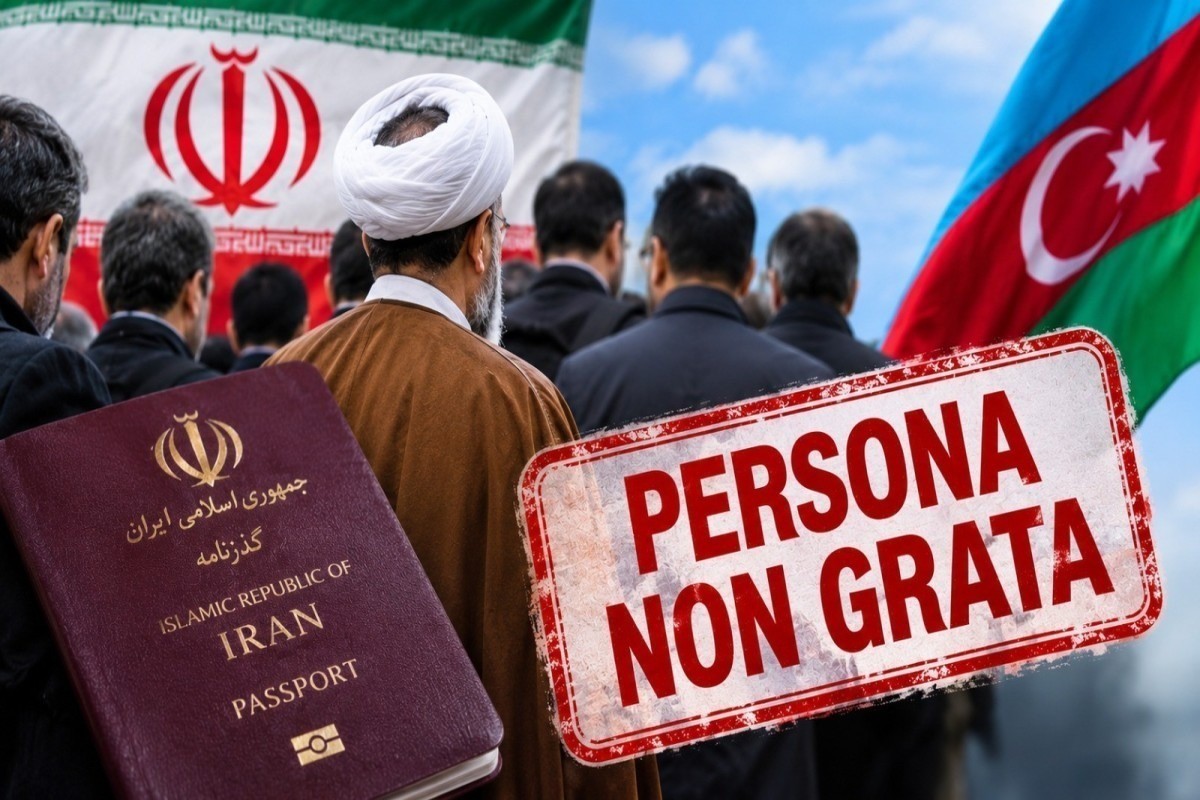


Iran's reaction to the designation of 14 Iranian citizens as persona non grata in Azerbaijan has once again exposed fundamental contradictions in Baku–Tehran relations. The Iranian Foreign Ministry does not consider the decision consistent with friendly relations. However, what stands out in Tehran's objection is its failure to address the substance of Azerbaijan's security concerns.
The Iranian side presents the fact that these individuals do not hold diplomatic status and do not reside in Azerbaijan as its main argument. However, a state's authority to restrict the entry of foreign nationals into its territory is not determined by their diplomatic affiliation. The decisive issue here is what security risks the activities of specific individuals pose.
Political rhetoric or interference with security?
The most controversial aspect of the issue is the equation of political criticism with calls aimed at undermining the internal stability of another state. Criticizing the activities of a government is one thing, while encouraging its overthrow through unconstitutional means is entirely another.
In particular, the persistent harsh rhetoric of individuals affiliated with state institutions against a neighboring country raises questions about Tehran's political responsibility. Although concrete evidence would be required to claim that all these statements are coordinated from a single center, presenting them as individual initiatives entirely independent of the political environment also appears unconvincing.
Against the backdrop of severe restrictions imposed on political opposition, independent journalism and public protests in Iran, the attitude towards radical calls directed against Azerbaijan attracts particular attention. A system that exercises strict control over political expression domestically but treats aggressive statements directed abroad as ordinary differences of opinion creates a fundamental inconsistency.
Can diplomatic dissatisfaction replace mutual trust?
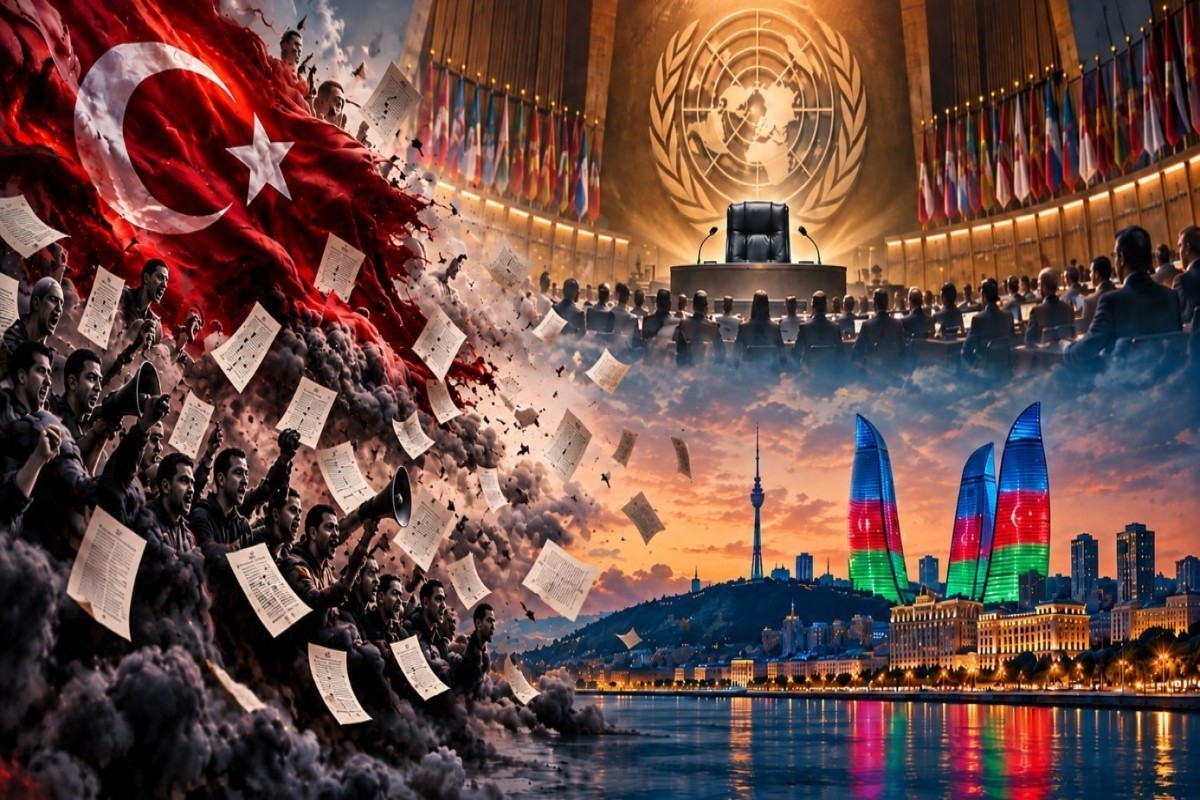
The Iranian Embassy's response to an appeal by Azerbaijani NGOs has also raised questions regarding diplomatic conduct. The inclusion of statements about destroying letters in an official response does not appear consistent with an approach aimed at constructive dialogue. The role of diplomacy is not to deepen disputes but to manage them.
Another contradiction is evident in Tehran's position. While Iran treats its own security interests with sensitivity, it turns Azerbaijan's exercise of the same right into a subject of political dissatisfaction. However, the principle of sovereignty in international relations should have the same meaning for all states.
Relations between Azerbaijan and Iran should be based on the principles of mutual respect and non-interference in internal affairs. These principles should be reflected not only in official statements but also in the attitudes of states towards their neighbors within their own political and information spaces.
Tehran's protest may express a political position regarding Baku's decision, but it does not relegate Azerbaijan's security interests to the background. The main prerequisite for restoring trust in bilateral relations is for Iran to demonstrate a clearer and more responsible position towards radical calls directed against Azerbaijan's sovereignty.


 Follow us on Telegram
 t.me/apanewsaz
 Follow us on Instagram
 Follow us on TikTok
 Follow us on Facebook
 Follow us on X