







On October 26, 55 non-governmental organizations (NGOs) from Azerbaijan addressed an open letter to Iranian President Masoud Pezeshkian. The letter raised the issue of ensuring the right to education in their native language for millions of Azerbaijanis living in Iran. The NGOs called on the Iranian President to take historic steps in this direction and expressed their readiness to support the development of education in the native language and the expansion of scientific, pedagogical, and cultural cooperation.
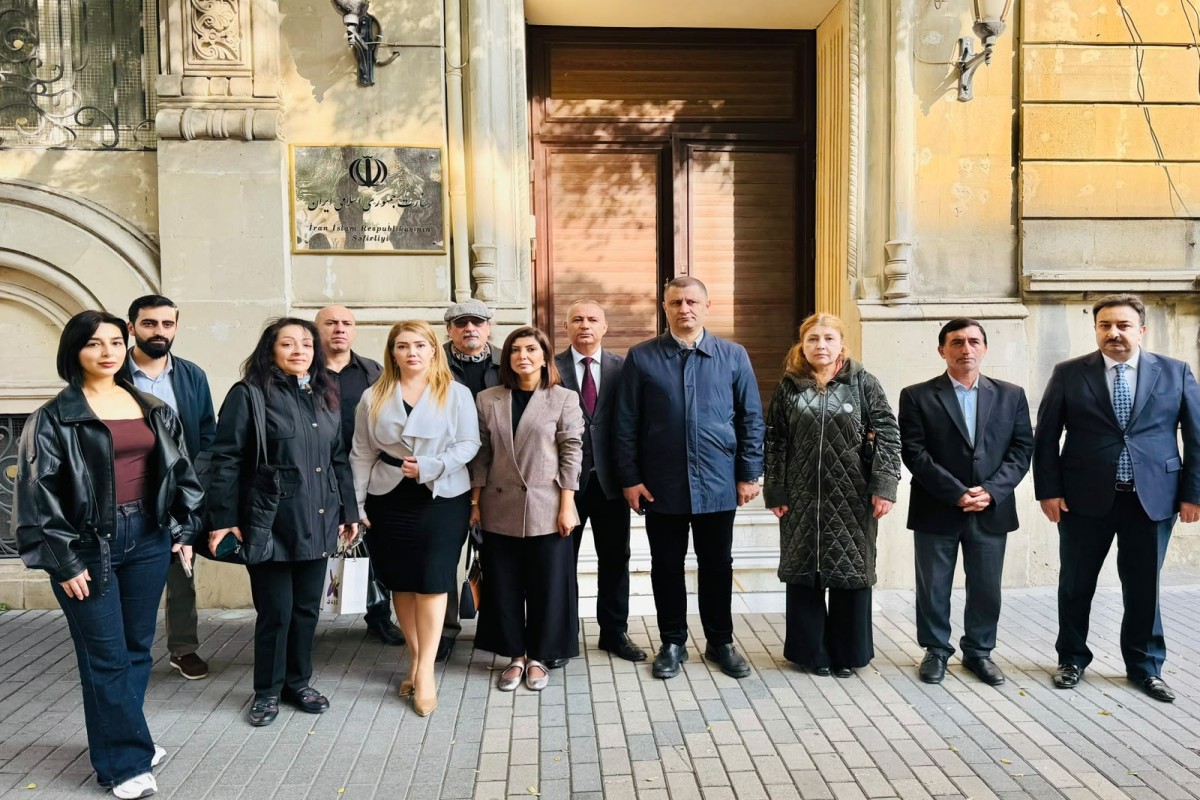
On November 2, a group of NGO representatives visited the Iranian Embassy in Azerbaijan and presented the letter to the embassy.
APA published information about the NGO members' visit to the embassy and the presentation of the letter, including photographs and video footage.
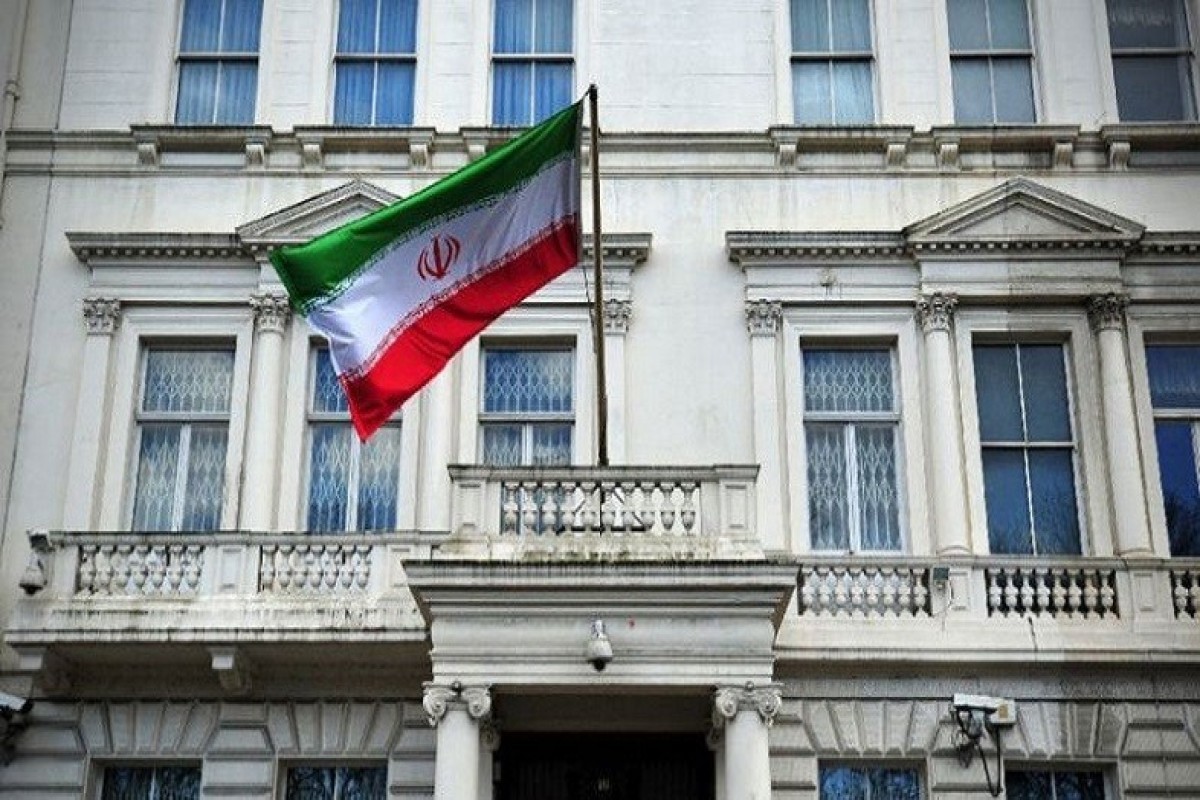
On November 3, the Iranian Embassy sent a letter to APA News Agency stating that the letter from the NGO representatives had not been officially accepted.
The letter sent by the embassy to APA reads:
"The Embassy of the Islamic Republic of Iran in the Republic of Azerbaijan denies that the aforementioned letter was officially accepted.
It should be noted that, in accordance with administrative rules and procedures, letters sent to the Embassy by unknown individuals, outsiders, and unreliable senders are not registered in the Embassy's records, and such letters are destroyed by burning or using a paper shredder."
The embassy also described the NGO members' letter as worthless.
It should be emphasized that the letter which the Iranian Embassy claims was sent by unknown individuals was signed by 55 Azerbaijani NGOs, and the names of those individuals and the NGOs they represent were indicated in the letter.
A group of the signatories personally presented the letter to the Iranian Embassy. In that case, what unknown individuals and unreliable senders could the embassy be referring to? After all, there are photographs and video footage of the NGO representatives presenting the letter to the Iranian Embassy...
The fact that the letter was not officially registered at the embassy does not provide grounds to describe it as anonymous or to deny that it was physically delivered.
Under these circumstances, the embassy's characterization of a letter whose authors and signatories are known as an appeal from unknown individuals raises questions.
It is also noteworthy that, instead of addressing the main content of the document, the embassy used harsh language about its authors.
Speaking to APA on the matter, Zaur Ibrahimli, a member of the Board of the Azerbaijan National NGO Forum and Chairman of the "Prioritet" Center for Social and Economic Research Public Union, who was among the signatories of the letter, described the Iranian Embassy's position as an approach that was far from objective, aimed at evading responsibility and diverting attention from the substance of the letter.

He stated that the Iranian Embassy's portrayal of a letter signed by 55 NGOs and personally delivered to the embassy as an appeal from unknown individuals was an attempt to distort facts, evade diplomatic responsibility, and divert attention from the essence of the issue.
"We note with deep regret that the Iranian Embassy either does not distinguish between an open letter and other forms of appeal or deliberately refuses to make that distinction. When the letter signed by 55 Azerbaijani non-governmental organizations was presented to the embassy, all its pages were physically shown, information was provided about which NGOs had signed it, and its content was also explained verbally. The position currently taken by the Iranian Embassy regarding the acceptance of the letter is, to put it mildly, not objective and contradicts the rules and practices accepted internationally for addressing open letters. Unfortunately, the Iranian Embassy, which has a duty to treat this letter with due attention and deliver it to its intended recipient, has chosen precisely this approach. This is more a way of evading responsibility and is far from an objective assessment. With this response, the Iranian Embassy is actually attempting to steer the discussions in a completely different direction and divert attention from the essence of the issue. The embassy's duty is to treat such appeals with sensitivity and inform the individuals to whom the letter is addressed. The expressions used in the embassy's statement are also unethical and do not comply with generally accepted ethical standards. We regret this."
Vusala Huseynli, Chairwoman of the "Reformist Women and Innovations" Public Union, which was among the signatories and whose representative personally delivered the letter to the Iranian Embassy, also told APA that the Iranian Embassy was deliberately ignoring facts confirming that the letter signed by 55 NGOs had been personally delivered, demonstrating an unprofessional approach and attempting to divert attention from the essence of the issue through provocative statements.

She stated that the Iranian Embassy's attitude toward the letter demonstrates the diplomatic mission's unprofessional approach.
"This is not the first time we have encountered such statements from the Iranian Embassy. I believe that the embassy representatives, including the ambassador, know very well what issue was raised in the letter. However, in their response sent to APA, they are trying to evade the essence of the issue by bringing up the names of the United States and other countries that are partners of Azerbaijan. The embassy representatives could have established the identities of the individuals who presented the appeal and, if necessary, checked their identification documents. Instead, they approached the issue from a different angle. One of the embassy's main responsibilities is to forward received appeals to the relevant authorities in its own country. If the Iranian Embassy is unable to organize this process properly, this can be regarded as an indication of the diplomatic mission's lack of professionalism."
Thus, presenting an appeal whose authors are known as a letter from unknown individuals, as well as failing to address its content, reveals contradictions in the diplomatic mission's position.
The main issue, however, remains unanswered: When and in what form will the Iranian side respond to the issue raised concerning Azerbaijanis' right to education in their native language?
Answering this question is important for returning the discussion to the essence of the matter.


 Follow us on Telegram
 t.me/apanewsaz
 Follow us on Instagram
 Follow us on TikTok
 Follow us on Facebook
 Follow us on X