

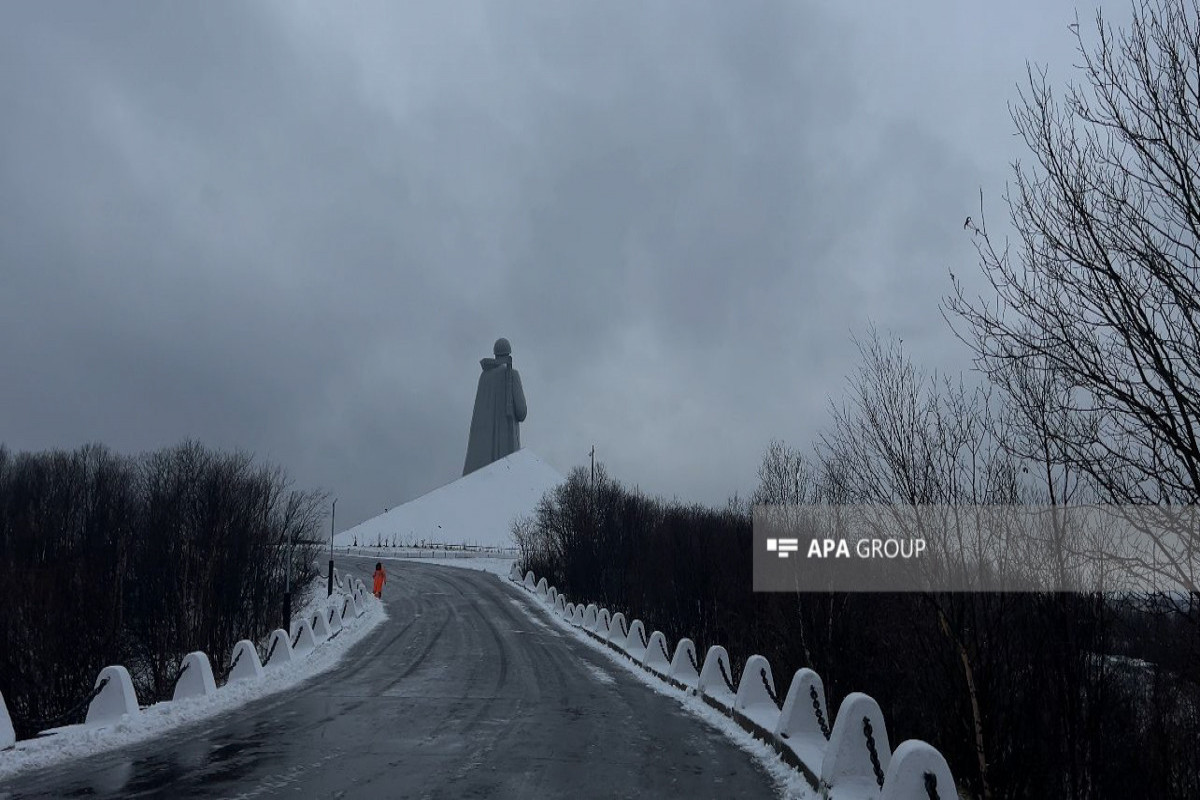


It is also called the capital of the Arctic, the only non-freezing city located above the Arctic Circle. The world's largest base of military ships and submarines carrying nuclear weapons is located in this city. In our northern neighbor Russia’s city of Murmansk… We present the report prepared by APA’s special correspondent for Russia, Farid Akbarov, From Murmansk, a region of Russia that borders two NATO countries and yearns for daylight all winter, where the famous northern lights can be seen.
215 km to Norway, 250 km to Finland…
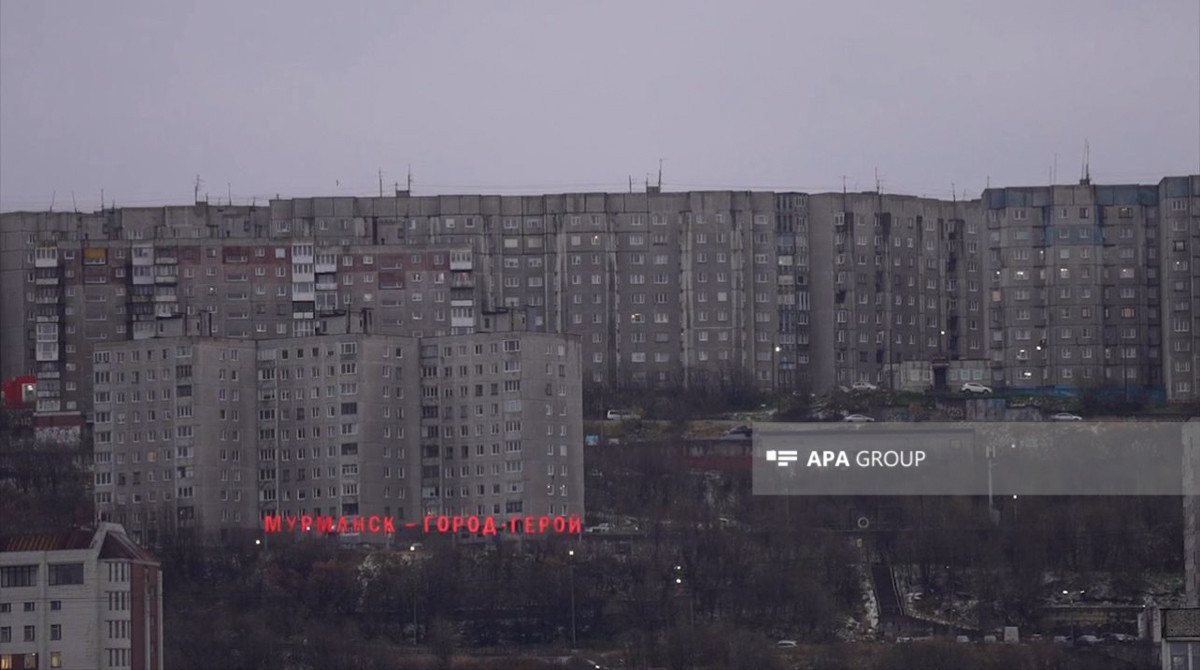
We are in the region of Russia that borders NATO. This is Murmansk — the largest city in the world located above the Arctic Circle. The distance from Murmansk to the border with Norway is 215 kilometers, and the distance to the border with another NATO country, Finland, is 250 kilometers.
Founded during the Russian Empire, in the 16th–17th centuries of the past era, this city was initially called “Romanov na Murmane.” It is stated that the word “Murman” originates from the Scandinavian word “Norman,” meaning “northern man.” Historians also note that Russians used to call Norwegians “murmans.”
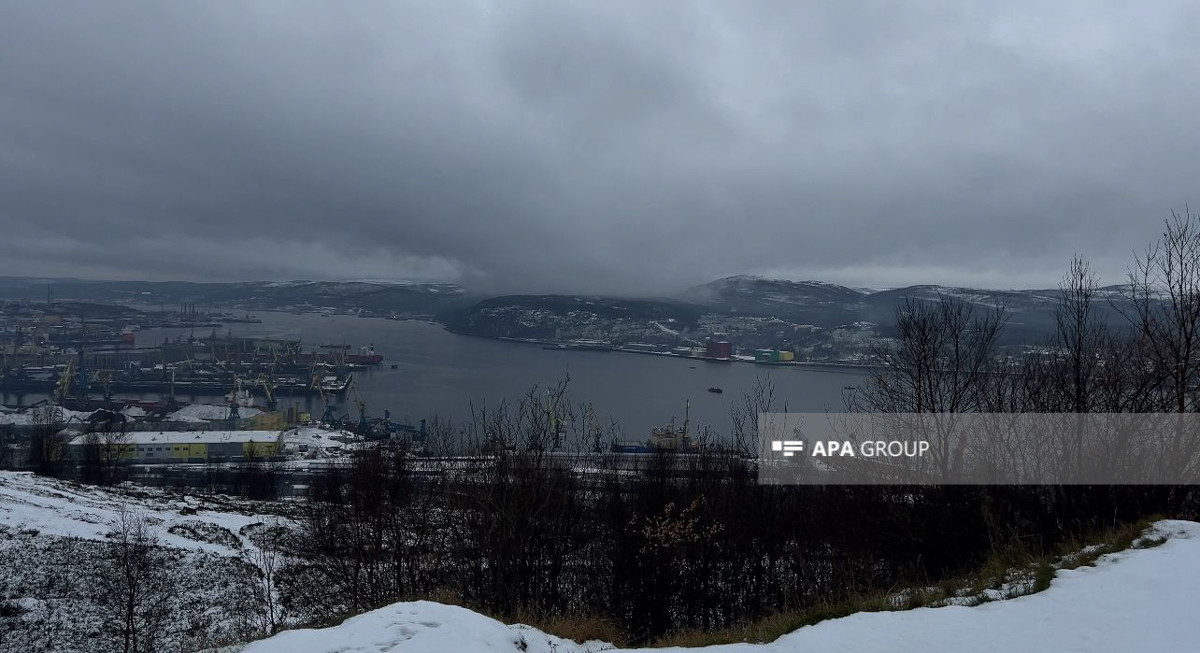
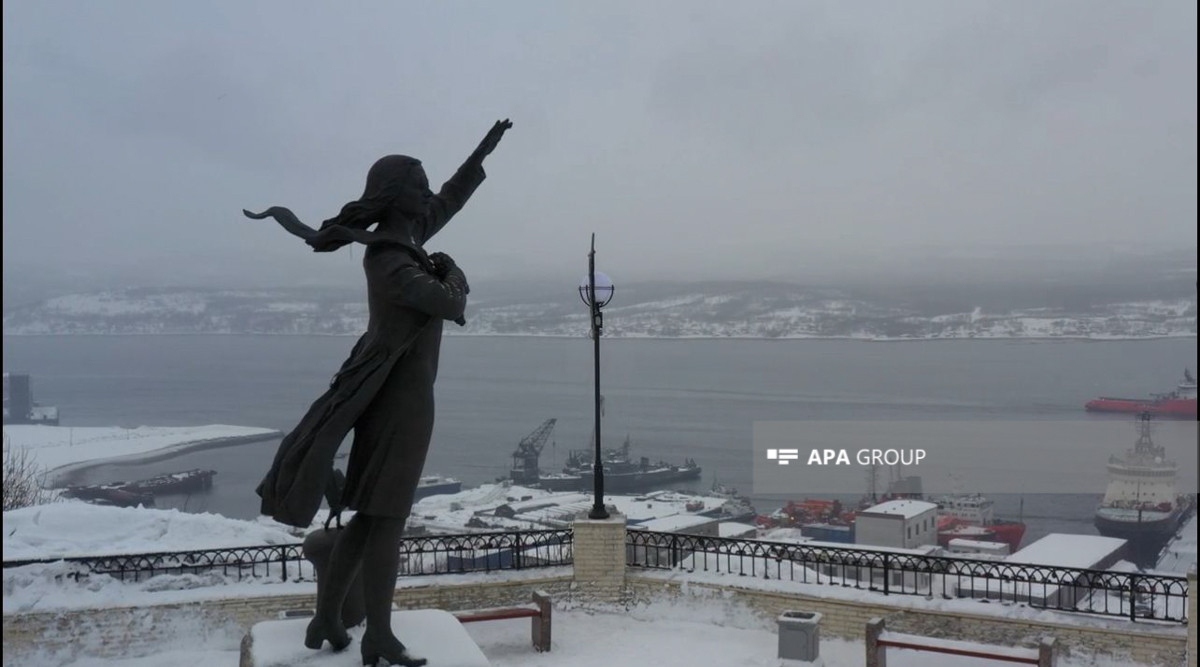
Washed by the waters of the Barents Sea and the Kola Bay, Murmansk is also one of Russia’s largest port cities. Murmansk is considered the only non-freezing port located above the Arctic Circle in Russia’s Arctic region.

People deprived of sunlight throughout the entire winter
Thanks to the warm North Atlantic Current, the Murmansk port does not freeze in winter, and this distinguishes it from other ports in northern and northwestern Russia in that it is suitable for year-round shipping.
Since it is located above the Arctic Circle, in this region two months — from May 22 to July 22 — polar days, and for 40 days — from December 2 to January 11 — polar nights are observed. During the winter months, the residents of Murmansk are almost deprived of sunlight. This causes vitamin D deficiency among the population of the region. Therefore, people often suffer from flu and colds. Since 2024, a governor’s project called “vitaminization” has been implemented in Murmansk to prevent vitamin D deficiency.
_1762513143.jpg)
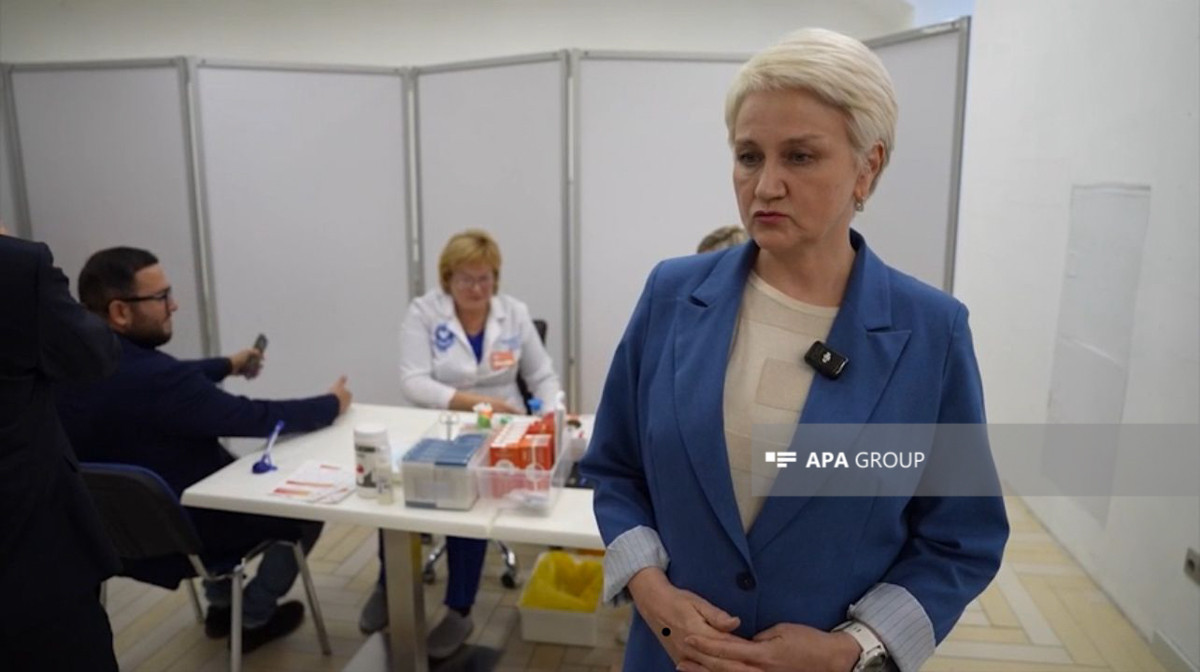
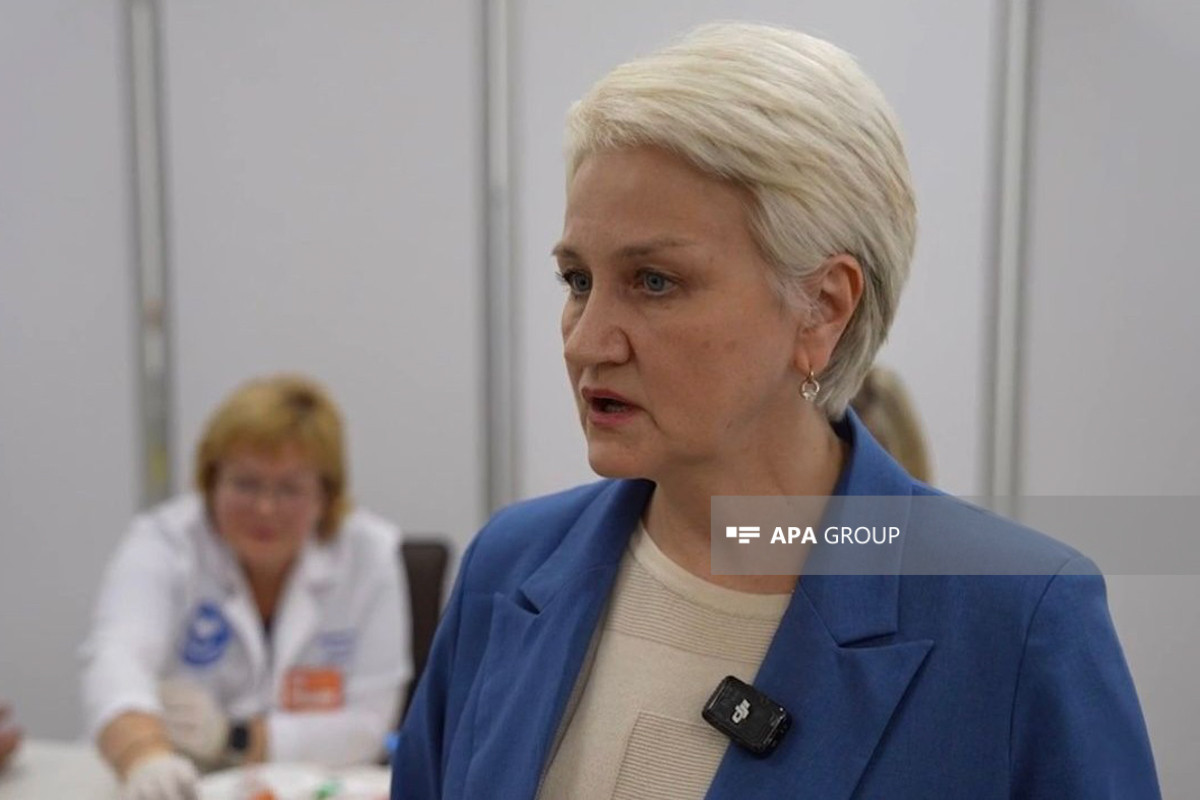
The Deputy Chief Physician of the Murmansk Region Medical Center, Nataliya Petukhova, states that within the framework of the project, the population is being tested for vitamin D deficiency: “Blood samples are taken from people. Depending on the test results, if a vitamin D deficiency is detected, that person is provided with a free vitamin D dietary supplement. There are 23 examination points operating throughout the Murmansk region. Since the start of the project, more than 82,000 people have been examined. It has been revealed that more than 72 percent of those examined were found to have a vitamin D deficiency. Thanks to the vitaminization program, the vitamin D level in 36 percent of people has returned to normal.”

Governor of Murmansk: “Indeed, there are many Azerbaijanis here.”
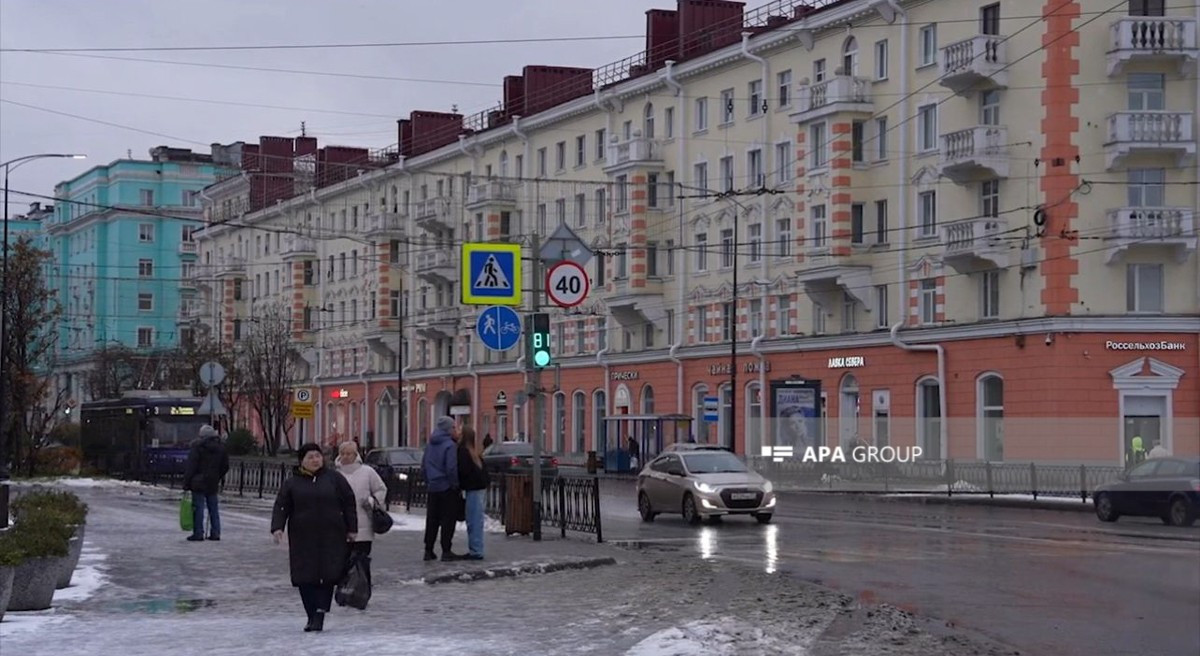
The factor of having few sunny days and the socio-economic difficulties observed after the collapse of the USSR have led to a massive outflow of the population from the region. It has been reported that from 1990 to 2002, the population of Murmansk decreased by up to 150,000 people. According to official statistics, in Murmansk — which currently has a population of about 265,000 — Azerbaijanis rank fourth in terms of population, after Russians, Ukrainians, and Belarusians.

“Indeed, there are many Azerbaijanis here. They have their place in the region’s economy. In addition, the leadership of the Azerbaijani diaspora in Murmansk is very active. We regularly hold meetings and joint events. In general, representatives of all nationalities in our region live and work in peace and mutual understanding,” said the Governor of the Murmansk Region, Andrey Chibis, during a meeting with a group of foreign journalists accredited at the Ministry of Foreign Affairs of Russia in Moscow.
Murmansk is also considered the capital of the Arctic
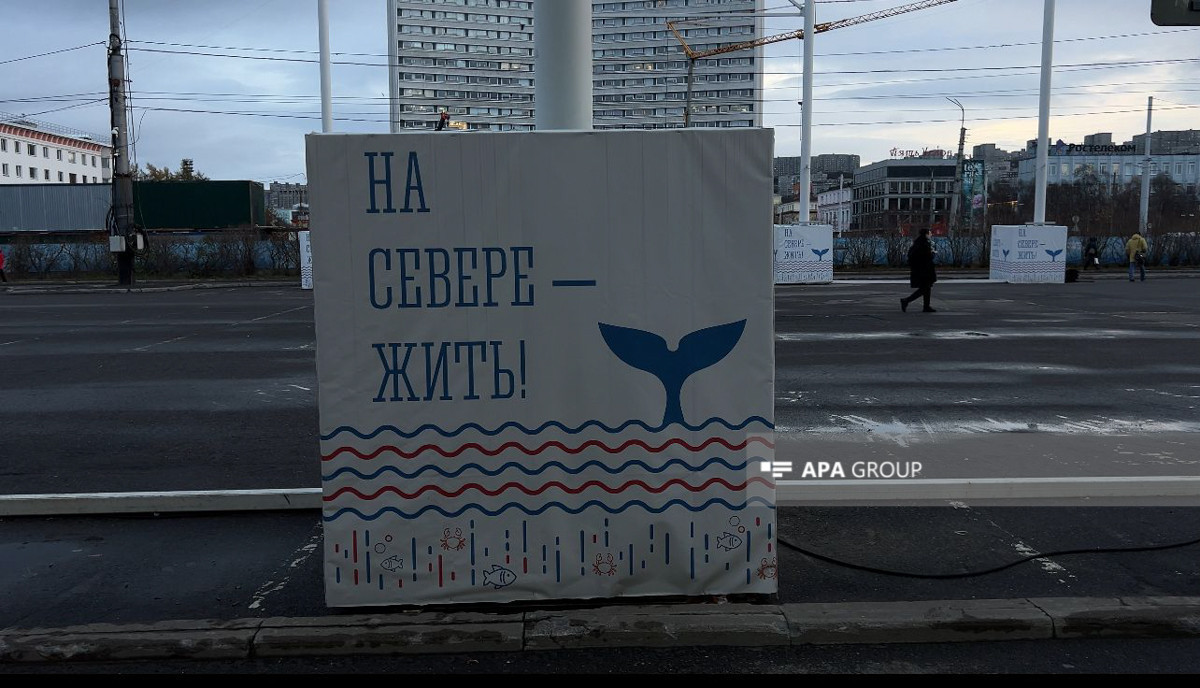
Murmansk’s strategic development plan until 2030 is called “Na severe jit!” – “Live in the North!” When we say the North, of course, the first thing that comes to mind is the Arctic. Murmansk is also considered the capital of the Arctic. What space exploration meant to the world in the 20th century, the exploration of the Arctic means the same today. The importance of the Arctic for the world has increased so much that even the meeting of the presidents of Russia and the United States taking place in the Arctic is significant in this regard.

Governor Chibis states that the Arctic determines the global agenda today: “In this regard, the Murmansk region is a flagship and an important outpost for development in the Arctic. The fact that Murmansk serves as a base port for the Northern Sea Route and the Trans-Arctic Transport Corridor is Russia’s most important competitive advantage in the region.”
The nuclear icebreaker and the Northern Fleet — the symbols of Murmansk
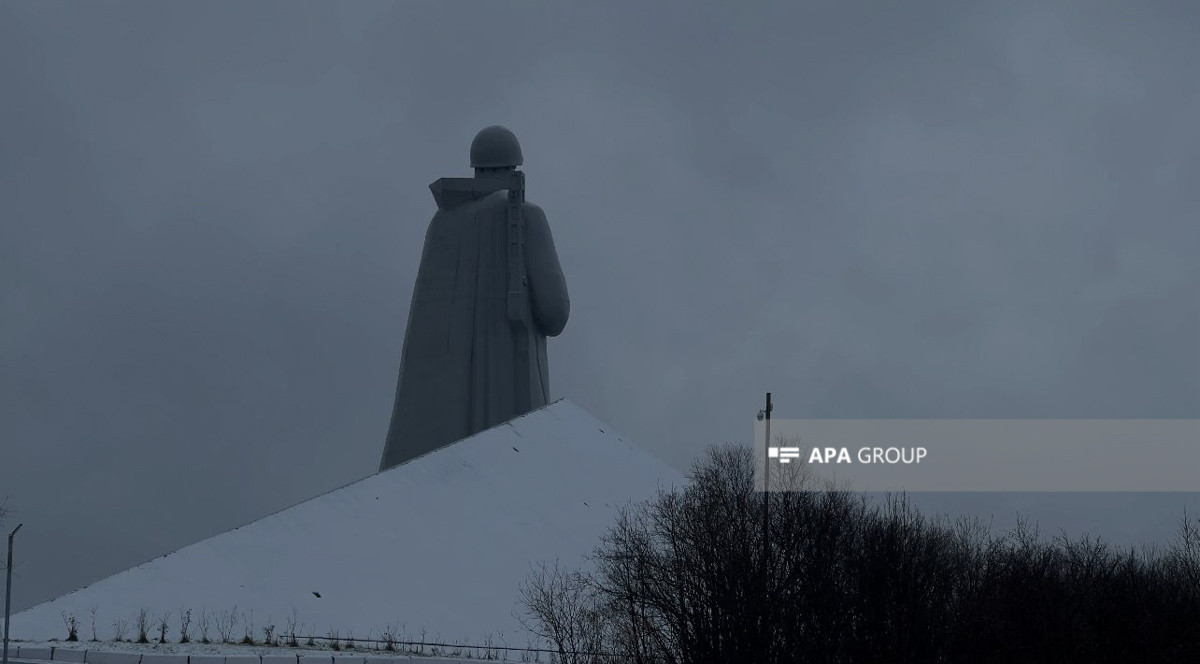
The unique nuclear icebreaker fleet located in the region and the Northern Fleet of the Russian Armed Forces have become symbols of Murmansk.
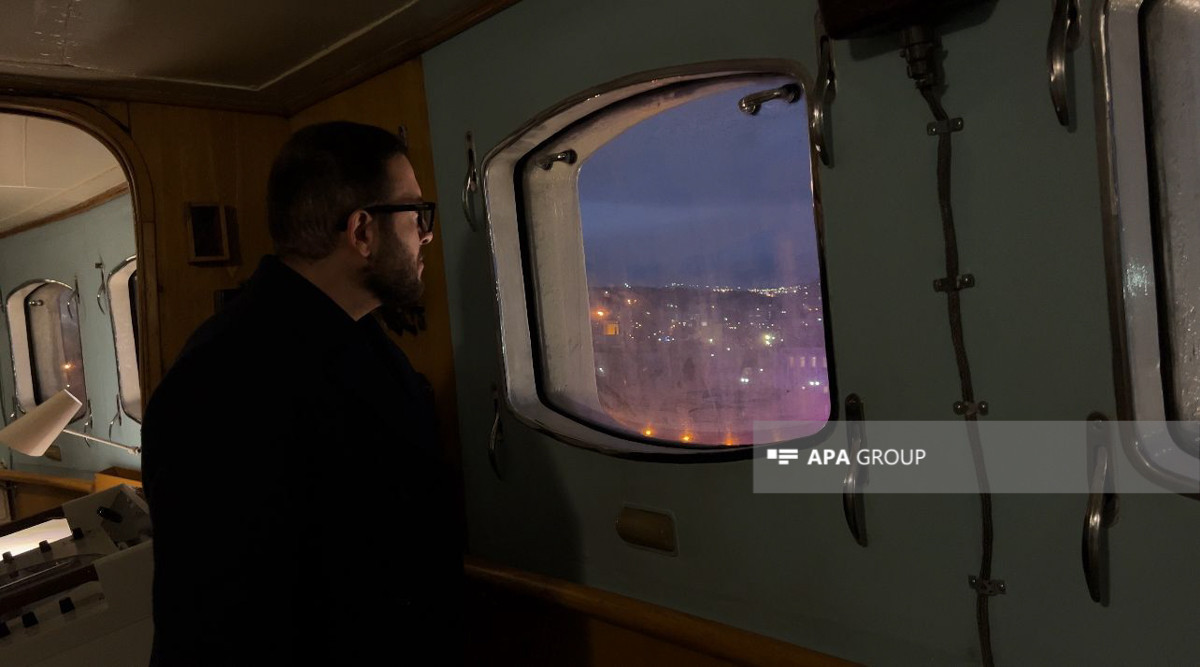
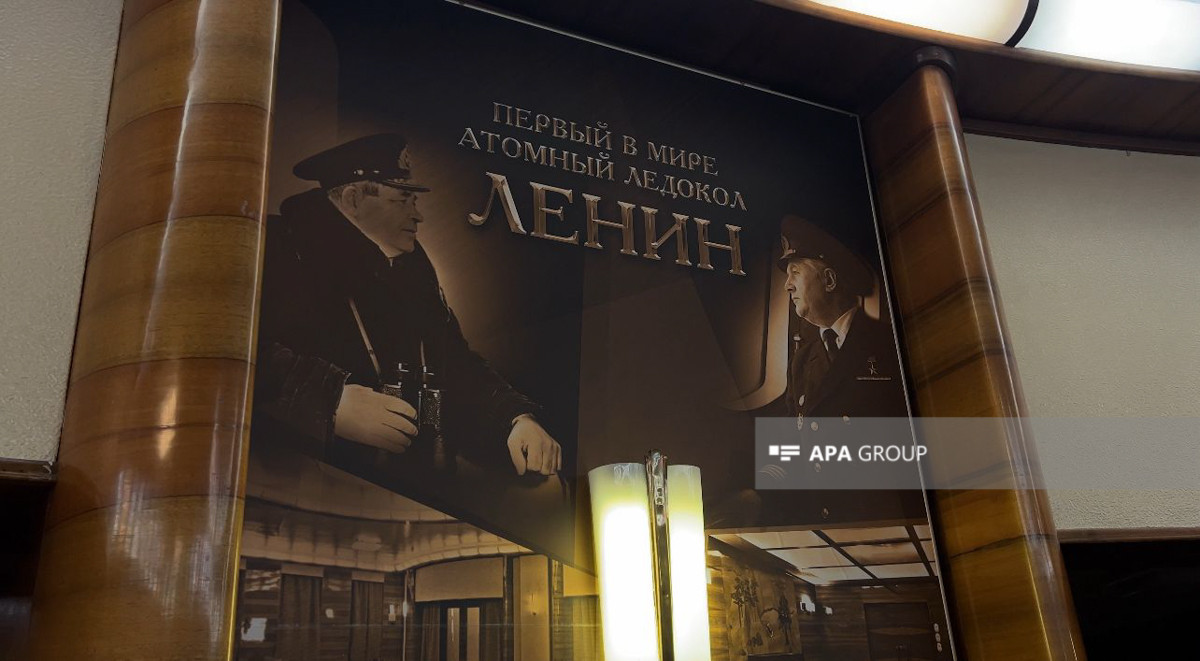
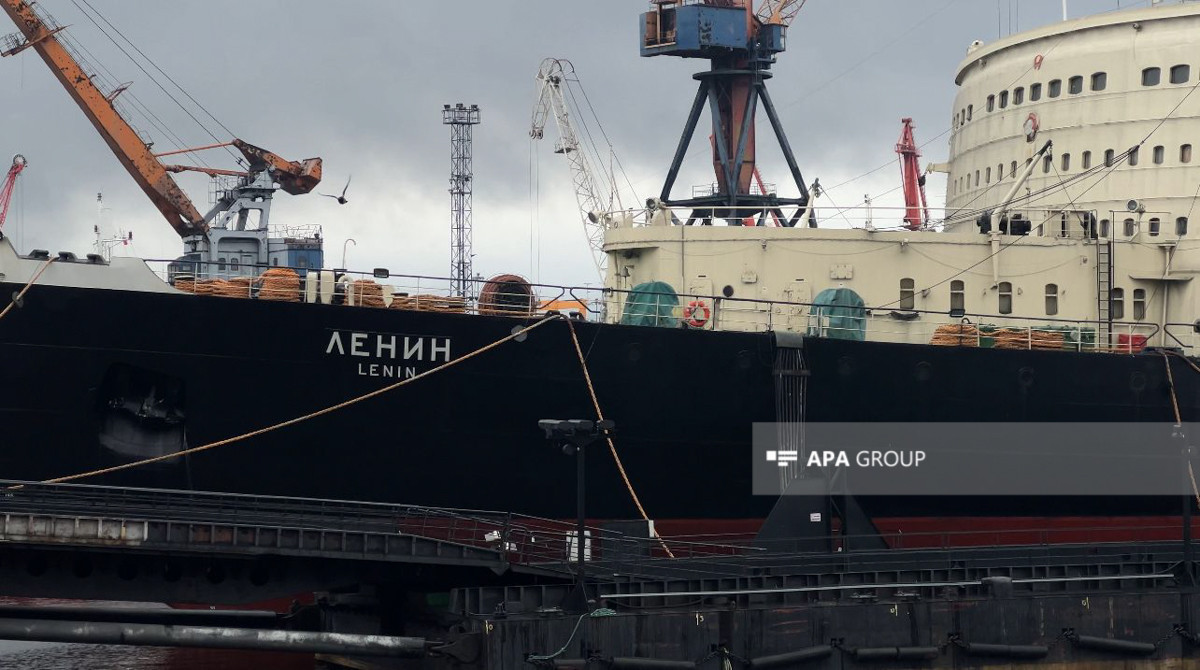
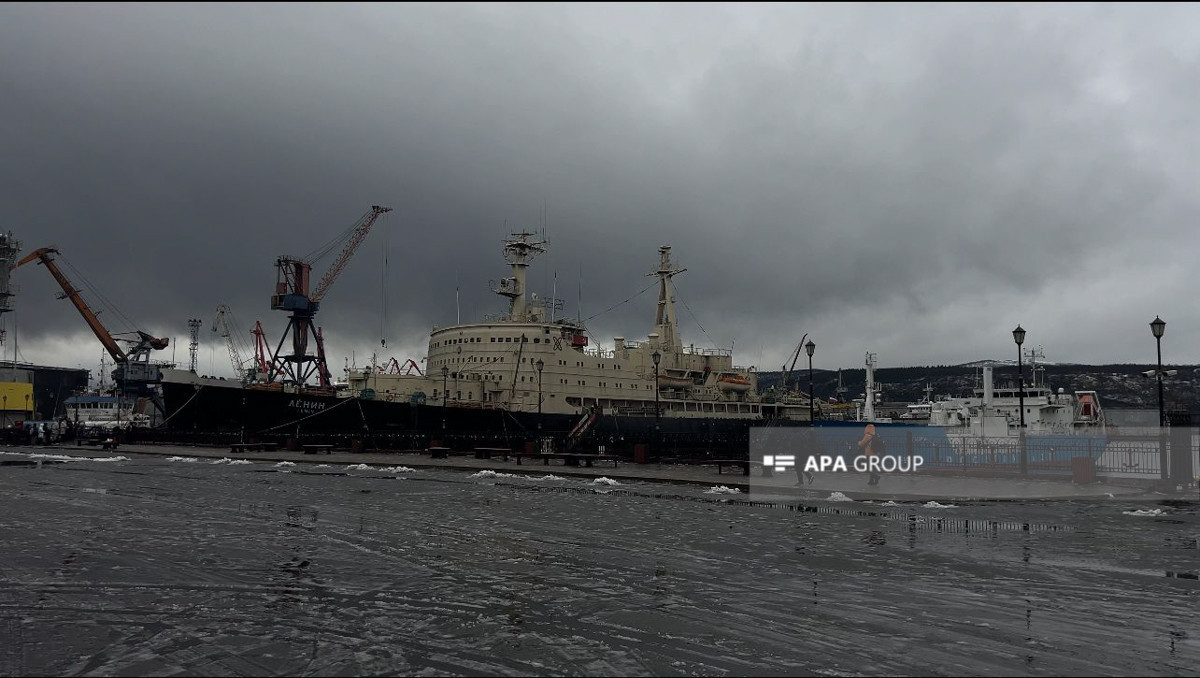
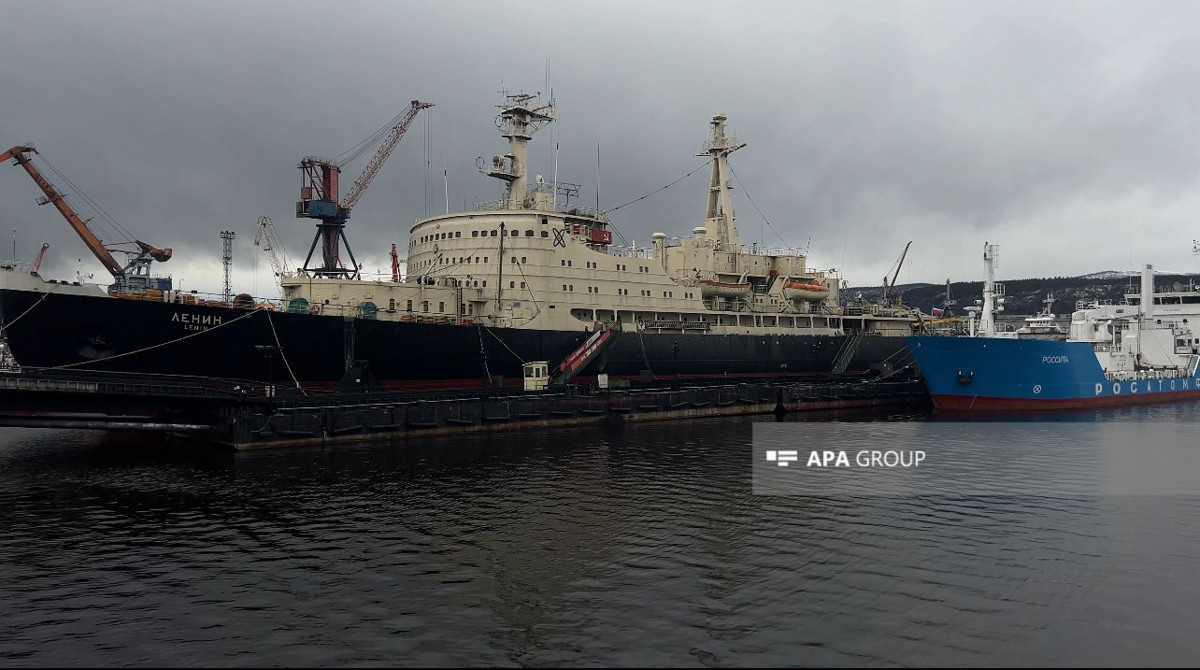
The giant ship named “Lenin” is the world’s first surface icebreaker powered by nuclear energy. Built in 1957, this ship was launched in 1959, and until 1989 it served the Northern Sea Route, ensuring uninterrupted navigation in Russia’s Arctic region. Since 1989, the ship has been functioning as a museum. This ship, which covered 654.4 thousand nautical miles and guided 3,740 vessels during its 30 years of service, consists of 13 decks. The ship had a crew of 220 members. Currently anchored on the shore near the Murmansk sea terminal, the nuclear icebreaker “Lenin” is considered one of the symbols of the Cold War era of the 20th century.
_1762513585.jpg)
“U.S. President Richard Nixon, Cuban leader Fidel Castro, British Prime Minister Macmillan, and the kings of Norway and Sweden have been on this ship. In short, being the symbol of peaceful atomic energy at sea was the main propaganda mission of this icebreaker,” says Vladimir Ulyanykhin, the guide of the “Lenin” icebreaker ship.
Today, Russia ranks first in the world in terms of the number of icebreaker ships. Our northern neighbor possesses more than 40 nuclear icebreakers.
Severomorsk — where military ships and submarines carrying nuclear weapons are located
Being bordered by NATO countries — Norway from the northwest and Finland from the south — has made Murmansk a strategically important military region of Russia. It is precisely for this reason that the main naval base of Russia’s Northern Fleet is located in this region — in the city of Severomorsk, situated 25 kilometers northeast of Murmansk, where the fleet’s headquarters, as well as the parking sites for military ships and submarines, are located.

In Severomorsk, a closed city in the region bordering NATO, where special permission is required for entry and exit, are located the headquarters of Russia’s Northern Fleet, as well as military ships and submarines carrying nuclear weapons. Severomorsk is considered the capital of Russia’s Northern Fleet.
A wonder of nature – The Northern Lights
The mysterious nature of Murmansk — including the Kola Bay, its numerous lakes, rivers, waterfalls, and mountain tundra — is a unique blend of northern landscapes. What attracts local and foreign tourists to the region are the Northern Lights, best visible between September and March. These shimmering lights, called “Aurora,” are formed by the interaction of the solar wind with the Earth’s magnetic field and paint the sky in various shades — green, red, and purple. The best time to see the colorful lights dancing in the Murmansk sky is between 10 p.m. and 3 a.m.






 Follow us on Telegram
 t.me/apanewsaz
 Follow us on Instagram
 Follow us on TikTok
 Follow us on Facebook
 Follow us on X