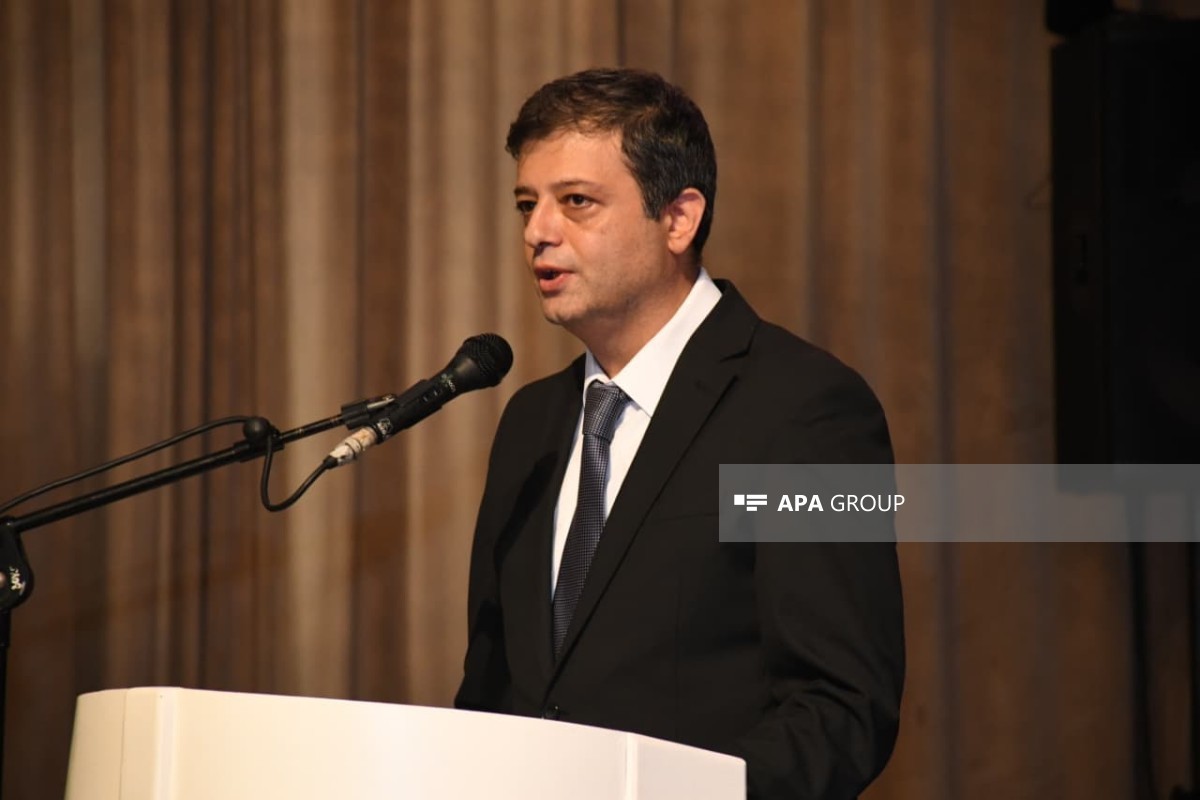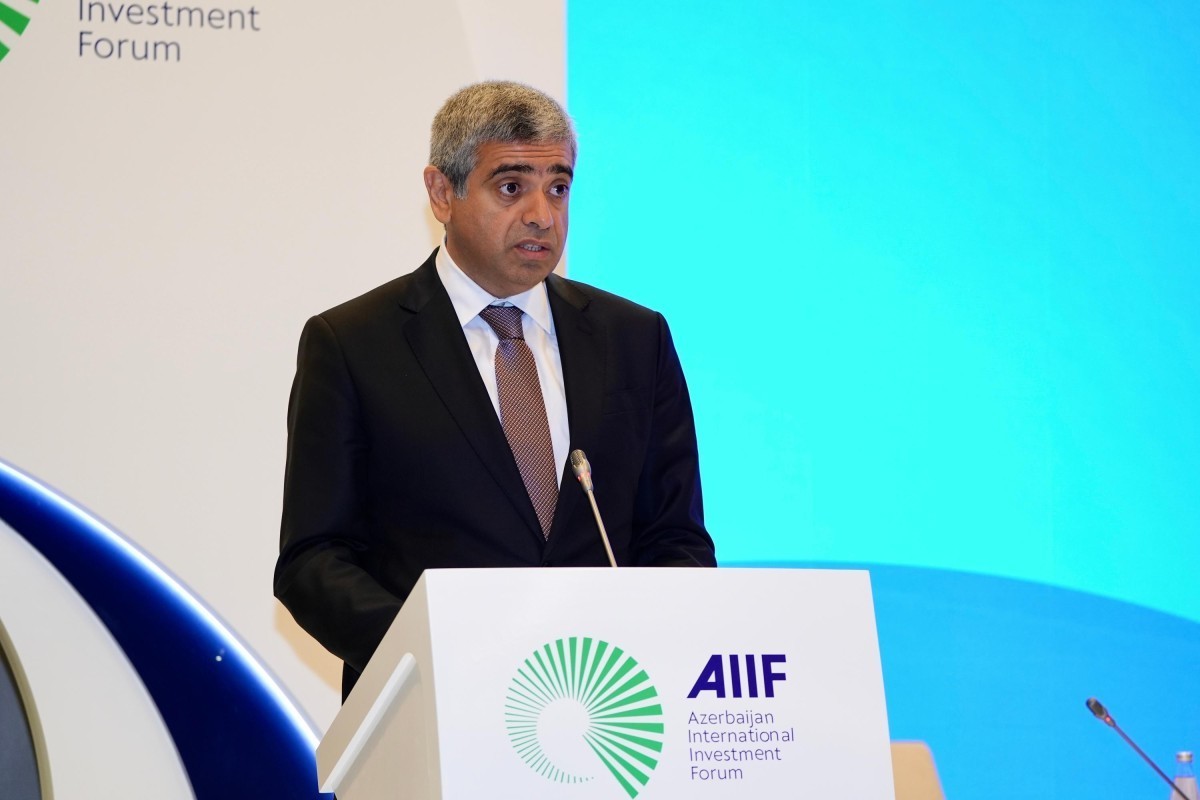


Amid the significant impact of technological innovations on labor markets and business models, knowledge, skills, innovation potential and human capital are among countries’ key strategic advantages. In this regard, human capital development is an important component of Azerbaijan’s long-term development strategy, Minister of Labor and Social Protection of the Population Anar Aliyev said during the “Investing in Human Capital and Skills of the Future” panel at the Azerbaijan International Investment Forum, the ministry told APA.
He emphasized that improving the social welfare of the population forms the basis of the strong social state concept implemented under the leadership of President Ilham Aliyev. He highlighted the significant increases in social payments resulting from five social reform packages implemented in 2018–2026, with an additional annual financial allocation of AZN 8 billion and covering 4 million people.
He noted that during this period, the number of people provided with employment by the ministry increased 3.6 times, the number of people involved in the self-employment program increased 2.7 times, and the number of people involved in vocational training increased 7.1 times. The number of employment contracts increased by 44.6% to 1.86 million, while the wage fund increased 3.4 times.
Anar Aliyev also noted that digital transformation in the labor and social protection sector has been successfully implemented, with 90% of the ministry’s 152 services digitalized, including the launch of 55 proactive services, while 97% of employment contracts are concluded electronically through the “Labor and Employment” subsystem.
The minister said that reforms carried out in Azerbaijan approach human capital development not only in the context of knowledge and skills acquired during education, but also as a continuous development process throughout a person’s entire working life. To this end, particular importance is attached to developing and regularly improving professional and qualification standards in line with labor market requirements, strengthening career guidance services and more actively involving employers in the personnel training process.
A total of 1,700 professional and qualification standards have already been developed and made available to employers and other stakeholders. This makes an important contribution to ensuring personnel training in line with labor market requirements, objectively assessing professional skills and developing a competitive workforce.
Anar Aliyev said training in 175 professions is organized for unemployed people and jobseekers, adding that cooperation is being carried out with around 180 public and private education and training institutions in this field. Developing a workforce with the new knowledge and skills required for the green economy serves to create new employment opportunities and adapt the labor market to the green transition.
The minister noted that one of the important areas of the state employment policy is to further strengthen sustainable cooperation mechanisms among universities, employers and government agencies. This will create decent employment opportunities for the workforce, particularly young people, provide businesses with more suitable personnel, and increase productivity and competitiveness in the economy.
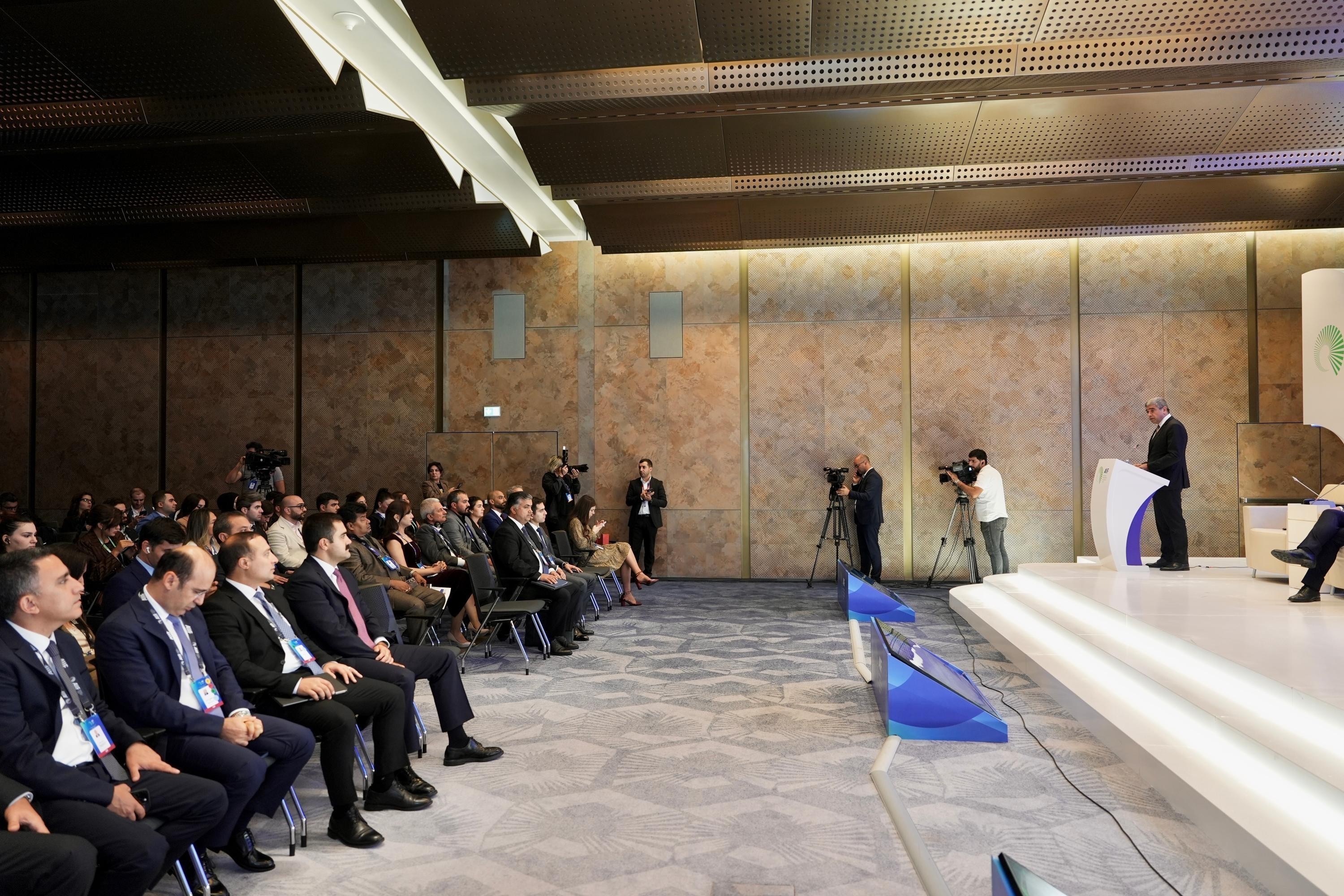
It should be noted that the panel, attended by government officials, business representatives and international experts, discussed the role of human capital development in ensuring Azerbaijan’s long-term competitiveness and economic diversification, as well as future skills, digital opportunities and modern leadership approaches. The participants also exchanged views on strengthening cooperation among universities, businesses and government agencies, increasing employment opportunities, supporting innovation and entrepreneurship, and other issues.


 Follow us on Telegram
 t.me/apanewsaz
 Follow us on Instagram
 Follow us on TikTok
 Follow us on Facebook
 Follow us on X