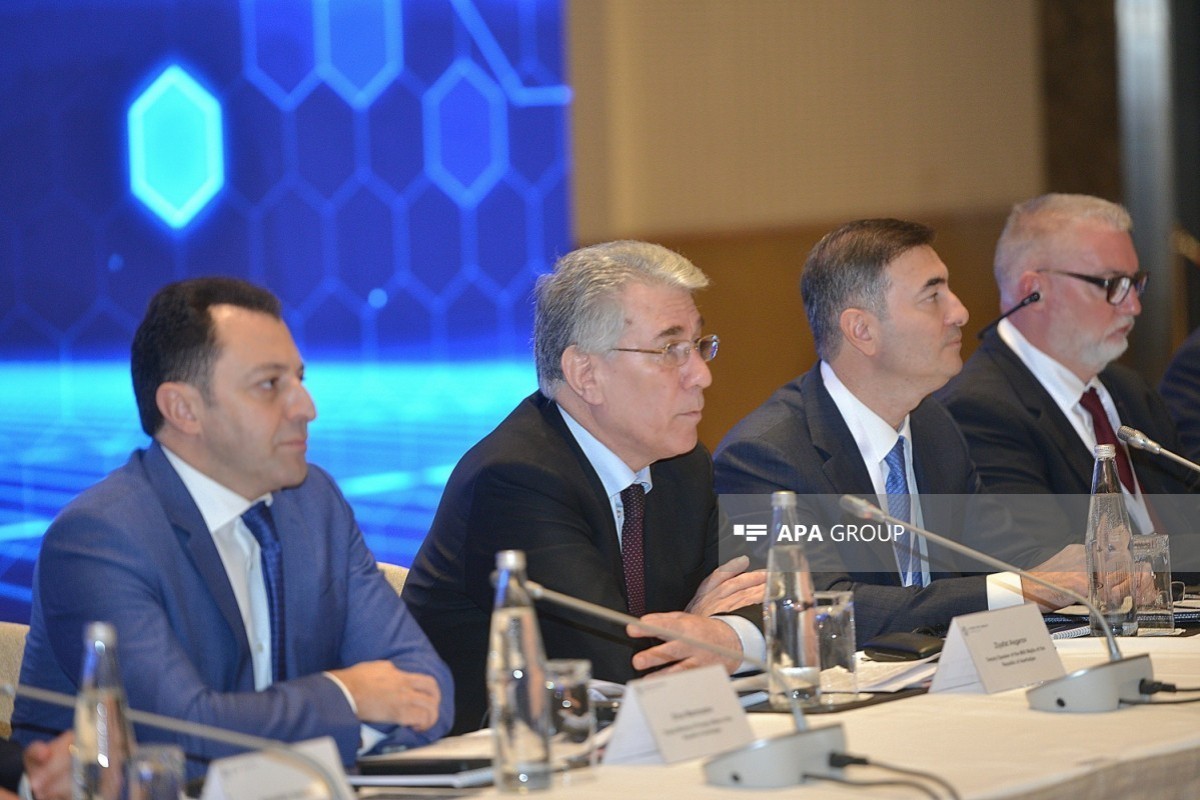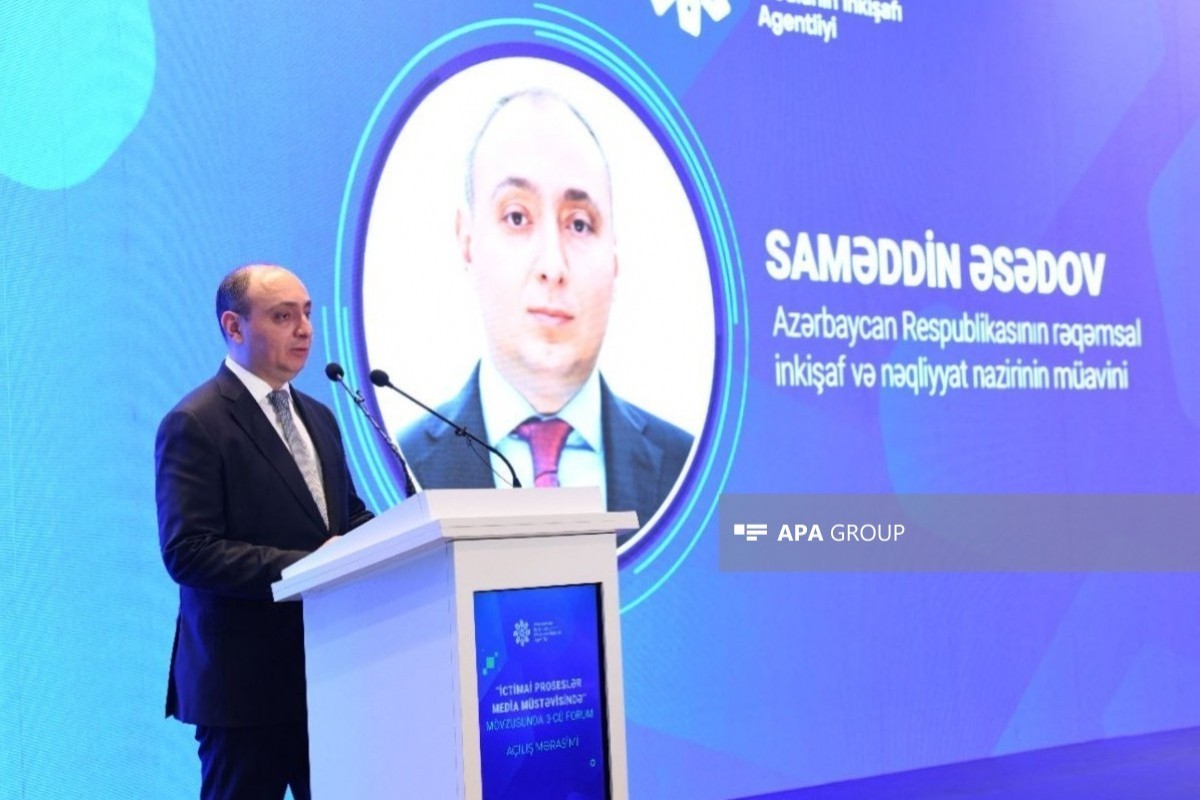







In the field of national security, we make a clear distinction between three things: what we know, what we assess, and what we decide. Artificial intelligence can help and support us in the first two areas, but it cannot assume responsibility for the third, Esmeralda Kazia, Chief Technology Officer of the Albanian Power Corporation (KESH) and former Director of the Monitoring and Incident Response Department at Albania's National Cybersecurity Authority, said during panel discussions at the 2nd International Conference on Cyber Diplomacy, APA-Economics reports.
She noted that artificial intelligence cannot stand before citizens, allies, or another state and be held accountable for the consequences of a national decision.
"Data, cloud infrastructure, digital networks, and technical standards transcend national borders. Therefore, strategic autonomy cannot mean technological isolation. No country, not even the largest state, can build every platform itself, control all supply chains, and combat all cyber threats alone.
However, autonomy means preserving the ability to understand the systems we use, question the results they provide, and refuse to hide political responsibility behind technological complexity.
Albania's experience shows that small states should not be invited to join the process only after the rules have already been established. We are not merely consumers of global security. We manage incidents, protect essential services, and experience the consequences of decisions made in distant technological and political centers.
Therefore, our place is not at the end of the implementation chain but at the table where the rules are shaped. Because if we do not participate in defining the new order of the artificial intelligence era, we will not remain outside that order. We will simply live within an order designed by others," Esmeralda Kazia said.


 Follow us on Telegram
 t.me/apanewsaz
 Follow us on Instagram
 Follow us on TikTok
 Follow us on Facebook
 Follow us on X