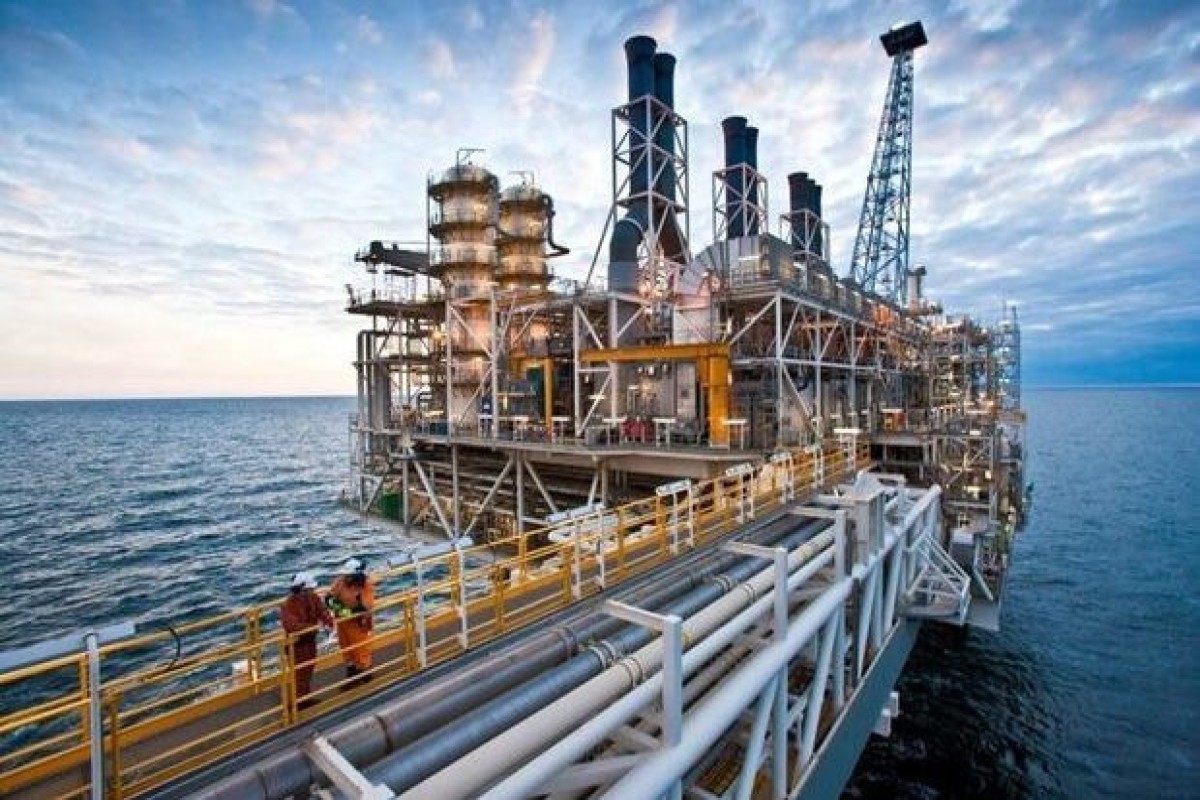







The conflict in the Middle East and disruptions to shipping through the Strait of Hormuz are prompting countries to reconsider their energy strategies and diversify their energy supply sources and routes, APA-Economics reports, citing the International Energy Agency's (IEA) "World Energy Outlook 2026" report.
According to the report, the current crisis could make global energy security and access to energy resources key priorities in countries' energy policies. In this context, countries may increasingly prioritize diversifying energy supply sources, trade routes, fuel mixes, and technology supply chains, as well as expanding the use of domestic energy resources.
According to the IEA's assessment, under a scenario in which serious risks to shipping through the Strait of Hormuz persist for an extended period, investments in new alternative pipelines, alternative supply sources, and measures taken by importing countries to reduce demand could significantly decrease the volume of oil flows through the strait.
In particular, oil flows through the strait, which stood at 20 million barrels per day before the crisis, are projected to decline to 8.5 million barrels per day by 2030 and below 2 million barrels per day by 2035. Nevertheless, even under such an extreme scenario, the Middle East would remain the largest oil exporter to international markets.
The report also notes that different trends could emerge in oil and natural gas markets if the conflict in the Middle East is clearly resolved. In this case, global oil and gas supplies could increase significantly, particularly due to delayed liquefied natural gas (LNG) supplies entering the market. As a result, despite the rebuilding of inventories, both markets could become buyers' markets, creating downward pressure on prices.


 Follow us on Telegram
 t.me/apanewsaz
 Follow us on Instagram
 Follow us on TikTok
 Follow us on Facebook
 Follow us on X