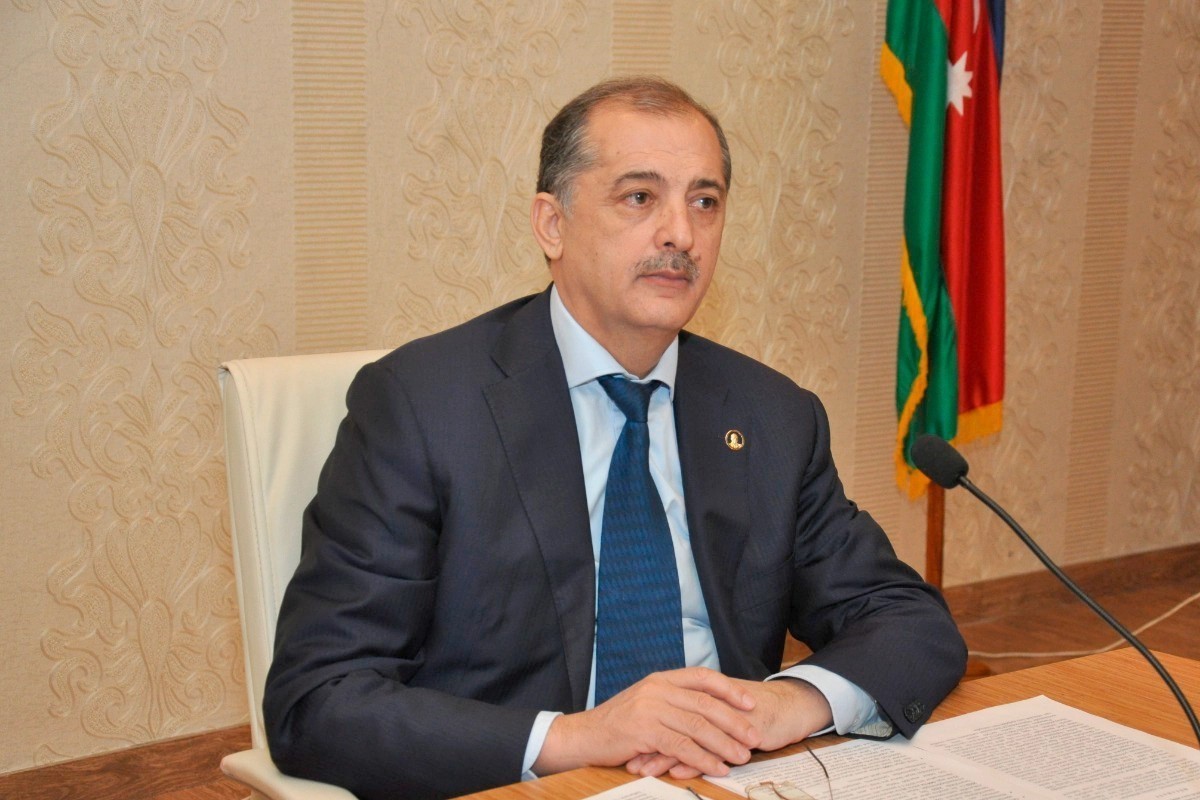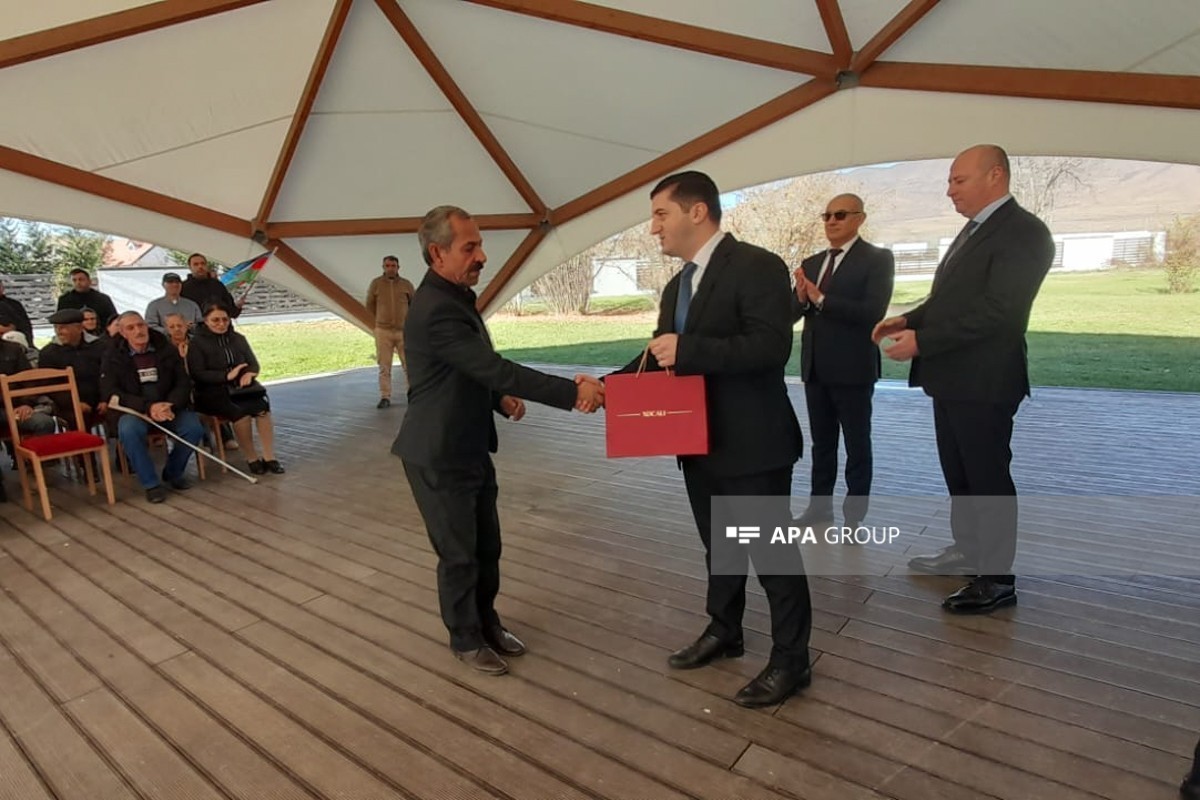







Deputy Prime Minister of the Republic of Azerbaijan Teymur Musayev visited Aghdam and Goygol districts to familiarize himself with humanitarian demining operations being carried out in the liberated territories and the Agency’s training capabilities, the Azerbaijan National Agency for Mine Action (ANAMA) told APA.
During the visit, the Deputy Prime Minister was accompanied by Chairman of the Board of ANAMA Vugar Suleymanov.
While inspecting demining operations in the territory of Namirli village of Aghdam district, Vugar Suleymanov provided the Deputy Prime Minister with detailed information about the organization and implementation of operations, the results achieved and the challenges encountered. Information was also provided on the methods applied and technical equipment used to clear areas contaminated with mines and other explosive ordnance, measures taken to improve the efficiency of operations, and the current status of fencing work carried out to ensure public safety.
As part of the visit, Teymur Musayev familiarized himself with the material and technical capabilities and infrastructure of ANAMA’s Aghdam mobile base, as well as the conditions created for the management and coordination of operations.
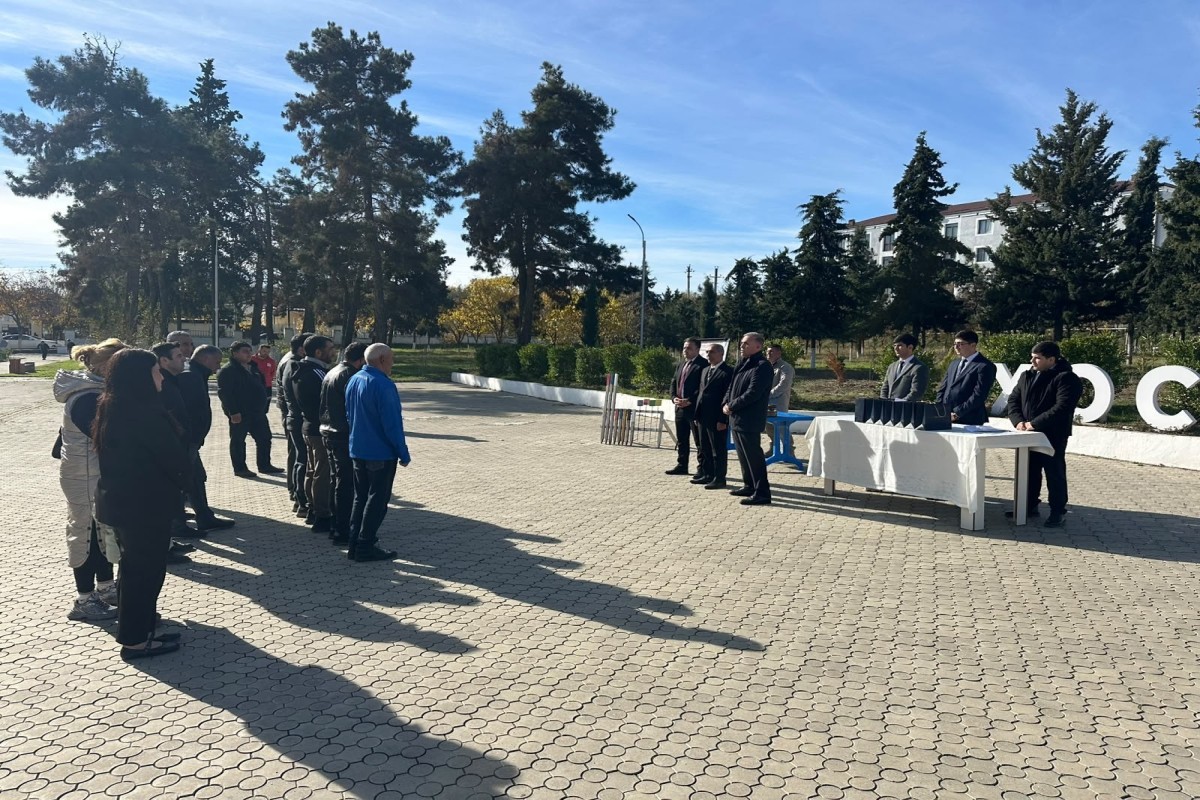
The Deputy Prime Minister then visited Goygol district, where he familiarized himself with the activities and existing conditions of ANAMA’s Goygol Training Center. Detailed information was provided on the center’s educational infrastructure, the conditions created for organizing training, the training equipment used and the areas where practical exercises are conducted. Attention was also drawn to the work carried out to train specialists in demining, enhance the knowledge and skills of operational personnel, and organize training in accordance with international standards.
It was noted that eliminating the threat posed by mines and other explosive ordnance in the liberated territories is of great importance for ensuring public safety, implementing infrastructure projects, restoring socioeconomic activity and ensuring the sustainable implementation of the Great Return process.
The familiarization conducted during the visit was significant in terms of assessing on site the current state of humanitarian demining activities, the results achieved in this field and the priority tasks ahead.


 Follow us on Telegram
 t.me/apanewsaz
 Follow us on Instagram
 Follow us on TikTok
 Follow us on Facebook
 Follow us on X