


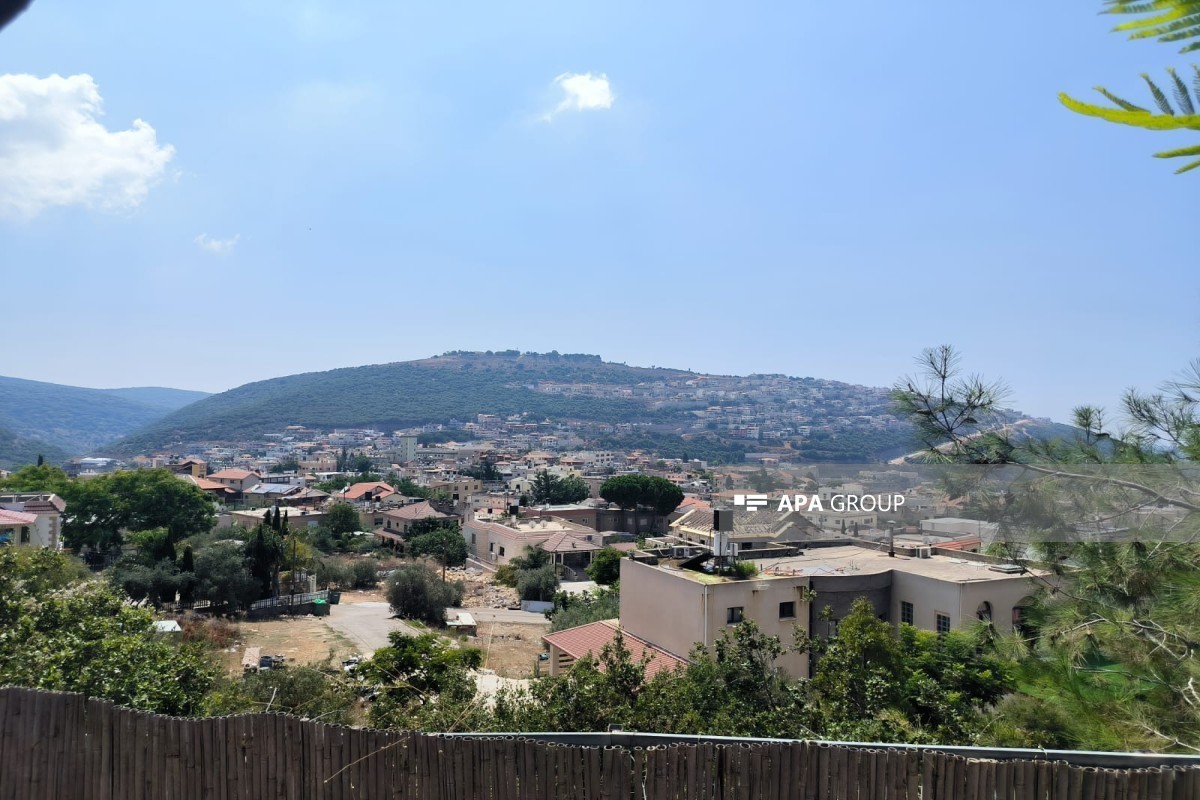


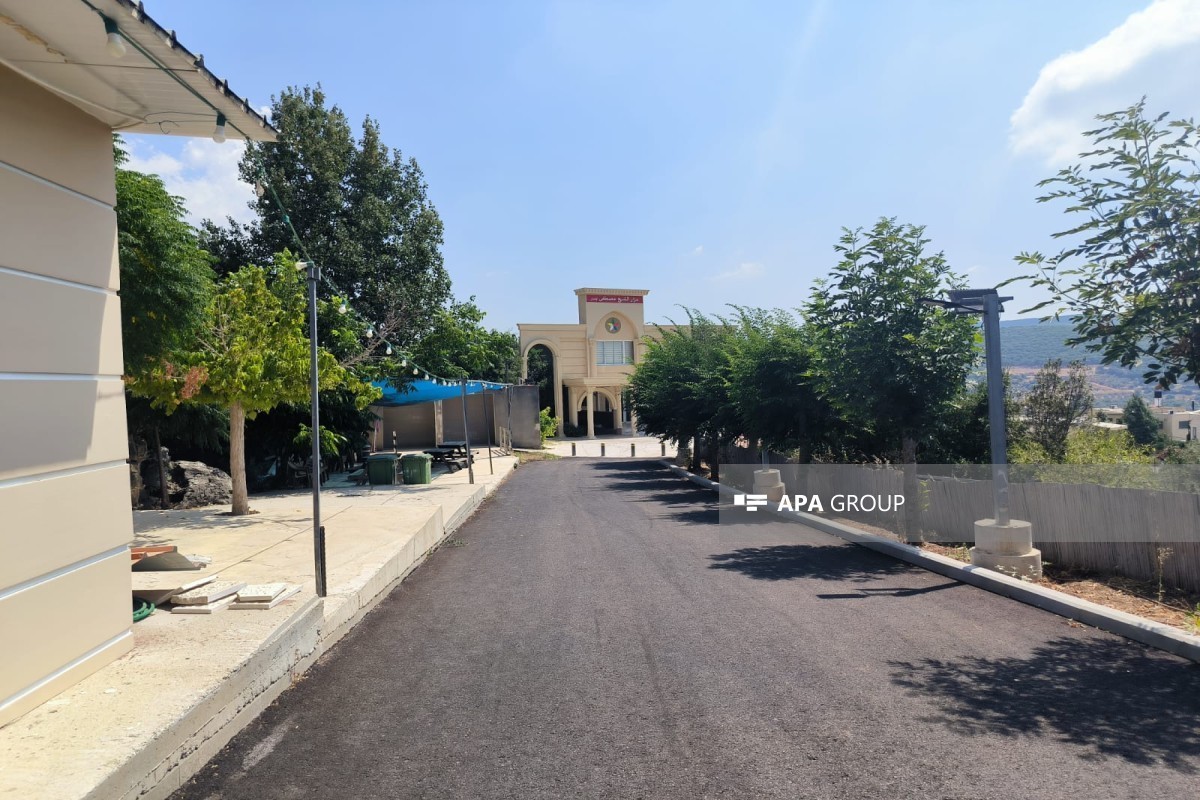
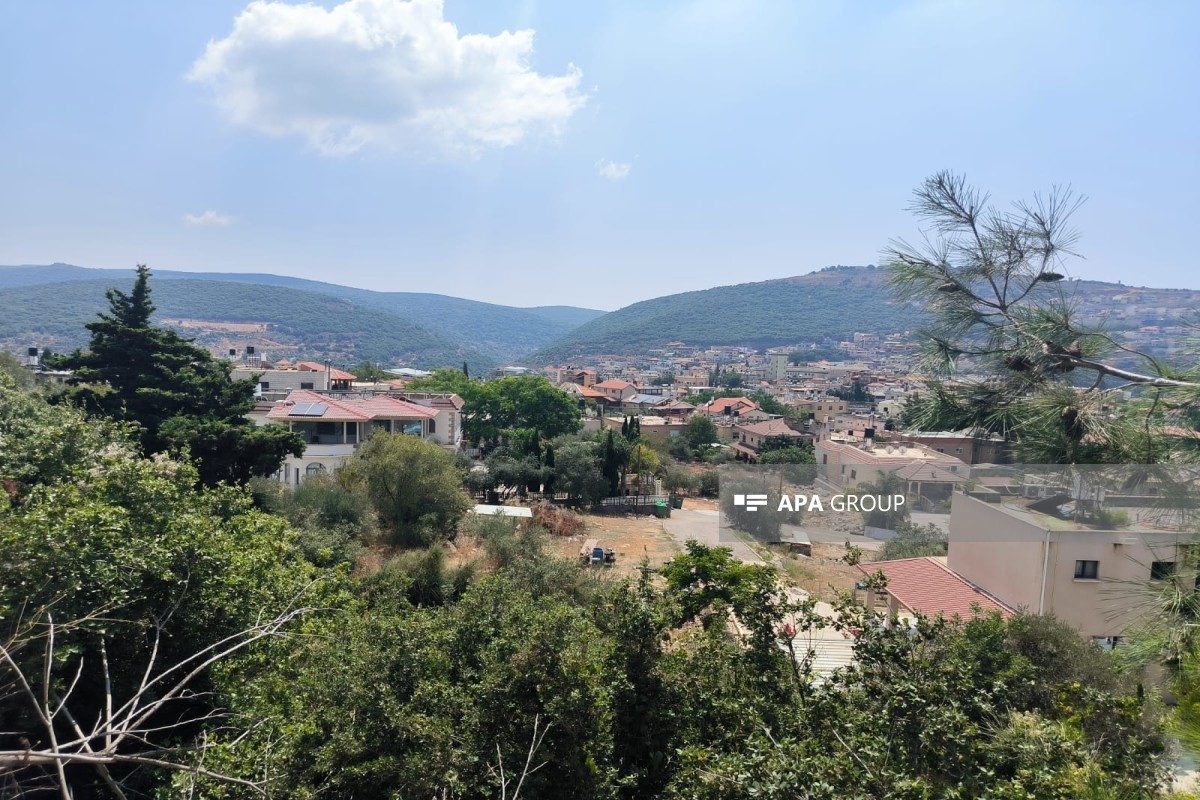
Azerbaijani journalists participating in a media tour in Israel visited the Druze town of Hurfeish, located in the Upper Galilee mountains in the north of the country, APA’s correspondent dispatched to Israel reports.
As part of the visit, the journalists met with Sheikh Dr. Kasem Bader, a representative of the Druze community in Israel and Chairman of the Universal Peace Council Human Rights Organization.
During the meeting, Bader provided information about the situation of Druze communities living in Israel and other countries of the region, the challenges they face, and relations between the communities.
He said that Druze people live in Syria, Lebanon, Israel, and Jordan and that for many years, due to the political situation and border restrictions between these countries, they have been deprived of the opportunity to meet their family members and relatives.
According to Sheikh Kasem Bader, the closure of the borders with Syria and Lebanon creates a serious obstacle to establishing ties between Druze communities. He noted that certain opportunities emerged following the peace agreement with Jordan, but the situation in Syria and Lebanon still affects relations among the Druze.
Bader also spoke about the problems faced by the Druze as a minority community in the Middle East, emphasizing that ensuring peace and stability in the region is important for the future of the communities.
During the meeting, the journalists also received information about the history, culture, religious traditions of the Druze, and their role in Israeli society.
It should be noted that the Druze are an Arabic-speaking community with distinctive religious and cultural traditions, living mainly in Israel, Syria, Lebanon, and Jordan in the Middle East. The Druze consider themselves a separate religious community and preserve their religious beliefs within a closed community. In Israel, the Druze actively participate in the country’s social and public life, including serving in the Israel Defense Forces.



 Follow us on Telegram
 t.me/apanewsaz
 Follow us on Instagram
 Follow us on TikTok
 Follow us on Facebook
 Follow us on X