






Hungary marks the 70th anniversary of the 1956 Revolution, a defining chapter in the nation's struggle for freedom, independence and sovereignty. The historic uprising remains a powerful symbol of national resistance, sacrifice and the enduring pursuit of self-determination.
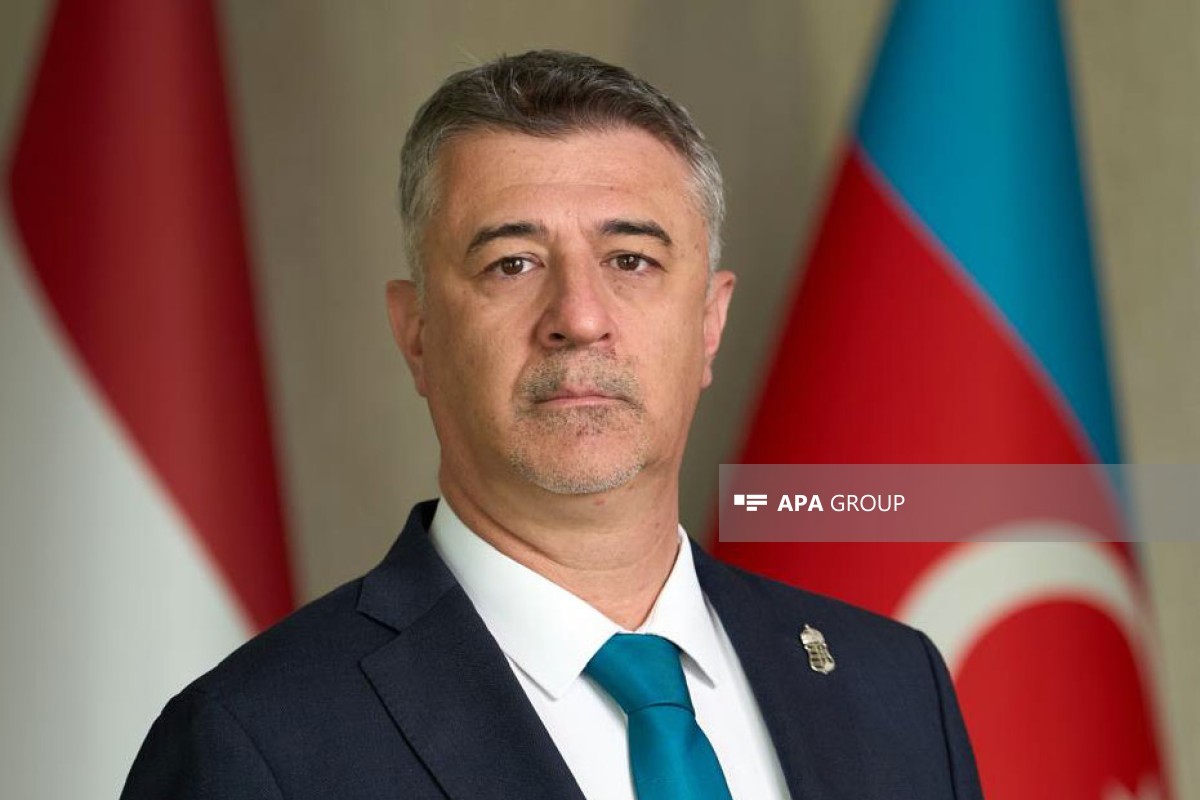
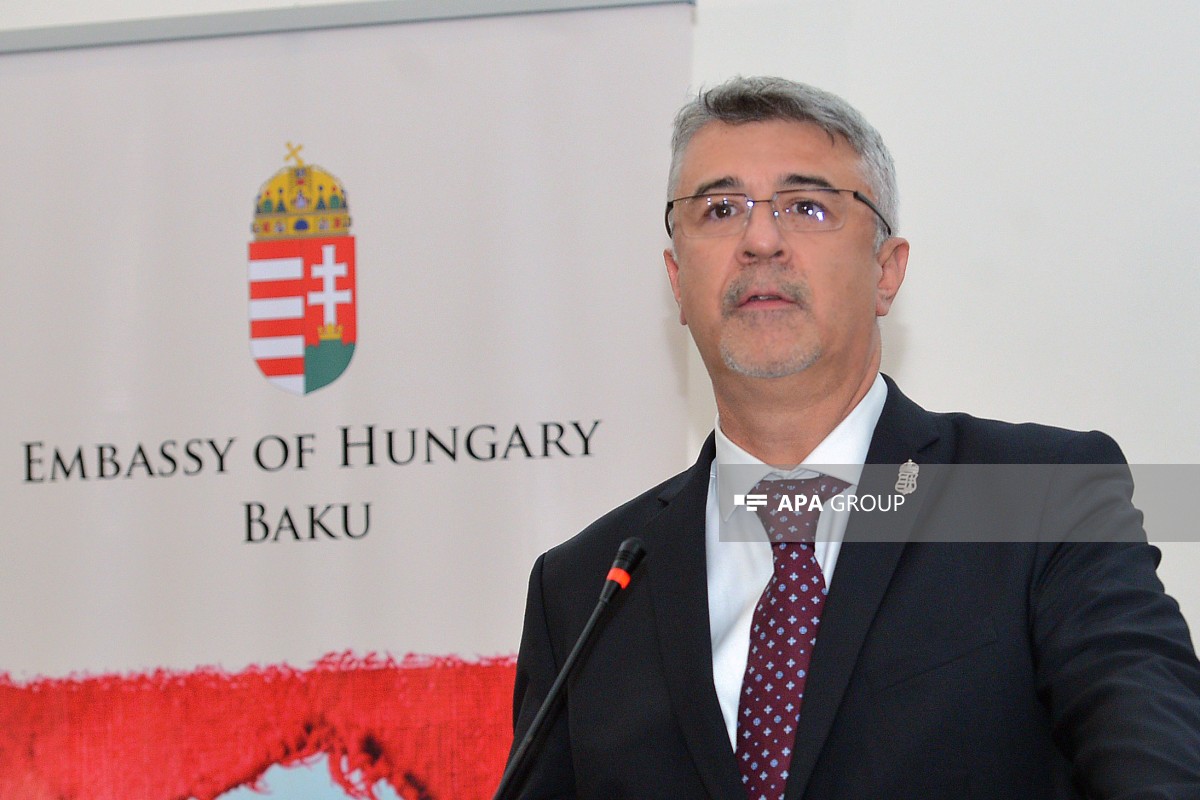
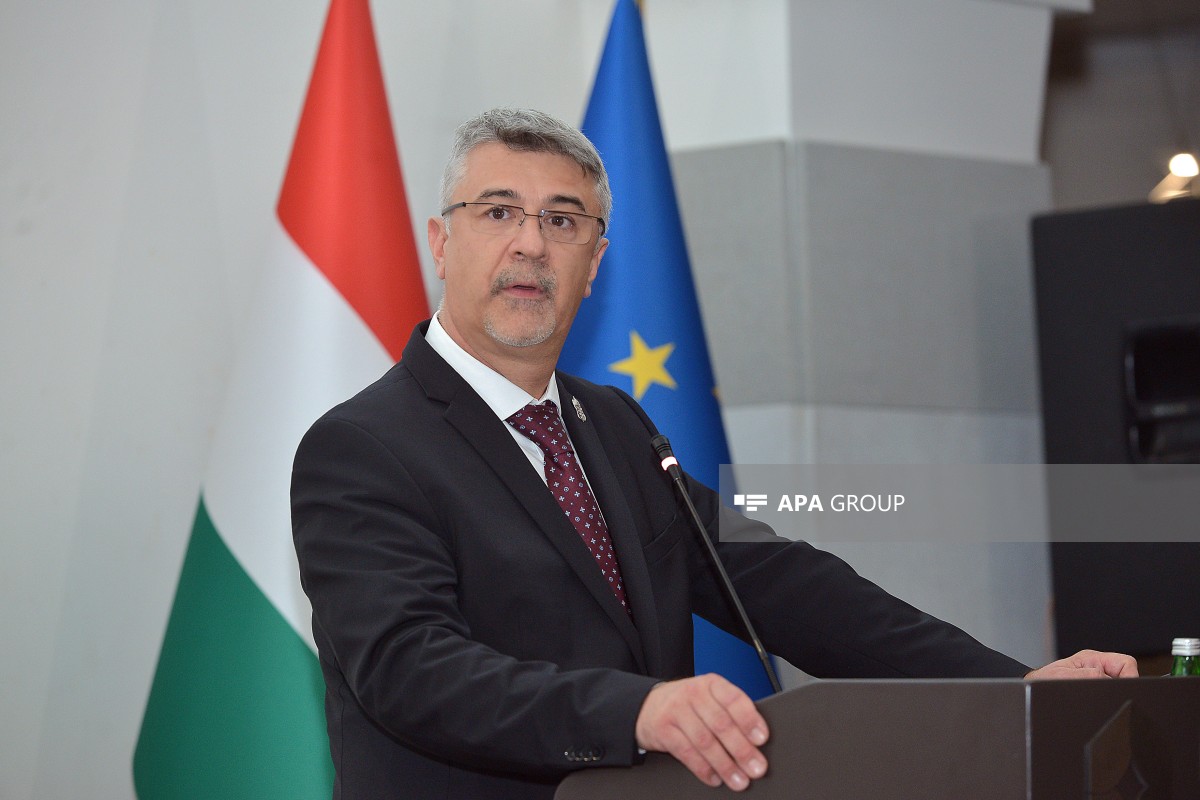
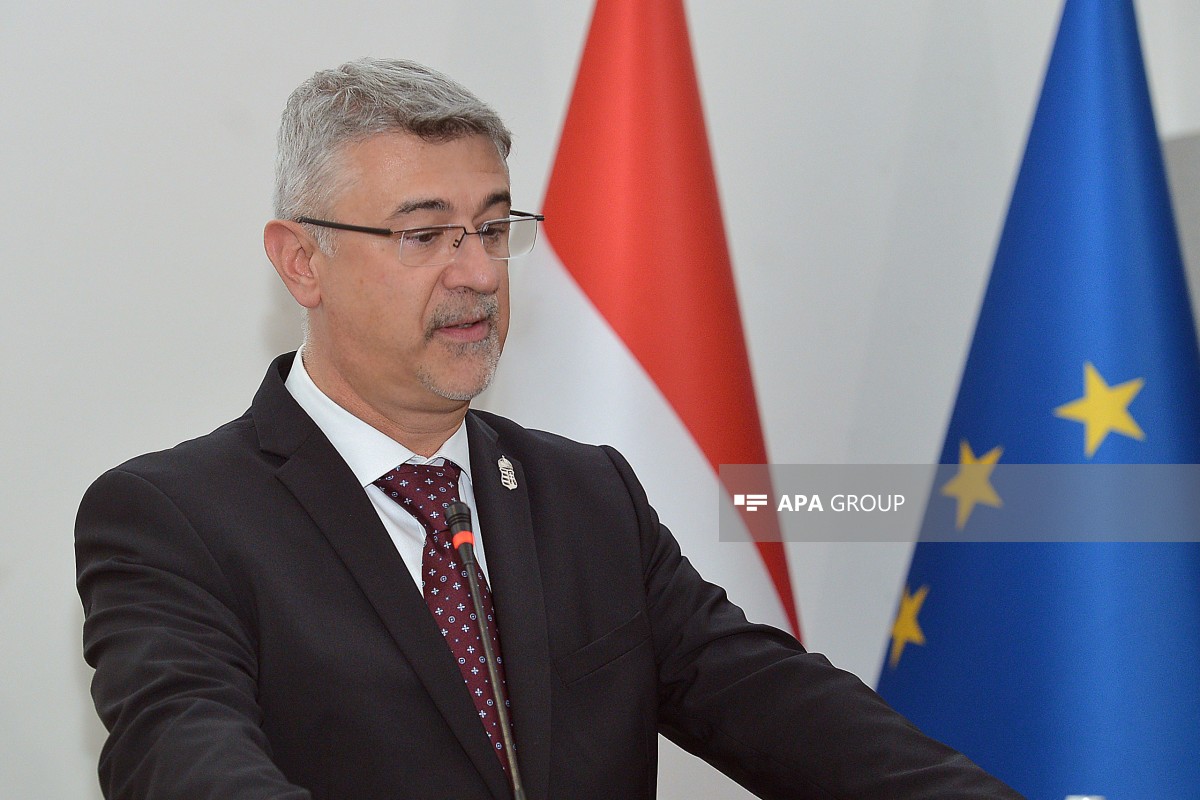
On this occasion, APA interviewed Hungary's Ambassador to Azerbaijan, Tamás Torma, about the revolution's historical significance, its legacy and the growing partnership between Hungary and Azerbaijan.
– Mr. Ambassador, today is 23 October. Hungary is commemorating the 70th anniversary of the 1956 Revolution. What is the importance of this day in the history of Hungary?
– The end of the II World War seemed to offer Hungary the prospect of a democratic future. Yet, backed by Soviet occupation, Mátyás Rákosi’s Communist Party gradually established a dictatorship marked by fear, political persecution and hardship. Economic policy prioritised heavy industry and armaments, while forced collectivisation and compulsory agricultural deliveries placed a crushing burden on the countryside. People’s lives were subordinated to the demands of the regime, and our foreign policy was dictated by Moscow.
Stalin’s death in 1953 brought renewed hope. Imre Nagy’s New Course eased repression and promised better living standards. Rákosi, however, succeeded in reversing much of this programme, and hopes for freedom were repeatedly frustrated.
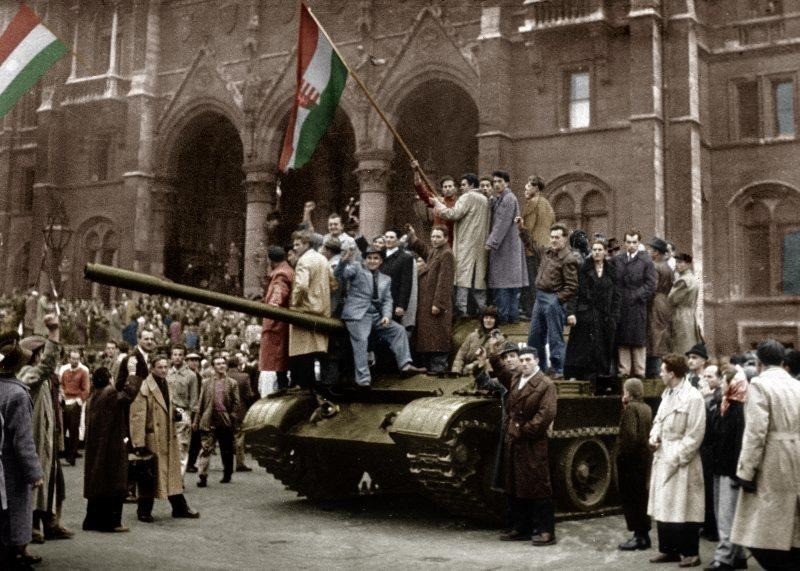
Seventy years ago, on 23 October 1956, the Hungarian people rose against communist oppression and Soviet occupation. What started as a student demonstration quickly developed into a nationwide uprising demanding freedom, economic reform and, last but not least, Soviet withdrawal and national sovereignty. For a few days, independence seemed within reach.
However, on 4 November 1956, Soviet tanks crushed that hope. Thousands lost their lives, many suffered imprisonment and reprisals, and some 200,000 Hungarians—around two per cent of the population—fled their homeland. More than 30 countries welcomed Hungarian refugees.
This was not the first time an empire had crushed Hungary’s struggle for freedom. Yet 1956 was not in vain.
– Much of Hungarian history over the past five centuries has been marked by struggles for freedom fought against great empires. As you mentioned, 1956 was not the only one to be suppressed by a foreign power. What, then, made 1956 different?
– Indeed, the Hungarian Revolution of 1956 was ultimately crushed. We witnessed the solidarity of the world’s freedom-loving peoples, the compassion of the countries taking in refugees, and the support of crowds demonstrating for the Hungarian cause in cities around the world. Yet, despite all this, the Hungarian freedom fighters ultimately stood alone before the barrels of Soviet tanks. This is not unique to Hungarian history; other peoples of Central Europe have also experienced this fate.
However, the events of 1956 had many other dimensions and a deeper meaning. On 23 October 1956, it became clear to Hungarians that they should no longer remain silent about what is right and what is wrong, who is guilty and who is the victim, who is the oppressor and who is the oppressed.
The Hungarian struggle for freedom was defeated by Soviet tanks. Yet the Soviet Union and the international communist movement never fully recovered from the moral consequences of crushing the Revolution.
The courage of the revolutionaries, the moral principles they represented, and the solidarity they inspired forged an enduring bond between Hungary and the world.
Unequal struggles for freedom continue around the world today. Those who share the fate of the Hungarian revolutionaries are still fighting for the same fundamental aspirations for which Hungarians fought in 1956.
The solidarity of the world was therefore in no vain. 1956 became part of the world’s moral memory.
– What does 1956 mean for Hungary today?
– Today, 23 October is the national holiday in Hungary, commemorating the Revolution of 1956. But it is also the anniversary of the proclamation of the Republic of Hungary in 1989. It symbolises the fact that, 33 years later, the ideals of the Revolution—a free, independent and sovereign Hungary—were ultimately realised. Since then, again almost four more decades have passed.
1956 entrusted us with a lasting responsibility: to preserve freedom, uphold human dignity and take responsibility for our nation’s future. On the 70th anniversary, we remember not only the tragedy and suppression of the Revolution, but also the extraordinary moral renewal it represented. Honouring those who gave their lives for freedom means reflecting on whether we are living rightly, whether we are worthy of the memory of those who once gave their lives so that we could live in freedom today, whether we remain worthy of their sacrifice and whether we are safeguarding their legacy for future generations. Seventy years after those events, we must ask ourselves these questions once again. In this sense, 23 October is also a moment of self-reflection.
As on the 70th anniversary we pay tribute to the memory of this historic struggle for freedom, we also remember those who helped us and showed solidarity—the individual and collective acts of generosity through which so many people around the world stood with the Hungarian Revolution.
The Ministry of Foreign Affairs of Hungary decided to launch a new website commemorating the courage, sacrifice, and unwavering determination of the Hungarian people in their pursuit of freedom and independence, preserving the legacy of 1956 for future generations. The website https://1956memorials.hu/ was created as a comprehensive database based on citizen science and collective memory. It serves as a virtual memorial to the events of 1956 in Hungary, collecting memorials, personal recollections, and human stories connected with the Hungarian Revolution. Anyone can contribute their memories, and I would encourage our Azerbaijani friends to do so as well.
– Mr. Ambassador, living here in Azerbaijan, what reflections would you share about the relationship between our two countries as we mark 23 October?
– Today is Hungary’s national holiday, the 70th anniversary of the 1956 Revolution and War of Independence. It is a commemoration of an independent, sovereign Hungary. And it is also a day that connects us with the world. We commemorate this anniversary around the world, including here in Baku.
But we have two other national days as well: 15 March, commemorating the anniversary of the Revolution and the War of Independence of 1848–49, and 20 August, the day of our King Saint Stephen and the foundation of our thousand-year-old state. The latter two are celebrated primarily in Hungary and in Hungarian communities beyond our borders. All three, however, reflect what matters most to us: our independence, sovereignty and our nation itself.
I believe these values are equally important to Azerbaijanis. One reason for this is certainly that, although our histories might be different, Azerbaijan’s history, like Hungary’s, has been shaped by the ambitions of great powers. Both of our peoples know the hardship of foreign domination, and we know that we are determined to shape our own future. This experience also helps us understand the importance that our Azerbaijani friends attach to independence and sovereignty.
Hungary’s support for Azerbaijan’s sovereignty and territorial integrity from the very first days of its inedependence springs from our respect for international law, but also from a deeper conviction rooted in our history: we know how precious independence, sovereignty and our nations are.
Living here, getting to know the people, the language, the culture and the country as a whole, learning more about its history and being enriched by many friendships, I am entirely convinced that the bonds between our peoples are indeed very deep and rooted in similarities in our national character.
Hungary and Azerbaijan have had an enhanced strategic partnership since 2023. Our relations are remarkably diverse, ranging from bilateral political and energy cooperation to investments and broad-based economic cooperation. Our active alumni community, Azerbaijani students and young professionals educated in Hungary, and those learning each other’s languages in Budapest and Baku carry our friendship forward. Academic, scientific and civil society cooperation flourishes, while our cultural events attract interest in both of our countries. Little wonder that direct flights between our capitals are frequent and full.
What matters most, however, is the palpable natural warmth between our peoples and a recognition of kindred qualities in our national character. It is this affinity that truly breathes life into institutions and gives our partnership human depth.


 Follow us on Telegram
 t.me/apanewsaz
 Follow us on Instagram
 Follow us on TikTok
 Follow us on Facebook
 Follow us on X