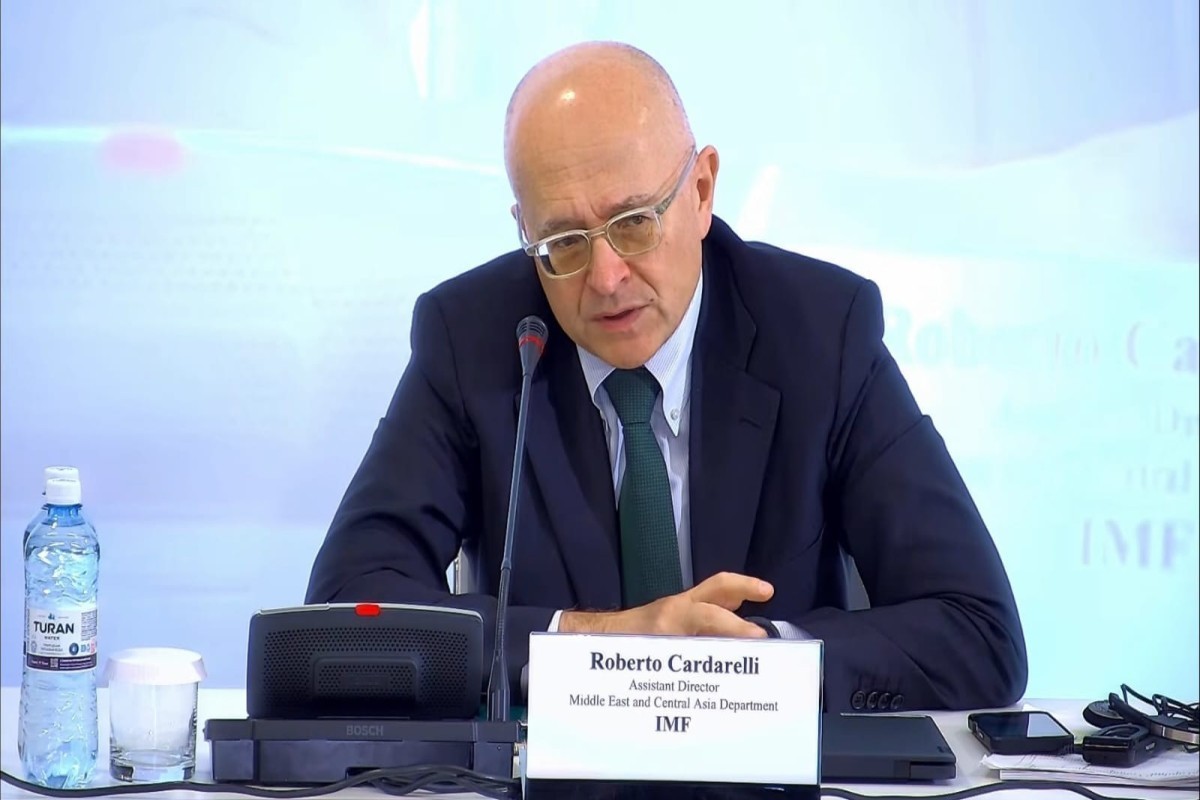






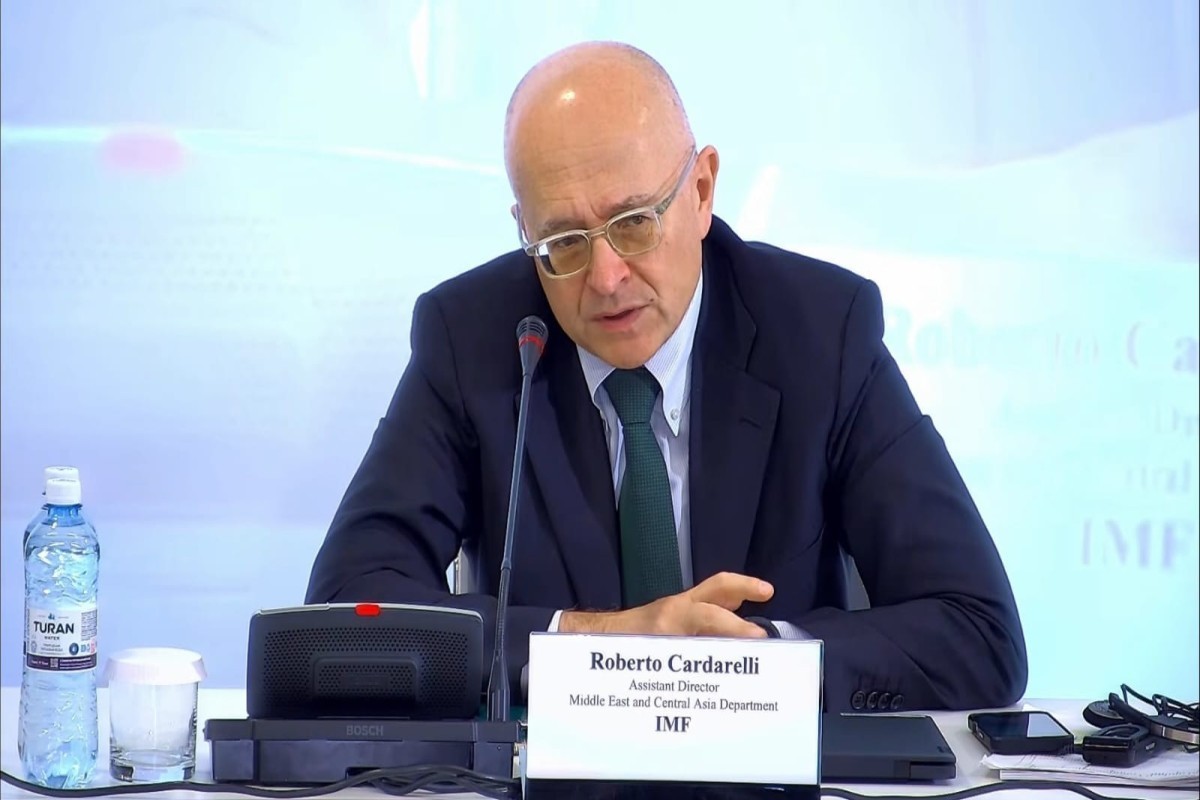


The International Monetary Fund (IMF) does not rule out the possibility that oil prices could rise to $130 per barrel in 2027 if the conflict in the Middle East continues, Deputy Director of the IMF's Middle East and Central Asia Department Roberto Cardarelli said during the presentation of the Fund's regional economic outlook, APA-Economics reports.
According to him, the IMF's baseline scenario envisages an average oil price of $96 per barrel in 2026 and $86 per barrel in 2027. This assumption is based on an easing of the conflict in the Middle East and the gradual normalization of energy production and trade in the Gulf region.
However, the alternative scenario envisages a prolonged conflict and continued disruptions to energy supplies. In this case, daily oil production could decline by an additional 4 million barrels, while prices could rise to $130 per barrel in 2027.
Roberto Cardarelli noted that such a situation would have an overall negative impact on the global and regional economies. Oil-importing countries would face higher energy costs, while inflation could be approximately 1 percentage point higher than in the baseline scenario.
The IMF official also stated that there is an opposite risk for the oil market. According to him, global demand could weaken if a significant market correction occurs in the artificial intelligence sector in the United States.
According to the Fund's simulation, oil prices could fall by 30% compared to the baseline scenario in such a situation.
Under this scenario, economic growth in oil-exporting countries would be negatively affected, while oil-importing countries could benefit to some extent from lower energy prices.


 Follow us on Telegram
 t.me/apanewsaz
 Follow us on Instagram
 Follow us on TikTok
 Follow us on Facebook
 Follow us on X