







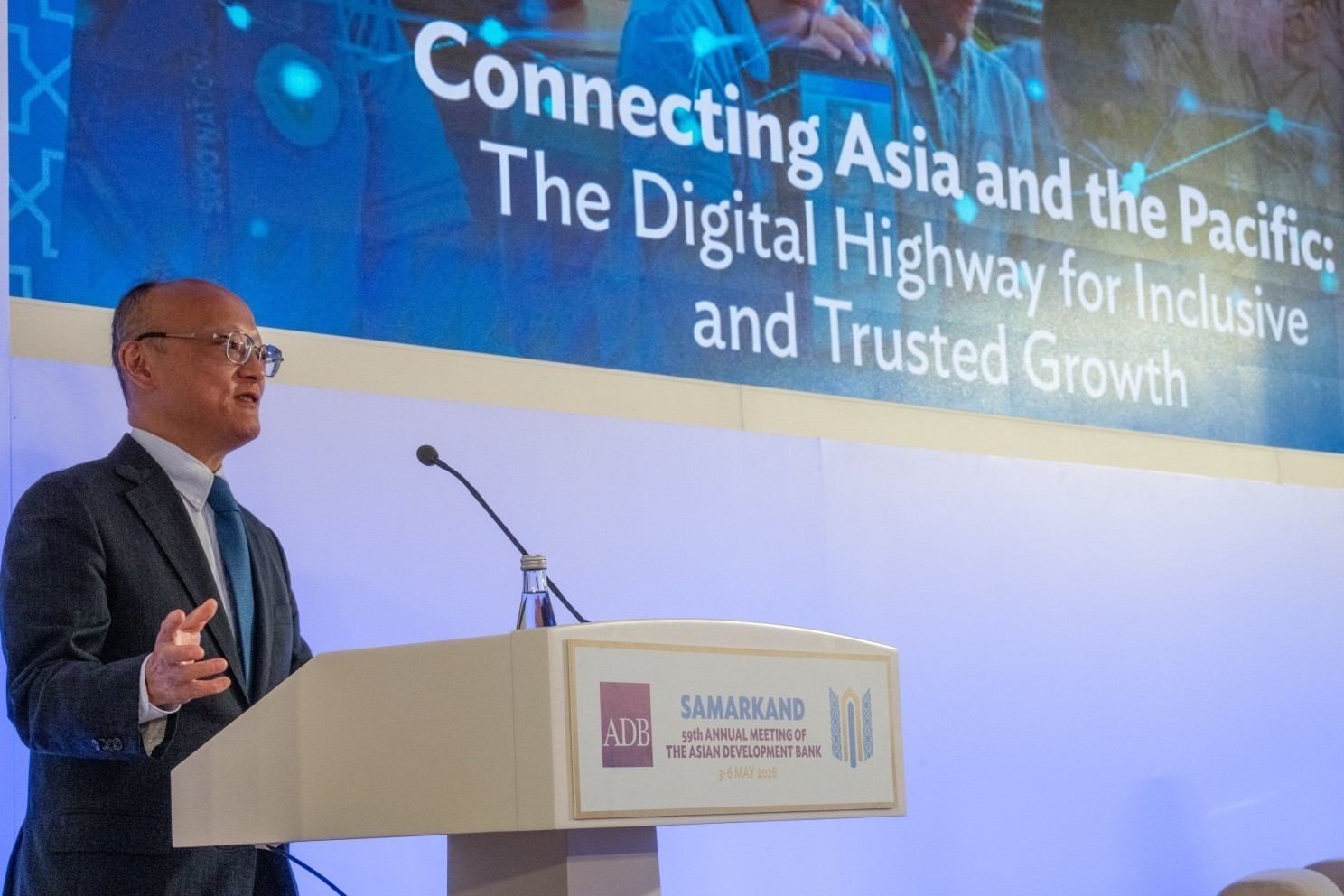
The Asian Development Bank (ADB) plans to mobilize $70 billion for the development of energy and digital infrastructure in the Asia-Pacific region by 2035, ADB President Masato Kanda said in an opinion article, APA-Economics reports.
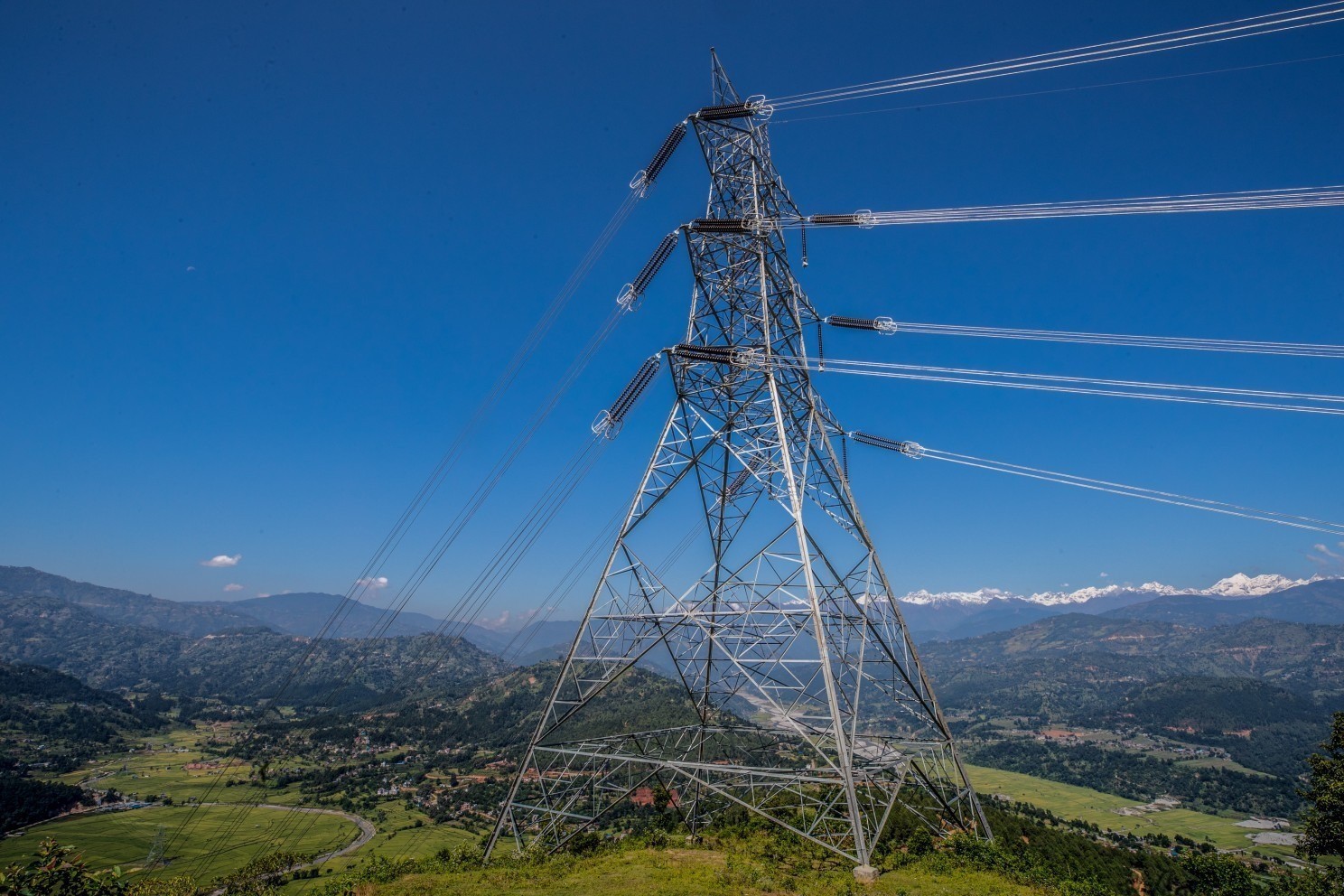
According to him, the bank plans to mobilize $50 billion by 2035 under the Pan-Asian Power Grid initiative. The initiative will facilitate the cross-border transmission of 20 gigawatts of renewable electricity and improve access to electricity for 200 million people.
Masato Kanda noted that implementing the project requires not only the construction of electricity transmission lines but also agreements between countries on tariffs, technical standards and regulations governing electricity trade.
In addition, ADB aims to mobilize another $20 billion by 2035 under the Asia-Pacific Digital Highway initiative. The project could improve internet connectivity for up to 650 million people, including providing 200 million people with reliable broadband internet access for the first time. It also envisages connecting approximately 300,000 schools and more than 25,000 hospitals and other healthcare facilities to the internet.
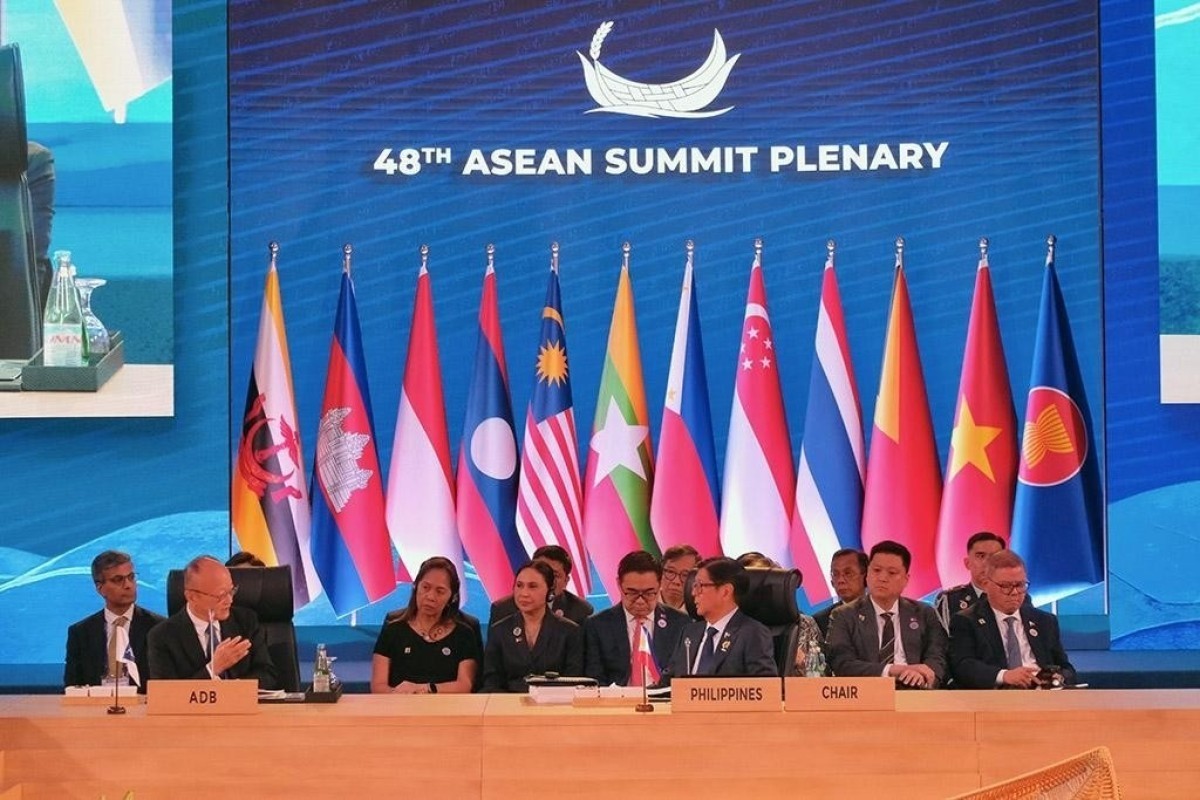
The ADB President said the bank has committed to mobilizing $30 billion for member countries of the Association of Southeast Asian Nations (ASEAN) by 2030. The funds will be directed toward developing the regional power grid and digital economy, integrating capital markets and managing water resources.
Masato Kanda emphasized that ADB also plays a leading role in regional cooperation and economic integration in Central and West Asia, South Asia and the Pacific region.
According to him, for the first time in the bank's history, shareholders amended ADB's Charter, increasing its annual financing capacity by 50% without raising additional capital. The bank also aims to quadruple private investment by 2030.
The ADB President also addressed the region's macroeconomic outlook. He said economic growth in the Asia-Pacific region is expected to reach 5% in 2026, while inflation is projected to rise to 4.2% from 3% last year.
Masato Kanda noted that amid the energy transition, the development of artificial intelligence technologies and the reshaping of global supply chains, regional integration is crucial for attracting investment, creating new jobs and strengthening economic resilience.




 Follow us on Telegram
 t.me/apanewsaz
 Follow us on Instagram
 Follow us on TikTok
 Follow us on Facebook
 Follow us on X