












Baku-APA. Egyptians head to the polls on Monday for the first parliamentary elections since former President Hosni Mubarak, seen by Israel as a trustworthy ally during his 30 years’ reign, stepped down in February, APA reports quoting Xinhua.
Now that Mubarak who upheld the peace treaty between the two states despite its unpopularity in Egypt is gone, there is a growing concern in Israel that the stable ties it enjoyed during the Mubarak era is about to change.
However, analysts told Xinhua that the vote would have a limited effect on the country’s relations with Israel.
PARTY POLITICS
"One has to be careful with predictions, but the general sense is that the Freedom (and Justice) Party, which is related to the Muslim Brotherhood (MB), is going to do very well," said Dr. Jonathan Spyer of the Interdisciplinary Center in Herzliya.
Nevertheless, Spyer pointed out that the Muslim Brotherhood is not fielding enough candidates to gain a majority in the parliament.
Even if the MB would win a large number of seats, there is still the question that if they would try to ally themselves with an Islamic or secular party to form a coalition, according to Spyer.
Dr. Michael Eppel of the University of Haifa said that "if the next government is under the influence of the Muslim Brotherhood, its attitude towards Israel might be less favorable than it is today."
But Eppel argued that should the MB become a major political force, the real question that remains to be seen is whether or not the new government would take a pragmatic stance. "How big will the influence of anti-Western and anti-Israel attitudes be, or ( are they taking) a more pragmatic stand according to the interests of Egypt as a state," he said.
Eppel is concerned about the popular pressure on the Egyptian government, which may choose to show its strength by using anti- Israeli rhetoric.
PRESIDENTIAL ELECTIONS
Spyer pointed out that "whatever results of the parliamentary elections are, the foreign and security policy will remain in the hands of Egyptian president."
"Presidential elections are due in June 2012, and only at that point will we begin to know what Egypt’s future relations with Israel is going to look like," Spyer argued, "This (parliamentary elections) isn’t going to have any effect on foreign and security policy of any kind."
"It’s not possible to make accurate predications, but certainly it will give a sense of the extent of how this movement enjoys popular support. And in this sense it will be an indicator of what is to come," Spyer said regarding the parliamentary elections.
He said that the result depends on who will be running and how many candidates there will be.
Eppel argued that "we have to remember that the Muslim Brotherhood doesn’t have its own candidate for the presidential election."
"So this gives hope that the next president will be moderate and will maintain the national interest of Egypt to preserve peace with Israel and the Egyptian position as someone who can mediate between Israel and the Palestinians," Eppel said.
Most of the Egyptian army and the foreign ministry will try to keep a more pragmatic attitude towards Israel, but public’s anger might be pushing Egyptian-Israeli ties to an even worse situation, Eppel added.
Egypt’s parliamentary elections not to immediately affect relations with Israel

 29 November 2011 03:50 (UTC +04:00)



 İDMAN XƏBƏR
 Follow us on Telegram
 t.me/apanewsaz
 Follow us on Instagram
 Follow us on TikTok
 Follow us on Facebook
 Follow us on X
Africa
Two killed, five injured in shooting in S. Africa
16:09
 14 October 2026
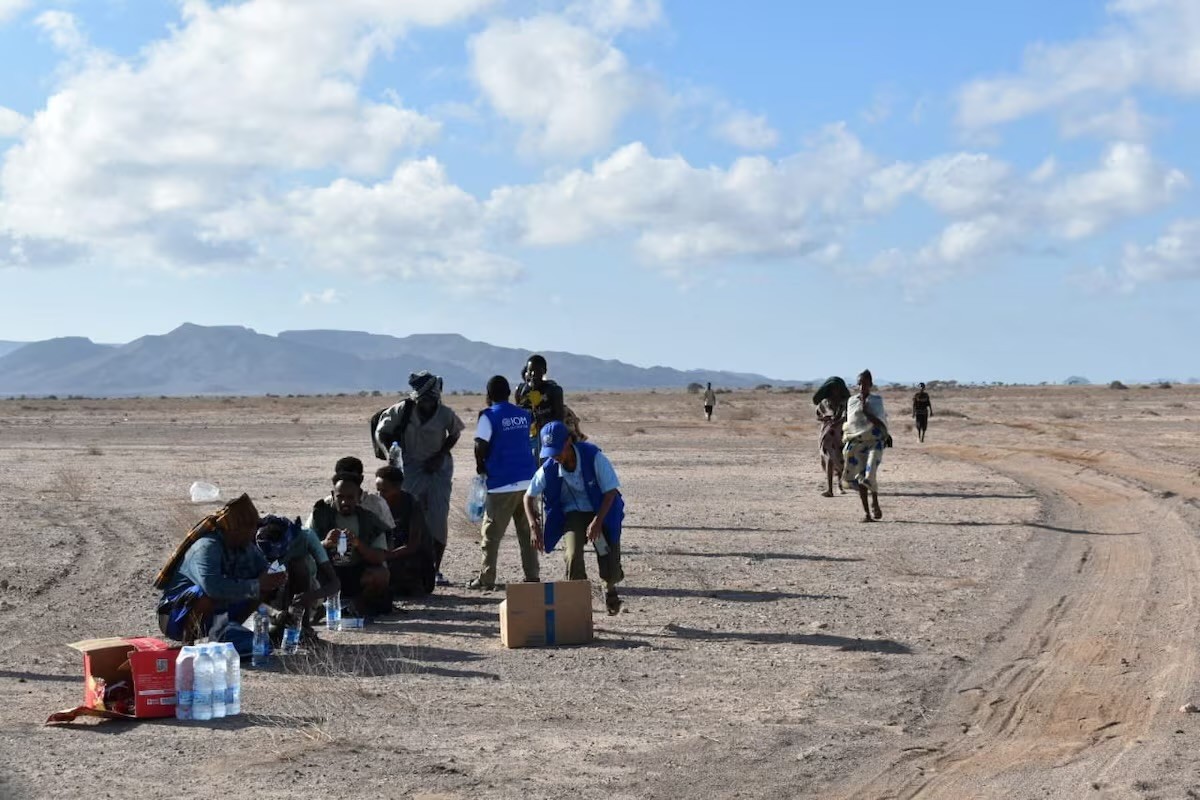
At least 139 migrants dead, including some children, after boat from Djibouti to Yemen capsizes, UN agency says
21:17
11 October 2026
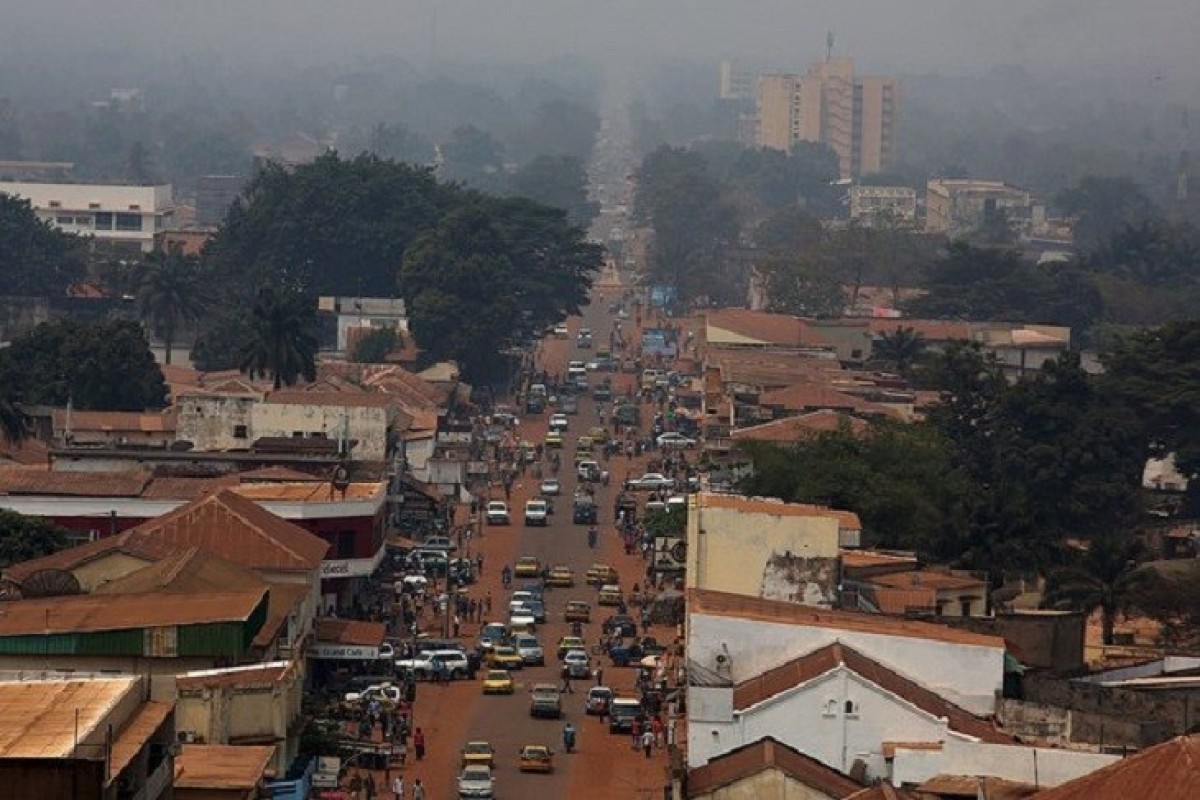
Central African Republic foils planned large-scale militant attack
07:04
11 October 2026
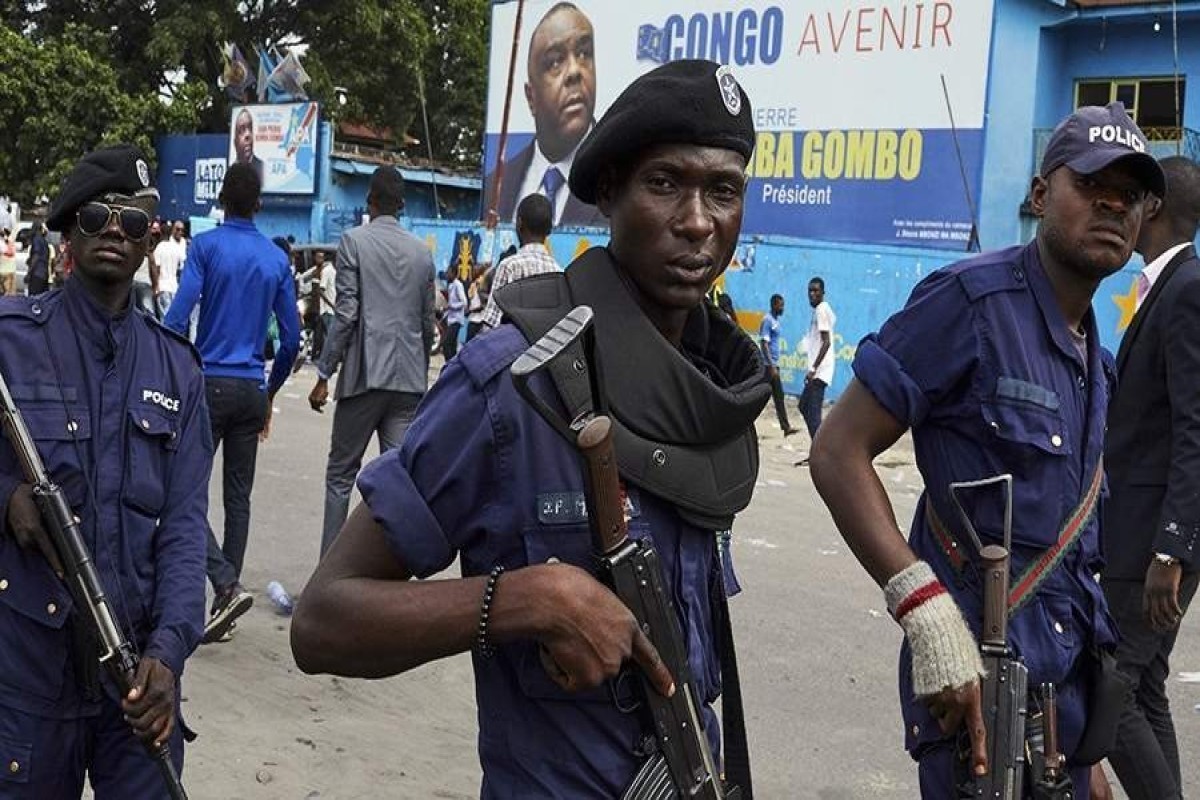
Rebel attack kills 11 civilians in DR Congo
05:16
11 October 2026

NEWS FEED
Heydar Aliyev International Airport to switch to autumn-winter flight schedule
14:39
16 October 2026
Foreign Minister Jeyhun Bayramov meets with CICA Secretary General Kairat Sarybay
14:11
16 October 2026
Azerbaijan prevents smuggling of 35 kg of drugs from Iran
14:10
16 October 2026
FM Mirzoyan: Armenia-Türkiye border could open at any moment
14:05
16 October 2026
Media representatives familiarize themselves with demining operation carried out by MES in Aghdam - PHOTO
14:01
16 October 2026
Peskov accuses Zelenskyy of refusing to assume responsibility
14:00
16 October 2026
Lukashenko orders expansion of volunteer defense units in Belarus
13:50
16 October 2026
Death toll from Istanbul floods reaches 4, three people missing
13:39
16 October 2026
Araghchi: Iran concerned about US presence in region, but trusts Armenia
13:37
16 October 2026
Prospects for LNG supplies to Vietnam discussed in Baku
13:16
16 October 2026
9th Congress of Azerbaijani journalists held - PHOTO - UPDATED - 1
13:02
16 October 2026
SOCAR announces intention to purchase gas from Gazprom
12:59
16 October 2026
ADY chairman attends New Silk Way Business Forum in Kazakhstan
12:57
16 October 2026
President Ilham Aliyev awards group of individuals for contributions to development of Paralympic movement
12:55
16 October 2026
President Ilham Aliyev received newly appointed Georgian ambassador to Azerbaijan
12:54
16 October 2026
President Ilham Aliyev received newly appointed Indian ambassador to Azerbaijan
12:50
16 October 2026
Press Council will continue its activities to develop journalism - Chairman
12:37
16 October 2026
Azerbaijan detains six foreigners over attempted illegal border crossings
12:33
16 October 2026
Chemical production indicators in Azerbaijan announced - TABLE
12:30
16 October 2026
High demand could help Azerbaijan increase export potential of halal products - Deputy Chairman
12:25
16 October 2026
New board of Directors of Azerbaijan’s Press Council formed
12:15
16 October 2026
Fuel oil production sharply increases in Azerbaijan - TABLE
12:09
16 October 2026
Azerbaijan Press Council elects new Chairman
12:03
16 October 2026
Parliament committee chairman: Artificial intelligence cannot replace civil servants
12:02
16 October 2026
Nearly 30 bcm of gas transported through Azerbaijan’s main pipelines this year
11:57
16 October 2026
28 state standards reviewed in Azerbaijan
11:57
16 October 2026
State standards to become more accessible to businesses - Deputy Chairman
11:53
16 October 2026
AZSTAND: Nearly 4,000 new regulatory documents to be developed in Azerbaijan
11:50
16 October 2026
Russia’s Ryazan Oil Refinery hit by drone attack again
11:48
16 October 2026
Key indicators of Azerbaijan's oil and gas sector - TABLE
11:48
16 October 2026
Number of state standards adopted in Azerbaijan nearly triples
11:44
16 October 2026
Volume of oil transported via BTC this year announced
11:44
16 October 2026
Speaker: Ilham Aliyev’s election as President in 2003 holds special place in country’s history
11:42
16 October 2026
Azerbaijan drafts new Civil Service Code, plans to repeal 6 laws
11:41
16 October 2026
Nasar Hayat: FAO remains committed to continuing cooperation with Azerbaijani government
11:39
16 October 2026
Natiq Mammadli: Media and Broadcasting Council works intensively to counter disinformation against Azerbaijan
11:38
16 October 2026
Israeli President traveled to Baku on commercial flight – uproar in Türkiye has no basis
11:35
16 October 2026
Azerbaijan to set retirement age based on maximum service age for each rank
11:30
16 October 2026
Azerbaijan changes calculation of insurance part of labor pensions, social insurance reserve to increase
11:30
16 October 2026
Azerbaijan to increase salaries of military personnel
11:26
16 October 2026
Person accused of fraud extradited from Russia to Azerbaijan
11:26
16 October 2026
Azerbaijan to adopt new standards in artificial intelligence and digitalization
11:24
16 October 2026
Azerbaijan to bar clergy and persons with foreign citizenship from civil service positions
11:23
16 October 2026
Azerbaijan's population reaches 10.28 million
11:18
16 October 2026
FAO: Innovation can help address challenges faced by farmers in Azerbaijan
11:16
16 October 2026
Azerbaijani Parliament sends congratulatory letter to President and First Vice-President on Independence Restoration Day
11:10
16 October 2026
Azerbaijan and Uzbekistan hold 2nd Rectors' Forum in Khankendi
11:07
16 October 2026
Azerbaijani Parliament begins its next session
11:05
16 October 2026
Azerbaijani journalists adopt new ethical principle on artificial intelligence
11:03
16 October 2026
Mirzoyan: Iran's concerns over TRIPP have been resolved
10:55
16 October 2026


