












Baku-APA. Without excited crowds lining up outside polling stations, Moroccans casted their votes quietly and orderly on Friday to elect the country’s first parliament since a July 1 constitutional referendum in which the king ceded part of his power to the government, APA reports quoting Xinhua.
Morocco opened its parliamentary elections on Friday, which was brought forward from September 2012 due to widespread unrest in the Arab world, with a total of 7,102 candidates from 31 parties competing for 395 seats.
Since 8:00 a.m. local time (0800 GMT), voters started to cast their ballots in 45,000 polling stations in the North African country.
Low enthusiasm was seen among about 13 million registered voters as the number of people who casted ballots Friday morning in polling stations in the capital Rabat was small and most of them are elders.
The official MAP news agency reported that the turnout in elections reached 11.5 percent at 12:00 local time (1200 GMT), citing figures released by the Interior Ministry.
MAP also reminded the voters that the polls would remain open until 7:00 p.m. (1900 GMT), trying to persuade them to come to the polling stations.
Unlike the constituent assembly elections held in Tunisia last month when people queued up for two hours to cast their ballots, polling was quietly organized in Morocco as each of polling stations in Rabat received no more than 400 voters in four hours after it opened.
During the election campaign, posters and rallies for candidates are rarely seen in the capital. However, there are banners made by the government urging voters to "perform their duty" to "participate in the reform process in the country."
"We see the same parties and same faces of candidates in the previous elections. Every time they present similar policies that bring few changes to the country," said Anass Fakhar who refused to vote in the elections.
"I know that their polices would not bring jobs for the youths, " he added.
On the eve of the legislative elections, more than 1,000 college graduates gathered near the parliament in central Rabat, calling for boycotting the elections.
"Look at us, we all have bachelor degrees but don’t have jobs," one of the organizers Charaf el-Haifoug said, adding that "every time the parties promise to solve unemployment in the country but they did not keep their promises at last."
In this North African country, more than 30 percent of youths do not have jobs, bringing the unemployment rate in the country to about 10 percent.
"We have to see the bright side of the elections. The king has launched reforms to improve people’s lives, so we have to do our duty to choose a government that can implement the polices," said Souad, who teaches French, after she casted her vote.
According to the new constitution, the king will appoint the prime minister from the party winning most seats in the parliament.
The most recent parliamentary elections were held in September 2007. The voter turnout was disappointing, with only 37 percent of registered voters casting ballots, reflecting Moroccans’ lack of interest in politics.
The main opposition Islamic Justice and Development Party (PJD), the newly formed Alliance for Democracy, also known as G8, which includes eight parties grouping around the National Rally of Independents close to the royal family, and Ketela Coalition comprising the ruling Istiqlal Party are the three front runners.
The PJD and the Alliance for Democracy are widely expected to gain the polls as the ruling Istiqlal Party were criticized for their performances in the past four years. Local observers said the PJD, who promised to increase the minimum wage by 50 percent, cut poverty in half and speed up economic growth from the 4.5 percent forecast for this year to 7 percent, has a real chance to lead the next government.
Early election results are expected to be announced at Friday midnight.
If the PJD wins, it will be the second Islamic party that grasps power amid widespread political unrest in the Arab world, after Tunisia’s Ennahda party winning 89 seats in a 217-member constituent assembly last month. Meanwhile, in Egypt, the Muslim Brotherhood is also popular ahead of elections.
Feature: Morocco holds parliamentary elections, voters show low enthusiasm

 25 November 2011 18:38 (UTC +04:00)



 İDMAN XƏBƏR
 Follow us on Telegram
 t.me/apanewsaz
 Follow us on Instagram
 Follow us on TikTok
 Follow us on Facebook
 Follow us on X
Africa
Two killed, five injured in shooting in S. Africa
16:09
 14 October 2026
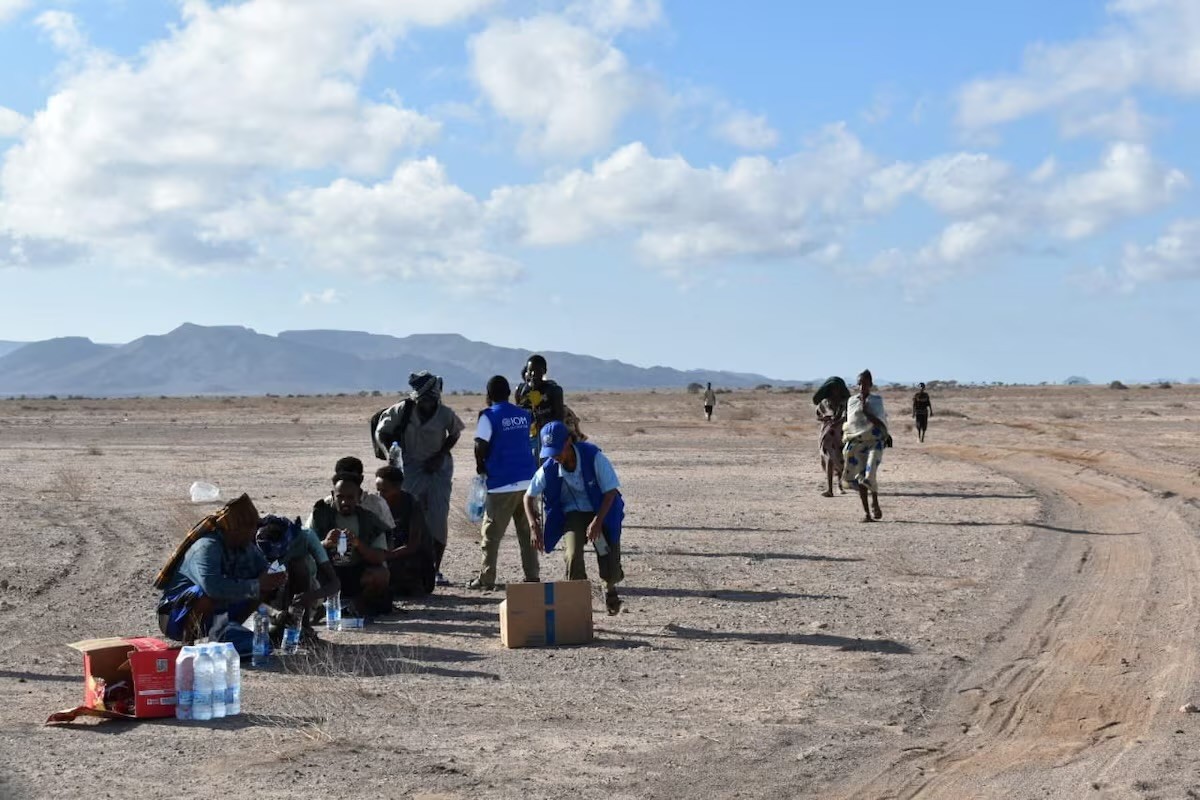
At least 139 migrants dead, including some children, after boat from Djibouti to Yemen capsizes, UN agency says
21:17
11 October 2026
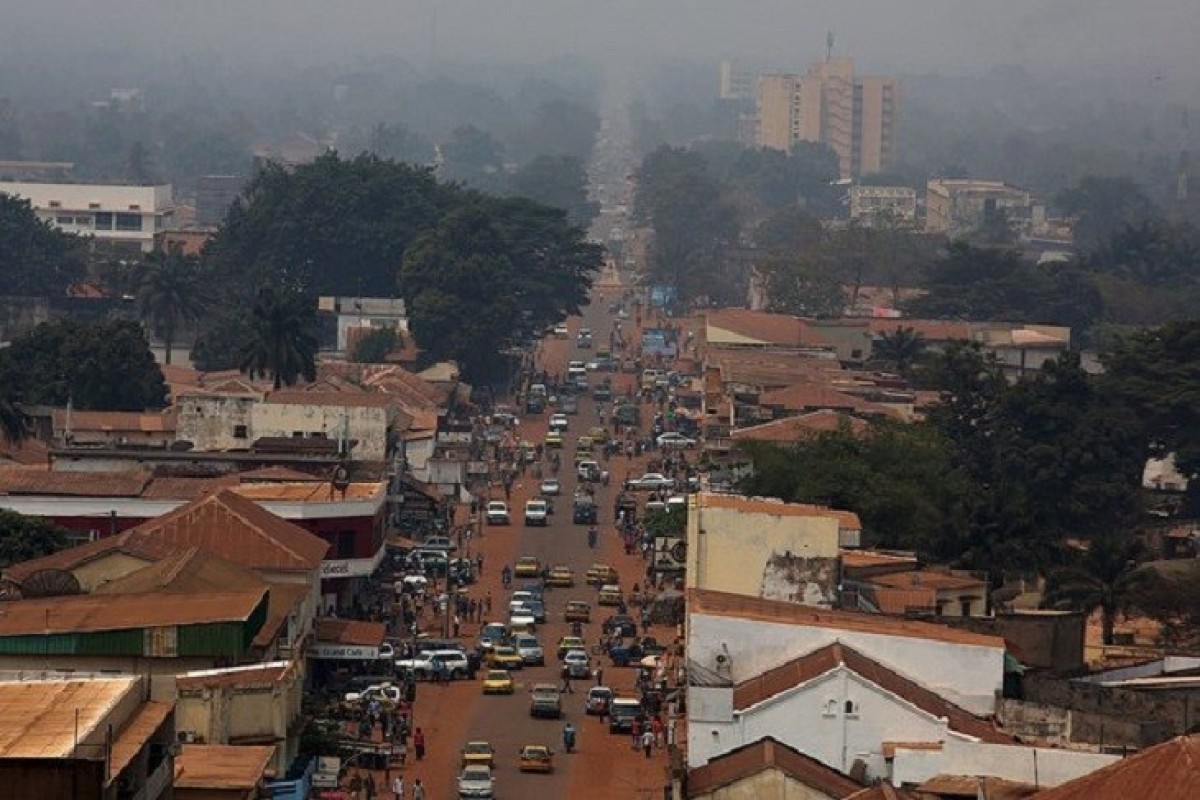
Central African Republic foils planned large-scale militant attack
07:04
11 October 2026
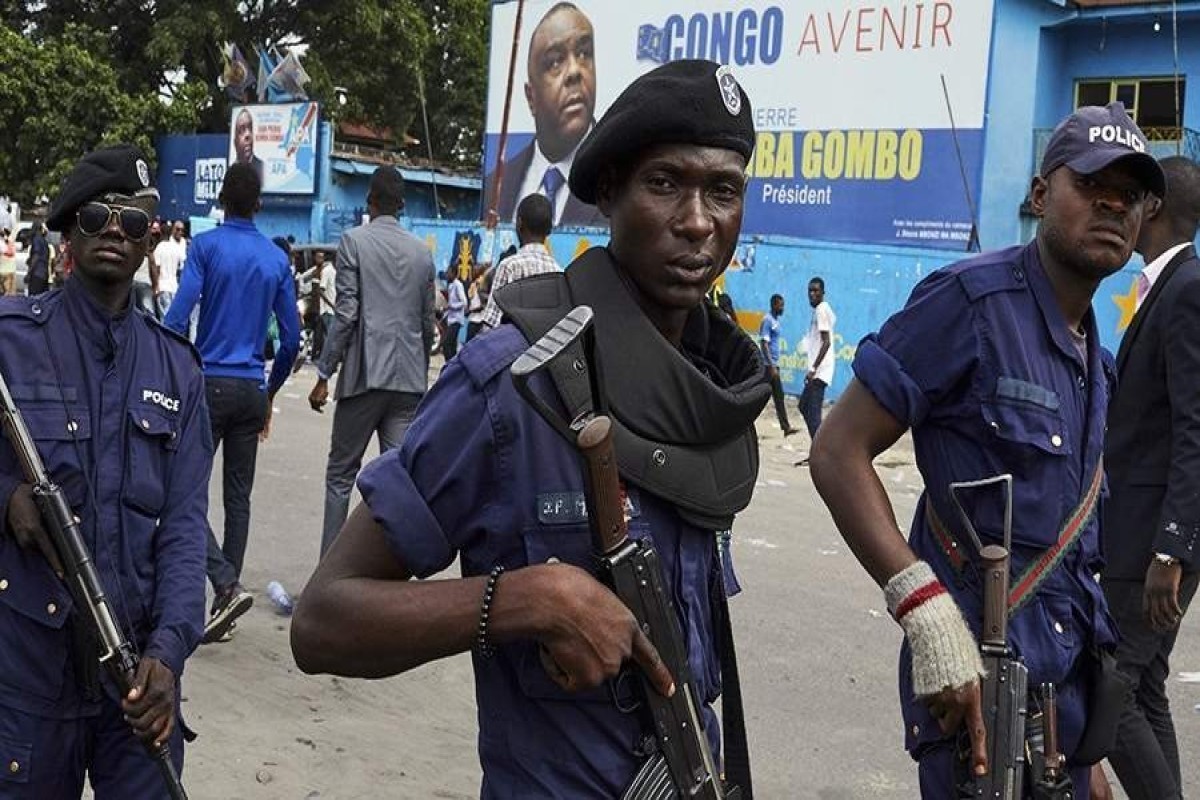
Rebel attack kills 11 civilians in DR Congo
05:16
11 October 2026

NEWS FEED
Heydar Aliyev International Airport to switch to autumn-winter flight schedule
14:39
16 October 2026
Foreign Minister Jeyhun Bayramov meets with CICA Secretary General Kairat Sarybay
14:11
16 October 2026
Azerbaijan prevents smuggling of 35 kg of drugs from Iran
14:10
16 October 2026
FM Mirzoyan: Armenia-Türkiye border could open at any moment
14:05
16 October 2026
Media representatives familiarize themselves with demining operation carried out by MES in Aghdam - PHOTO
14:01
16 October 2026
Peskov accuses Zelenskyy of refusing to assume responsibility
14:00
16 October 2026
Lukashenko orders expansion of volunteer defense units in Belarus
13:50
16 October 2026
Death toll from Istanbul floods reaches 4, three people missing
13:39
16 October 2026
Araghchi: Iran concerned about US presence in region, but trusts Armenia
13:37
16 October 2026
Prospects for LNG supplies to Vietnam discussed in Baku
13:16
16 October 2026
9th Congress of Azerbaijani journalists held - PHOTO - UPDATED - 1
13:02
16 October 2026
SOCAR announces intention to purchase gas from Gazprom
12:59
16 October 2026
ADY chairman attends New Silk Way Business Forum in Kazakhstan
12:57
16 October 2026
President Ilham Aliyev awards group of individuals for contributions to development of Paralympic movement
12:55
16 October 2026
President Ilham Aliyev received newly appointed Georgian ambassador to Azerbaijan
12:54
16 October 2026
President Ilham Aliyev received newly appointed Indian ambassador to Azerbaijan
12:50
16 October 2026
Press Council will continue its activities to develop journalism - Chairman
12:37
16 October 2026
Azerbaijan detains six foreigners over attempted illegal border crossings
12:33
16 October 2026
Chemical production indicators in Azerbaijan announced - TABLE
12:30
16 October 2026
High demand could help Azerbaijan increase export potential of halal products - Deputy Chairman
12:25
16 October 2026
New board of Directors of Azerbaijan’s Press Council formed
12:15
16 October 2026
Fuel oil production sharply increases in Azerbaijan - TABLE
12:09
16 October 2026
Azerbaijan Press Council elects new Chairman
12:03
16 October 2026
Parliament committee chairman: Artificial intelligence cannot replace civil servants
12:02
16 October 2026
Nearly 30 bcm of gas transported through Azerbaijan’s main pipelines this year
11:57
16 October 2026
28 state standards reviewed in Azerbaijan
11:57
16 October 2026
State standards to become more accessible to businesses - Deputy Chairman
11:53
16 October 2026
AZSTAND: Nearly 4,000 new regulatory documents to be developed in Azerbaijan
11:50
16 October 2026
Russia’s Ryazan Oil Refinery hit by drone attack again
11:48
16 October 2026
Key indicators of Azerbaijan's oil and gas sector - TABLE
11:48
16 October 2026
Number of state standards adopted in Azerbaijan nearly triples
11:44
16 October 2026
Volume of oil transported via BTC this year announced
11:44
16 October 2026
Speaker: Ilham Aliyev’s election as President in 2003 holds special place in country’s history
11:42
16 October 2026
Azerbaijan drafts new Civil Service Code, plans to repeal 6 laws
11:41
16 October 2026
Nasar Hayat: FAO remains committed to continuing cooperation with Azerbaijani government
11:39
16 October 2026
Natiq Mammadli: Media and Broadcasting Council works intensively to counter disinformation against Azerbaijan
11:38
16 October 2026
Israeli President traveled to Baku on commercial flight – uproar in Türkiye has no basis
11:35
16 October 2026
Azerbaijan to set retirement age based on maximum service age for each rank
11:30
16 October 2026
Azerbaijan changes calculation of insurance part of labor pensions, social insurance reserve to increase
11:30
16 October 2026
Azerbaijan to increase salaries of military personnel
11:26
16 October 2026
Person accused of fraud extradited from Russia to Azerbaijan
11:26
16 October 2026
Azerbaijan to adopt new standards in artificial intelligence and digitalization
11:24
16 October 2026
Azerbaijan to bar clergy and persons with foreign citizenship from civil service positions
11:23
16 October 2026
Azerbaijan's population reaches 10.28 million
11:18
16 October 2026
FAO: Innovation can help address challenges faced by farmers in Azerbaijan
11:16
16 October 2026
Azerbaijani Parliament sends congratulatory letter to President and First Vice-President on Independence Restoration Day
11:10
16 October 2026
Azerbaijan and Uzbekistan hold 2nd Rectors' Forum in Khankendi
11:07
16 October 2026
Azerbaijani Parliament begins its next session
11:05
16 October 2026
Azerbaijani journalists adopt new ethical principle on artificial intelligence
11:03
16 October 2026
Mirzoyan: Iran's concerns over TRIPP have been resolved
10:55
16 October 2026


