




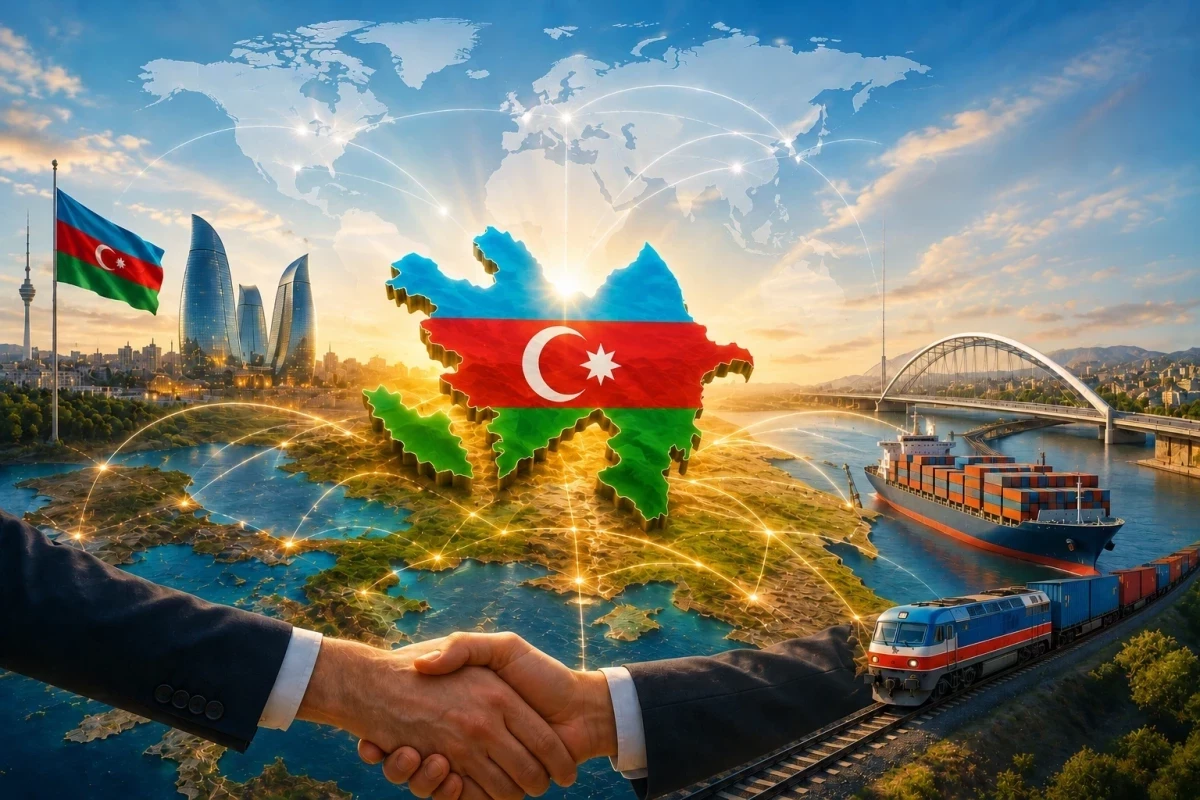


The 9th Summit of the European Political Community (EPC), to be held on November 12, 2026, in Dublin, the capital of Ireland, is of great importance in terms of Europe's political, economic and security agenda. Azerbaijan's position also attracts particular interest at the summit, which will focus on the geopolitical challenges facing Europe, energy security issues, the sustainability of transport and communication routes, and regional conflicts.
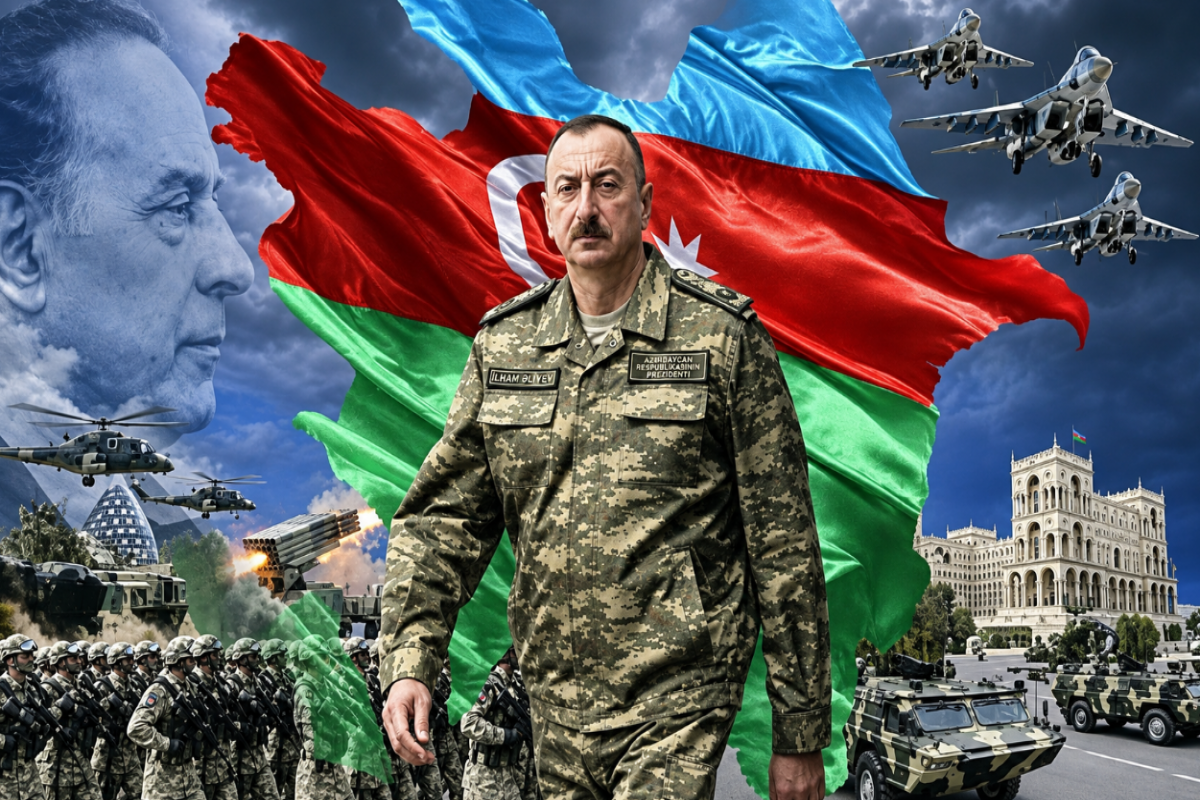
There are several important reasons for this interest. First of all, Azerbaijan, in addition to its strategic geographical position between Europe and Asia, is an important partner for European countries in terms of energy security, transport connectivity and regional stability. On the other hand, as a result of the foreign policy pursued under the leadership of President Ilham Aliyev, Azerbaijan has expanded its opportunities to defend its interests in the system of international relations, establish cooperation with various centers of power and influence regional processes.
The fact that the President of Azerbaijan has been invited to this platform since the first Summit of the European Political Community is also one of the indicators of our country's importance to Europe. President Ilham Aliyev's participation in the first meeting, held in Prague on October 6, 2022, demonstrated that Azerbaijan had been represented in the activities of this newly established political platform from the very beginning. Within the framework of these summits, contacts and meetings in various formats have taken place between President Ilham Aliyev and the leaders of the European Union and individual European countries. Energy, transport, security and regional cooperation have been among the main topics discussed at these meetings.
The overall theme of the upcoming summit in Dublin is also noteworthy: "Europe – strong, secure and connected." These priorities directly coincide with the main areas of Azerbaijan's cooperation with Europe in recent years.
Azerbaijan's growing importance in energy security
One of the main reasons for European countries' particular interest in cooperation with Azerbaijan is energy security. Following the Russia-Ukraine war, the issue of diversifying the energy supply of European countries and expanding alternative sources and routes has become even more relevant. In this process, Azerbaijan has strengthened its position as one of Europe's reliable energy partners.
The delivery of natural gas from the Caspian basin to European markets through the Southern Gas Corridor is one of the most important outcomes of this cooperation. According to the European Commission, gas supplies from Azerbaijan to the European Union increased by more than 40 percent between 2021 and 2024. In 2025, Azerbaijan and SOCAR supplied 12.5 billion cubic meters of natural gas to European Union member states. This represents an increase of 53.8 percent compared to 2021.
These figures demonstrate that Azerbaijan's role in Europe's energy security is not limited to political statements but is based on concrete economic and infrastructure results. Moreover, the Memorandum of Understanding on Strategic Partnership in the Field of Energy signed between Azerbaijan and the European Union in 2022 confirms the long-term nature of this cooperation.
Another important point is that Azerbaijan's energy policy is not limited to oil and gas exports. The development of renewable energy sources, the utilization of the Caspian Sea's wind energy potential, and the establishment of "green energy" corridors are taking the country's importance for Europe to a new level. Thus, Azerbaijan is expanding its opportunities to become an important partner in Europe's future security in both conventional and "green energy."
Middle Corridor: Azerbaijan's strategic transport importance for Europe
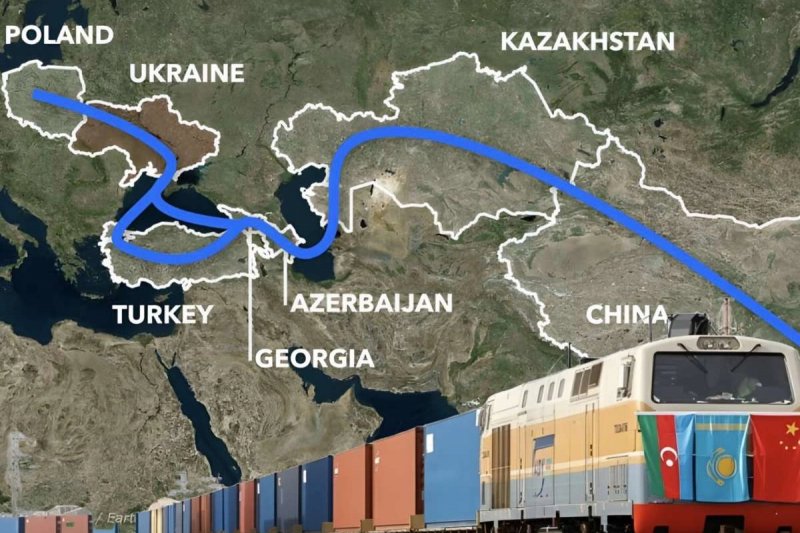
Another key factor increasing Azerbaijan's geopolitical and geoeconomic importance is the Middle Corridor. This route, which starts in China and Central Asia and extends to Europe through the Caspian Sea, Azerbaijan, Georgia and Türkiye, is gaining increasing importance as an alternative transport route in the global trade and logistics system.
Changes in the system of international relations in recent years, the Russia-Ukraine war, tensions in the Middle East, and security risks emerging along traditional maritime routes have increased the importance of alternative transport connections between Europe and Asia. Under these circumstances, the Middle Corridor is viewed not only as an economic project but also as a means of ensuring the security and sustainability of supply chains.
Azerbaijan is one of the key links in this route. Port infrastructure in the Caspian Sea, the Baku-Tbilisi-Kars railway, highways and other transport projects have expanded our country's transit capabilities. In 2025, the volume of freight transportation along Azerbaijan's East-West transport corridor amounted to 16.9 million tons. This figure demonstrates the country's growing role in the international logistics system.
The European Union also takes into account Azerbaijan's potential in this area. In January 2026, the European Union, Azerbaijan and the European Bank for Reconstruction and Development agreed to launch feasibility studies for the development of the Nakhchivan railway project. The project is considered part of the expansion of the Trans-Caspian transport corridor connecting Europe and Central Asia.
In this regard, Azerbaijan's importance to Europe is not measured solely by the supply of energy resources. Our country also plays an important role in Europe's access to Asian markets, the diversification of trade routes and the security of supply chains.
Azerbaijan – a model of stability and reliable partnership in the region
Another important factor increasing Azerbaijan's significance for Europe is its ability to maintain stability in a complex geopolitical environment. Our country borders states such as Russia and Iran, which are involved in significant geopolitical processes in the region. The continuation of the Russia-Ukraine war to the north and the tensions surrounding Iran to the south further increase the strategic importance of the South Caucasus.
Under such circumstances, Azerbaijan's ability to maintain domestic stability, continue its economic development and implement international transport and energy projects is among the noteworthy developments. In a complex geopolitical environment, Azerbaijan seeks to balance its relations with various countries, protect its national interests and expand opportunities for regional cooperation.
For European leaders, Azerbaijan's experience in this regard is of interest from several perspectives. First of all, Azerbaijan maintains cooperation in various areas with Western countries, Türkiye, Central Asian countries, as well as Russia, Iran and China. This enables our country to maintain its position in a region where different geopolitical interests intersect and pursue an independent policy in the system of international relations.
In this context, President Ilham Aliyev's messages are awaited with particular interest. This is because a position based on direct experience is being presented on issues of regional security, energy routes, transport connectivity and the sovereignty of states.
Azerbaijan's international position as a "middle power" is strengthening

In the modern system of international relations, the role of not only major powers but also countries considered "middle powers" is increasing. "Middle powers" use their economic, political and diplomatic capabilities to influence regional processes and contribute to the creation of cooperation platforms between various centers of power.
Azerbaijan's foreign policy in recent years is one of the noteworthy examples in this regard. During its chairmanship of the Non-Aligned Movement, our country put forward initiatives aimed at strengthening international solidarity and played an important role in the global climate agenda by hosting COP29. At the same time, it has actively participated in the development of political and economic relations between Central Asia, the South Caucasus, Türkiye and Europe.
Azerbaijan's hosting of COP29 also became an indicator of the country's organizational and diplomatic capabilities. The adoption of a new collective goal on climate finance and the achievement of agreements on carbon markets at the Baku conference demonstrated Azerbaijan's experience gained in the process of international negotiations.
This experience shows that Azerbaijan is capable of putting forward initiatives not only on regional issues but also in addressing problems of global significance. This, in turn, creates conditions for strengthening the country's position as a "middle power" in the system of international relations.
The European Political Community Summits are also an important platform for Azerbaijan to demonstrate these capabilities. President Ilham Aliyev's contacts with European leaders and his direct communication of his position on regional and global issues at these meetings serve to expand our country's diplomatic relations.
The peace process with Armenia strengthens Azerbaijan's regional agenda

One of the important factors increasing Azerbaijan's significance for Europe is the promotion of peace and cooperation in the South Caucasus. The initialing of the text of the peace agreement between the foreign ministers of Azerbaijan and Armenia in Washington on August 8, 2025, and the signing of the Joint Declaration with the participation of President Ilham Aliyev, US President Donald Trump and Armenian Prime Minister Nikol Pashinyan were important events in terms of the formation of a new political reality in the region.
The initialing of the agreement and the agreements reached on opening communications create new prospects for the long-term development of the South Caucasus. In particular, the expansion of East-West transport connections, the development of regional trade and the strengthening of economic cooperation are also of strategic interest to Europe.
The main feature of Azerbaijan's approach in this regard is that the country views regional security in connection with economic development and transport connectivity. In other words, peace is presented not only as a political agreement but also as a new stage of cooperation that creates economic dividends for the countries of the region.
This process is of particular importance to European leaders. This is because strengthening stability in the South Caucasus expands Europe's access to Central Asia and increases the security of energy and transport projects. Therefore, President Ilham Aliyev's position on the peace process with Armenia, regional communications and future cooperation will be one of the noteworthy topics at the upcoming summit in Dublin.
Azerbaijan's image as a reliable partner

President Ilham Aliyev's participation in the European Political Community Summits and his numerous contacts with European leaders are indicators of Azerbaijan's growing weight in the system of international relations. The importance of these contacts is not limited to diplomatic protocol. They address Europe's fundamental interests, such as energy security, transport connectivity, regional stability and economic cooperation.
Azerbaijan's image as a reliable partner is shaped precisely in these areas. Our country fulfills its commitments in energy supply, invests in international transport projects and demonstrates its interest in expanding regional cooperation. At the same time, its pursuit of an independent foreign policy in a complex geopolitical environment increases its importance to international partners.
The theme of the 9th Summit to be held in Dublin – a strong, secure and connected Europe – is directly related to Azerbaijan's interests and capabilities. For this reason, President Ilham Aliyev's messages regarding Europe's security architecture, energy supply, the Middle Corridor, peace in the South Caucasus and regional cooperation are expected to be followed with particular attention.
The main point here is that Azerbaijan is no longer merely a country from which Europe obtains energy resources. It is a state that participates in establishing strategic connections between Europe and Asia, influences regional security and has its own position on international issues.
One of the results of the foreign policy pursued by President Ilham Aliyev is the expansion of Azerbaijan's opportunities to express its interests on various international platforms and engage in direct dialogue with its partners. Invitations to the European Political Community Summits and meetings with the leadership of the European Union and leaders of individual countries are important indicators of this diplomatic activity.
The upcoming Summit in Dublin is an important platform for once again demonstrating Azerbaijan's strategic importance to Europe. Energy security, the Middle Corridor, regional stability, the peace process with Armenia and Azerbaijan's growing international role are the main factors driving interest in President Ilham Aliyev's messages.
Today, one of the main issues for Europe is expanding cooperation with reliable partners amid changing geopolitical circumstances. Azerbaijan occupies a distinctive place in this system of cooperation through the capabilities it has developed in energy, transport, security and diplomatic relations. The close attention paid to the positions expressed by President Ilham Aliyev on international platforms stems precisely from Azerbaijan's growing geopolitical and geoeconomic importance.


 Follow us on Telegram
 t.me/apanewsaz
 Follow us on Instagram
 Follow us on TikTok
 Follow us on Facebook
 Follow us on X
 ANALYSIS'>