

Joint Statement on the outcomes of the 8th Consultative Meeting of the Heads of State of Central Asia and the Republic of Azerbaijan
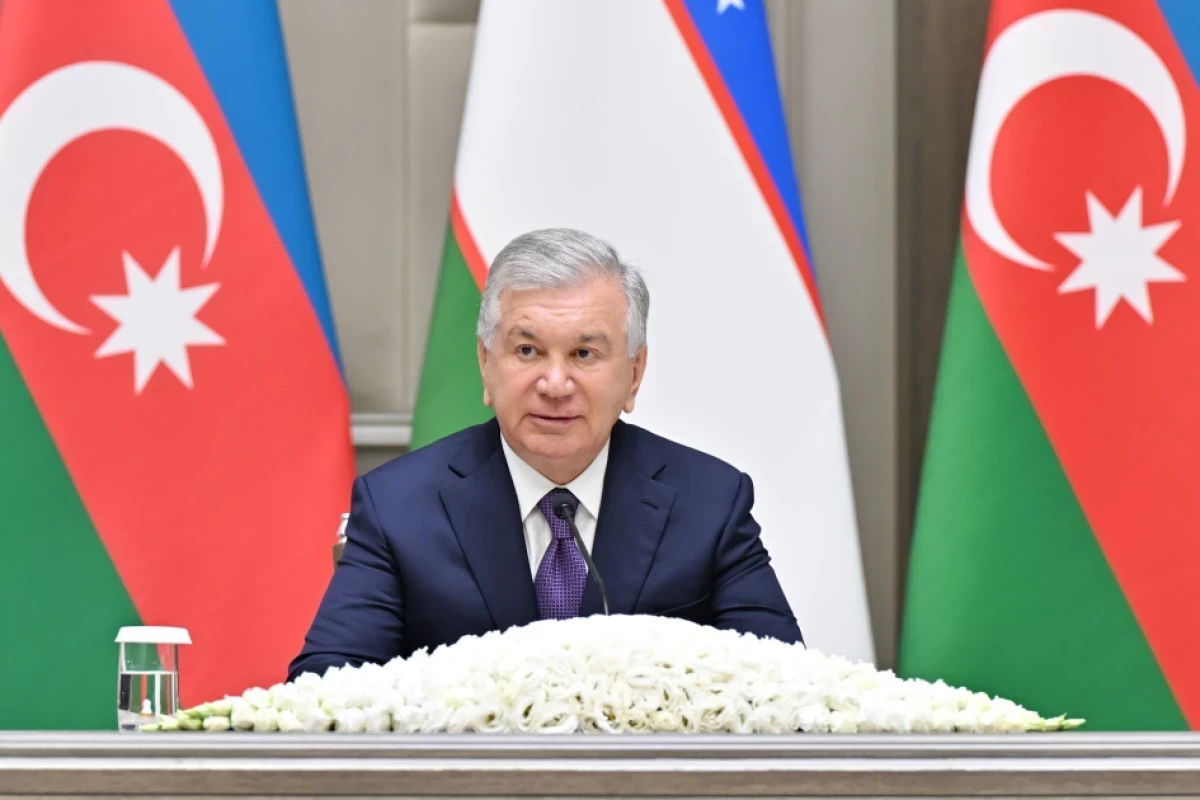
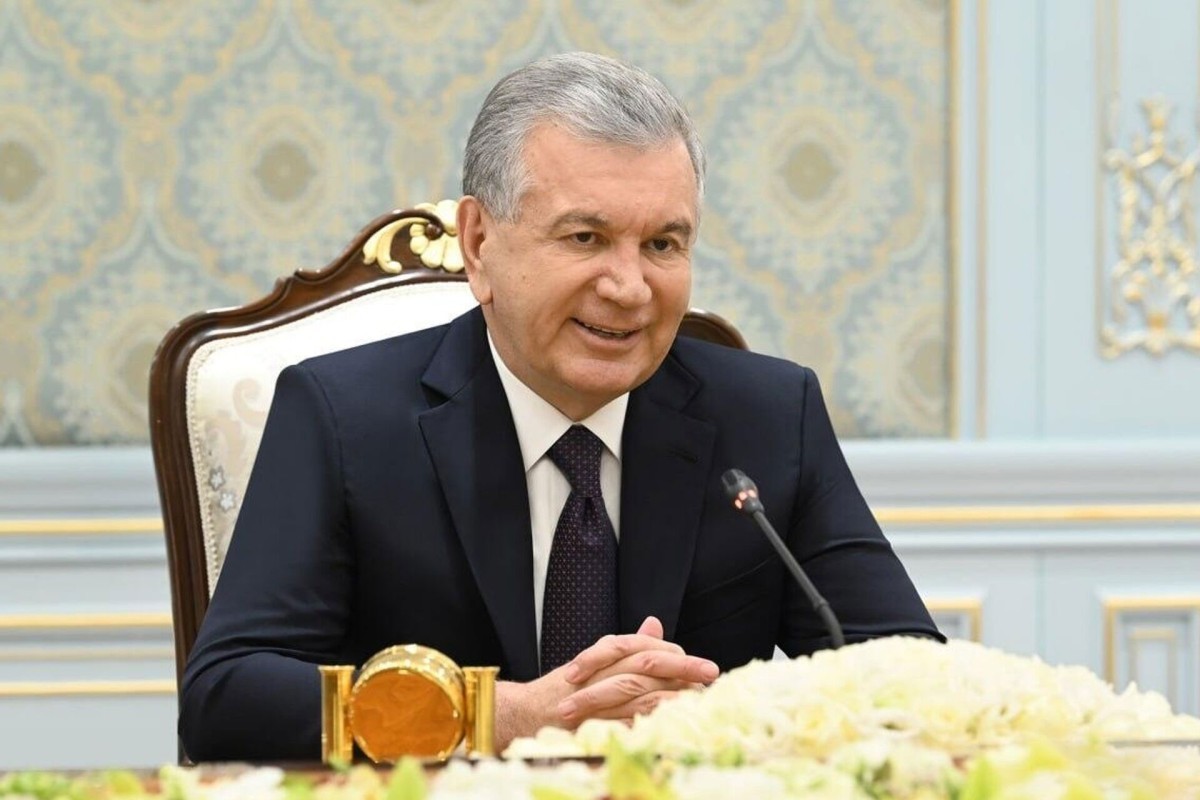
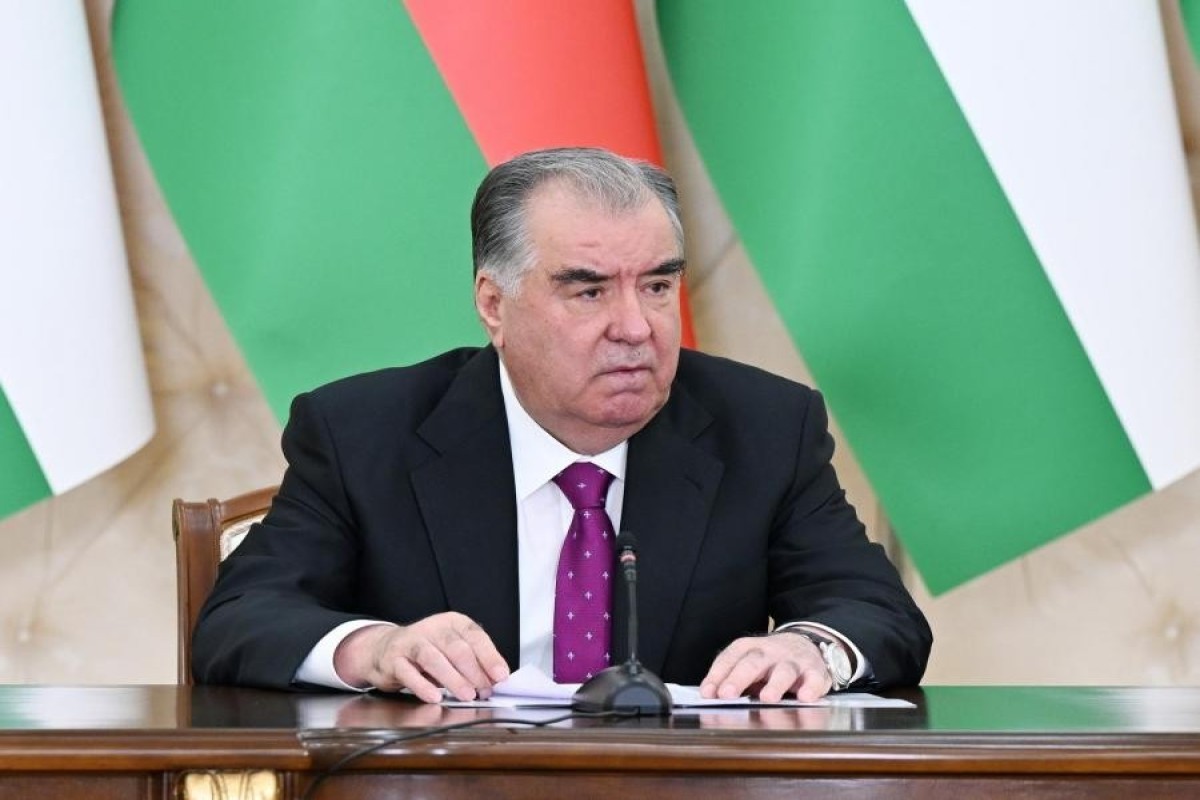
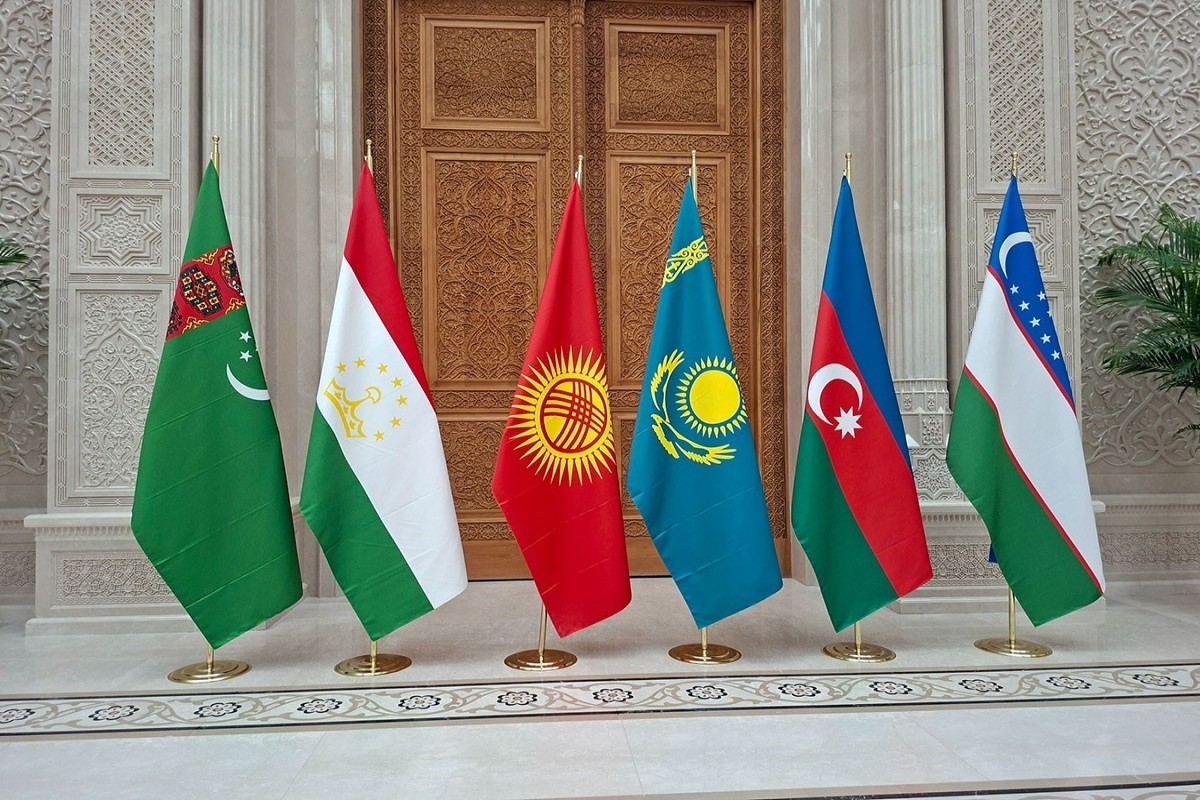
On October 8, 2026, a Joint Statement was signed following the 8th Consultative Meeting of the Heads of State of Central Asia and the Republic of Azerbaijan, held in the city of Turkmenbashi, APA's correspondent dispatched to Turkmenistan reports.
The parties emphasized the importance of the full-fledged participation of the Republic of Azerbaijan in the Consultative Meeting.
The heads of state also highly appreciated the preparations for the organization and holding of the 7th Summit of the Conference on Interaction and Confidence Building Measures in Asia (CICA), scheduled to take place in Baku on October 15, 2026.
In the document, the heads of state reaffirmed their commitment to strengthening cooperation among their countries within the framework of the United Nations, as well as other international organizations of which they are members. They emphasized the importance of the comprehensive and consistent development of multilateral cooperation and the implementation of initiatives aimed at ensuring sustainable development, the well-being of their peoples, and the long-term stability of Central Asian countries and Azerbaijan.
In addition, the parties reaffirmed their commitment to expanding cooperation in the field of regional and international security based on respect for the sovereignty, territorial integrity and national interests of states, including combating terrorism, extremism and radicalism, illegal migration, transnational organized crime, cybercrime, illicit trafficking in drugs and weapons, and human trafficking, as well as preventing and eliminating the consequences of large-scale and transboundary emergencies.
The heads of state emphasized the great potential for expanding trade and economic relations and expressed their readiness to facilitate the further development of trade, deepen investment ties, expand direct business contacts between economic entities, support joint ventures, hold regular business forums and exhibitions, exchange experience in supporting small and medium-sized enterprises, and promote the development of e-commerce at the regional level.
In addition, the heads of state noted the priority importance of developing integrated regional transport infrastructure and, emphasizing the significance of the East-West and North-South international transport corridors as key factors for sustainable economic growth and the expansion of interregional ties, reaffirmed the importance of further developing transit and transport corridors passing through the territories of their countries.
The parties also noted the level of cooperation achieved in the energy sector among the participating countries and expressed their interest in further strengthening this cooperation through the exchange of experience and the exploration of prospects for new projects, including those aimed at developing energy corridors connecting Central Asia and Azerbaijan.
In this regard, they noted the importance of utilizing the opportunities offered by the green energy production and transmission project between Azerbaijan, Kazakhstan and Uzbekistan. The project aims to establish an energy corridor for the export of green electricity from Central Asia to Europe through the Republic of Azerbaijan.
The parties welcomed the establishment of the Regional Acceleration Center of the International Telecommunication Union in Azerbaijan on November 21, 2025, and noted its importance in contributing to the development of digital innovations, supporting startup ecosystems and promoting digital transformation in Azerbaijan and the wider region. They also emphasized that the main objective of the Center is to strengthen innovation and entrepreneurship potential, develop cooperation among ecosystem participants and accelerate digital transformation in the region.
The heads of state also noted the need to strengthen cooperation in the following areas and expressed their readiness to support activities carried out in these directions:
- Developing interparliamentary cooperation to exchange experience in legislative activities and implement joint initiatives;
- Environmental protection, combating climate change and promoting the sustainable use of natural resources, introducing environmentally friendly technologies, and protecting ecosystems and biodiversity;
- Exchanging best practices in advanced technologies, innovations, the application of digital systems, digital transformation, artificial intelligence and scientific and technological progress;
- Creating favorable conditions for industrial products to enter the markets of the participating states;
- Expanding cooperation in pharmaceuticals, training medical personnel, and introducing digital solutions and telemedicine services;
- Further deepening humanitarian cooperation, preserving and promoting the historical, cultural and spiritual heritage, common traditions and values that unite our peoples, supporting initiatives in the fields of art and literature, and holding special presentations at the United Nations on the rich spiritual and scientific heritage of the great thinkers and scholars of Central Asia and Azerbaijan;
- Developing cooperation among young people in sports, tourism and other social spheres that serve to strengthen friendship and mutual respect between the peoples of Central Asia and Azerbaijan;
- Promoting stronger cooperation in the development of tourism zones, as well as supporting the promotion of tourism products and raising awareness of the tourism potential of Central Asian countries and Azerbaijan.



 Follow us on Telegram
 t.me/apanewsaz
 Follow us on Instagram
 Follow us on TikTok
 Follow us on Facebook
 Follow us on X